
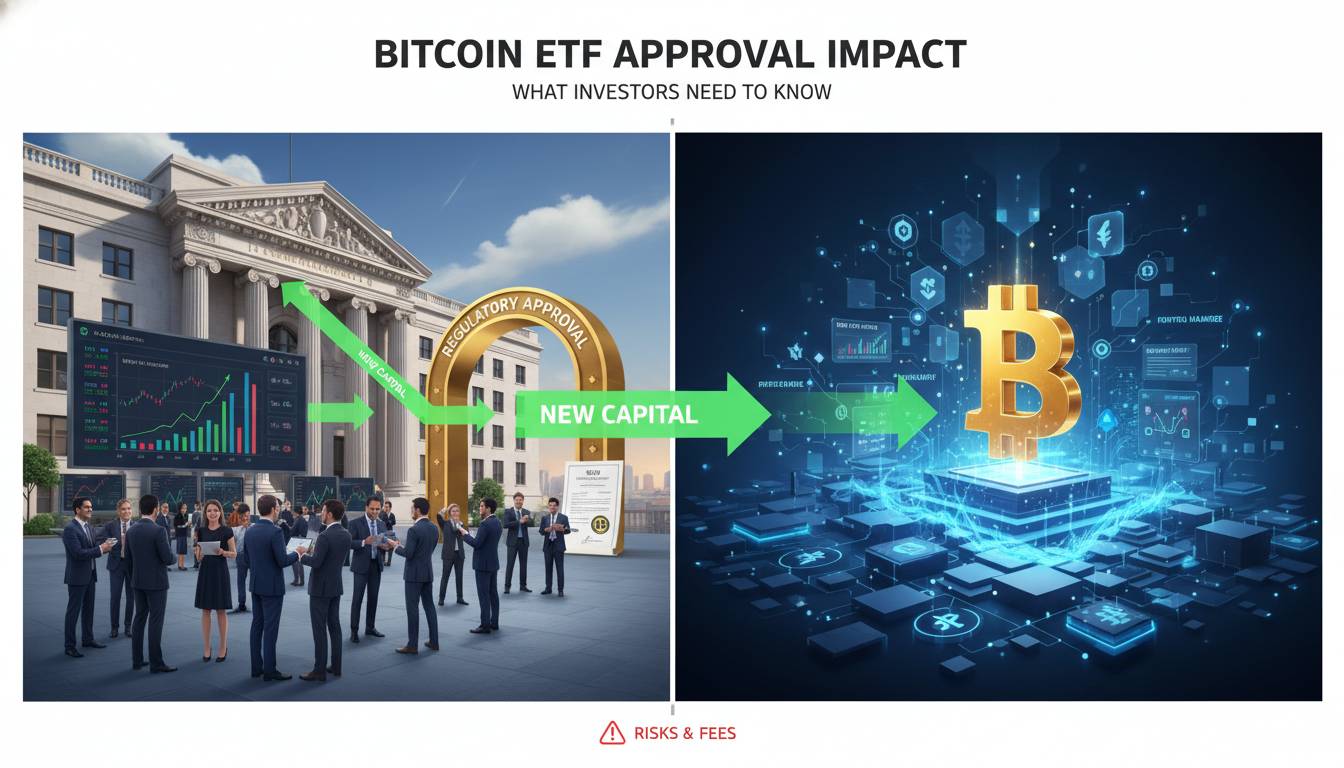
When the SEC approved spot Bitcoin ETFs in January 2024, it ended over a decade of rejections. That’s a big deal—not just for crypto enthusiasts, but for anyone who cares about how mainstream finance works. Here’s what actually changed and why it matters for your portfolio.
Market Price Impact
The price reaction told the story. Every previous rejection had hammered Bitcoin, but January 2024 was different. The approval unleashed buying pressure that pushed Bitcoin up noticeably in the weeks that followed.
Why? A few reasons. First, institutional investors could now buy Bitcoin through their regular brokerage without dealing with custody, wallets, or any of the operational headaches that made crypto feel risky. Second, the mere expectation of billions flowing into these products created a self-fulfilling prophecy—traders bought ahead of the inflows.
The interesting part is how price discovery shifted. Now traditional market participants who wouldn’t touch crypto with a pole now trade it through ETFs. This brings more liquidity and smarter trading strategies into the market. Whether that reduces long-term volatility remains to be seen, but the market structure has definitely changed.
Institutional Adoption Effects
This is where things get really interesting. Before ETFs, institutions basically had three options: avoid Bitcoin entirely, jump through massive operational hoops to hold it directly, or use awkwardly designed vehicles that often traded at steep premiums or discounts to NAV.
BlackRock’s entry changed the calculus. When the world’s largest asset manager—someone with $10 trillion in AUM—launches a Bitcoin product, it sends a signal. Their clients listen. Pension funds, endowments, family offices—all those institutions that move slowly and hate reputational risk—now have a way to allocate to Bitcoin without feeling like they’re doing something questionable.
The operational piece matters more than people realize. Investment committees can evaluate a Bitcoin ETF the exact same way they evaluate any other ETF. No special infrastructure, no weird custody arrangements, just a ticker symbol they already understand. That’s what moves the needle for big money.
Trading Volume and Liquidity Changes
The numbers got big fast. Billions in daily trading volume through Bitcoin ETFs created real market depth. Bid-ask spreads tightened, which matters if you’re trying to execute larger orders without moving the market against yourself.
The arbitrage angle is worth understanding too. Market makers now provide continuous two-sided markets for ETF shares, and that efficiency bleeds into underlying Bitcoin markets. ETFs trading at wild premiums or discounts to their NAV—a plague of the closed-end fund era—became much less common.
Standardization helped too. ETF settlement runs through the same systems as stocks and bonds. That sounds boring, but it means banks and brokers who wouldn’t touch crypto because of operational concerns now participate without thinking twice.
Regulatory and Legitimacy Implications
The SEC approval was essentially a statement: Bitcoin is a real asset class that deserves regulated products. That’s a shift from the agency’s previous stance, and it’s influencing how other regulators worldwide think about crypto.
What I find more interesting is the conversation shift. Before, regulators debated whether crypto belonged in mainstream markets at all. Now the debate is about how to integrate it properly. That’s a much more productive framework for long-term planning.
SEC Chair Gary Gensler managed to approve these products while keeping certain investor protections in place—that balancing act will likely define crypto regulation for years to come. Expect the rules to keep evolving as the market grows and gaps become apparent.
Future Outlook and Considerations
So what comes next? The success of Bitcoin ETFs has obviously raised expectations for Ethereum ETFs, and those launched in 2024 as well. Beyond that, who knows—maybe Solana, maybe other assets. The floodgates aren’t exactly open, but they’re definitely unlocked.
Here’s what I’d keep in mind: the accessibility gains are real, but Bitcoin is still Bitcoin. Volatility remains high. Regulatory risk hasn’t disappeared—just shifted. The tech keeps evolving, and so does the market.
Long term? Improved market infrastructure and broader access tend to benefit asset classes. But “tend to” isn’t a guarantee. Have realistic expectations about both the upside and the ongoing risks.
Frequently Asked Questions
What happens when a Bitcoin ETF is approved?
You get Bitcoin exposure through your regular brokerage without owning actual crypto. It’s simpler, more accessible, and fits into existing accounts and compliance frameworks.
How will Bitcoin ETF approval affect Bitcoin’s price?
The January 2024 approval showed positive price pressure—Bitcoin climbed after the decision. But crypto prices depend on tons of factors beyond ETF flows, so don’t treat this as a simple cause-and-effect.
Why does Bitcoin ETF approval matter for institutional investors?
It removes the operational and reputational barriers that made institutional allocation impractical. Now it’s just another asset class to evaluate.
What are the risks of investing in Bitcoin ETFs?
High volatility, regulatory uncertainty, and the underlying risk of Bitcoin itself. These aren’t safe havens—treat them as volatile growth exposure.
When was the Bitcoin ETF approved?
January 10, 2024. First time in over a decade the SEC cleared such products in the US.
Can I hold Bitcoin ETFs in my retirement account?
Generally yes, provided your account allows ETFs. Check with your custodian about specific implementation and tax treatment.
Conclusion
The January 2024 ETF approval was genuinely significant. It changed how institutions access Bitcoin, improved market liquidity, and signaled regulatory acceptance of crypto as a mainstream asset class.
But let’s not get carried away. The crypto market is still young, still volatile, and still evolving. The opportunities are real, but so are the risks. What matters now is understanding what these products actually do—not just the hype—and thinking carefully about how much exposure makes sense for your situation.