

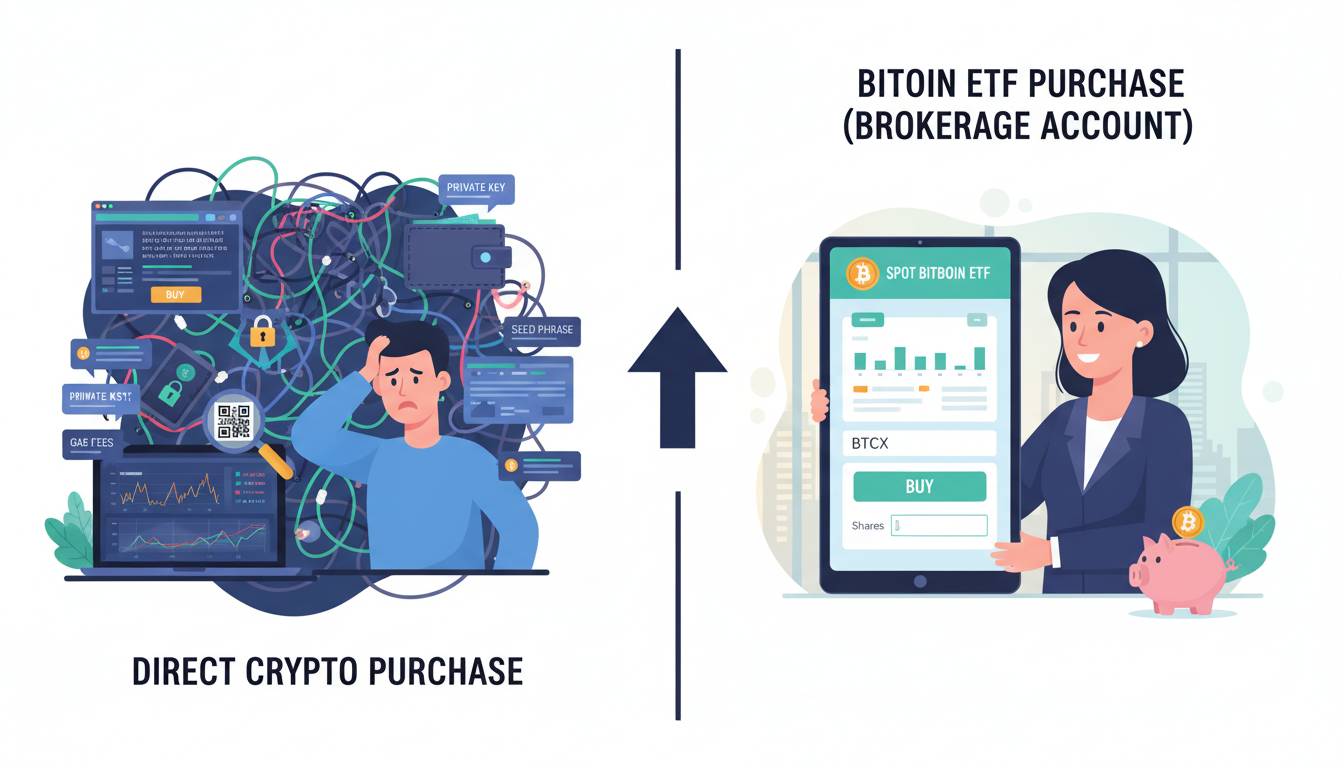
In January 2024, the SEC approved Bitcoin spot ETFs—a decision that fundamentally changed how everyday investors can access cryptocurrency. For over a decade, the commission had rejected every proposal for these products. Then, almost suddenly, it said yes to applications from BlackRock, Fidelity, and others. Here’s what changed and why it matters.
The SEC’s Shift
Before 2024, the SEC had consistently rejected Bitcoin spot ETFs, arguing that the market was too vulnerable to manipulation and that investors needed protection. This stance held for eleven years despite mounting pressure from Wall Street firms and cryptocurrency advocates.
The reversal didn’t happen in a vacuum. Years of legal battles, the growth of regulated Bitcoin trading venues, and pressure from major asset managers all played a role. When the approvals finally came, SEC Chair Gary Gensler was careful to note that the decision didn’t amount to an endorsement of Bitcoin as an investment. The commission’s message was clear: we’re allowing this product, but proceed with caution.
What Is a Bitcoin ETF?
A Bitcoin ETF trades on regular stock exchanges and tracks the price of Bitcoin. The key difference between spot ETFs and futures ETFs is straightforward: spot ETFs hold actual Bitcoin (or maintain reserves backed by it), while futures ETFs derive value from contracts that bet on Bitcoin’s future price.
For investors, this matters because spot ETFs tend to track Bitcoin’s price more directly. But the real appeal isn’t technical—it’s practical. You can buy shares through any brokerage account, just like you’d buy Apple or Tesla stock. No need to set up a crypto wallet, worry about losing your private keys, or figure out which exchange to trust.
There’s also the retirement account angle. Many 401(k) plans and IRAs prohibit direct cryptocurrency holdings. Bitcoin ETFs solve that problem by fitting into existing retirement frameworks. Pension funds and endowments—who face strict rules about what they can hold—can now allocate to Bitcoin without breaking regulations.
Market Reaction
The launch was chaotic and huge. Trading volumes hit billions within days. Bitcoin’s price jumped on the news, then did what Bitcoin does: it kept moving. Inflows were strong, suggesting real demand from investors who had wanted exposure but didn’t want to mess with owning crypto directly.
Institutional players took notice. Family offices, endowments, and pension funds gained a way to dip their toes into Bitcoin without overhauling their entire infrastructure. Whether this brings more stability to crypto markets remains to be watched—honestly, the verdict is still out on that one.
Traditional financial institutions rushed to offer ETF trading. Some saw it as a threat to their crypto-native competitors; others viewed it as a new revenue stream. Either way, the wall between Wall Street and crypto got a lot shorter.
What’s Next
The Bitcoin ETF approvals have sparked speculation about similar products for other cryptocurrencies. Ethereum is the obvious next candidate, and market participants are watching closely for signs the SEC might warm to those applications.
Beyond single-crypto ETFs, there’s talk about index funds that track multiple cryptocurrencies, or even leveraged products for traders who want bigger bets. None of this is guaranteed—regulatory uncertainty remains a constant in this space—but the door is clearly more open than it was a year ago.
One thing worth keeping in mind: the SEC’s approval of Bitcoin ETFs doesn’t mean it’s approved of everything else in crypto. Enforcement actions against projects the SEC deems securities violations continue. The regulatory landscape is still shifting, and investors should stay alert to changes that could affect their holdings.
Bottom Line
The January 2024 approvals were a genuine turning point. For the first time, ordinary investors could get Bitcoin exposure through a mainstream financial product without owning Bitcoin directly. That’s a meaningful shift in accessibility.
But let’s be honest about what hasn’t changed: Bitcoin is still wildly volatile, still speculative, and still carries real risk of loss. The fact that it’s now available through ETFs doesn’t make it safe—it just makes it easier to buy. Whether that ease is a benefit or a trap depends entirely on your risk tolerance and how well you understand what you’re actually buying.
Frequently Asked Questions
What is a Bitcoin ETF?
A Bitcoin ETF is a fund that tracks Bitcoin’s price and trades on stock exchanges like the NYSE or Nasdaq. You buy shares through your brokerage instead of buying Bitcoin directly from a crypto exchange.
When did the SEC approve Bitcoin ETFs?
January 2024. This was the first time the SEC approved spot Bitcoin ETFs in the United States.
Why would I choose a Bitcoin ETF over buying Bitcoin myself?
Convenience, mostly. You avoid dealing with crypto exchanges, wallet security, and private key management. You can also hold them in retirement accounts that restrict direct crypto ownership. That said, you pay management fees, and you don’t actually own any Bitcoin—just a fund that claims to hold it.
Are Bitcoin ETFs safe?
No investment in Bitcoin is “safe” in the traditional sense. These products carry the same volatility as Bitcoin itself. You can lose money—potentially all of it. The SEC approved the product structure, not Bitcoin as an investment.
What’s the difference between spot and futures ETFs?
Spot ETFs hold real Bitcoin. Futures ETFs hold contracts that bet on Bitcoin’s future price. Spot generally tracks more accurately, but futures can introduce additional costs and tracking error.
Can institutions buy these?
Yes. Pension funds, endowments, and family offices can now allocate to Bitcoin through these ETFs while staying within their existing investment policies. This was a major selling point for the approval.