

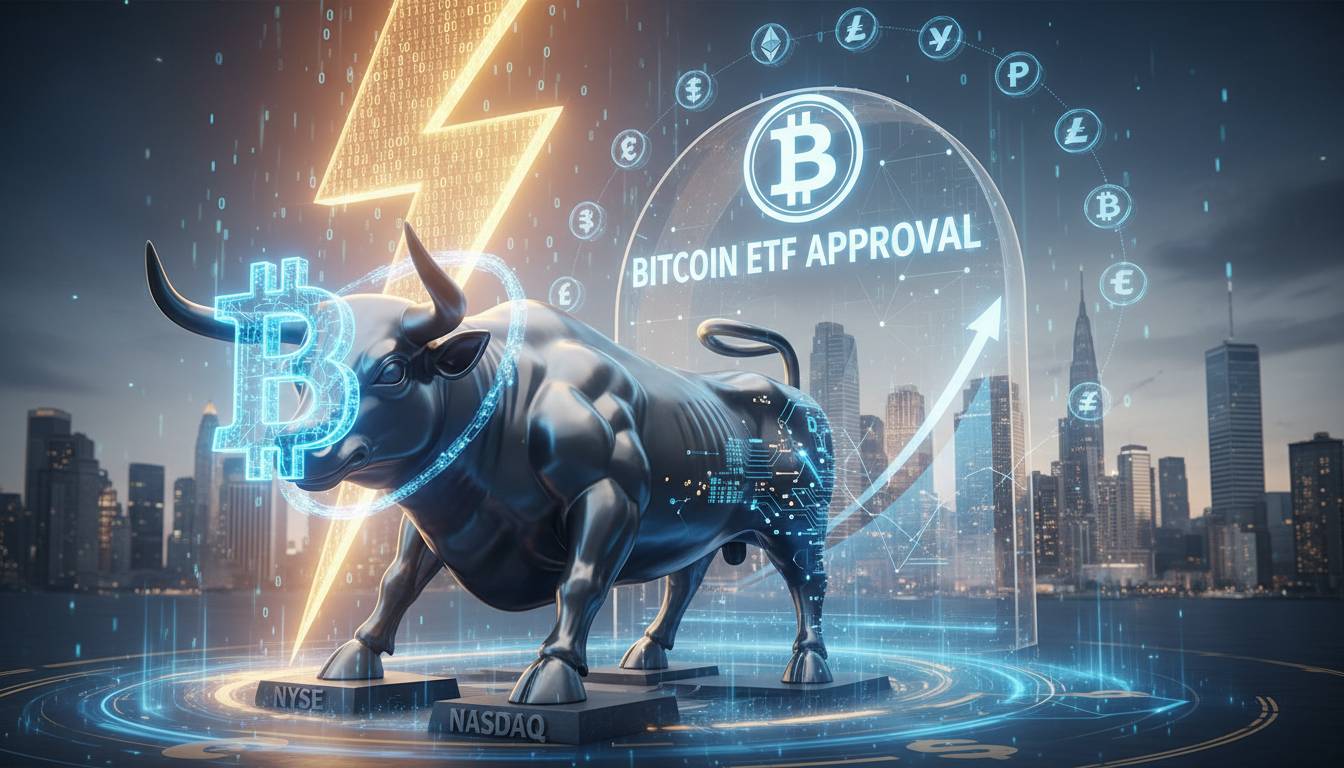
The SEC approved spot Bitcoin ETFs in January 2024, letting regular investors buy Bitcoin exposure through their regular brokerage accounts without dealing with wallets or exchanges. This was a big deal—not because it changed Bitcoin itself, but because it opened the door for institutional money to flow in legally.
What Is a Bitcoin ETF?
A Bitcoin ETF is an exchange-traded fund that holds actual Bitcoin and issues shares trading on stock exchanges. When you buy a share, you’re buying a slice of the fund’s Bitcoin holdings. The share price moves with Bitcoin, minus fees.
Multiple issuers got the green light, including BlackRock, Fidelity, and Valkyrie. This didn’t happen overnight—regulators had rejected similar applications for years, mostly over concerns about market manipulation and where the Bitcoin would actually be stored. The 2024 approvals came with strings attached: the ETFs had to use regulated custodians, share detailed holdings data daily, and set up surveillance agreements with exchanges.
For most people, the appeal is simple: you can buy it through your 401(k) or IRA, trade it like a stock, and skip the hassle of managing private keys. Whether that’s good or bad is a separate question, but it’s definitely different from buying Bitcoin directly.
Market Price Impact
The announcement caused a sharp rally. Bitcoin jumped past $47,000 within hours—a 10%+ gain in a single day. A lot of this was positioning: institutions had been waiting years for a regulated way to get in, and the approval was the signal to buy.
Gold ETFs launched in 2004 and sparked a years-long bull run in gold, so some analysts see a parallel. JPMorgan projected around $14 billion could flow into Bitcoin ETFs in the first year. BlackRock’s IBIT did become one of the fastest-growing ETFs ever, which validates some of that optimism.
But it’s not a guaranteed money printer. Crypto is volatile, and ETF inflows aren’t the only thing driving prices. The first few weeks of trading saw heavy volume and some wild price swings as the market figured out how to price the new products. Anyone expecting a straight line up has probably not been paying attention to crypto for long.
Institutional Adoption and Market Maturation
Institutional adoption accelerated after the approval, though “accelerated” is doing a lot of work here—the adoption was already happening in futures markets and private placements. What changed is that now institutions with strict compliance requirements could finally buy in.
Pension funds, endowments, and family offices allocation to Bitcoin went from “thinking about it” to “actually doing it.” These firms face fiduciary duties and can’t just throw money at unregulated products. The SEC-approved structure checks those boxes, so the floodgates opened—gradually.
More institutional money means more infrastructure. Trading desks now handle crypto ETF orders, prime brokers offer custody solutions, and the whole ecosystem is starting to look more like traditional finance. Whether that reduces volatility long-term or just makes it correlate more with stocks remains to be seen.
Interestingly, asset managers have already filed for Ethereum ETFs. If Bitcoin ETFs were the test case, Ethereum is the next question mark. The SEC hasn’t approved those yet, but the filing activity shows this is probably just the beginning.
Regulatory Landscape and Investor Protection
The approval set a template for future crypto products. The SEC required surveillance agreements with exchanges, qualified custodians for the Bitcoin, and daily transparency on holdings and pricing. Future products will likely face similar requirements, which is both good news (more clarity) and bad news (high bars to entry).
SEC Chair Gary Gensler didn’t celebrate the approval—he’s been clear that Bitcoin itself remains largely unregistered and risky. But he acknowledged that investor demand existed and that a regulated product was better than people buying Bitcoin through unregulated offshore exchanges. That’s a notable shift from the previous administration’s approach, even if it’s not a full embrace.
The protections are real, though they’re not magic. Regulated custodians means institutional-grade security for the underlying Bitcoin. Daily disclosures mean you can actually verify what the ETF owns. These are improvements over buying Bitcoin on an exchange where you’re trusting the exchange with everything. Whether that’s enough to make Bitcoin “safe” for mainstream portfolios is still debatable.
International regulators are watching. European and Asian counterparts are considering similar frameworks. If the U.S. model becomes a de facto standard, it could bring more regulatory clarity worldwide—which the market would probably welcome, even if it means more rules.
Future Implications and Long-Term Outlook
This approval changes Bitcoin’s place in finance, even if it doesn’t change what Bitcoin is. Retirement accounts can now hold it. Wealth management platforms can recommend it. Institutions can allocate to it without bending their compliance rules.
Capital inflows will probably continue. How much, and how fast, depends on a lot of factors—performance, regulatory developments, broader market conditions. The ecosystem is already adapting: exchanges are upgrading infrastructure, custody providers are expanding, and new products are in the pipeline.
Ethereum ETFs are the obvious next step. Multiple managers have filed. The SEC will likely approve or reject them in the next cycle, and the Bitcoin ETF’s performance will absolutely factor into that decision.
For investors, the takeaway is straightforward: Bitcoin is now easier to access but still volatile and speculative. The ETF removes some friction but doesn’t remove risk. Whether to allocate, and how much, depends on your situation, your risk tolerance, and how much you’re willing to stomach for an asset that can swing 10% in a day.
Frequently Asked Questions
What happens when a Bitcoin ETF is approved?
You can buy shares that track Bitcoin’s price through any brokerage account. The ETF holds the actual Bitcoin; you just own a tradeable share. This makes it accessible to investors who don’t want to deal with exchanges or wallets.
Will Bitcoin ETF approval cause prices to go up?
The announcement drove a significant rally, and projections for inflows are substantial. But crypto prices are influenced by many factors, and past performance doesn’t guarantee future results. The market is volatile, and expecting a straight upward path is unrealistic.
How does a Bitcoin ETF work?
The ETF buys Bitcoin and issues shares that trade on stock exchanges. The share price aims to match Bitcoin’s price minus fees. You can buy and sell like any other stock, through your existing brokerage.
When was the Bitcoin ETF approved?
January 10, 2024. Multiple issuers launched products within days. BlackRock’s IBIT became one of the most successful ETF launches in history by assets gathered.
What are the risks of investing in Bitcoin ETFs?
Extreme volatility, regulatory uncertainty, and liquidity risks. The underlying asset is speculative with no guaranteed value. You can lose money, sometimes quickly. Consider your risk tolerance carefully.
Can I hold Bitcoin ETFs in my retirement account?
Yes, most brokerages now offer spot Bitcoin ETFs in IRAs, 401(k)s, and similar accounts. Availability varies by platform, so check with your provider.