

More Americans are looking for ways to make money beyond their regular jobs. With costs going up and job security feeling uncertain, passive income has become a popular topic. This guide covers 20 ways to build income that doesn’t require trading hours for dollars. Some take money to start. Others take time. Most take both.
Investment-Based Passive Income Ideas
Dividend Investing
Dividend investing is one of the simpler ways to generate passive income. You buy shares in companies that pay out part of their profits to shareholders. The money comes in regularly, and you don’t have to sell anything.
The S&P 500 currently yields around 1.5% to 2%. Some individual stocks pay more, but they’re usually riskier.
Most people start with index funds that focus on dividend-paying stocks. Reinvesting those dividends (called a DRIP) compounds your returns over time. With a $50,000 to $100,000 portfolio, you could reasonably generate $100 to $500 monthly, depending on how your investments perform.
Bond Laddering
Bonds pay interest on a fixed schedule. A bond ladder means buying bonds that mature at different times, so you’re not locked in if rates change.
Right now, Treasury bonds yield about 4% to 5% for longer-term securities. They’re predictable—if you hold to maturity, you get your principal back plus interest. A $100,000 bond portfolio would generate roughly $4,000 to $5,000 per year.
The trade-off is that returns are modest compared to stocks. Bonds are best if you need stable, guaranteed income and can’t afford losses.
Index Fund Investing
Index funds track major market indices like the S&P 500. You get broad market exposure without needing to pick individual stocks. The S&P 500 has historically returned around 10% per year over long periods, though this varies.
The appeal is simplicity. Set up automatic contributions, and you’re done. Most 401(k)s and IRAs offer index funds with low fees.
Real Estate Passive Income Ideas
Rental Properties
Rental property is a classic passive income strategy. You buy a property, rent it out, and tenants pay your mortgage plus some profit. The key is buying in a place where people actually want to rent.
You’ll need capital for a down payment—at least 20% for a rental mortgage. On a $300,000 property with $60,000 down and $2,500 monthly rent, you’d clear some cash after expenses. But remember: vacancies, repairs, and property management eat into profits. Things break. Tenants leave. It’s not truly passive unless you hire help.
Real Estate Investment Trusts (REITs)
REITs let you invest in real estate without buying property. These companies own apartment buildings, office spaces, shopping centers, and other income properties. By law, they must distribute at least 90% of taxable income as dividends.
The big advantage is liquidity—you can buy or sell REIT shares anytime on the stock market. Many REITs yield over 4%, which beats most savings accounts. The downside is you have no control over the properties, and REIT values can drop during downturns.
Real Estate Crowdfunding
Crowdfunding platforms like Fundrise and RealtyMogul let ordinary people invest in commercial properties with relatively small amounts—often $500 to $1,000 minimum.
This opens up deals that used to require millions. The trade-off is limited liquidity. Your money may be tied up for several years. Returns vary, and some platforms have gone under. Do your research before committing.
Digital Product Passive Income Ideas
Online Courses
If you know something others want to learn, online courses can be lucrative. Platforms like Udemy, Teachable, and Skillshare handle the technical side. You create the content.
Plan for 20 to 50 hours upfront to build a solid course. After that, it mostly runs itself, though you’ll need occasional updates. Top instructors earn serious money, but most people make more modest amounts. The market is crowded, so finding your niche matters.
E-Books and Digital Publications
Amazon’s Kindle Direct Publishing lets anyone self-publish ebooks. You earn up to 70% royalties on sales. No inventory, no shipping, no gatekeepers.
The hard part is standing out. Millions of books compete for attention. Successful self-publishers often release multiple titles and build an email list to reach readers directly.
Stock Photography
Stock photo sites like Shutterstock and Adobe Stock pay photographers to license images for commercial use. Businesses need photos for websites, ads, and presentations.
Individually, each photo doesn’t pay much. But if you upload hundreds of images covering common commercial needs—business settings, technology, food, lifestyles—you can build a portfolio that generates steady income. It takes time to upload enough to make meaningful money.
Online Business Passive Income Ideas
Affiliate Marketing
You recommend products and earn a cut when people buy through your link. Bloggers, YouTubers, and social media influencers do this. Amazon Associates, ShareASale, and CJ Affiliate are major networks.
The catch: you need an audience. Building trust takes time. Most affiliates earn small amounts unless they’ve grown a substantial following. It’s not a get-rich-quick thing.
YouTube Channel Monetization
YouTube pays creators through ads once you hit 1,000 subscribers and 4,000 watch hours. You can also earn through memberships and Super Chat during live streams.
Starting costs are low—just time and creativity. But building an audience that generates meaningful ad revenue typically takes one to two years of consistent uploading. The algorithm rewards regularity and engagement.
Print on Demand
Print-on-demand services like Redbubble and Teespring let you sell t-shirts, mugs, and other merch without inventory. You design, they print and ship. You keep the difference.
No upfront costs means no financial risk. But the market is flooded. Successful sellers usually focus on specific niches and build a recognizable brand. Generic designs don’t sell.
Creative Portfolio Passive Income Ideas
Licensing Music
Musicians can license their compositions for videos, podcasts, and ads. Libraries like Artlist and Epidemic Sound connect composers with content creators.
Build a large catalog of usable tracks, and each license generates income without extra work. It’s truly passive once you’ve done the initial recording. The challenge is standing out among thousands of other composers.
Mobile App Development
Apps can generate income through downloads, in-app purchases, or ads. Building one requires either coding skills or money to hire developers.
The app store is brutal—most apps fail. But successful ones can earn for years with minimal maintenance. The opportunity is real; the odds are just tough.
Automated Online Stores
Shopify and similar platforms make it easy to start an online store. Dropshipping lets you sell without holding inventory—suppliers ship directly to customers.
The setup is easier than it used to be, but success still requires work: finding suppliers, marketing, handling customer service issues. Automation helps, but you’ll deal with problems regularly, especially early on.
Other Passive Income Strategies
Peer-to-Peer Lending
Platforms like Prosper and LendingClub connect borrowers directly with individual lenders. You fund loans and collect interest—typically 5% to 15% depending on risk.
Higher returns than savings accounts, yes. But you can lose money if borrowers default. Platform fees also cut into profits. It’s not as safe as bonds.
High-Yield Savings Accounts
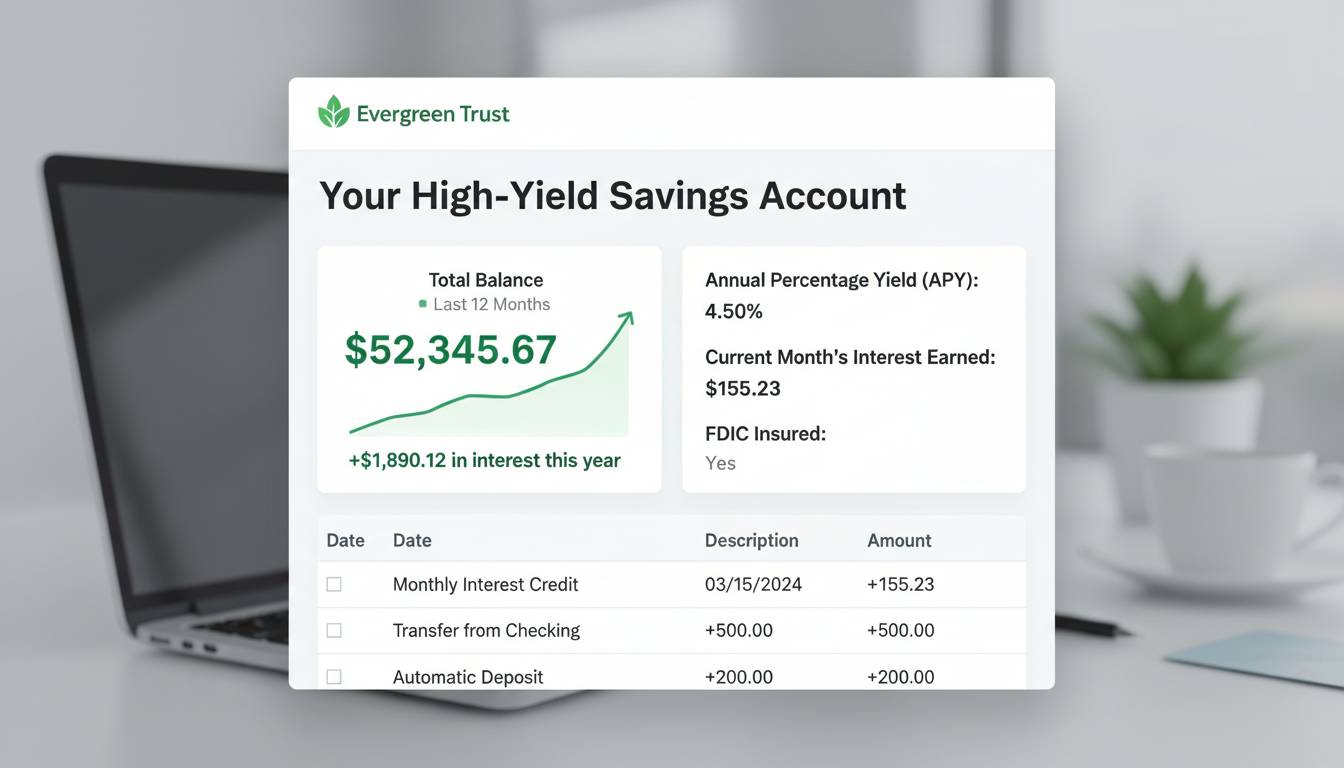
Online banks now offer 4% to 5% on savings—far better than traditional banks. Zero risk, zero effort.
Returns are modest. You won’t get rich. But it’s a safe place for emergency funds or short-term goals, and you literally do nothing after opening the account.
Conclusion
Passive income opportunities are more accessible than ever. You can start with a few hundred dollars or just your spare time. The right approach depends on what you have: money, skills, or both.
Don’t expect overnight results. Most strategies need months or years before paying off. But if you’re patient and consistent, building multiple streams adds up. Start with one thing that fits your situation, learn from it, and expand from there.
Frequently Asked Questions
How much money do I need to start generating passive income?
It depends on the strategy. YouTube, blogs, and high-yield savings require little or no money. Real estate and dividend investing need thousands to generate meaningful returns.
How long does it take to see returns?
Dividend investing and rental property typically need five to ten years to produce significant income. Digital products and online businesses might generate returns within six months to two years with consistent effort.
Is passive income really completely passive?
Mostly no. Almost every passive income strategy requires upfront work and occasional maintenance. Truly set-it-and-forget-it options like high-yield savings generate very little. Higher-earning strategies need ongoing attention, even if less than a regular job.
What is the best passive income idea for beginners?
If you have limited money but time, try starting a YouTube channel, blog, or print-on-demand business. If you have savings but no time, a high-yield savings account is the simplest starting point.
Do I need to pay taxes on passive income?
Yes. Investment income is generally taxable. Dividends, interest, and rental income are taxed as ordinary income. Capital gains apply when you sell assets for profit. A tax professional can help you plan.
Can I replace my full-time income with passive income?
It’s possible but uncommon. Most people who achieve this have either significant capital invested or spent years building multiple streams. It’s a long-term goal, not a quick fix.