

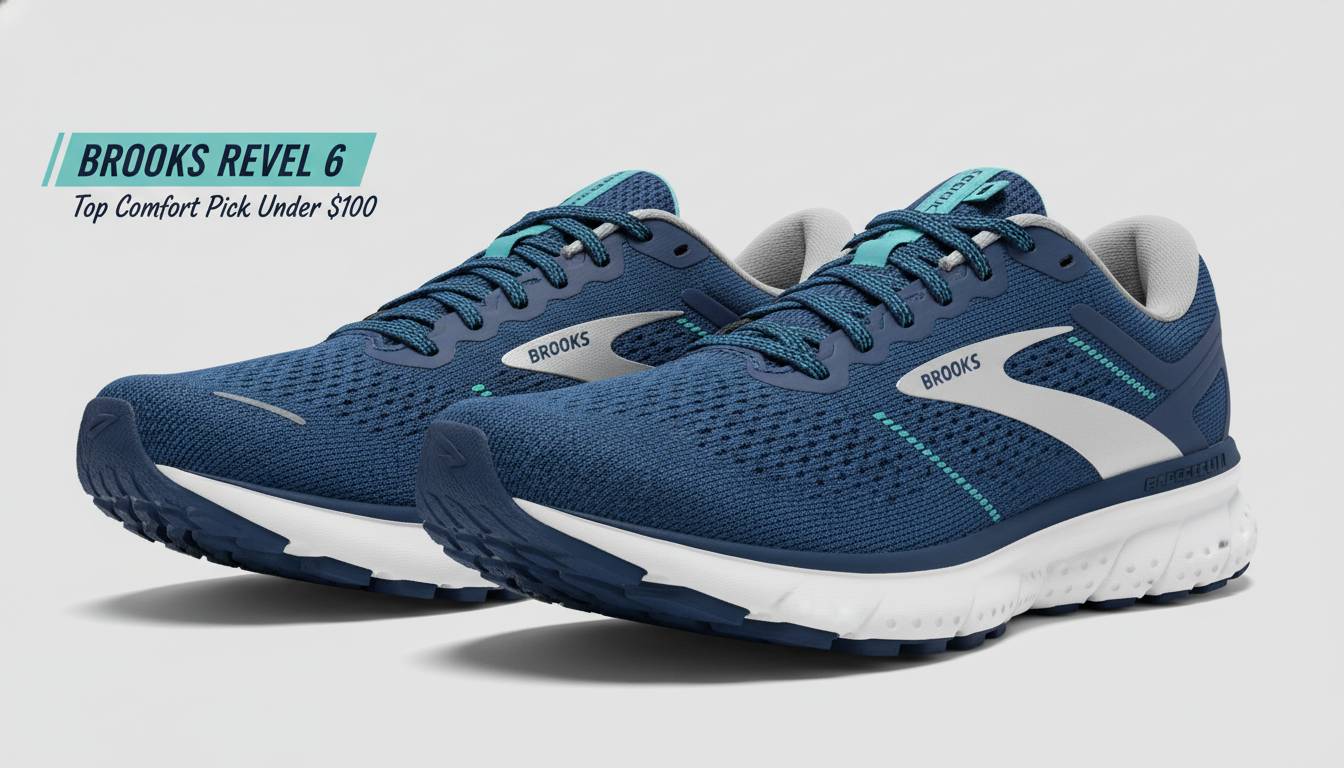
So you want to start running. That’s great. But before you hit the pavement, you need shoes that won’t make your first few miles a痛苦 (pun intended). The wrong pair can leave you with blisters, shin splints, or just really unhappy feet—and that’s if you’re lucky. Get a genuinely bad pair and you might not make it past week one.
The good news? You don’t need to spend a fortune. Plenty of solid running shoes for beginners exist under $100. The trick is knowing what actually matters and what to ignore.
What Beginners Actually Need
Here’s the thing about starting out: your body is still learning how to run. Your gait isn’t refined, your stabilizing muscles aren’t fully developed, and your feet haven’t built up the calluses that veteran runners have. This means you need shoes that are forgiving in ways that advanced runners might not care about.
Three things matter most for beginners:
- Cushioning – absorbs impact so your joints don’t take a beating
- Fit – no hot spots, no sliding, no cramped toes
- Durability – you’ll probably log 100+ miles in your first few months
Most beginners run 2-3 times per week for 20-30 minutes. You don’t need race-day shoes. You need something comfortable that lasts and doesn’t require a breaking-in period that feels like a second job.
What Actually Separates Good Beginner Shoes from Bad Ones
Don’t get caught up in marketing fluff. Here’s what to actually look for:
Midsole foam – This is the cushioning between your foot and the ground. EVA foam works fine for beginners. Some shoes use fancier compounds like TPU or Nike’s React foam, which gives more energy return, but you don’t need premium foam to start.
Breathable upper – Your feet will get hot and sweaty. Engineered mesh lets air circulate and helps prevent blisters. Skip shoes with thick, non-breathable uppers unless you enjoy swamp feet.
Drop height – This is the height difference between heel and toe. Traditional running shoes have 8-12mm drops; minimalist-inspired ones go lower. Beginners usually do fine with moderate drops (around 8mm) as they transition from walking to running.
Weight – Shoes in the 8-10 ounce range balance cushioning with not feeling like you’re wearing bricks. Lighter isn’t always better when you’re starting out.
Our Top Picks
After testing dozens of shoes and talking to real runners (not just reading marketing copy), here’s what stands out:
Brooks Trace 3 – A reliable all-around choice. The DNA Loft cushioning feels soft without being mushy, and the segmented crash pad handles impact well. Most runners find these comfortable right out of the box, which matters when you’re excited to start and don’t want to wait.
ASICS Gel-Contend 8 – The best value under $80. ASICS packs their GEL cushioning technology into a budget-friendly shoe, and it actually works. The rearfoot GEL absorbs heel strikes effectively, and the breathable mesh upper keeps feet cooler than you’d expect at this price point.
Nike React Infinity Run Flyknit 3 – If you want something that feels a bit more premium. The React foam is genuinely bouncy, and the Flyknit upper adapts to foot swelling during longer runs. It’s a bit more expensive, but the energy return makes longer distances feel less like punishment.
New Balance Fresh Foam 510v8 – For runners who want cloud-like cushioning above all else. The Fresh Foam midsole stays plush throughout the shoe’s life, and the bootie construction eliminates friction points. Great for heavier runners or those who just want maximum cushioning.
Budget Picks Under $80
Yes, you can get decent running shoes without spending much:
Skechers Go Run Ride 11 – Genuinely surprising performance for the price. The Ultra Flight cushioning is lightweight and responsive, and the ventilation is solid. Not as refined as big brands, but way better than you’d expect.
PUMA Foreverrun Nitro – PUMA’s Nitro foam usually appears in $150+ shoes, so seeing it here is a pleasant surprise. Good stability features help beginners maintain form without needing a separate stability shoe.
adidas Duramo SL – Lightstrike foam keeps things lightweight, and the PRIMEKNIT upper adapts to your foot. Solid grip on wet surfaces too, which matters if you run early mornings or live somewhere rainy.
Matching Shoes to Your Feet
Not everyone’s feet are the same, and pretending otherwise helps no one.
Flat feet – You probably overpronate (feet roll inward). The Brooks Adrenaline GTS 23 uses GuideRails to control excess movement without feeling restrictive. DNA Loft foam keeps it comfortable for longer distances as you build mileage.
High arches – You need flexibility and cushioning that reaches the ball of your foot. The Hoka Clifton 9 offers maximalist cushioning in a surprisingly light package. The early-stage meta-rocker makes transitions smooth.
Wide feet – Standard widths will crush your toes. The New Balance 840v2 has a wider toe box, and the bootstrap construction locks down the midfoot without squeezing.
Things Nobody Tells You
A few honest tips from people who’ve been there:
Go to a specialty running store if you can. The staff actually watches how you run and can recommend shoes based on your gait, not just what they want to sell. Many do free gait analysis. It’s worth the drive.
Shop in the afternoon or evening. Your feet swell throughout the day. Morning fits mean afternoon tightness.
Rotate two pairs if you can afford it. It extends the life of each shoe and lets the foam recover between runs. Your knees will thank you.
Replace shoes every 300-500 miles. Even good shoes lose cushioning. Running in worn-out shoes increases injury risk and makes running feel harder than it should.
Common Questions
How much should I spend?
$80-130 gets you a quality shoe. You don’t need premium kicks to start. The extra money in expensive shoes mainly helps experienced runners with specific needs.
Can I just use walking shoes?
No. Running generates 2-3x more impact force than walking. Walking shoes can’t handle that. You’ll hurt yourself or at minimum have a miserable time.
How long do they last?
300-500 miles depending on weight, running frequency, and surfaces. At 15 miles per week, expect 6-8 months. Watch for compacted midsoles and new aches in your legs—that’s the shoe telling you it’s done.
Stability or neutral?
Most beginners do fine with neutral shoes unless a gait analysis shows significant overpronation. Many modern neutral shoes have subtle support that handles mild pronation fine.
When to replace?
Visible outsole wear, compacted midsole, new aches in knees/hips/feet. If you’re tracking mileage, aim for 400-500 miles and err on the side of replacing sooner.
The Bottom Line
Pick a shoe that fits your feet, matches your budget, and feels comfortable when you try it on. The “best” shoe for a beginner is the one you’ll actually wear. All the recommendations above are solid choices—none will mysteriously ruin your running career.
Just get out there and run. Your first pair doesn’t need to be perfect. You’ll learn what you like as you log miles, and you can always switch things up next time.