Yield Farming Explained: Complete Guide to DeFi Returns

Yield farming represents one of the most innovative and complex financial mechanisms to emerge from decentralized finance (DeFi). This comprehensive guide breaks down everything you need to understand about how yield farming works, the risks involved, and how to navigate this rapidly evolving corner of the cryptocurrency ecosystem.
What Is Yield Farming?
Yield farming, also known as liquidity mining, is a process where cryptocurrency holders deposit their digital assets into DeFi protocols to earn returns. Unlike traditional savings accounts that pay interest, yield farming leverages blockchain technology and automated market makers (AMMs) to generate yields through various mechanisms including trading fees, governance token rewards, and lending interest.
The fundamental concept is straightforward: users provide liquidity to a protocol, and in return, they receive rewards—typically in the form of the protocol’s native tokens or a share of the trading fees generated by their deposited assets. This creates a passive income stream for holders willing to lock up their crypto assets, even if those assets remain under their control.
Yield farming exploded in popularity starting in 2020, with Total Value Locked (TVL) in DeFi protocols growing from approximately $1 billion in early 2020 to over $150 billion by late 2021 before experiencing significant corrections. Today,TVL fluctuates between $80-120 billion across major networks, demonstrating sustained market interest despite volatility.
The appeal is clear: yields often dramatically outperform traditional financial products. Where bank savings accounts might offer 0.01% to 4% annually, yield farming protocols have historically advertised returns ranging from 5% to well over 100% annually. However, these high returns come with substantial risks that must be thoroughly understood before participating.
How Yield Farming Works
To understand yield farming, you first need to grasp several interconnected concepts that form the backbone of DeFi infrastructure.
Liquidity Pools and Automated Market Makers
Traditional cryptocurrency trading relies on order books—a system where buyers and sellers place orders at various price points. Yield farming operates differently through liquidity pools. These are smart contracts containing reserves of two or more tokens that traders can swap between.
When you deposit tokens into a liquidity pool, you’re providing the reserves that enable others to trade. In return for this service, you earn a portion of every trade executed through that pool. The pricing within these pools is determined by mathematical formulas rather than human market makers—a system called an Automated Market Maker (AMM).
For example, if you deposit equal values of Ethereum (ETH) and USD Coin (USDC) into an ETH/USDC pool, you become a liquidity provider. When someone wants to trade USDC for Ethereum, they draw from this pool, and you earn a small fee. The fees accumulate over time and are distributed proportionally to all liquidity providers in that pool.
APY vs. APR: Understanding Returns
Yield farming returns are typically expressed as either Annual Percentage Yield (APY) or Annual Percentage Rate (APR). Understanding the difference matters significantly for calculating actual returns.
APR represents the simple annual interest rate without accounting for compound interest. If a protocol advertises 50% APR, that’s what you would earn over one year if returns weren’t reinvested.
APY, on the other hand, includes the effect of compound interest—reinvesting your earned yields back into the principal. Because yield farming protocols typically compound rewards frequently (sometimes daily or even per block), APY can appear substantially higher than APR. A 50% APR might translate to 65% APY with daily compounding, or significantly higher depending on compounding frequency.
This distinction matters because advertised yields often show APY, which can create unrealistic expectations. Always clarify which metric is being used when evaluating yield farming opportunities.
Liquidity Provider Tokens
When you deposit assets into a liquidity pool, you don’t simply lock them away. Instead, you receive liquidity provider (LP) tokens that represent your share of the pool. These tokens are minted in proportion to your contribution and can be staked in various reward programs to earn additional yields.
For instance, if you provide liquidity to a Uniswap ETH/USDC pool, you’ll receive Uniswap v2 LP tokens (or v3 position NFTs on newer versions). These tokens continue earning trading fees while also becoming eligible for yield farming rewards if you stake them in the appropriate incentive programs.
Key Yield Farming Strategies
Experienced yield farmers employ various strategies to maximize returns while managing risk. Understanding these approaches helps you make informed decisions about participation.
Single-Asset Staking
The simplest yield farming approach involves staking a single token—often a protocol’s governance token—in return for rewards. This requires no knowledge of trading pairs or liquidity provision mechanics. You simply lock your tokens in a smart contract and receive additional tokens as rewards.
This strategy became particularly popular with protocols like Curve Finance, where users can stake the CRV governance token to earn boosted rewards and voting rights. Single-asset staking typically offers lower yields than liquidity provision but involves less complexity and risk.
Dual-Asset Liquidity Provision
This involves depositing two different tokens into a liquidity pool. The trader receives both trading fees and any additional rewards the protocol offers for providing that specific liquidity. This strategy requires understanding token pair dynamics and the relationship between the two assets.
Pairs involving stablecoins (like USDC/USDT) tend to be more stable but may offer lower yields. Volatile pairs (like ETH/ALT) can generate higher fees but introduce additional risks including impermanent loss.
Yield Aggregator Strategies
Yield aggregators like Yearn Finance, Convex Finance, and Beefy Finance automate the yield farming process. These protocols automatically move your deposited funds between different strategies to chase the highest yields, saving users time and optimizing returns.
When you deposit into a yield aggregator, your assets are automatically allocated across multiple farms, rebalanced as conditions change, and compounded automatically. This reduces the manual work required while often achieving better risk-adjusted returns than individual farming.
Major Risks to Understand
Yield farming involves substantial risks that have caused billions of dollars in losses for participants who failed to understand what they were getting into. Thoroughly educating yourself about these risks is essential before participating.
Impermanent Loss
Perhaps the most misunderstood risk in yield farming is impermanent loss. When you provide liquidity to an AMM pool, you’re exposed to price changes between the two tokens in the pair. If the price of one token changes significantly relative to the other, you would have been better off simply holding the tokens rather than providing liquidity.
This loss is called “impermanent” because it only becomes permanent when you withdraw your liquidity. If prices return to their original ratio before you withdraw, the loss disappears. However, in practice, significant price divergences often persist, turning impermanent losses into permanent ones.
For example, if you provide liquidity to an ETH/USDC pool and ETH doubles in value, you’ll have less ETH when you withdraw than you originally deposited—because the AMM automatically adjusts your holdings to maintain pool balance. The trading fees you earned might offset this loss, but not always.
Smart Contract Risk
Yield farming relies entirely on smart contracts—self-executing code that handles the actual funds. These contracts can contain bugs, vulnerabilities, or be exploited by sophisticated attackers. The DeFi ecosystem has seen numerous hacks resulting in hundreds of millions of dollars in losses.
Even audited protocols (contracts reviewed by security firms) have been hacked. No smart contract is completely risk-free. When choosing where to farm, consider the protocol’s security history, audit reports, and whether the code has been battle-tested.
Token Impermanent Loss (Token Risk)
Beyond impermanent loss from price movements, there’s also risk that the rewards token itself loses value. Many yield farms reward you with a native token that may have no intrinsic value or utility beyond governance rights. If these tokens dump in value—which they frequently do—the effective yield you earn can become negative.
This is sometimes called “token impermanent loss” or simply “reward token risk.” Experienced farmers often immediately sell their reward tokens to stablecoins to avoid this exposure.
Liquidity and Exit Risk
Some yield farming positions cannot be exited immediately. Your tokens might be locked for a specified period, or the pool itself might lack sufficient liquidity for quick withdrawal. In extreme cases, you might not be able to exit at all if the protocol experiences issues.
Regulatory Uncertainty
The regulatory status of yield farming and DeFi remains uncertain in many jurisdictions, including the United States. Rewards received might be considered securities, income, or capital gains for tax purposes. The complexity of determining your tax obligations when participating in yield farming is substantial.
How to Get Started with Yield Farming
If you’ve decided to explore yield farming despite the risks, following a careful, methodical approach is essential.
Preparation Steps
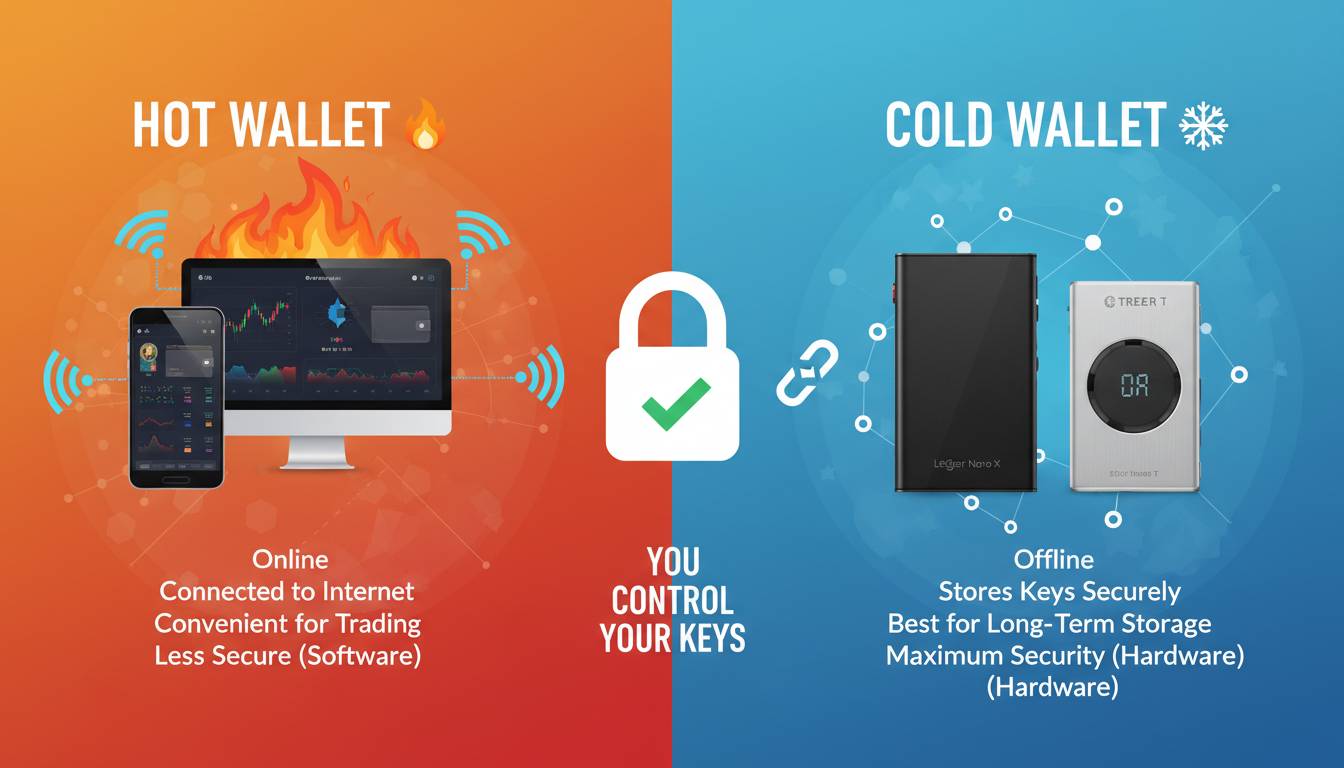
Before depositing any funds, ensure you have the necessary infrastructure in place. You’ll need a Web3 wallet like MetaMask, Rabby, or Frame, configured with the appropriate network connections. You’ll also need some familiarity with bridging assets between networks if farming on Layer 2 solutions like Arbitrum, Optimism, or Base, which often offer better yields than Ethereum mainnet.
Start with small amounts you can afford to lose entirely. The learning curve in DeFi is steep, and mistakes can be expensive. Begin with simpler strategies like single-asset staking before progressing to more complex liquidity provision.
Research Protocol Fundamentals
Before committing funds to any yield farming opportunity, investigate the protocol thoroughly. Look for:
- Security audits from reputable firms
- Track record of the team and their previous projects
- Tokenomics of any reward tokens being distributed
- Community sentiment and governance participation
- Total Value Locked trends over time
Understanding what you’re actually providing liquidity to—and why the protocol is distributing rewards—matters enormously. If returns seem impossibly high, there’s probably a significant catch you’re missing.
Dollar-Cost Averaging Your Entry
Rather than depositing everything at once, consider dollar-cost averaging your entry into yield farming positions. This reduces your exposure to Impermanent loss at entry and gives you time to learn as you participate.
Frequently Asked Questions
Is yield farming safe for beginners?
Yield farming carries significant risks including impermanent loss, smart contract vulnerabilities, and token volatility. Beginners should start with small amounts, stick to audited protocols with track records, and prioritize single-asset staking over complex liquidity provision strategies until they understand the mechanics thoroughly.
How much money do I need to start yield farming?
You can start with minimal amounts—some protocols have no minimum deposit. However, gas fees on networks like Ethereum mainnet can make small positions economically unviable. Many users find Layer 2 networks or chains like Solana, Avalanche, or Polygon more accessible due to lower transaction costs.
What’s the difference between staking and yield farming?
Staking typically involves locking a single token to support network operations (like validating transactions) or protocol governance, earning rewards in return. Yield farming usually involves providing liquidity to pools and earning returns from trading fees plus token rewards. The terms are sometimes used interchangeably, but they represent different mechanisms.
How are yield farming returns calculated?
Returns come from three main sources: trading fees (a percentage of each trade through the pool), token rewards (new tokens minted and distributed to liquidity providers), and compounding (reinvesting earned returns for exponential growth). The combination of these factors determines your actual APY.
Can I lose money yield farming?
Yes, you can lose money through impermanent loss if token prices diverge significantly, if the reward token collapses in value, if the smart contract is hacked, or if you withdraw during unfavorable price conditions. Yield farming is not risk-free and should not be considered guaranteed income.
Do I need to pay taxes on yield farming earnings?
In the United States, yield farming rewards are generally considered taxable income at their fair market value when received. Capital gains rules may apply when you later sell or trade the earned tokens. Tax obligations can be complex with DeFi activities, and consulting a tax professional is advisable.
Important Disclaimer: This article is for educational purposes only and does not constitute financial advice. Yield farming involves substantial risk including the potential loss of principal. Always conduct your own research, understand the specific risks of any protocol, and consider consulting with qualified financial professionals before participating in DeFi activities.