
Weight Loss Supplements That Work – Proven Results That Last

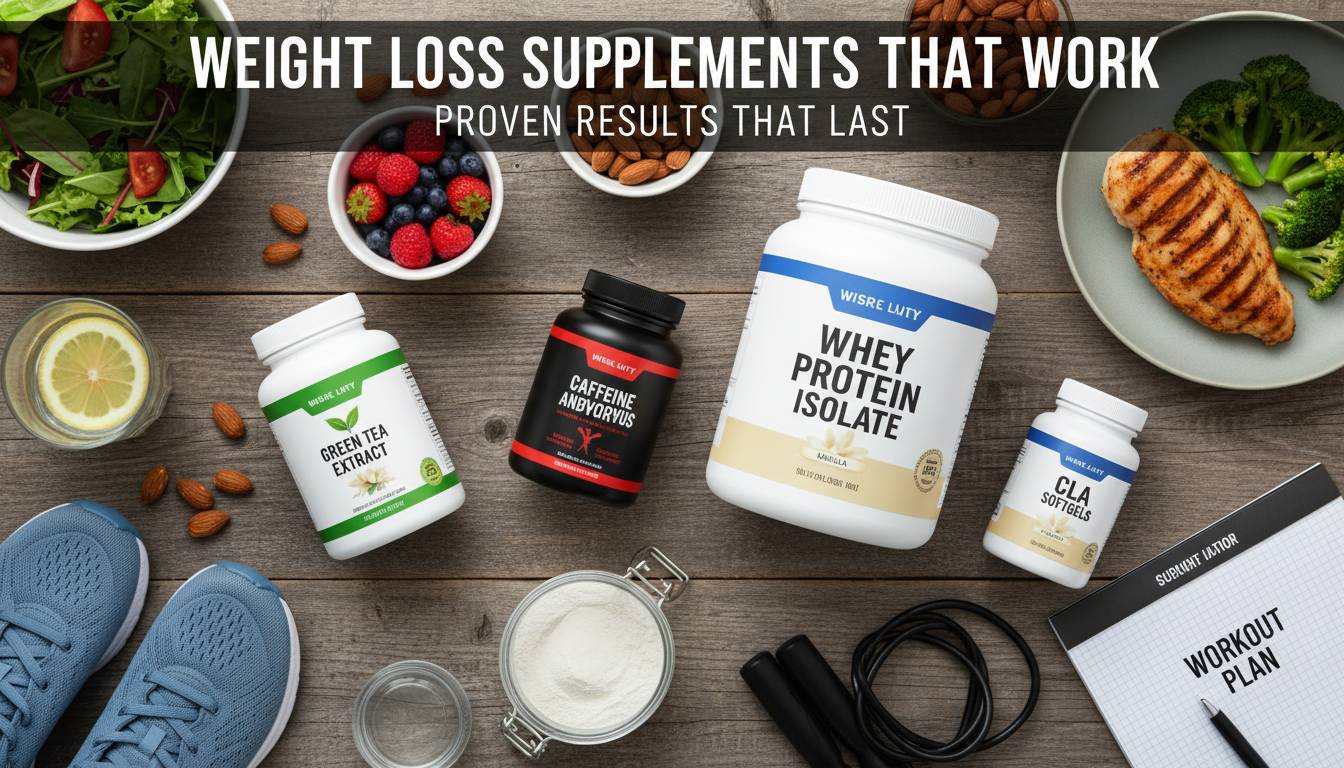
Losing weight remains one of the most searched health topics in the United States, with millions of Americans looking for effective solutions beyond diet and exercise alone. While no supplement can replace a balanced diet and regular physical activity, certain weight loss supplements have shown genuine promise in clinical research. The key lies in understanding which ingredients actually work, which claims are backed by science, and how to incorporate supplements safely into a comprehensive weight management plan. This guide examines the most evidence-based weight loss supplements available, cutting through marketing hype to reveal what truly helps people achieve their weight loss goals.
Understanding How Weight Loss Supplements Actually Work
Weight loss supplements employ several different mechanisms to support fat loss and weight management. Understanding these mechanisms helps consumers make informed decisions rather than falling for vague marketing promises. The most effective supplements typically work through appetite suppression, increased metabolism, fat blocking, or enhanced fat oxidation during exercise.
Appetite suppressants work by influencing hormones that control hunger sensations. Glucomannan, a soluble fiber derived from the konjac root, expands in the stomach to create a feeling of fullness. Similarly, supplements containing 5-HTP may help reduce appetite by increasing serotonin levels, which some research links to reduced food intake and fewer cravings.
Metabolism-boosting supplements aim to increase the number of calories your body burns throughout the day. Caffeine remains one of the most studied and effective thermogenic ingredients, shown to temporarily boost metabolic rate by 3-11% in multiple clinical trials. Green tea extract, containing both caffeine and catechins, has demonstrated modest but consistent effects on fat burning.
Fat blocking supplements prevent your body from absorbing dietary fats. Orlistat, the active ingredient in prescription Xenical and over-the-counter Alli, inhibits pancreatic lipase, an enzyme that breaks down dietary fat. Clinical studies show users lose 2-3 pounds more than with diet alone over six months.
Understanding these mechanisms separates science-backed supplements from products that rely on unsubstantiated claims. Always look for supplements that explain their proposed mechanism of action and cite relevant clinical research.
The Science-Backed Ingredients That Deliver Results
Not all weight loss ingredients are created equal. Some have extensive clinical research supporting their effectiveness, while others lack meaningful evidence. Here’s what the research actually shows about the most popular weight loss ingredients.
Caffeine stands as one of the most researched weight loss supplements available. Multiple meta-analyses confirm that caffeine modestly increases metabolic rate and enhances fat oxidation, particularly during exercise. A review published in the International Journal of Sports Nutrition found caffeine can improve exercise performance by 12% and increase fat burning by up to 29% during low-intensity exercise. The effective dose typically ranges from 100-400mg, though individual tolerance varies significantly.
Green Tea Extract (Camellia sinensis) contains catechins, particularly epigallocatechin gallate (EGCG), which may inhibit the enzyme that breaks down norepinephrine, thereby increasing fat burning. Research published in the Cochrane Database of Systematic Reviews found green tea extracts produced a small but statistically significant weight loss of approximately 1.3 kg compared to placebo. The effects appear most pronounced in studies using extracts providing 500mg or more of catechins daily.
Garcinia Cambogia gained enormous popularity based on preliminary studies suggesting it could block fat production and suppress appetite. However, more rigorous clinical trials have largely failed to demonstrate meaningful weight loss effects. A systematic review in the Journal of Obesity concluded that garcinia cambogia produces “weight loss effects that are minimal and unlikely to be clinically meaningful.”
Glucomannan has stronger evidence supporting its use as an appetite suppressant. A meta-analysis in the journal Obesity Reviews found glucomannan supplementation significantly reduced body weight compared to placebo, with effects more pronounced in overweight and obese individuals. The fiber expands in the stomach, promoting satiety and potentially reducing calorie intake.
Protein Supplements, while not traditional “weight loss supplements,” support weight management through several mechanisms. Protein has a high thermic effect, meaning your body burns more calories digesting protein compared to fats or carbohydrates. Additionally, protein promotes satiety and helps preserve lean muscle mass during caloric restriction, maintaining metabolic rate.
Conjugated Linoleic Acid (CLA) has shown mixed results in research. While some studies demonstrate modest fat loss, others show no significant effects. A meta-analysis in the American Journal of Clinical Nutrition found CLA produced a small reduction in body fat (approximately 0.5 kg) but the clinical significance remains questionable.
Top Weight Loss Supplements Backed by Clinical Research
Based on the available evidence, certain supplements demonstrate more consistent results than others. The following categories represent the most promising options for those seeking supplementation support for weight loss.
Thermogenic Supplements
Thermogenic supplements primarily work by increasing energy expenditure and fat oxidation. Caffeine anhydrous remains the gold standard for thermogenesis, with dozens of controlled studies demonstrating its effects. Products combining caffeine with other ingredients like yohimbine or green tea extract may enhance results through complementary mechanisms.
Green tea extract provides a more moderate but sustainable thermogenic effect. The combination of caffeine with EGCG appears more effective than either compound alone. Look for standardized extracts providing 50% or higher EGCG content for optimal results.
Capsaicin from chili pepper extract creates a thermogenic effect through activation of TRPV1 receptors. Research shows capsaicin can increase energy expenditure by approximately 50 calories daily and reduce appetite, though some individuals experience significant gastrointestinal discomfort.
Appetite Suppressants
For those who struggle with portion control and frequent cravings, appetite suppressants offer practical support. Glucomannan (500-1500mg, taken before meals with water) has the strongest evidence among fiber-based appetite suppressants. It absorbs water and expands in the stomach, creating mechanical fullness.
5-HTP (5-Hydroxytryptophan) may reduce appetite by increasing serotonin synthesis. Some studies show it leads to reduced calorie intake and weight loss, though results vary significantly between individuals. Starting with lower doses (50-100mg) and gradually increasing helps assess tolerance.
Fenugreek seed extract shows promising research for appetite control, with studies demonstrating reduced hunger and calorie intake. The fiber and saponin content appears responsible for its effects on satiety.
Fat Blockers
Orlistat represents the only FDA-approved over-the-counter weight loss ingredient for fat blocking. It works by inhibiting pancreatic lipase, reducing fat absorption by approximately 30% of dietary fat intake. Clinical trials show users lose 5-10% more weight than diet alone over six months. Common side effects include gastrointestinal issues, particularly if dietary fat intake remains high.
Chitosan, derived from chitin shells, shows modest fat-blocking effects in some studies, though results are inconsistent. Its effectiveness appears dependent on taking it before meals containing dietary fat.
How to Choose the Right Supplement for Your Goals
Selecting the appropriate weight loss supplement requires honest assessment of your individual situation, goals, and health status. No single supplement works optimally for everyone, and the best choice depends on multiple factors.
Identify your primary challenge. If you struggle with constant hunger and portion control, appetite suppressants like glucomannan may address your main obstacle. If you have difficulty with energy levels during workouts or notice metabolic sluggishness, thermogenic options like caffeine or green tea extract could provide more benefit. Those who consume higher-fat diets might benefit from fat blockers like orlistat.
Consider your sensitivity to stimulants. Caffeine affects individuals dramatically differently. Those with anxiety, sleep difficulties, or heart conditions should prioritize non-stimulant options or carefully dose any caffeine-containing supplements. Starting with half the recommended dose allows assessment of tolerance before committing to full dosing.
Examine the label transparency. Reputable supplements clearly list all ingredients with specific dosages. Avoid products using “proprietary blends” that hide individual ingredient amounts. Third-party testing certifications from organizations like USP, NSF, or Informed Sport indicate higher quality standards and contamination-free products.
Check for interactions with medications or conditions. Certain supplements interact with prescription medications. For example, green tea extract may interact with blood thinners, and 5-HTP should not be combined with antidepressant medications. Those with medical conditions should consult healthcare providers before starting any supplement regimen.
Set realistic expectations. The most effective supplements produce modest results, typically 2-5 pounds of additional weight loss over three to six months compared to lifestyle changes alone. Supplements work best as supportive tools rather than primary solutions. The foundation must remain calorie control through diet and regular physical activity.
Safety Considerations and Potential Side Effects
While many weight loss supplements are generally safe for healthy adults, understanding potential side effects and contraindications prevents adverse reactions. Safety should always precede effectiveness when choosing supplements.
Caffeine-containing supplements may cause jitters, anxiety, insomnia, increased heart rate, or digestive upset in sensitive individuals. Those with caffeine sensitivity should avoid high-dose stimulant products. Dependence and withdrawal symptoms can develop with regular use of high doses. The FDA recommends limiting caffeine intake to 400mg daily for healthy adults.
Green tea extract is generally well-tolerated but can cause stomach upset, headache, or liver stress in rare cases. High doses of EGCG have caused liver enzyme elevations in some studies. Those with liver conditions should use green tea extract cautiously.
Glucomannan requires adequate water intake to prevent esophageal blockage. Taking supplements with at least 8 ounces of water and ensuring sufficient hydration throughout the day prevents this risk. It may also reduce absorption of certain medications, so spacing doses apart by 2-3 hours is advisable.
Orlistat commonly causes gastrointestinal side effects including oily spotting, flatulence, and frequent bowel movements, particularly when dietary fat intake exceeds recommended levels. These effects typically diminish as users learn to moderate fat intake. The supplement also affects absorption of fat-soluble vitamins, requiring vitamin supplementation.
Quality and contamination concerns deserve attention. The supplement industry lacks rigorous oversight, and products have occasionally contained contaminants, banned substances, or different ingredients than labeled. Third-party testing provides assurance of purity and accurate labeling. Purchasing from established retailers and reputable brands reduces these risks.
Building a Sustainable Weight Loss Strategy
Supplements work optimally when integrated into a comprehensive weight management approach. Relying solely on supplements without addressing underlying lifestyle factors typically produces disappointing results and unsustainable outcomes.
Nutrition remains foundational. Even the most effective supplements cannot overcome poor dietary habits. Focus on creating a moderate caloric deficit through whole foods, adequate protein intake (0.8-1g per pound of body weight), and reduced processed food consumption. Supplements can support this process but cannot replace it.
Regular physical activity enhances supplement effectiveness and produces independent health benefits. Combining resistance training with cardiovascular exercise supports fat loss while preserving muscle mass. Supplements like caffeine can improve exercise performance, creating a positive feedback loop for physical activity.
Behavioral strategies address the psychological aspects of weight management. Sleep quality significantly affects hormones controlling hunger and metabolism, making 7-9 hours of sleep essential. Stress management prevents cortisol-driven fat storage and emotional eating. Tracking food intake and physical activity increases awareness and accountability.
Realistic goal-setting maintains motivation throughout the weight loss journey. Expecting 1-2 pounds of weekly fat loss represents a sustainable rate. Supplements typically contribute modest additional losses, not dramatic transformations. Focusing on non-scale victories like improved energy, better sleep, or clothing fit changes provides positive reinforcement beyond the number on the scale.
Long-term maintenance planning prevents the common pattern of initial success followed by weight regain. Developing sustainable habits during the weight loss phase creates behaviors that support maintenance. Some individuals continue lower-dose supplement use during maintenance, though many find lifestyle changes alone sufficient once habits are established.
Frequently Asked Questions
What is the most effective weight loss supplement available?
Caffeine and green tea extract have the most consistent evidence supporting their effectiveness among over-the-counter options. Caffeine increases metabolic rate by 3-11% and enhances fat oxidation during exercise. Green tea extract provides more modest but sustainable effects through its catechin content. Prescription options like GLP-1 agonists (Wegovy, Zepbound) show dramatically greater results but require medical supervision and carry different risk profiles.
Are weight loss supplements safe for everyone?
Weight loss supplements carry different safety profiles depending on individual health status. Those with heart conditions, high blood pressure, liver or kidney disease, or anxiety disorders should consult healthcare providers before using stimulants like caffeine. Pregnant or breastfeeding women should avoid most weight loss supplements entirely. Anyone taking prescription medications should check for potential interactions.
How long does it take to see results from weight loss supplements?
Most clinical trials show results emerging within 8-12 weeks of consistent use. Initial effects may include reduced appetite or increased energy within days to weeks. Measurable weight loss typically requires 4-8 weeks of combined supplement use with diet and exercise modifications. Supplements produce modest results compared to lifestyle changes alone, so realistic expectations matter.
Can I take multiple weight loss supplements together?
Combining supplements requires caution due to potential synergistic effects and increased side effect risks. Caffeine combined with other stimulants may cause excessive stimulation. Multiple appetite suppressants may cause gastrointestinal discomfort. Starting with single supplements allows assessment of individual tolerance and effectiveness before considering combinations.
Do natural weight loss supplements work as well as prescription medications?
No over-the-counter supplement matches the effectiveness of prescription weight loss medications. GLP-1 agonists like semaglutide (Wegovy) and tirzepatide (Zepbound) produce 15-22% body weight loss in clinical trials, dramatically exceeding supplement results. However, these medications require medical supervision, carry significant costs, and may cause substantial side effects. Supplements offer a more accessible option for those with milder weight management goals.
What should I look for when buying weight loss supplements?
Prioritize supplements with third-party testing certifications (USP, NSF, Informed Sport) that verify purity and accurate labeling. Look for specific dosages rather than “proprietary blends” that hide ingredient amounts. Choose products with research-backed ingredients at effective doses. Research the manufacturer’s reputation and check for any recalls or FDA warnings. Avoid products making unrealistic claims like “effortless weight loss” or “burn fat while sleeping.”