
Weight Loss Meal Plan: Burn Fat Fast & Easy

Shedding pounds doesn’t require starving yourself or surviving on lettuce alone. Research shows that individuals who follow structured meal plans lose significantly more weight than those who don’t—up to 22% more over six months, according to a 2022 study published in the Journal of Obesity. The secret isn’t eating less; it’s eating right, consistently, with a clear strategy.
This comprehensive guide walks you through creating a sustainable weight loss meal plan tailored to your lifestyle, preferences, and caloric needs. You’ll discover the science behind fat loss, get practical weekly templates, learn common pitfalls to avoid, and gain actionable tips that transform meal planning from overwhelming to automatic.
Why Meal Planning Works for Weight Loss
The simplicity of a weight loss meal plan lies in its ability to eliminate daily decision fatigue while ensuring nutritional consistency. When you map out your meals in advance, you control portions, balance macronutrients, and eliminate the impulse eating that derails most dieters.
📊 KEY STATS
– 76% of successful weight loss maintainers use meal planning strategies
– 3,500 calories equals approximately one pound of fat—the deficit needed daily for sustainable loss
– 67% of Americans report that meal prepping helps them eat healthier (IFIC Food & Health Survey, 2023)
Beyond calorie control, structured meal planning addresses the quality of nutrition. A well-designed plan ensures you’re getting adequate protein to preserve muscle mass, fiber for satiety and digestive health, and essential micronutrients that support metabolism. Without this framework, it’s easy to accidentally undereat certain nutrients while overconsuming others—particularly sugars and refined carbohydrates that spike insulin and promote fat storage.
The psychological benefits matter just as much. Knowing what you’re eating reduces anxiety around food choices, frees mental energy for other priorities, and creates accountability. Many people find that simply writing down what they plan to eat causes them to make better choices automatically.
The Science of Fat Loss: Understanding Your metabolic baseline
Before selecting foods, you need to understand how your body actually loses weight. This isn’t about quick fixes—it’s about creating a sustainable caloric deficit while maintaining metabolic health.
Calculating Your Caloric Needs
Your Total Daily Energy Expenditure (TDEE) represents the calories your body burns through basal metabolic functions, digestion, movement, and exercise. To lose weight, you must consume fewer calories than this number consistently.
The Mifflin-St Jeor Equation (widely considered the most accurate for adults):
Men: (10 × weight in kg) + (6.25 × height in cm) – (5 × age in years) + 5
Women: (10 × weight in kg) + (6.25 × height in cm) – (5 × age in years) – 161
Once you calculate your TDEE, subtract 300-500 calories for moderate weight loss of 0.5-1 pound per week. Going below 1,200 calories daily (for women) or 1,500 calories (for men) is generally not recommended without medical supervision, as it can slow metabolism and cause nutrient deficiencies.
The Role of Macronutrients
Protein, carbohydrates, and fats each play distinct roles in weight loss:
| Macronutrient | Calories per gram | Role in Weight Loss | Recommended Range |
|---|---|---|---|
| Protein | 4 | Preserves muscle, increases satiety, boosts metabolism | 25-35% of daily calories |
| Carbohydrates | 4 | Primary energy source, supports workout performance | 40-50% of daily calories |
| Fats | 9 | Hormone production, nutrient absorption, satiety | 20-30% of daily calories |
Prioritizing protein is particularly important. A 2020 study in the American Journal of Clinical Nutrition found that participants who increased protein intake to 30% of calories consumed 441 fewer calories daily without consciously restricting—primarily due to increased fullness and reduced appetite.
Building Your Weekly Weight Loss Meal Plan
Creating an effective meal plan requires balancing nutrition, variety, preparation time, and personal preferences. Here’s how to structure meals for maximum fat-burning potential.
The 7-Day Structure
Successful meal plans follow consistent patterns while allowing flexibility. Here’s a framework you can adapt:
Breakfast (300-400 calories)
Focus on protein and fiber to stabilize blood sugar and maintain energy until lunch. Options include Greek yogurt with berries and nuts, eggs with vegetables and whole grain toast, or oatmeal with protein powder and fruit.
Lunch (400-500 calories)
This meal should combine lean protein with complex carbohydrates and vegetables. Think grilled chicken salads, turkey and avocado wraps, or lentil soups with whole grain bread.
Dinner (400-500 calories)
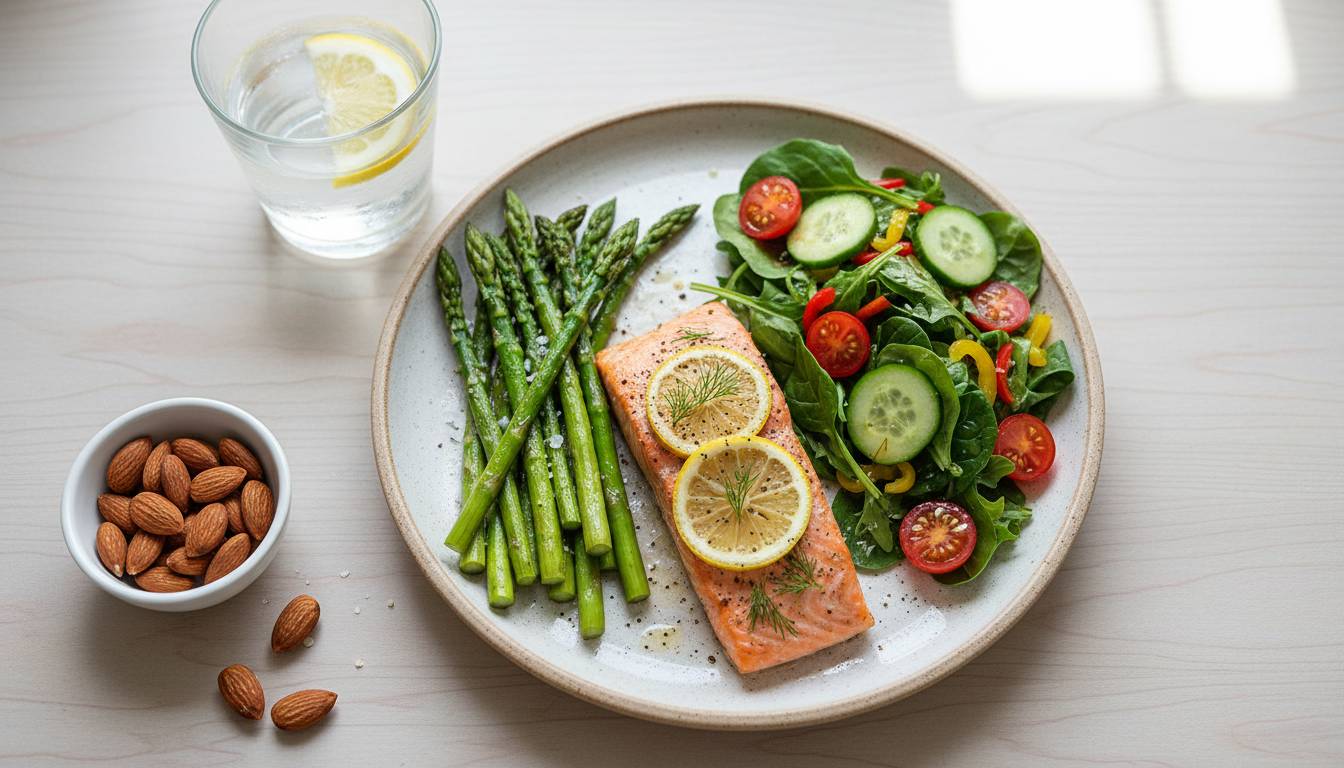
Keep dinners lighter than lunches, focusing on protein with steamed or roasted vegetables. Baked salmon with asparagus, stir-fried tofu with broccoli, or grilled chicken with quinoa work well.
Snacks (100-200 calories each)
Include 1-2 snacks if needed between meals. Raw vegetables with hummus, apple slices with almond butter, or cottage cheese with fruit satisfy hunger without derailing your caloric goals.
Sample Meal Plan: 1,400 Calories Daily
| Day | Breakfast | Lunch | Dinner | Snacks |
|---|---|---|---|---|
| Mon | Greek yogurt + berries + almonds | Grilled chicken salad | Baked salmon + asparagus | Apple + peanut butter |
| Tue | Eggs + spinach + whole wheat toast | Turkey wrap + veggies | Beef stir-fry + cauliflower rice | Carrots + hummus |
| Wed | Overnight oats + protein powder | Quinoa bowl + chickpeas | Grilled cod + roasted vegetables | Cottage cheese |
| Thu | Smoothie + protein + banana | Tuna salad + crackers | Chicken curry + cauliflower | Handful nuts |
| Fri | Omelet + vegetables | Chicken soup + bread | Shrimp tacos + cabbage | Greek yogurt |
| Sat | Protein pancakes + fruit | Salad + grilled chicken | Veggie stir-fry + tofu | Veggies + guacamole |
| Sun | Frittata + fruit | Leftover frittata + salad | Roast chicken + vegetables | Hard-boiled eggs |
Essential Foods for Fat Burning
Not all calories are created equal. Certain foods support weight loss through thermogenesis (increasing calorie burn), satiety (keeping you full), and metabolic support.
Protein Sources
- Chicken breast: 31g protein per 100g, versatile and affordable
- Salmon: 20g protein plus omega-3 fatty acids that reduce inflammation
- Greek yogurt: 10g protein per 100g, contains probiotics for gut health
- Eggs: 6g protein each, excellent for breakfast satiety
- Legumes: 15-20g protein per cup, high in fiber
Vegetables and Fiber
Non-starchy vegetables should fill half your plate. They provide bulk and nutrients with minimal calories. Prioritize leafy greens (spinach, kale, lettuce), cruciferous vegetables (broccoli, cauliflower, Brussels sprouts), and colorful options (bell peppers, tomatoes, carrots).
Healthy Fats
Don’t fear dietary fat—it’s essential for hormone production and nutrient absorption. Include olive oil, avocados, nuts, seeds, and fatty fish in your plan. The key is moderation since fat contains 9 calories per gram versus 4 for protein and carbs.
Common Weight Loss Meal Plan Mistakes
Understanding what NOT to do is equally important as knowing what to eat. These errors silently sabotage progress.
| Mistake | Impact | Solution |
|---|---|---|
| Skipping meals | Slows metabolism, triggers overeating | Maintain consistent meal timing |
| Restricting too severely | Nutrient deficiencies, binge eating | Aim for 300-500 calorie deficit, not more |
| Ignoring protein | Muscle loss, increased hunger | Include protein in every meal |
| Eliminating entire food groups | Sustainability issues, nutritional gaps | Practice moderation, not elimination |
| Not prepping meals | Default to convenience foods | Batch cook on weekends |
| Focusing only on calories | Misses nutritional quality | Prioritize whole, nutrient-dense foods |
A particularly dangerous mistake is following extremely low-calorie diets. While you may see rapid initial weight loss, research consistently shows this approach leads to muscle loss, metabolic slowdown, and eventual weight regain. The metabolic adaptation that occurs can leave you burning fewer calories at rest than before you started—making long-term maintenance nearly impossible.
Expert Insights on Sustainable Meal Planning
Working with nutrition professionals provides personalized guidance, but understanding general expert consensus helps you make informed decisions.
👤 Dr. Stephanie Liu, Family Medicine Physician and Obesity Medicine Specialist
“Patients who succeed with weight loss treat meal planning as a non-negotiable appointment with themselves. They schedule prep time, treat it as essential as any other health commitment, and notice that the mental clarity from eating well improves other areas of life.”
👤 Jillian Michaels, Nutrition and Wellness Expert
“Meal planning isn’t about perfection—it’s about progress. If you can plan 80% of your meals, you’re ahead of 90% of people trying to lose weight. The goal is consistency, not perfection.”
👤 Dr. Austin Chen, Bariatric Physician
“The most overlooked aspect of meal planning is accounting for social events and travel. Build flexibility into your plan rather than having an all-or-nothing mentality. One planned indulgence won’t ruin progress, but complete derailment often follows rigid restrictions.”
Practical Tips for Meal Prep Success
Knowledge without action produces no results. These strategies make meal planning actually work in real life.
Start Small
Begin by planning just three days, then expand. Overhauling your entire eating pattern overnight rarely sticks. Master breakfast and lunch for one week before tackling dinner prep.
Batch Cook Strategically
Sunday meal prep is popular for good reason— dedicating 2-3 hours to cook proteins, grains, and vegetables in bulk saves countless hours during the week. Invest in quality containers and store portions appropriately.
**Embrace Frozen Vegetables
Fresh produce is ideal, but frozen vegetables maintain nutritional value, cost less, and last indefinitely. Keep both on hand for maximum flexibility.
Use Technology Wisely
Apps like MyFitnessPal, Cronometer, or simple spreadsheet templates help track intake. However, obsessing over every gram defeats the purpose. Track initially to build awareness, then transition to intuitive eating within your plan structure.
**Prepare for Eating Out
Review restaurant menus beforehand. Most establishments now offer nutrition information. Decide what you’ll order before arriving to avoid impulse decisions.
Frequently Asked Questions
How fast will I lose weight on a meal plan?
Most healthy weight loss ranges from 1-2 pounds per week. With a well-structured 1,400-1,600 calorie meal plan combined with moderate exercise, expect 4-8 pounds monthly. Faster loss is possible initially (often water weight) but becomes increasingly difficult and potentially unhealthy below recommended calorie thresholds.
Can I customize the meal plan for vegetarian or vegan diets?
Absolutely. Replace animal proteins with legumes, tofu, tempeh, seitan, and dairy or plant-based proteins. Ensure you’re getting complete proteins through combinations like rice and beans, or fortified nutritional yeast for B-vitamins. Plant-based diets can be highly effective for weight loss when properly planned.
What if I get bored with the same meals?
Variety prevents boredom and ensures broader nutrient intake. Rotate through different cuisines (Mediterranean, Asian, Mexican), experiment with new seasonings, and try seasonal produce. Many meal planning apps generate randomized meal suggestions based on your preferences.
Do I need to count calories forever?
Calorie counting serves as an educational tool initially. After 4-6 weeks, most people develop intuitive awareness of portion sizes and meal composition. Many maintain weight loss successfully by returning to the habits learned through structured planning rather than permanent counting.
Can I have cheat meals on my weight loss plan?
Scheduled treats integrated into your plan work better than “cheat meals” that imply moral failure. Designate 1-2 weekly meals for foods outside your typical plan—this approach is psychologically sustainable and prevents feelings of deprivation that lead to binge eating.
How important is meal timing for weight loss?
Consistency matters more than specific timing. Eating at regular intervals helps regulate hunger hormones and metabolism. However, some people find success with time-restricted eating windows (like 12 p.m. to 8 p.m.). Experiment to find what fits your schedule and energy levels, prioritizing overall calorie and nutrient consistency.
Conclusion: Your Action Plan for Lasting Results
A weight loss meal plan transforms abstract goals into daily actions. The structure eliminates decision fatigue, ensures nutritional balance, and creates accountability that pure willpower cannot sustain.
Start with your calculated caloric needs, build a framework using the principles outlined here, and customize based on your preferences and lifestyle. Remember that perfection isn’t the goal—consistent progress is. Begin with three days of planned meals, then expand gradually.
Your body responds to sustained effort, not dramatic extremes. By providing consistent, nutritious fuel through structured meal planning, you set yourself up not just for temporary weight loss, but for lasting transformation of your relationship with food and health.
The journey of a thousand miles begins with a single meal plan. Start today, stay consistent, and trust the process.