Web3 Careers Opportunities | Find Your Dream Blockchain Job

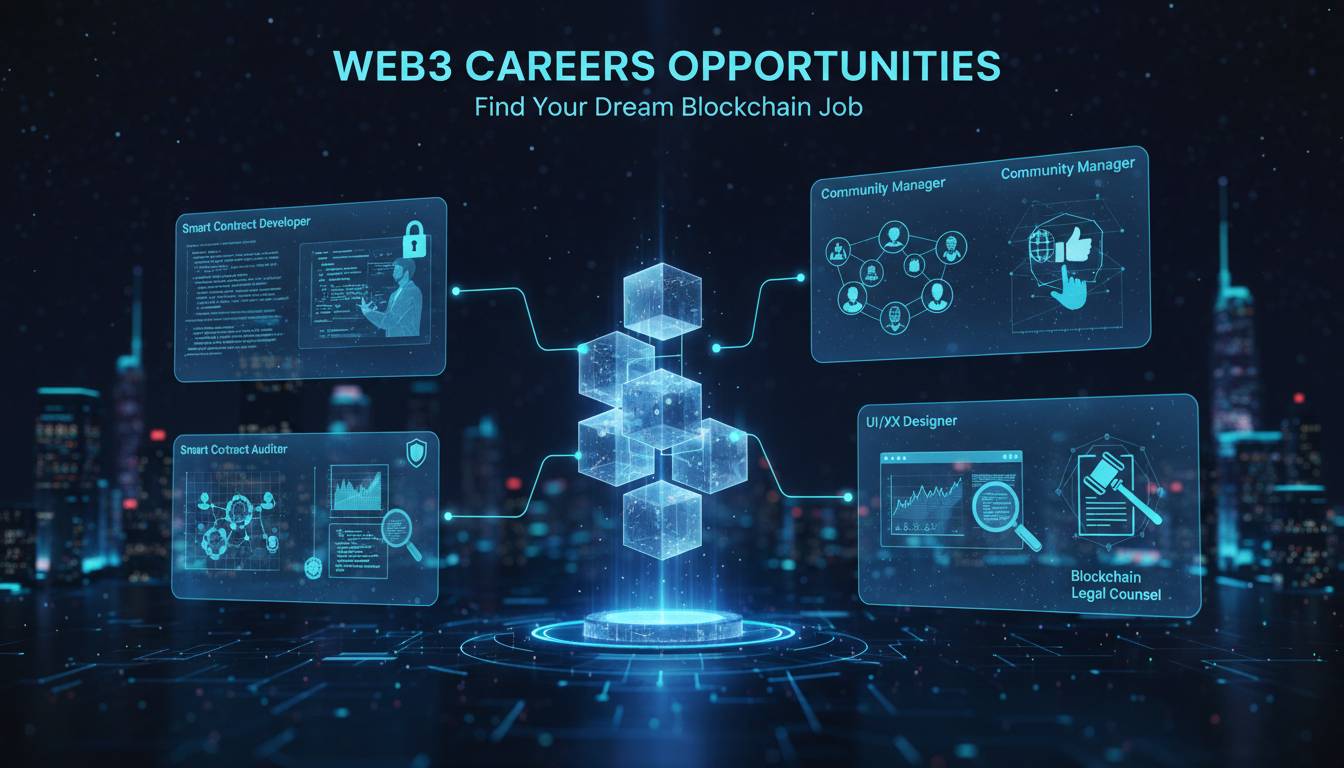
The blockchain industry is experiencing unprecedented growth, creating a wealth of career opportunities for professionals seeking to work at the cutting edge of technology. As companies across finance, gaming, supply chain, and healthcare increasingly adopt decentralized solutions, the demand for skilled Web3 talent has never been higher. Whether you’re a developer, marketer, designer, or business professional, the evolving digital landscape offers multiple pathways into this dynamic sector.
This comprehensive guide explores the full spectrum of Web3 career opportunities, examining in-demand roles, essential skills, salary expectations, and practical strategies for breaking into the blockchain industry. By the end, you’ll have a clear roadmap for navigating the Web3 job market and positioning yourself for success.
Understanding the Web3 Job Market
The Web3 job market represents a fundamental shift in how professionals engage with digital technology. Unlike traditional tech roles, Web3 positions require understanding decentralized architectures, cryptocurrency economics, and community-driven business models. This creates both unique challenges and exceptional opportunities for career growth.
According to industry reports, blockchain-related job postings increased significantly between 2020 and 2024, with major companies including Goldman Sachs, IBM, and Visa actively recruiting blockchain specialists. Startups in the DeFi (Decentralized Finance), NFT, and gaming sectors have also expanded their hiring significantly, though market fluctuations have created some variability in demand.
The distributed nature of Web3 companies means remote work is exceptionally common in this sector. This opens doors for professionals regardless of geographic location, though it also means competing in a global talent pool. Understanding this landscape is crucial for positioning yourself effectively.
Top Web3 Career Paths and Roles
The Web3 ecosystem encompasses diverse roles spanning technical development, creative design, marketing, operations, and governance. Understanding the specific career paths available helps you identify where your skills align best.
Technical Roles
Blockchain Developer remains the most sought-after position in the industry. These professionals build decentralized applications (dApps), smart contracts, and blockchain infrastructure. Solidity (for Ethereum) is the most commonly required programming language, though Rust, Go, and C++ also appear frequently in job listings. Full-stack blockchain developers who understand both front-end user experience and back-end architecture command premium salaries.
Protocol Engineer roles focus on building and optimizing blockchain networks themselves rather than applications built upon them. These positions require deep expertise in consensus mechanisms, network architecture, and cryptography. Protocol engineers often work directly on Layer 1 and Layer 2 solutions that form the foundation of decentralized systems.
Security Engineer has become increasingly critical as the industry matures. These professionals conduct smart contract audits, identify vulnerabilities, and implement security best practices. With billions of dollars at stake in DeFi protocols, security expertise commands significant compensation.
Non-Technical Roles
Product Manager positions bridge technical implementation with user needs. Web3 product managers must understand both the technology and the unique user experience challenges of decentralized applications. Community feedback loops and tokenomics design add complexity not found in traditional product management.
Growth Marketing specialists drive user acquisition for Web3 projects. This role requires understanding crypto-native marketing channels, community management, and token incentive programs. Experience with Twitter/X, Discord communities, and influencer partnerships proves valuable.
Tokenomics Designer is an emerging role focused on creating sustainable economic models for blockchain projects. This position combines financial modeling, game theory, and behavioral economics to design token distributions, staking mechanisms, and reward structures.
Skills Required for Web3 Jobs
Success in Web3 careers demands a combination of technical proficiency, industry knowledge, and adaptability. Understanding which skills matter most helps you prioritize your development efforts effectively.
Technical Skills
Programming fundamentals form the foundation for most technical roles. JavaScript and TypeScript proficiency is essential for front-end dApp development, while Python remains valuable for data analysis and backend development. For smart contract development, Solidity mastery is non-negotiable for Ethereum-focused positions.
Understanding of blockchain fundamentals includes knowledge of consensus mechanisms (Proof of Work, Proof of Stake), cryptographic primitives, and how distributed ledgers function. Resources from the Ethereum Foundation and various blockchain protocols provide free educational materials.
Web3-specific frameworks like Hardhat, Foundry, and Ethers.js have become industry standards. Familiarity with IPFS for decentralized storage and The Graph for data indexing demonstrates advanced capability.
Soft Skills
Self-direction and autonomy matter enormously in Web3 environments. Many projects operate with minimal hierarchy, requiring professionals to take initiative and deliver results independently.
Community engagement ability distinguishes successful Web3 professionals. Understanding how crypto communities function, communicate, and make decisions provides significant advantage.
Rapid learning is essential given the industry’s fast evolution. New protocols, standards, and technologies emerge constantly, making adaptability more valuable than memorizing specific tools.
How to Land a Web3 Job
Breaking into Web3 requires strategic approach combining skill development, network building, and visibility within crypto communities. The following strategies have proven effective for many professionals entering the space.
Build Your Portfolio
Contributing to open-source projects demonstrates practical capability to potential employers. The Ethereum ecosystem includes numerous projects seeking volunteer contributors. Gitcoin issues board lists bug bounties and feature development opportunities where you can gain real-world experience.
Creating your own projects provides tangible evidence of your abilities. Building a simple dApp, deploying testnet smart contracts, or even writing technical tutorials showcases initiative and competence. Document your work through GitHub repositories and personal blogs.
Network Within Communities
Discord servers, Twitter/X spaces, and local crypto meetups offer networking opportunities. Engaging genuinely in discussions, helping others, and sharing knowledge builds relationships more effectively than simply promoting yourself.
Attending Web3 conferences, whether in-person events like ETHDenver or virtual gatherings, provides direct access to hiring managers and team members. Many positions are filled through referrals before ever reaching job boards.
Leverage Job Platforms
Specialized job boards have emerged specifically for Web3 positions. platforms like Web3.career, CryptoJobs, and Remote3 aggregate postings from projects and companies. LinkedIn also lists increasing numbers of blockchain positions from traditional employers entering the space.
Company career pages of prominent protocols, exchanges, and Web3 infrastructure providers often list openings before they appear elsewhere. Researching organizations you admire and monitoring their hiring needs creates advantage.
Web3 Salary Expectations
Compensation in Web3 varies dramatically based on role, experience level, location, and whether positions involve token-based compensation. Understanding the landscape helps set realistic expectations.
Technical Role Salaries
Junior blockchain developers in the United States typically earn between $80,000 and $120,000 annually in base salary, with additional compensation in company tokens potentially adding significant value. Mid-level developers command $120,000 to $180,000, while senior and protocol-level engineers frequently earn $180,000 to $400,000 or more, particularly at well-funded projects.
Remote positions often pay according to US market rates regardless of employee location, though some companies adjust based on cost-of-living considerations. This creates substantial earning potential for professionals in lower-cost regions.
Non-Technical Role Salaries
Marketing, operations, and business roles in Web3 generally pay 20-40% less than technical positions at the same experience level. Product managers might earn $100,000 to $180,000, while marketing specialists typically see $70,000 to $140,000. Leadership positions including heads of growth or operations can exceed $200,000.
Token Compensation
Many Web3 companies provide compensation partly in their native tokens. This creates potential upside but also introduces significant volatility risk. Understanding how to evaluate token packages, including vesting schedules and lock-up periods, is crucial for overall compensation assessment.
Future of Web3 Careers
The trajectory of Web3 employment points toward continued growth alongside increasing professionalization. Several trends are shaping how careers in this space will evolve.
Institutional Adoption
Major financial institutions have begun blockchain initiatives, with JPMorgan, PayPal, and Fidelity among those developing internal capabilities. This institutional adoption creates new categories of employment outside pure crypto-native companies. These roles often offer more stable compensation while still leveraging Web3 technology.
Regulatory Clarity
Evolving regulatory frameworks in the United States and globally will likely create new compliance and legal roles within Web3 organizations. As the industry matures, traditional business functions including legal, HR, and finance will expand within crypto companies.
Specialized Skills Demand
Specific technical specializations are emerging as the industry segments. Zero-knowledge proof expertise, cross-chain bridge development, and decentralized identity are areas where demand currently outstrips available talent. Professionals positioning themselves in these niches may find exceptional opportunity.
Challenges in Web3 Employment
While opportunities abound, honest assessment of challenges helps professionals navigate this space successfully. Understanding potential difficulties enables better preparation and realistic expectations.
Market Volatility
The cryptocurrency market experiences significant price swings that affect project funding and hiring. Professionals should maintain financial resilience and potentially retain connections to traditional industries during downturns.
Scams and Bad Actors
The lack of regulation attracts fraudulent projects. Vetting potential employers carefully, understanding token economics before accepting compensation, and working through reputable platforms reduces exposure to scams.
Rapid Change
Technology evolution requires continuous learning. Skills relevant today may become obsolete within years. Maintaining adaptability and learning agility helps future-proof your career regardless of specific technology shifts.
Frequently Asked Questions
What is the best way to start a career in Web3 with no prior experience?
Begin by learning fundamental blockchain concepts through free resources like the Ethereum documentation or cryptocurrency courses on platforms such as Coursera. Build practical skills by creating small projects and contributing to open-source repositories. Engage with Web3 communities on Discord and Twitter to network and understand the industry. Start with freelance work or internships at smaller projects to gain experience before targeting larger companies.
Do I need to know programming to work in Web3?
No, numerous Web3 roles don’t require programming expertise. Growth marketing, community management, content creation, product design, and operations positions actively seek non-technical professionals. Understanding basic technology concepts helps, but you can enter Web3 through various pathways beyond development.
Are Web3 jobs mostly remote?
Yes, remote work is extremely common in the Web3 industry. Most companies operate distributed teams across multiple countries. This provides flexibility but also means you’ll compete globally for positions. Some companies maintain hybrid or office-based arrangements, particularly in hubs like New York, San Francisco, or Singapore.
How do I evaluate Web3 job offers that include token compensation?
Research the project’s token economics including total supply, distribution, vesting schedules, and current market price. Consider the project’s fundamentals, team credibility, and long-term viability. Token compensation often represents significant value but carries substantial risk due to volatility. Calculate the value at current prices but recognize it could fluctuate dramatically.
What industries hire Web3 professionals beyond cryptocurrency companies?
Finance (DeFi applications), gaming (blockchain-based games and NFTs), supply chain (tracking and verification), healthcare (data management), real estate (tokenization), and identity management (decentralized credentials) all incorporate Web3 technology. Traditional companies in these sectors increasingly hire blockchain specialists alongside crypto-native organizations.
Is Web3 a stable career choice compared to traditional tech?
Web3 offers high growth potential but greater volatility than traditional tech careers. Market downturns can significantly impact hiring, while booms create exceptional opportunity. Many professionals maintain Web3 careers successfully by building diverse skill sets, maintaining financial buffers, and staying adaptable to market shifts.
Conclusion
Web3 careers represent a compelling opportunity for professionals seeking to work with transformative technology. The industry offers diverse roles spanning technical development, creative work, and business functions, creating entry points for various backgrounds and skill sets. While challenges including market volatility and rapid change exist, the growth trajectory of blockchain adoption suggests continued opportunity.
Success in Web3 requires deliberate action: develop relevant skills through practical projects, build relationships within crypto communities, and maintain adaptability as the industry evolves. Whether you enter as a developer, marketer, or operations professional, the Web3 ecosystem rewards those who combine expertise with genuine interest in decentralized technology’s potential.
The dream blockchain job awaits those willing to invest the effort in learning, networking, and demonstrating capability. Start building your Web3 career today by identifying the role that matches your skills and interests, then take consistent action toward that goal.