Web Development Trends: What Every Developer Should Know

The web development landscape evolves at a relentless pace. What constituted cutting-edge practice two years ago now qualifies as legacy thinking. For developers aiming to stay competitive in 2024 and beyond, understanding emerging technologies, architectural shifts, and evolving best practices isn’t optional—it’s essential for career sustainability. This comprehensive guide examines the most significant web development trends reshaping the industry, providing actionable insights for developers at every experience level.
The Rise of AI-Powered Development Tools
Artificial intelligence has transitioned from experimental novelty to practical development utility. GitHub Copilot, launched in 2021 and now integrated into Visual Studio Code and other popular IDEs, generates code completions based on context and millions of public repositories. Studies from Microsoft research indicate developers using AI assistants complete tasks 55% faster on average, though this varies significantly by task complexity and developer experience.
The impact extends beyond simple code completion. AI-powered tools now assist with debugging, automatically identifying potential bugs before they cause production issues. They generate unit tests, document existing codebases, and refactor legacy systems into more maintainable structures. Tools like Cursor and Amazon CodeWhisperer offer increasingly sophisticated capabilities including natural language-to-code conversion and context-aware suggestions.
However, AI assistance requires developer oversight. Generated code occasionally contains security vulnerabilities or logical errors that require human verification. The most effective approach treats AI as an intelligent collaborator rather than a replacement for fundamental programming knowledge. Developers who understand underlying principles can effectively review, refine, and optimize AI-generated solutions—those lacking this foundation risk incorporating flawed code without recognition.
Serverless and Edge Computing Reshaping Architecture
Traditional server management demands significant organizational resources. Serverless computing eliminates server provisioning and maintenance concerns, allowing developers to focus purely on application logic. AWS Lambda, Google Cloud Functions, and Azure Functions enable automatic scaling and pay-per-invocation pricing models that prove particularly cost-effective for variable workloads.
Edge computing extends this philosophy further by processing data closer to end users. Rather than routing all requests to centralized data centers, edge functions execute on content delivery networks distributed globally. This architecture dramatically reduces latency—critical for real-time applications, IoT systems, and global user bases. Cloudflare Workers and Vercel Edge Functions exemplify this approach, offering sub-millisecond response times for appropriate workloads.
The architectural implications warrant careful consideration. Serverless functions suit event-driven workflows, API backends, and asynchronous processing. They prove less ideal for applications requiring persistent connections or consistent state. Effective serverless implementations often combine multiple services: database functions for persistent storage, queue systems for background processing, and CDN infrastructure for static asset delivery. This modular approach requires developers to think differently about application composition and state management.
TypeScript Adoption and the TypeScript Ecosystem
TypeScript has fundamentally transformed modern JavaScript development. Originally released in 2012, TypeScript gained gradual adoption before reaching critical mass around 2019. Today, surveys indicate over 80% of developers use or express interest in TypeScript, making it arguably the most significant JavaScript superset in the language’s history.
The benefits extend beyond type safety. TypeScript’s intelligent autocomplete significantly accelerates development velocity, particularly in large codebases where understanding component relationships becomes challenging. Compile-time error detection catches issues before runtime, reducing debugging time and production incidents. The language’s integration with modern frameworks—React, Vue, Angular, and Svelte—all support TypeScript natively or as recommended configuration.
The ecosystem continues maturing.工具 like Zod and Yup provide runtime validation for data parsing, addressing TypeScript’s limitation in validating external data. tRPC enables end-to-end type safety between frontend and backend, eliminating an entire category of integration bugs. New frameworks like Remix and Astro embrace TypeScript as a first-class citizen, recognizing its importance in professional development workflows.
Developers transitioning from JavaScript should invest time in understanding TypeScript’s type system deeply. Basic type annotations provide minimal benefit beyond what JSDoc comments offer. Advanced features—generics, conditional types, mapped types, and template literal types—unlock TypeScript’s true power for creating expressive, self-documenting codebases.
Progressive Web Apps and Mobile-First Experiences
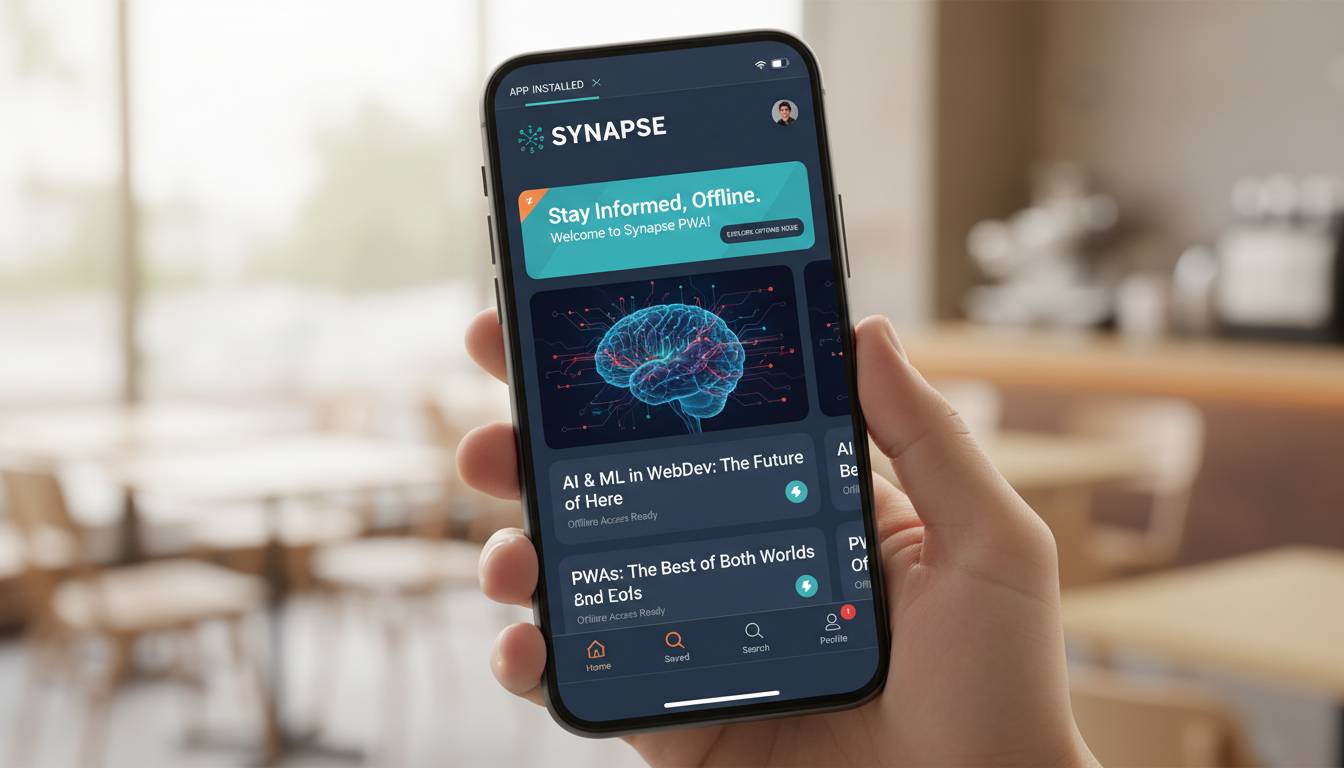
Progressive Web Apps have evolved from experimental technology to mainstream capability. PWAs combine the reach of websites with native app features: offline functionality, push notifications, home screen installation, and hardware access previously reserved for native applications. Major companies including Twitter, Pinterest, and Starbucks report significant engagement improvements after PWA implementation.
The technology has matured considerably. Service Workers, the foundation enabling offline functionality, now enjoy broad browser support with reliable caching strategies. Background Sync allows deferred actions to complete when connectivity returns, ensuring user actions aren’t lost during network interruptions. Web App Manifests enable sophisticated installation experiences including custom icons, splash screens, and display mode configuration.
Mobile-first design has become non-negotiable. Google’s indexing prioritizes mobile versions of websites, making mobile optimization essential for visibility. This extends beyond responsive layouts to encompass touch-friendly interactions, optimized asset delivery, and performance characteristics specific to mobile networks and devices. Core Web Vitals—Largest Contentful Paint, First Input Delay, and Cumulative Layout Shift—directly influence search rankings, placing performance optimization firmly within developer responsibility.
The line between web and native applications continues blurring. Project Fugu, a collaboration between browser vendors and Microsoft, Google, and others, systematically adds powerful capabilities to the web platform: file system access, Bluetooth connectivity, enhanced camera controls, and background processing. These additions enable web applications approaching native functionality while maintaining cross-platform deployment simplicity.
WebAssembly and High-Performance Web Applications
WebAssembly (Wasm) enables high-performance code execution in browsers. Originally designed for C++ and Rust compilation, WebAssembly now supports numerous languages including Go, Python, and C#. The binary format executes near-native speed, unlocking possibilities previously impossible in JavaScript environments.
Practical applications span several domains. Video editing, 3D rendering, and image processing benefit enormously from WebAssembly performance. Figma, the collaborative design tool, leverages WebAssembly to deliver desktop-class functionality within browsers. Video games and complex simulations similarly exploit Wasm capabilities, enabling experiences previously requiring native applications.
The technology’s role expands beyond performance. Several frameworks position WebAssembly as an application runtime. Fermyon Spin and Extism enable building micro-applications using WebAssembly as a secure, sandboxed execution environment. This approach offers intriguing possibilities for plugin architectures and multi-tenant systems where isolation guarantees matter.
Integration with JavaScript remains straightforward. WebAssembly modules load alongside JavaScript, calling into Wasm functions for performance-critical sections while leveraging existing JavaScript ecosystems for UI and application logic. Developers needn’t choose between approaches—hybrid architectures combining both technologies often deliver optimal results.
The Evolution of CSS and Modern Styling Approaches
CSS has undergone remarkable transformation. Flexbox and Grid, now universally supported, solve layout challenges that previously required complex float-based approaches or framework-specific solutions. Container queries, finally reaching browser support in 2024, enable responsive components that adapt based on their container’s size rather than viewport dimensions—fundamentally changing component-based design architecture.
CSS variables (custom properties) enable dynamic theming and design system implementation without preprocessor dependencies. The :has() selector, often called the parent selector, eliminates JavaScript workarounds for previously impossible styling based on child element state. Nesting support directly in CSS reduces the mental translation required when writing nested selectors.
Tailwind CSS has fundamentally altered the styling landscape. The utility-first approach, offering classes like “flex,” “p-4,” and “text-center” rather than traditional semantic classes, generates significant discussion within the community. Proponents cite consistency, development speed, and reduced CSS bundle sizes. Critics raise concerns about HTML clutter and learning curve. Regardless of position, developers encounter Tailwind extensively in job requirements and existing codebases, making familiarity valuable.
Motion and animation receive increasing attention. CSS transitions and animations enable sophisticated micro-interactions without JavaScript overhead. Libraries like Framer Motion (React) and Motion One provide declarative animation APIs combining ease-of-use with performance optimization. Smooth user experiences increasingly differentiate professional applications from amateur efforts.
API-First Development and Headless Architectures
The traditional monolith—coupled frontend and backend sharing database and application logic—gives way to distributed architectures. API-first development treats the application programming interface as the primary product, designed explicitly for consumption by multiple clients: web applications, mobile apps, third-party integrations, and future unknown consumers.
Headless architectures separate content management from presentation. Headless CMS platforms like Contentful, Sanity, and Strapi deliver content via API rather than rendering HTML. This approach enables consistent content delivery across websites, mobile applications, and emerging platforms without content duplication. It also decouples content decisions from technical implementation, allowing marketing teams to work independently from development cycles.
GraphQL has matured as the dominant API query language for many applications. Unlike REST’s fixed endpoint structures, GraphQL enables clients to request exactly the data needed—no more, no less. This flexibility reduces over-fetching and under-fetching, particularly valuable for mobile applications where network efficiency matters significantly. The type system provides automatic API documentation and enables powerful development tooling.
However, REST remains appropriate for many scenarios. Simple CRUD operations, public APIs requiring straightforward caching, and teams lacking GraphQL expertise may find REST more practical. The choice depends on specific requirements rather than trend-following. Some organizations successfully employ both—REST for external partners, GraphQL for internal single-page applications.
Frequently Asked Questions
Which web development framework should I learn in 2024?
React remains the most in-demand framework, but the “best” choice depends on your goals. Vue offers excellent documentation and gentler learning curve for beginners. Svelte provides exceptional performance and increasingly practical job market presence. Angular suits enterprise applications requiring strict structure. Consider local job markets, personal project goals, and team preferences when choosing.
Is web development still a good career choice?
Yes. Demand for web developers continues growing, with the Bureau of Labor Statistics projecting 13% growth through 2030—faster than average. Salary potential remains strong, with remote work options expanding opportunities beyond geographic constraints. However, competition increased, making continuous skill development essential for career advancement.
How important is mobile development for web developers?
Essential. Mobile traffic often exceeds desktop in many sectors. Responsive design, performance optimization for mobile networks, and PWA capabilities directly impact user acquisition and retention. Understanding mobile constraints and opportunities differentiates professional developers from amateurs.
Should I learn Web3 and blockchain development?
Blockchain skills offer specialized opportunities but remain niche compared to traditional web development. Evaluate interest and local demand before investing significant time. The underlying concepts—distributed systems, cryptographic verification, token economics—may prove more broadly applicable than specific blockchain frameworks.
What’s the best approach to learning new web technologies?
Build projects. Theoretical understanding rarely translates to practical capability without hands-on experience. Contribute to open source, create portfolio pieces demonstrating new technologies, and teach others through blog posts or tutorials. Focus on fundamental concepts underlying specific tools—they transfer when technologies inevitably evolve.
Conclusion
Web development in 2024 demands adaptability, continuous learning, and strategic technology selection. The trends examined—AI assistance, serverless architectures, TypeScript adoption, progressive web apps, WebAssembly, modern CSS, and API-first development—represent shifts fundamentally reshaping how developers create and deploy web applications.
Success requires balancing emerging technology enthusiasm with practical judgment. Not every trend warrants immediate adoption; some prove transient while others become industry standards. The most valuable developer skill isn’t memorizing framework APIs but understanding architectural principles that transfer across technology generations.
Invest in fundamentals: data structures, algorithms, system design, and computer networking. Build projects that solve actual problems. Contribute to communities and learn from collaboration. The specific technologies will continue evolving—what distinguishes successful developers is their ability to learn, adapt, and deliver value regardless of the current toolset.
The web platform’s capabilities expand continuously. Challenges increase alongside opportunities. Developers who embrace continuous learning, maintain coding fundamentals while adapting to new paradigms, and focus on delivering excellent user experiences will find abundant opportunity in the years ahead.