Top NFT Gaming Platforms – Play & Earn Real Crypto Rewards

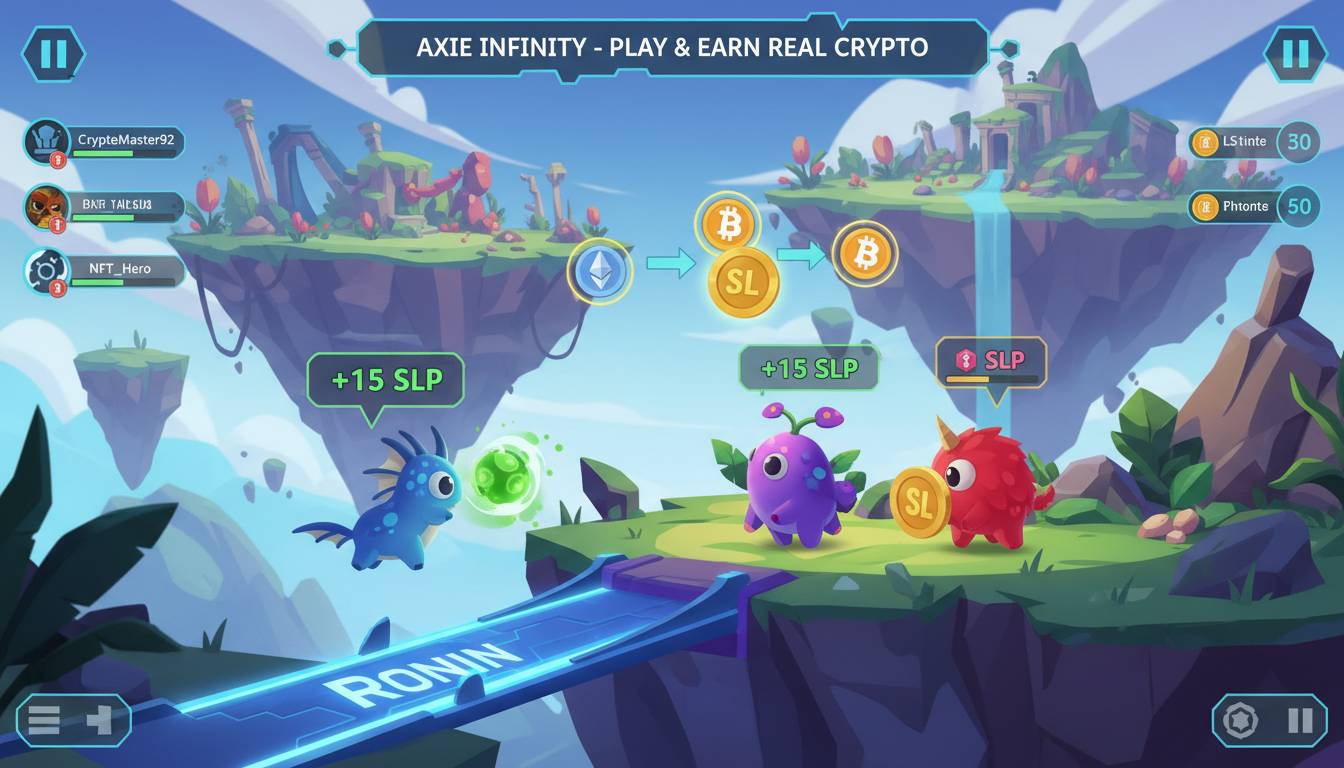
The intersection of blockchain technology and gaming has created an entirely new category of entertainment where players can actually own their in-game assets and earn real value through gameplay. NFT gaming platforms have exploded in popularity, offering everything from collectible card games to immersive virtual worlds where players can trade, sell, and profit from their gaming achievements. If you’re curious about entering this space or wondering which platforms are worth your time, this comprehensive guide breaks down everything you need to know about the leading NFT gaming platforms available today.
What Are NFT Gaming Platforms?
NFT gaming platforms are blockchain-based games that integrate non-fungible tokens (NFTs) as in-game assets. Unlike traditional games where items and characters belong to the game developer, NFT games give players true ownership of their virtual possessions. These digital assets exist on a blockchain, meaning they can be freely traded, sold, or transferred outside the game’s ecosystem.
The play-to-earn model has become the defining characteristic of NFT gaming. Instead of spending money on games and receiving nothing in return, players can earn cryptocurrency or valuable NFT assets by completing tasks, winning battles, achieving milestones, or simply participating in the game economy. This fundamental shift has attracted millions of players worldwide, particularly in regions where traditional employment opportunities are limited.
The technology behind these platforms varies. Most NFT games operate on Ethereum, but alternatives like Polygon, Binance Smart Chain, and Solana have gained significant traction due to lower transaction fees and faster processing times. Understanding which blockchain a game uses matters because it affects both your potential earnings and the costs of buying, selling, or trading in-game assets.
Axie Infinity – The Pioneer of Play-to-Earn Gaming
Axie Infinity remains the most recognizable name in the NFT gaming space, having popularized the play-to-earn model and inspired countless competitors. Developed by Sky Mavis, this game allows players to collect, breed, and battle fantasy creatures called Axies. Each Axie is an NFT with unique attributes, strengths, and weaknesses that affect performance in battles.
The game operates on the Ronin blockchain, which was specifically created to address Ethereum’s high gas fees. This technical decision made Axie Infinity accessible to a much broader audience who couldn’t afford the transaction costs on the main Ethereum network. Players earn Smooth Love Potion (SLP) tokens by winning battles and completing daily quests, which can then be sold on cryptocurrency exchanges for real money.
Axie Infinity’s economic model has drawn both praise and criticism. Early players who invested in teams of Axies when prices were lower have reported significant returns, but the barrier to entry has risen substantially. Quality Axies with desirable traits can cost hundreds or even thousands of dollars, creating a substantial upfront investment that contradicts the game’s accessibility goals. The marketplace allows players to trade their Axies, and some rare specimens have sold for tens of thousands of dollars.
The game continues to evolve, with the Infinity mechanism introducing land-based gameplay and additional ways to earn rewards. Sky Mavis has also implemented various scholarship programs where established players “lend” their Axie teams to new players, who then share their earnings with the scholarship provider. This system has helped reduce the entry barrier while creating sustainable income opportunities for experienced players.
The Sandbox – User-Generated Virtual Worlds
The Sandbox represents a different approach to NFT gaming, focusing on user-generated content and virtual real estate rather than combat or competition. Built on the Ethereum blockchain, this platform allows players to create, own, and monetize their gaming experiences within a vast virtual universe. The concept draws inspiration from games like Minecraft but adds blockchain ownership and monetization capabilities that traditional games cannot match.
The platform operates on a three-token system. SAND serves as the primary utility token used for all in-platform transactions, governance, and staking. LAND represents digital real estate parcels that users can develop and monetize, while ASSETS are the user-created items and experiences that populate the virtual world. This sophisticated economic structure has attracted major brands including Atari, Deadmau5, and The Walking Dead to establish virtual presences within The Sandbox.
Land ownership in The Sandbox has become a significant investment opportunity. Early adopters who purchased LAND when the platform launched have seen substantial appreciation as the platform has grown and attracted mainstream attention. Several LAND parcels have sold for hundreds of thousands of dollars, though it’s worth noting that such sales represent the high end of the market and most parcels remain significantly cheaper.
The creation tools within The Sandbox allow users with no coding experience to design games, interactive experiences, and virtual spaces. This democratization of game development has resulted in an impressive variety of experiences within the platform, from simple obstacle courses to complex narrative adventures. Creators retain ownership of what they build and can monetize their creations through various mechanisms built into the platform.
Decentraland – Virtual Reality and Digital Ownership
Decentraland competes directly with The Sandbox in the virtual world NFT gaming space, offering a similarly comprehensive platform for user-generated experiences and digital real estate. Built on the Ethereum blockchain, Decentraland features a fully decentralized virtual world where users can explore, interact, and participate in various activities while owning their virtual assets through NFT technology.
The platform’s MANA token serves as the primary currency for all transactions, from purchasing LAND parcels to acquiring wearables, names, and other in-platform items. The marketplace enables peer-to-peer trading of all NFT assets, with the platform taking a small percentage of each transaction as revenue. This sustainable economic model has allowed Decentraland to continue developing and improving the platform since its launch.
One of Decentraland’s distinguishing features is its focus on social experiences and events. The platform regularly hosts virtual concerts, art exhibitions, conferences, and other gatherings that attract thousands of concurrent participants. These events have featured performances from major artists and appearances from well-known brands, demonstrating the potential for virtual worlds to serve as legitimate venues for entertainment and commerce.
LAND in Decentraland functions similarly to The Sandbox, with owners able to develop their parcels and create experiences for other users to enjoy. The platform provides a builder tool that allows anyone with interest and creativity to create interactive experiences without programming knowledge. Some LAND owners have developed profitable attractions, casinos, virtual museums, and other entertainment venues that generate consistent visitor traffic and revenue.
The wearables system in Decentraland has also developed a vibrant secondary market. These NFT items allow users to customize their avatars with unique clothing, accessories, and appearance options. Some limited edition wearables have sold for significant sums, particularly those associated with special events or collaborations with popular brands and artists.
Gods Unchained – Competitive Trading Card Gaming
Gods Unchained offers a more traditional gaming experience while still incorporating NFT technology and play-to-earn mechanics. This free-to-play trading card game draws obvious inspiration from titles like Hearthstone and Magic: The Gathering, but adds blockchain ownership that gives players true property rights over their card collections. Players who invest in quality decks can earn cryptocurrency by competing in ranked matches and tournaments.
The game uses the Immutable X platform for its blockchain operations, which provides the significant advantage of zero gas fees for all NFT transactions. This technical choice addresses one of the major pain points of blockchain gaming, where transaction costs can sometimes exceed the value of the assets being traded. Players can freely trade, sell, or transfer their cards without worrying about prohibitive fees eating into their profits.
The card system in Gods Unchained includes both free and purchasable cards. Players can earn packs through gameplay, but the most powerful and rare cards typically require direct purchase or investment in the marketplace. The card quality system ranges from common to legendary, with rarer cards commanding higher prices based on their utility in competitive decks and their scarcity.
The competitive scene around Gods Unchained has developed significantly since the game’s launch. Regular tournaments offer substantial prize pools in both crypto and fiat currency, attracting skilled players who can monetize their gaming abilities. The professional infrastructure around the game includes teams, sponsors, and dedicated content creators who produce strategy content and tournament coverage.
The flux system adds another dimension to the economy by allowing players to convert duplicate cards into flux, which can then be used to upgrade card qualities. This mechanic helps reduce waste in the economy while giving players more control over building their ideal decks. The combination of competitive gameplay, card collection, and trading has created a sustainable ecosystem that appeals to both traditional gaming enthusiasts and blockchain gaming fans.
Illuvium – AAA-Quality Open World Adventure
Illuvium has positioned itself as the premium option in NFT gaming, promising production values and gameplay experiences that rival traditional video games. This open-world adventure game features stunning graphics, engaging combat, and a vast universe to explore. The development team has been transparent about aiming for the kind of polish and depth that would make Illuvium competitive in the mainstream gaming market, regardless of its blockchain elements.
The game centers around creatures called Illuvials that players can capture, train, and battle. These creatures range from common to legendary, with the rarer specimens offering significant advantages in combat. The parallel system allows players to capture and collect multiple versions of the same Illuvial, which can then be fused to create more powerful versions. This mechanic creates long-term progression goals and adds depth to the collection aspect of the game.
Illuvium operates on the Ethereum blockchain and uses the ILV token as its primary currency and governance token. Players can earn ILV through various activities including completing quests, participating in battles, and providing liquidity to the platform’s decentralized exchange. The token also provides holders with a share of platform fees, creating passive income opportunities for investors who hold ILV but may not actively play the game.
The Illuvium team has implemented several quality-of-life features that address common complaints about blockchain gaming. The zero-gas fee system eliminates transaction cost concerns, while the intuitive interface makes the game accessible to newcomers who may be intimidated by more complex blockchain platforms. The emphasis on gameplay first, with blockchain elements enhancing rather than dominating the experience, has attracted players who might otherwise dismiss NFT gaming as a gimmick.
How to Get Started with NFT Gaming
Entering the world of NFT gaming requires several steps that new players often find overwhelming. The first requirement is setting up a cryptocurrency wallet that will store your digital assets and enable transactions. MetaMask remains the most popular choice due to its browser extensions and mobile apps, but other options like Coinbase Wallet and Trust Wallet offer similar functionality with different user experiences.
After creating a wallet, you need to fund it with the appropriate cryptocurrency for your chosen platform. Most NFT games require ETH for transactions on Ethereum-based platforms, though some have introduced their own tokens that you’ll need to acquire. Purchasing crypto typically requires using an exchange like Coinbase, Binance, or Kraken, where you can convert fiat currency into digital assets that can then be transferred to your gaming wallet.
The final step before playing involves connecting your wallet to the game platform and making any necessary purchases to get started. Many games offer free-to-play options that allow you to experience the gameplay before investing money, though the earning potential in these free tiers is usually limited. Understanding the minimum investment required to become competitive in each game helps you set appropriate expectations and budget accordingly.
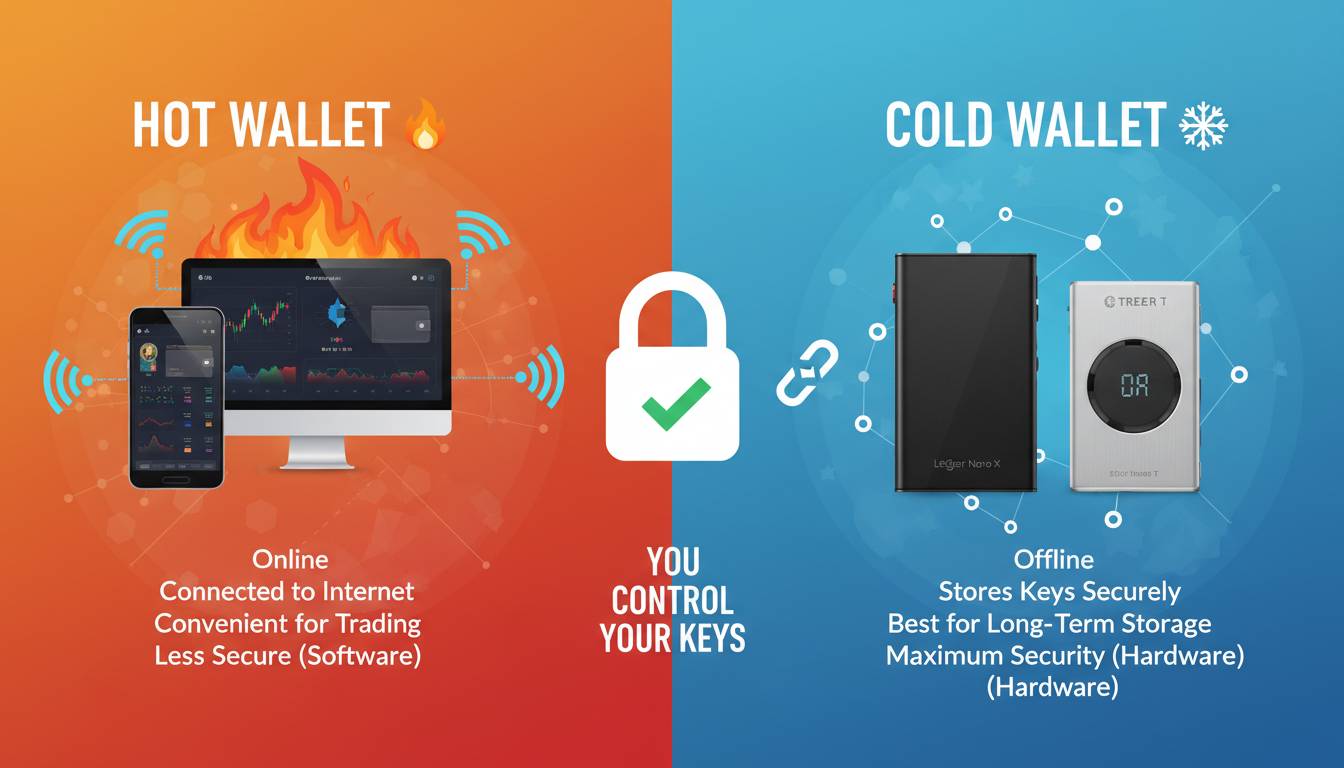
Security deserves serious consideration in the NFT gaming space. Scams are unfortunately common, with fake games, phishing sites, and fraudulent marketplaces attempting to steal user assets. Always verify that you’re using official website links, never share your wallet seed phrase with anyone, and consider using hardware wallets for storing significant assets. The irreversible nature of blockchain transactions means that mistakes can result in permanent loss of your funds.
Risks and Considerations
The NFT gaming space carries substantial risks that prospective players need to understand before investing time or money. The volatile nature of cryptocurrency means that earnings can fluctuate dramatically based on market conditions. Tokens that seem valuable today might lose significant value tomorrow, and games that appear promising might fail to attract enough players to sustain their economies.
Regulatory uncertainty surrounds the entire cryptocurrency and NFT industry. Governments around the world are still determining how to tax, regulate, or restrict blockchain-based activities, and future regulations could impact your ability to trade, sell, or transfer gaming assets. The lack of consumer protections in the crypto space means that if a platform fails or is hacked, you may have no recourse for recovering your losses.
The environmental concerns associated with blockchain technology, particularly proof-of-work systems like Ethereum, have drawn criticism from environmentally-conscious gamers. While many platforms have transitioned to more energy-efficient consensus mechanisms, the broader debate about blockchain sustainability continues. Players who prioritize environmental responsibility may want to research which platforms use greener technologies.
Gaming addiction represents another serious consideration. The play-to-earn model is specifically designed to create addictive loops, and the financial stakes can intensify problematic gaming behaviors. Setting clear limits on time and money invested, taking regular breaks, and maintaining perspective on the entertainment value versus financial investment is essential for healthy participation in NFT gaming.
Frequently Asked Questions
Are NFT gaming platforms legal in the United States?
NFT gaming platforms operate in a legal gray area in the United States. The Securities and Exchange Commission (SEC) has shown interest in how certain token offerings might constitute securities, and some play-to-earn games have faced regulatory scrutiny. Players should consult with legal professionals if they have specific concerns, but generally, playing NFT games is not illegal. Tax implications definitely apply—gaming earnings are typically considered taxable income by the IRS.
How much money can you realistically earn playing NFT games?
Earnings vary dramatically depending on the game, your skill level, the time you invest, and market conditions. Some players report earning modest supplemental income, while others have generated significant profits. However, the majority of players earn relatively little, and many lose money after accounting for their initial investment in gaming assets. Approach NFT gaming as entertainment first, with any potential earnings as a secondary benefit.
Do you need technical knowledge to start playing NFT games?
Basic technical literacy is necessary, including understanding how to set up a crypto wallet and navigate blockchain transactions. However, the user experience of major NFT gaming platforms has improved significantly, and many tasks that previously required technical knowledge are now streamlined. Most platforms provide tutorials and support resources for newcomers.
What happens to my NFT assets if a game shuts down?
If an NFT gaming platform shuts down, your in-game assets may become worthless depending on how the game was structured. Unlike traditional games where servers simply go offline, blockchain games theoretically allow you to retain ownership of your NFTs even if the game itself is discontinued. However, if there’s no marketplace or game to use them in, the practical value drops to zero. This is an inherent risk of the technology.
Which NFT gaming platform is best for beginners?
The Sandbox and Decentraland offer relatively accessible entry points for beginners interested in virtual worlds and social experiences. Axie Infinity provides a more gamified experience but requires significant upfront investment. Gods Unchained is ideal for fans of trading card games. Consider what type of gameplay interests you most and research the minimum investment required before committing funds.
Conclusion
NFT gaming platforms represent a fundamental shift in how we think about gaming, ownership, and value creation in digital spaces. The leading platforms like Axie Infinity, The Sandbox, Decentraland, Gods Unchained, and Illuvium each offer unique approaches to the play-to-earn model, catering to different interests and investment levels. The technology continues to evolve rapidly, with improvements in blockchain scalability and user experience making these games increasingly accessible to mainstream audiences.
Before diving in, carefully assess your financial situation, risk tolerance, and gaming interests. The potential to earn real value exists, but so do significant risks including asset volatility, regulatory uncertainty, and the possibility that any given platform might fail. Start with games that offer free-to-play options to gain experience before committing substantial funds. Stay security-conscious, keep your expectations realistic, and remember that the primary value of these platforms should be the entertainment they provide.