Top Crypto Trading Platforms – Secure, Fast & Low Fees


The cryptocurrency market has transformed from a niche experiment into a $2.3 trillion global industry, with over 420 million users worldwide trading digital assets across hundreds of platforms. Choosing the right crypto trading platform has become one of the most consequential financial decisions for modern investors—and the wrong choice can mean the difference between profitable trades and catastrophic losses.
Quick Answer: The best crypto trading platforms for US users combine regulatory compliance, robust security, competitive fees, and diverse asset selection. Coinbase leads in accessibility and regulatory trust, Binance offers the lowest fees and widest asset selection, Kraken excels in security and advanced trading features, and Gemini provides strong institutional-grade security. Your choice depends on your experience level, trading volume, and priorities between ease of use versus advanced features.
Understanding Crypto Trading Platforms in 2024
The US cryptocurrency exchange landscape has evolved dramatically since the 2022 market corrections and subsequent regulatory scrutiny. The Securities and Exchange Commission (SEC) intensified oversight, leading to landmark cases against major exchanges and forcing platforms to strengthen compliance measures. This regulatory pressure, while challenging, has ultimately benefited retail users through improved investor protections and greater platform transparency.
Crypto trading platforms function as intermediaries that match buyers and sellers of digital assets. They provide wallet services, real-time price data, trading interfaces, and often additional features like staking, lending, and NFT marketplaces. Understanding the fundamental differences between platform types helps you make informed decisions.
Centralized Exchanges (CEXs) dominate the market, holding approximately 95% of all crypto trading volume. These platforms operate as traditional intermediaries—Coinbase, Binance US, and Kraken fall into this category. They offer user-friendly interfaces, customer support, and liquidity but require users to trust the platform with their funds.
Decentralized Exchanges (DEXs) like Uniswap and dYdX enable peer-to-peer trading without intermediaries. While they offer greater privacy and control, they typically have higher slippage for large orders and require more technical expertise. Most traders use DEXs as complements to centralized platforms rather than replacements.
Key Platform Features:
– Trading pairs and asset availability
– Fee structures (maker/taker fees, withdrawal fees)
– Security measures and insurance coverage
– Regulatory compliance and licensing
– User interface and mobile experience
– Customer support quality
– Deposit and withdrawal methods
Fee Structures: Breaking Down the True Cost of Trading
Trading fees represent one of the most significant factors affecting long-term profitability, especially for active traders. Most platforms use a maker-taker model, where makers (who provide liquidity) typically pay lower fees than takers (who remove liquidity).
| Platform | Maker Fee | Taker Fee | Withdrawal Fees | Hidden Costs |
|---|---|---|---|---|
| Binance US | 0.00-0.10% | 0.02-0.10% | Variable by asset | Spread margins |
| Kraken | 0.00-0.25% | 0.10-0.40% | $0-$50+ | Margin markup |
| Coinbase | 0.00-0.40% | 0.60% | $0.99-$25+ | Coinbase fee 0.5-4.5% |
| Gemini | 0.00-0.35% | 0.00-0.40% | $0-$25+ | Convenience fee |
| Crypto.com | 0.00-0.40% | 0.00-0.40% | Free-$100+ | Staking requirements |
Fee Optimization Strategies:
For high-volume traders, platforms with volume-based fee reductions offer substantial savings. Binance US rewards trading volumes exceeding $1 million monthly with maker fees as low as 0.00%. Kraken’s fee structure becomes competitive above $50,000 in monthly volume. Active day traders should prioritize low taker fees, while arbitrage traders benefit most from maker fee discounts.
Hidden costs extend beyond explicit fees. Spread—the difference between buy and sell prices—can add 0.1% to 0.5% to transactions. Payment processing fees for credit card deposits reach 3.99% on some platforms. Fiat withdrawal fees range from free (ACH) to $25+ (wire transfers). Comprehensive cost analysis requires examining your expected trading patterns against each platform’s complete fee schedule.
Security Comparison: Protecting Your Digital Assets
The cryptocurrency industry has experienced over $3.2 billion in hacks and exploits in 2024 alone, making security a paramount consideration. Not all platforms invest equally in protecting user funds, and the difference between robust security and catastrophic failure can be life-changing for affected users.
Security Features Breakdown:
| Security Measure | Coinbase | Binance US | Kraken | Gemini |
|---|---|---|---|---|
| Cold Storage | 98%+ | 90%+ | 95%+ | 100% |
| 2FA Required | ✓ | ✓ | ✓ | ✓ |
| Insurance Fund | $320M | $500M | $750M | $200M |
| SOC 2 Certified | ✓ | Partial | ✓ | ✓ |
| FDIC Coverage | ✓ (USD only) | ✗ | ✗ | ✓ |
| Proof of Reserves | ✓ | ✓ | ✓ | ✓ |
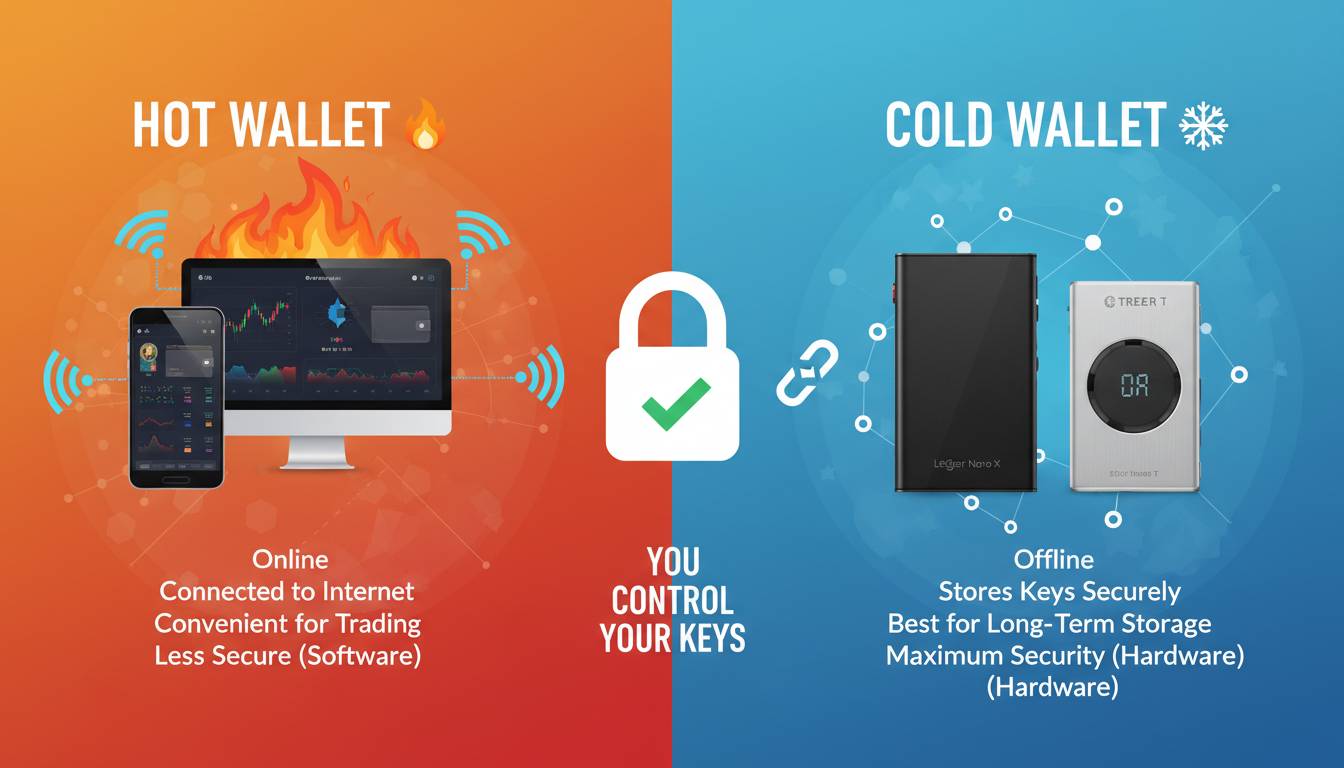
Cold storage refers to keeping the majority of funds in offline hardware wallets inaccessible to hackers. Industry leaders maintain 95-100% of user assets in cold storage, with only operational funds in hot wallets connected to the internet.
Two-factor authentication (2FA) has become standard, but implementation quality varies. Hardware security keys (YubiKey, Titan) provide superior protection against phishing compared to SMS-based 2FA, which remains vulnerable to SIM-swapping attacks.
Insurance coverage protects against platform-level failures but rarely covers individual account compromises. Kraken maintains the largest insurance reserve at $750 million, while Coinbase’s coverage exceeds $320 million. However, these funds protect against exchange insolvency, not stolen credentials—making personal security practices essential.
Asset Selection: Which Platform Offers the Best Coins?
The cryptocurrency market contains over 10,000 tokens, but platform availability varies significantly. US users face additional restrictions due to regulatory concerns about securities classification, limiting access to certain altcoins available internationally.
| Platform | cryptocurrencies | Stablecoins | Defi Access | Staking |
|---|---|---|---|---|
| Coinbase | 250+ | 8+ | Via CeFi | 40+ |
| Binance US | 150+ | 15+ | Limited | 30+ |
| Kraken | 200+ | 10+ | Via CeFi | 60+ |
| Gemini | 100+ | 5+ | Limited | 15+ |
Bitcoin and Ethereum are universally available. Platform differences emerge in altcoin selection, with Coinbase offering the broadest selection of SEC-compliant tokens and Binance US maintaining the deepest liquidity for available assets.
Stablecoins matter for trading strategies and yield generation. Platforms with USDC availability allow efficient transfers between exchanges. Those offering USDT access (despite regulatory concerns) provide broader trading pairs. Gemini has notably limited stablecoin options due to regulatory caution.
Staking capabilities vary significantly. Kraken offers the broadest staking selection with competitive yields—ETH staking at approximately 4-7% APY. Coinbase and Binance US provide staking for major Proof-of-Stake coins, though yields and lock-up periods differ. Staked assets typically cannot be withdrawn during the staking period, creating liquidity considerations.
Regulatory Compliance: Why It Matters for US Traders
US cryptocurrency regulation remains complex and evolving, with multiple agencies asserting jurisdiction. The SEC classifies many tokens as securities, while the CFTC regulates derivatives and commodities. State money transmitter licenses add another compliance layer.
Platform Compliance Status:
Operating without proper licenses exposes platforms to enforcement actions. Binance US settled with the SEC in 2023, agreeing to maintain specific compliance measures. Coinbase faces ongoing SEC litigation regarding token listings, highlighting the industry’s regulatory uncertainty.
State-by-state availability varies. Not all platforms operate in every US state. Hawaii and New York have particularly stringent requirements. New York’s BitLicense costs exceed $500,000 in compliance expenses, leading some platforms to limit New York availability entirely.
Tax reporting functionality matters for US users. Platforms like CoinTracker and TurboTax integrate with major exchanges for automated tax document generation. Coinbase provides native tax reports, while other platforms require third-party tools. The IRS requires crypto transactions be reported, with failure potentially triggering audits and penalties.
Mobile Experience and Accessibility
Modern traders expect seamless experiences across devices. Platform mobile apps vary significantly in features, reliability, and user experience quality.
Mobile Feature Comparison:
| Feature | Coinbase | Binance US | Kraken | Gemini |
|---|---|---|---|---|
| App Rating (iOS) | 4.6★ | 4.4★ | 4.5★ | 4.3★ |
| Push Notifications | ✓ | ✓ | ✓ | ✓ |
| Biometric Login | ✓ | ✓ | ✓ | ✓ |
| Advanced Charts | Limited | ✓ | ✓ | Limited |
| NFT Marketplace | ✓ | ✓ | ✓ | ✓ |
Coinbase excels in mobile accessibility, offering the most intuitive interface for beginners. The app’s simplified trading mode reduces complexity while advanced features remain accessible through a separate interface. Binance US and Kraken provide more sophisticated mobile charting suitable for active traders, though the learning curve is steeper.
Platform Accessibility Features:
- Multi-language support
- Accessibility options for visually impaired users
- Demo accounts for practice trading
- Paper trading capabilities
- Multiple account types (individual, joint, IRA)
Customer Support and Dispute Resolution
Crypto trading platform support quality varies dramatically, and poor support becomes critical during market volatility or technical issues. Support response times during the November 2022 FTX collapse revealed stark differences between platforms.
Support Channel Comparison:
| Platform | Live Chat | Email Response | Phone Support | Average Wait |
|---|---|---|---|---|
| Coinbase | ✓ | 24-48h | ✓ | 15-30 min |
| Binance US | ✓ | 24-72h | ✗ | 30-60 min |
| Kraken | ✓ | 24-48h | ✓ | 10-20 min |
| Gemini | ✓ | 24-48h | ✓ | 20-40 min |
Kraken consistently ranks highest for support quality, with live chat availability and reasonable response times. Coinbase has improved significantly but still faces criticism during high-volume periods. Binance US support suffers from language barriers and response delays during crisis periods.
Self-service resources vary in quality. Comprehensive help centers, video tutorials, and community forums reduce support dependency. Reddit communities for each platform provide peer assistance but require verification through multiple sources.
Advanced Trading Features
Active traders require tools beyond basic buy/sell interfaces. Charting capabilities, order types, and API access determine platform suitability for sophisticated strategies.
Order Type Availability:
- Limit orders: Available everywhere, specifying execution price
- Market orders: Available everywhere, executing immediately
- Stop-loss orders: Critical for risk management, available on major platforms
- Trailing stops: Lock in gains while allowing continued upside
- Margin trading: Leverage up to 10x on some platforms (higher risk)
- Options trading: Available on select platforms with additional verification
API Access enables algorithmic trading, custom dashboards, and portfolio tracking tools. Developers require API keys with configurable permissions (trading, withdrawals, viewing). Rate limits and available endpoints vary. Professional traders should test API functionality before committing significant capital.
Charting platforms integration matters for technical analysis. TradingView integration has become standard, allowing sophisticated chart analysis across devices. Platform-native charting varies in sophistication—Kraken and Binance US offer comprehensive technical indicators, while Coinbase charting remains basic.
How to Choose Your Platform: Decision Framework
Selecting the optimal platform requires honest assessment of your priorities, experience, and trading patterns.
Beginner Trader Profile:
Prioritize ease of use, regulatory compliance, and educational resources. Coinbase offers the smoothest onboarding experience with clear explanations and practice modes. Gemini provides strong security with regulatory clarity. Avoid platforms with complex interfaces when starting.
Active Trader Profile:
Emphasize low fees, advanced charting, and API access. Binance US offers the best fee structure for high volume, though regulatory concerns warrant monitoring. Kraken provides the best combination of low fees, advanced features, and strong security. Consider maintaining accounts on multiple platforms for arbitrage opportunities.
Long-term Investor Profile:
Focus on security, staking rewards, and custody solutions. Cold storage priorities suggest hardware wallet use regardless of platform. Staking rewards through platforms like Kraken or Coinbase generate yield on holdings. Consider tax reporting integration and institutional custody for large portfolios.
Questions to Ask Before Committing:
- What is your expected monthly trading volume?
- Which specific cryptocurrencies do you plan to trade?
- How important is mobile trading versus desktop?
- Do you need advanced charting and technical analysis?
- What is your risk tolerance for platform counterparty risk?
- How will you handle tax reporting requirements?
Frequently Asked Questions
Are crypto trading platforms safe for beginners?
Yes, major US-regulated platforms like Coinbase, Kraken, Gemini, and Binance US implement bank-level security measures including cold storage, two-factor authentication, and insurance reserves. However, safety depends on user practices—enabling all security features, using hardware wallets for large holdings, and never sharing credentials are essential habits.
What is the lowest fee crypto trading platform in the US?
Binance US generally offers the lowest fees, with maker fees as low as 0.00% and taker fees starting at 0.02% for high-volume traders. However, fees vary by trading volume, and other platforms become competitive above certain thresholds. For most retail traders, fee differences between major platforms are negligible compared to security and reliability.
Can I transfer crypto between platforms?
Yes, you can transfer cryptocurrency between platforms by generating a deposit address on the receiving platform and sending from your current platform to that address. Always verify the address matches the correct blockchain network—sending tokens to incompatible addresses results in permanent loss. Start with a small test transfer before moving significant amounts.
Do crypto platforms report to the IRS?
Yes, US cryptocurrency exchanges are required to report transactions to the IRS via Form 1099 for US users who meet certain thresholds. Platforms like Coinbase issue 1099 forms to users with sufficient activity. Even if you don’t receive a form, you are legally required to report all crypto transactions on your tax return.
What happens to my crypto if a platform goes bankrupt?
US bankruptcies follow the Bankruptcy Code, with customer property typically protected as separate from company assets. The recent Chapter 11 cases (FTX, Celsius, Voyager) showed extended recovery processes, with customers potentially receiving partial distributions years later. Using hardware wallets for significant holdings provides protection against platform insolvency.
Should I use a decentralized exchange instead?
Decentralized exchanges offer advantages in privacy and control but come with higher risks for beginners. Smart contract vulnerabilities have resulted in billions in losses. DEXs suit technically sophisticated users comfortable with self-custody and blockchain mechanics. Most users benefit from centralized exchanges for primary trading while using DEXs for specific purposes like swapping tokens not available on CEXs.