Protein Powder for Muscle Gain – Build Lean Muscle Fast

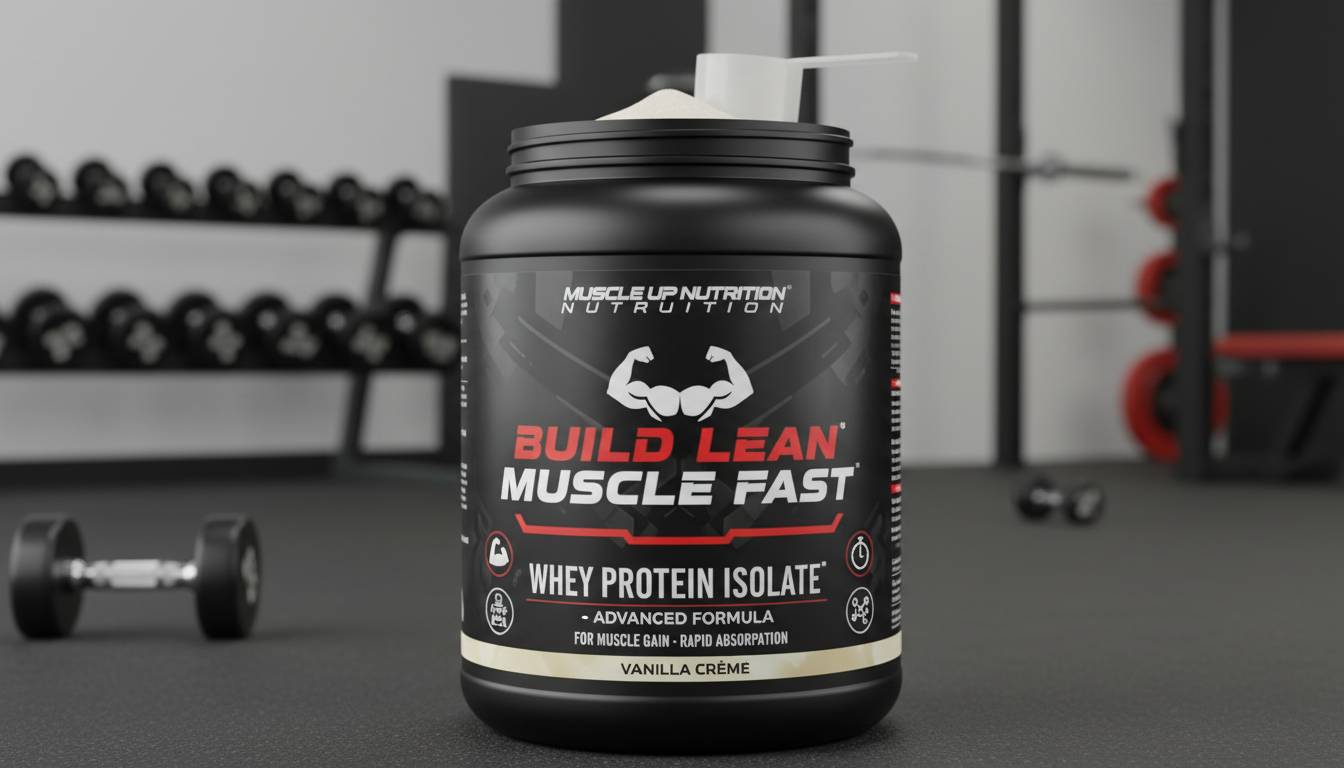
Protein powder has become one of the most popular supplements for anyone looking to build lean muscle mass. Whether you’re a seasoned bodybuilder or just starting your fitness journey, understanding how protein powder supports muscle growth—and choosing the right one—can significantly impact your results. This comprehensive guide breaks down the science, compares the best options, and provides actionable strategies to maximize your muscle-building potential.
The Science Behind Protein and Muscle Growth
Muscle growth, scientifically termed muscle protein synthesis (MPS), occurs when your body builds new muscle proteins faster than it breaks down existing ones. This process requires adequate amino acids—the building blocks of protein—and sufficient stimulation from resistance training.
When you lift weights or perform resistance exercises, you create microscopic tears in your muscle fibers. Your body repairs these tears during recovery, building the muscle back stronger and larger than before. Protein provides the essential amino acids necessary for this repair and growth process.
The recommended daily protein intake for muscle gain typically ranges from 1.6 to 2.2 grams per kilogram of body weight (approximately 0.7 to 1 gram per pound). For a 180-pound person, that’s roughly 126 to 180 grams of protein daily. While whole foods can meet these requirements, protein powder offers a convenient, fast-absorbing alternative that helps many people reach their daily targets.
Research published in the Journal of the International Society of Sports Nutrition indicates that protein supplementation beyond total intakes of 1.6 g/kg/day provides no additional benefit for muscle strength or lean body mass in resistance-trained individuals. This suggests that the timing and quality of protein matter as much as total quantity.
Types of Protein Powder: Which One Is Right for You?
Not all protein powders are created equal. Each type offers distinct absorption rates, amino acid profiles, and ideal use cases. Understanding these differences helps you make an informed decision based on your goals and dietary preferences.
Whey Protein Concentrate
Whey protein concentrate contains approximately 70-80% protein by weight, with the remaining portion consisting of carbohydrates and fats. It retains more of the beneficial compounds found in whole milk, including immunoglobulins and lactoferrin.
This type absorbs quickly and contains a complete amino acid profile, making it ideal for post-workout consumption. Whey concentrate typically tastes creamier than isolates and is often less expensive, though it contains slightly more lactose.
Best for: Post-workout recovery, budget-conscious fitness enthusiasts, those without severe lactose intolerance.
Whey Protein Isolate
Whey isolate undergoes additional processing to remove most carbohydrates and fats, resulting in at least 90% protein content. This process also removes most lactose, making it suitable for individuals with lactose sensitivity.
Isolate absorbs rapidly and provides a higher concentration of branched-chain amino acids (BCAAs), particularly leucine, which plays a crucial role in triggering muscle protein synthesis. Studies show whey isolate may be slightly more effective for muscle building when calories are restricted.
Best for: Those watching their carbohydrate or lactose intake, athletes in cutting phases, anyone seeking maximum protein per serving.
Casein Protein
Casein constitutes approximately 80% of the protein in milk. Unlike whey, casein forms a clot in the stomach, resulting in slow, sustained amino acid release over 6-8 hours.
This makes casein particularly valuable before extended periods without food, such as overnight sleep. While not ideal for immediate post-workout use due to its slower absorption, casein helps prevent muscle breakdown during fasting periods.
Best for: Evening consumption, overnight muscle preservation, those seeking prolonged satiety.
Plant-Based Protein Options
Plant proteins have gained significant popularity among vegetarians, vegans, and those seeking alternatives to dairy. The most common options include:
Pea Protein: Derived from yellow peas, this option offers a complete amino acid profile (when combined with rice protein) and digests easily. It contains high amounts of arginine, which may support blood flow and nutrient delivery to muscles.
Soy Protein: One of the few plant proteins with a complete amino acid profile naturally. Soy also contains isoflavones, which may offer additional health benefits. However, some individuals prefer to limit soy intake due to potential hormonal effects.
Rice Protein: Often combined with pea protein for a complete amino acid profile. Rice protein is easily digestible and hypoallergenic, making it suitable for those with multiple food sensitivities.
Hemp Protein: Contains omega-3 fatty acids and is rich in fiber, though its protein content per serving is lower than other options.
Best for: Vegans and vegetarians, those with dairy allergies, individuals seeking diverse protein sources.
Comparing Protein Powders for Muscle Gain
| Factor | Whey Concentrate | Whey Isolate | Casein | Pea/Rice Blend |
|---|---|---|---|---|
| Protein % | 70-80% | 90%+ | 70-80% | 70-80% |
| Absorption | Fast | Very Fast | Slow | Moderate |
| Lactose | Moderate | Minimal | Moderate | None |
| Taste | Excellent | Very Good | Good | Good |
| Price | $$ | $$$ | $$$ | $$ |
| Post-Workout | ✅✅✅ | ✅✅✅✅ | ✅ | ✅✅ |
| Before Bed | ✅ | ✅ | ✅✅✅✅ | ✅✅ |
Optimal Timing: When to Take Protein Powder
The concept of the “anabolic window”—the brief period after exercise when muscles are most receptive to nutrients—has been debated in recent years. Current research suggests this window may be wider than previously thought, potentially spanning several hours rather than minutes.
However, consuming protein within 1-2 hours after training still offers benefits, particularly for those training in a fasted state or with limited protein intake throughout the day.
Pre-Workout Timing: Consuming protein 30-60 minutes before exercise may provide amino acids available during your session. Casein or a blended protein works well here due to slower absorption.
Post-Workout Timing: Whey isolate or concentrate consumed within 2 hours after training supports muscle recovery and kickstarts the repair process. The rapid absorption ensures amino acids reach muscle tissue quickly.
Before Sleep: Casein protein consumed 30-60 minutes before bed provides sustained amino acid release overnight. Research from Maastricht University found that casein before sleep increased muscle protein synthesis rates by 22% compared to placebo.
Throughout the Day: For those struggling to meet protein targets through whole foods, spreading protein powder servings across the day helps maintain elevated amino acid levels, supporting continuous muscle building.
Dosage Guidelines: How Much Protein Do You Need?
Determining the right amount of protein powder depends on your total daily protein goals, current diet, body weight, and training intensity.
Calculate Your Baseline: Multiply your body weight in pounds by 0.7 to 1.0 grams. For example, a 200-pound individual should aim for 140-200 grams of protein daily.
Assess Your Dietary Intake: Calculate how much protein you currently consume through whole foods. Subtract this from your target to determine how much additional protein you need.
Determine Serving Size: Most protein powders provide 20-30 grams of protein per scoop. Use this to calculate how many servings fill your gap.
Consider Training Volume: Those engaged in intense, frequent resistance training may benefit from the higher end of recommended protein intakes (1.0-1.2 g/lb body weight). More casual trainees may find the lower end sufficient.
Common Mistakes to Avoid When Using Protein Powder
Mistake #1: Replacing Whole Foods Entirely
Protein powder supplements whole foods rather than replacing them. Whole food protein sources provide additional nutrients, fiber, and satisfaction that powders cannot replicate. Relying solely on protein powder may lead to nutritional deficiencies and decreased adherence due to lack of variety.
Mistake #2: Ignoring Total Daily Calories
Protein powder adds calories that must be accounted for in your overall diet. Consuming protein shakes on top of an already adequate diet may lead to unwanted weight gain. Conversely, using protein powder without adjusting overall intake won’t magically build muscle if you’re in a severe caloric deficit.
Mistake #3: Choosing Based on Marketing Hype
The most expensive or heavily marketed protein isn’t necessarily the best for your goals. Many mid-range options provide equivalent results at better value. Focus on factors like protein content per serving, amino acid profile, and your personal tolerance rather than flashy branding.
Mistake #4: Neglecting Digestive Issues
Some individuals experience bloating, gas, or stomach discomfort with certain protein types. If you experience digestive issues, try a different protein type (switch from whey to plant-based, or vice versa), reduce serving size, or try a digestive enzyme supplement.
Mistake #5: Inconsistent Usage
Taking protein powder sporadically provides minimal benefit. Consistency matters more than perfect timing. Establish a routine that fits your lifestyle, whether that’s a shake every morning, after every workout, or before bed.
Building a Protein Strategy for Maximum Muscle Gain
Assess Your Current Diet
Before purchasing protein powder, audit your current protein intake. Track your food for one week using a nutrition app to identify gaps. Many people already consume adequate protein through meals and only need a small supplement to reach targets.
Match Protein Type to Your Schedule
Consider your daily routine when selecting protein types. Morning workouts may benefit from whey protein, while evening training might pair well with a post-workout shake followed by casein before bed. Those with irregular schedules should prioritize versatile options like whey isolate.
Layer Protein Sources Strategically
Combining protein powder with whole food protein sources throughout the day optimizes muscle protein synthesis. For example, have eggs and Greek yogurt at breakfast (whole food protein), chicken and rice at lunch, a protein shake after your workout, and fish with vegetables at dinner.
Monitor and Adjust
Track your progress over 4-6 weeks. If you’re not gaining lean muscle while consuming adequate protein and training consistently, consider increasing total protein intake, adjusting your training program, or evaluating sleep and recovery habits.
What to Look for in Quality Protein Powder
Third-Party Testing: Look for certifications from organizations like NSF Certified for Sport, Informed Sport, or BSCG. These verify that products are free from banned substances and contaminants.
Ingredient Transparency: Quality products list all ingredients clearly. Avoid those with excessive artificial sweeteners, fillers, or vague “proprietary blends” that hide exact ingredient amounts.
Protein Source: The first ingredient should be a recognizable protein source (whey protein concentrate, pea protein isolate, etc.), not maltodextrin or other fillers that inflate carbohydrate content.
Amino Acid Profile: Check for complete amino acid profiles, particularly adequate leucine content (around 2.5+ grams per serving for whey).
Taste and Mixability: Read reviews about taste and how well the powder mixes with water or milk. Poor-tasting protein often leads to wasted supplements and wasted money.
Conclusion
Protein powder represents a valuable tool in your muscle-building arsenal, offering convenience, rapid absorption, and concentrated protein to support your training goals. However, it works best as part of a comprehensive approach that includes adequate whole food protein, consistent resistance training, sufficient sleep, and proper recovery.
Understanding the differences between protein types, matching them to your schedule and tolerance, and using them consistently will help you maximize your results. Remember that protein powder supplements an already solid nutrition foundation—it doesn’t replace one.
Start by calculating your protein needs, assess your current intake, and select a protein type that fits your lifestyle and preferences. With consistent use alongside your training program, protein powder can help you build the lean muscle you’re working toward.
Frequently Asked Questions
How long does it take to see muscle gains from protein powder?
Muscle gains depend on consistent training, adequate protein intake, and recovery. Most beginners see noticeable changes within 8-12 weeks, while experienced lifters may take 3-6 months of dedicated training to see significant muscle growth.
Can protein powder help you lose weight while building muscle?
Yes, when used strategically. Consuming adequate protein (including protein powder) during a caloric deficit helps preserve lean muscle mass while promoting fat loss. High protein intake also increases satiety, making weight loss more manageable.
Is it safe to use protein powder every day?
For most healthy adults, daily protein powder consumption is safe. Ensure your total daily protein intake stays within reasonable ranges (under 2.5 g/kg body weight) and that you’re meeting other nutritional needs through whole foods.
Which protein powder is best for beginners?
Whey protein concentrate offers an excellent balance of quality, taste, and affordability for most beginners. Those with lactose intolerance should start with whey isolate or a quality plant-based blend. Start with a single serving to assess tolerance before committing to larger quantities.
Do I need protein powder to build muscle?
No, protein powder is entirely optional. You can meet all muscle-building protein needs through whole foods alone. Protein powder simply makes reaching higher protein targets more convenient, especially for those with busy schedules or limited appetite for multiple large protein-rich meals.