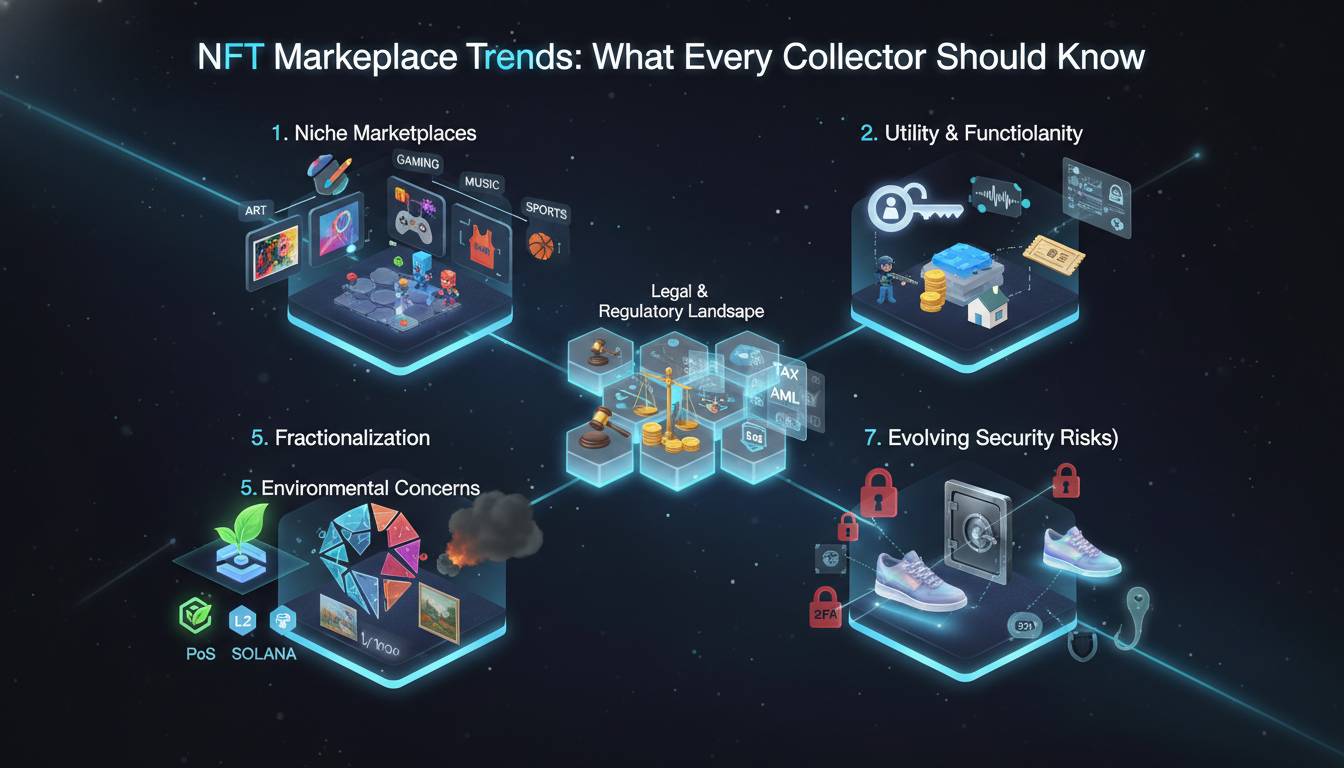
NFT Marketplace Trends: What Every Collector Should Know

The NFT marketplace landscape has undergone a dramatic transformation since the frenzied heights of 2021-2022. What began as a speculative boom dominated by profile picture (PFP) collections has evolved into a more nuanced ecosystem with specialized platforms, evolving fee structures, and new use cases beyond digital art. For collectors navigating this space in 2025, understanding the current marketplace trends isn’t just beneficial—it’s essential for making informed decisions about where to buy, sell, and store digital collectibles.
The market has matured significantly. Total NFT trading volume reached approximately $4.6 billion in 2024, according to data from various analytics platforms, representing a substantial shift from the peak of $26 billion in 2022. Yet within this smaller overall market, significant changes in platform dominance, fee competition, and user behavior have created new opportunities and challenges for collectors at every level.
The Current State of Major NFT Marketplaces
The NFT marketplace ecosystem in 2025 looks fundamentally different from what existed during the previous bull market. OpenSea, which once commanded over 90% of marketplace share, has seen its dominance erode considerably. The platform’s 2.5% transaction fee, once industry standard, became a liability as competitors undercut pricing to capture market share.
Blur emerged as the primary challenger, launching with zero marketplace fees for buyers and sellers during its initial growth phase. The platform, created by the team behind the popular crypto trading platform Paradigm, introduced innovative features like floor sweeping, real-time portfolio tracking, and aggressive liquidity mining incentives that paid users in BLUR tokens for trading activity. By early 2023, Blur had captured significant market share from OpenSea, particularly among professional traders and collection flippers.
Magic Eden has established itself as the dominant marketplace on the Solana blockchain, which offers significantly lower transaction fees compared to Ethereum’s mainnet. While Ethereum remains the largest blockchain for high-value NFT transactions, Solana’s cost advantages have attracted both creators and collectors seeking to avoid gas fee volatility. Magic Eden’s multi-chain expansion onto Ethereum and other networks signals ambitions to compete directly with established players.
Foundation, SuperRare, and other curated platforms have maintained relevance by focusing on quality over quantity. These marketplaces require creator applications and maintain higher entry barriers, which has helped preserve premium positioning for digital art and experimental work. Foundation famously limits submissions to invited creators, creating an exclusive environment that has produced several of the highest-selling individual NFTs.
Fee Structures and the Race to the Bottom
Perhaps no trend has more directly impacted collectors than the ongoing fee war among NFT marketplaces. The industry has experienced a dramatic compression in transaction fees, driven by competitive pressure and the realization that high fees drive volume to alternatives.
OpenSea eventually responded to competitive pressure by reducing fees and introducing optional creator royalties. The platform now offers reduced fee structures for high-volume traders, acknowledging that the previous blanket 2.5% fee was unsustainable in a competitive market. However, this reduction came with controversy, as optional royalties undermine the ability of creators to reliably earn from secondary market sales.
Blur’s zero-fee model fundamentally disrupted the market, forcing incumbents to reconsider their pricing. The strategy proved effective for capturing trading volume, though questions emerged about the long-term sustainability of a model that generates no direct marketplace revenue. Blur has since introduced its own token distribution system and marketplace fees, though they remain lower than competitors.
For collectors, lower fees mean more capital remains for actual purchases rather than platform costs. However, the fee compression has also raised concerns about marketplace sustainability and the potential for reduced customer support, security investments, or development of new features. Some analysts have noted that extremely low fees can signal a platform’s desperation to maintain volume rather than a sustainable business model.
The creator royalty debate remains contentious. Traditional platforms like OpenSea championed the 5-10% royalty model as a way to ensure creators benefit from their work’s long-term value. Blur’s optional royalty system, while attractive to buyers seeking lower costs, has been criticized by artists who depend on secondary sales for income. This tension continues to shape the competitive landscape, with some marketplaces now offering tiered fee structures that give creators more control over royalty enforcement.
Multi-Chain Expansion and Cross-Platform Compatibility
The NFT market has moved decisively beyond Ethereum, with major marketplaces expanding across multiple blockchain networks to capture diverse user bases and trading communities. This multi-chain approach has significant implications for collectors, who now face decisions about which blockchain best suits their collecting interests.
Ethereum remains the dominant chain for blue-chip collections and high-value transactions, with established marketplaces and deep liquidity for major projects like Bored Ape Yacht Club, CryptoPunks, and Azuki. However, high gas fees during network congestion have pushed casual collectors and smaller transactions toward alternative networks.
Solana has emerged as the primary alternative, with significantly lower transaction costs—often less than $0.01 per transaction compared to several dollars or more on Ethereum during busy periods. Magic Eden’s dominance on Solana has created a thriving ecosystem for both established and emerging artists who find Ethereum fees prohibitive. The blockchain’s performance characteristics have also attracted gaming NFT projects seeking to minimize player costs.
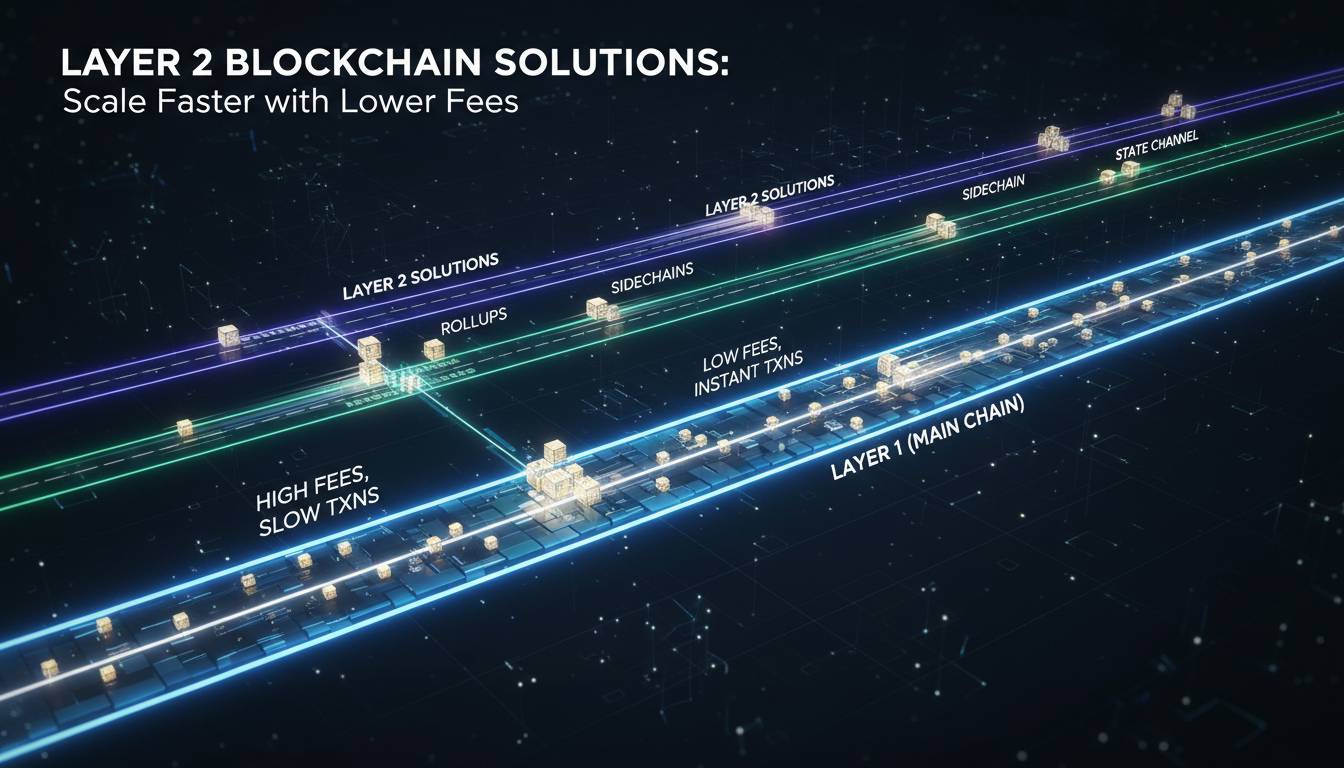
Polygon, Immutable, and other Layer 2 solutions have carved out niches in gaming and entertainment NFTs, offering near-instant transactions with minimal fees while maintaining connections to Ethereum’s security. Marketplaces like Element have gained traction by offering cross-chain aggregation, allowing collectors to browse and purchase NFTs from multiple blockchains through a single interface.
This multi-chain reality means collectors must understand the tradeoffs between different networks: Ethereum offers maximum liquidity and prestige for blue-chip collections, while Solana and Layer 2 solutions provide accessibility and lower costs for experimental collecting or gaming assets.
The Rise of Aggregators and Tooling
NFT marketplace aggregators have become increasingly important in 2024-2025, reflecting collector demand for better pricing, reduced gas costs, and streamlined management across multiple platforms. These services aggregate listings from various marketplaces, allowing collectors to find the best prices without manually checking multiple sites.
Gem and Genie were among the early aggregators, enabling users to sweep floor prices across collections and execute batch transactions that save significant gas costs compared to individual purchases. OpenSea acquired Gem in 2022, bringing aggregation capabilities in-house while also eliminating a competitive threat.
The aggregator trend has evolved beyond simple price comparison. Modern tools offer portfolio analytics, floor price tracking, rarity scoring, and automatic listing across multiple marketplaces. For serious collectors, these tools have become essential infrastructure, reducing the manual work required to manage diverse collections and identify trading opportunities.
Floor protocol marketplaces have also emerged, allowing collectors to trade NFTs against liquidity pools rather than direct buyer-seller matches. While these innovations offer new trading opportunities, they also carry smart contract risks that collectors must evaluate carefully.
Institutional Interest and Real-World Asset Tokenization
Perhaps the most significant trend distinguishing the current market from previous periods is the growing institutional involvement and the expansion of NFTs into real-world asset tokenization. While the 2021-2022 boom focused primarily on digital-native collectibles, the 2024-2025 market has seen substantial interest in using NFT infrastructure for traditional assets.
Major financial institutions have explored or launched NFT platforms for asset tokenization. Franklin Templeton, a major investment management firm, has experimented with fund shares as NFTs. Various real estate platforms have used NFTs to represent property ownership fractions, though regulatory uncertainty remains significant in this area.
The luxury goods and brand merchandise sector has also embraced NFT verification and digital collectibles. Nike’s .SWOOSH platform and similar initiatives from established brands represent attempts to use NFT technology for product authentication, limited edition releases, and fan engagement. These use cases may prove more sustainable than speculative trading, as they connect digital tokens to tangible products and experiences.
For collectors, this institutional adoption signals increasing legitimacy for NFT technology beyond pure speculation. However, it also means entering an ecosystem where regulatory considerations become more complex, particularly for assets that may be classified as securities.
What Collectors Should Prioritize in 2025
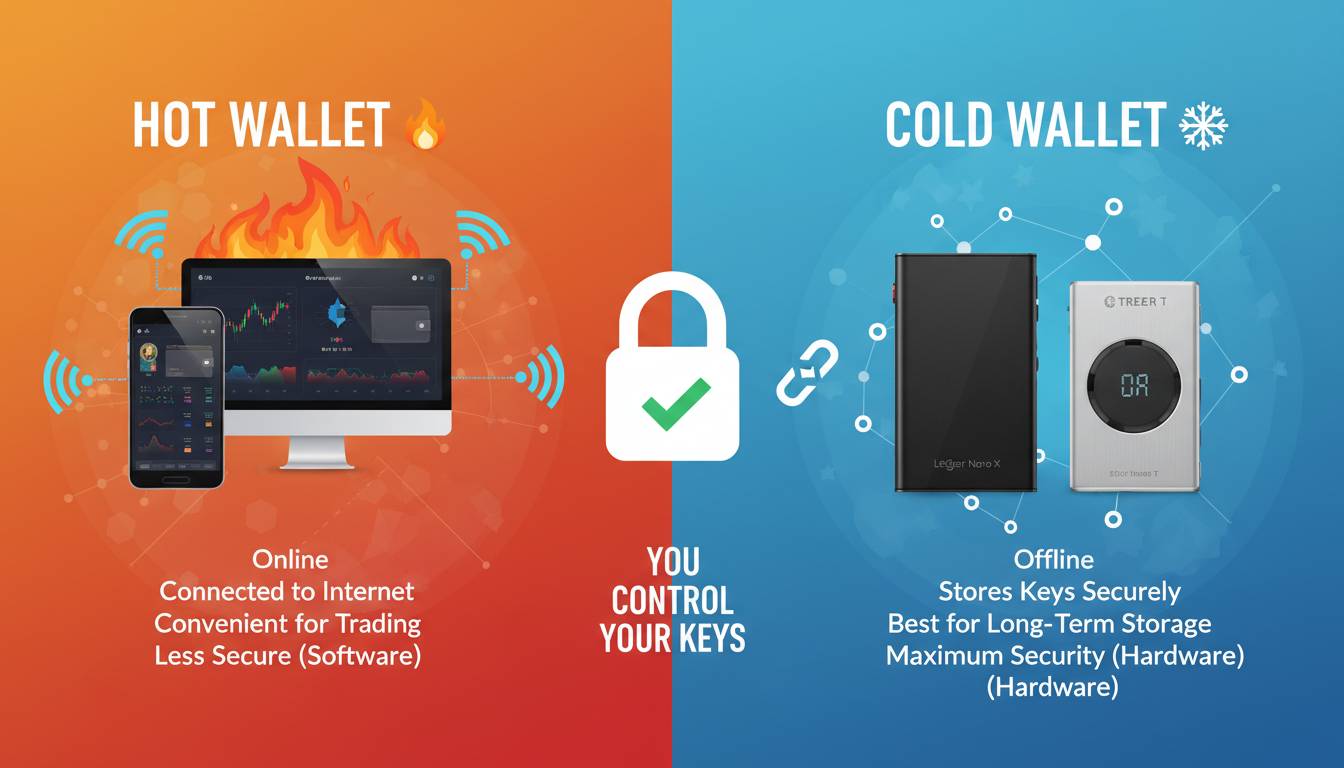
Given these trends, collectors entering or continuing in the NFT space should consider several strategic factors. Security remains paramount: the history of NFT scams, phishing attacks, and contract vulnerabilities means that hardware wallets, careful verification of contract addresses, and education about common attack vectors are non-negotiable.
Understanding total costs—gas fees, platform fees, and any applicable royalties—can significantly impact returns and collecting power. The fee compression that has occurred means collectors can now execute trades more economically than during the previous market, but this advantage only helps if collectors actively seek the best platforms for their specific needs.
Portfolio diversification across blockchains has become more viable and often more practical. Rather than concentrating entirely on Ethereum’s blue-chip market, collectors can explore Solana’s vibrant creator community or Polygon-based gaming assets, each with different communities, price points, and risk profiles.
Long-term collecting strategies may benefit from focusing on utility beyond pure speculation. Collections that offer real-world benefits, community access, or governance rights may prove more resilient than those dependent entirely on resale value. The market has shown willingness to reward projects that deliver ongoing value to holders.
Frequently Asked Questions
Are NFTs still a good investment in 2025?
NFTs as an investment depend heavily on the specific collection and timing. The market has matured considerably, with speculative returns more limited than during the 2021-2022 boom. Blue-chip collections with strong communities and utility have maintained value, while many speculative projects have lost nearly all value. Like any collectible market, NFTs are not guaranteed to appreciate and should be approached with understanding of significant risk.
Which NFT marketplace is best for beginners?
OpenSea remains the most accessible marketplace for beginners due to its large user base, extensive collection availability, and relatively intuitive interface. Its integration with major wallets and comprehensive help resources makes starting easier than smaller or more specialized platforms. However, beginners should also consider Blur for lower fees when trading more actively.
How do I avoid NFT scams?
Primary scam prevention measures include: never clicking suspicious links, always verifying contract addresses before purchases, using hardware wallets for valuable assets, being skeptical of unsolicited offers, and double-checking URLs for phishing attempts. Never share your seed phrase under any circumstances. Scammers commonly use fake minting sites, impersonated accounts, and fraudulent airdrops to steal assets.
Do I need to pay taxes on NFT transactions?
Tax treatment of NFTs varies by jurisdiction and depends on whether you’re trading as investment or creating art. In the United States, the IRS has indicated NFTs may be treated as property, meaning capital gains taxes apply to profits from sales. Creating and selling NFTs may also trigger income tax obligations. Consult a qualified tax professional for advice specific to your situation.
What is the difference between buying on Ethereum versus Solana?
The primary differences are transaction costs and user experience. Ethereum transactions often cost $5-50+ during busy periods but offer the largest market and most established collections. Solana transactions cost pennies but have a smaller ecosystem of high-value collectibles. Both require cryptocurrency holdings in the respective blockchain’s native token to pay for transactions.
Can I transfer NFTs between blockchains?
NFTs cannot be directly transferred between blockchains because each blockchain’s NFTs exist on incompatible infrastructure. However, bridges exist that can “wrap” NFTs or create representations on other chains, though these introduce additional smart contract risk. Some marketplaces like Magic Eden now operate across multiple chains, offering similar collections on different infrastructure.
Conclusion
The NFT marketplace of 2025 offers a more mature, competitive, and nuanced environment than the wild speculation of previous years. Fee compression has made trading more accessible, multi-chain expansion has created diverse options for collectors, and institutional interest signals growing legitimacy for the technology.
For collectors, this means both opportunities and responsibilities. The opportunity lies in a more competitive marketplace that rewards careful research and strategic platform selection. The responsibility lies in understanding the technical foundations, security requirements, and cost structures that weren’t necessary to understand during the previous bull market.
The collectors who will thrive in this environment are those who approach NFTs as serious participants in a complex market—understanding not just which collections to buy, but where to buy them, how to secure them, and what the total cost of participation will be. The trends shaping this market will continue to evolve, but the fundamentals of careful research, security consciousness, and strategic thinking remain constants that serve collectors well regardless of market conditions.