New Cryptocurrencies to Watch: Hidden Gems With High Potential

The cryptocurrency landscape continues evolving at a breakneck pace, with new projects launching regularly that attempt to solve real problems or capture emerging market opportunities. For investors and enthusiasts seeking to identify promising tokens before they gain mainstream attention, understanding how to evaluate these projects becomes essential. This guide examines the factors that distinguish potentially valuable new cryptocurrencies from fleeting trends, highlights emerging categories worth monitoring, and provides a framework for conducting your own research before committing capital.
Disclaimer: This article is for educational and informational purposes only. Cryptocurrency investments are highly speculative and volatile. Nothing contained herein constitutes financial, investment, legal, or tax advice. Always conduct thorough research and consult with licensed professionals before making investment decisions.
Understanding What Makes a Cryptocurrency Promising
Before examining specific projects, investors must understand the fundamental criteria that separate sustainable projects from those destined to fade. The cryptocurrency space has witnessed thousands of launches, with the vast majority failing to deliver lasting value. According to data from CoinGecko, over 4,000 cryptocurrencies have been delisted from major exchanges since 2018, illustrating the importance of careful evaluation.
The most successful cryptocurrencies typically share several characteristics. First, they solve a genuine problem or capture a significant market opportunity that existing solutions cannot adequately address. Second, they possess strong technical foundations with clear advantages over competitors in security, scalability, or functionality. Third, they demonstrate active development with regular code updates and growing developer communities. Fourth, they feature transparent teams with verifiable track records in technology or related industries. Fifth, they maintain sustainable tokenomics that align incentives between early adopters and long-term holders.
The cryptocurrency market capitalization exceeds $2 trillion as of late 2025, yet new projects continue attracting substantial investment because the underlying blockchain technology remains in relatively early stages of development. Emerging solutions addressing current limitations in scalability, privacy, interoperability, and user adoption represent the most promising areas for potential growth.
Evaluating Emerging Categories and Use Cases
New cryptocurrencies often gain attention when they introduce innovative approaches to persistent industry challenges. Several categories have demonstrated particular vitality in recent years, attracting both developer talent and institutional interest.
Layer-2 scaling solutions address transaction speed and cost limitations on established blockchains like Ethereum. These protocols process transactions on secondary platforms before settling them on the main chain, dramatically reducing fees and increasing throughput. The success of projects like Arbitrum and Optimism has validated this approach, creating opportunities for newer entrants offering enhanced features or different architectural approaches.
Real-world asset tokenization represents another expanding category, with projects enabling the blockchain representation of traditional assets including real estate, securities, and commodities. BlackRock’s tokenized treasury fund attracted over $500 million in assets within months of launching, demonstrating institutional appetite for blockchain-native versions of conventional assets.
Decentralized physical infrastructure networks (DePIN) have emerged as a compelling category, using cryptocurrency tokens to incentivize the building of physical infrastructure including wireless networks, energy grids, and storage systems. These projects create new markets for underutilized resources while generating yield for participants.
Cross-chain interoperability protocols address the fragmented nature of blockchain ecosystems, enabling communication and asset transfer between different networks. As the multi-chain future becomes reality, these interoperability solutions become increasingly critical infrastructure.
Factors to Research Before Investing
Thorough due diligence separates informed decisions from speculation. Several key areas warrant careful examination before committing capital to any new cryptocurrency.
Team background and experience significantly influences project outcomes. Investors should research the founders’ and core developers’ previous experience in technology, finance, or related fields. Anonymous teams present higher risk, though some legitimate projects launch with pseudonymous founders who later reveal their identities after establishing credibility.
Token economics determine how tokens are distributed, minted, and incentivized. Projects with excessive early investor allocations or unclear emission schedules may create selling pressure that suppresses price performance. The ideal tokenomics structure aligns long-term holders with project success through mechanisms like staking rewards or governance rights.
Security audits provide critical validation of smart contract code. Reputable projects commission multiple audits from established firms like Certik, Trail of Bits, or OpenZeppelin. While audits don’t guarantee security, they significantly reduce the probability of critical vulnerabilities.
Community engagement indicates grassroots support and market interest. Active Discord servers, growing Twitter followings, and meaningful GitHub contributions suggest projects with sustained momentum rather than manufactured hype.
Market mechanics including listing exchanges, trading volume, and liquidity depth affect an investor’s ability to enter or exit positions. Tokens listed on major exchanges with adequate liquidity present fewer execution risks than those trading exclusively on obscure platforms.
Promising Development Categories to Monitor
Rather than recommending specific tokens, understanding which development categories show strong fundamentals helps investors identify opportunities within their risk tolerance.
AI-integrated blockchain projects combine artificial intelligence capabilities with decentralized infrastructure. These projects aim to create AI models that run on distributed networks, potentially reducing costs and increasing transparency compared to centralized alternatives. The intersection of AI and blockchain represents an emerging frontier with substantial research investment.
Gaming and metaverse tokens have experienced significant volatility but continue attracting development talent and capital. Projects focusing on true ownership economies, where players genuinely own in-game assets, may create sustainable value propositions rather than speculative plays on virtual real estate.
Privacy-preserving cryptocurrencies address growing demand for financial privacy on public blockchains. While regulatory uncertainty creates risk, legitimate use cases for privacy-enhanced transactions continue driving development in this category.
Decentralized identity solutions align with increasing regulatory requirements for digital identity verification while maintaining user control over personal data. These projects may benefit from upcoming regulations in the European Union and other jurisdictions.
Risk Factors and Responsible Investment Practices
Cryptocurrency investments carry substantial risks that require acknowledgment and management. The market’s volatility means portfolio values can fluctuate dramatically within short periods. According to data from the Chicago Mercantile Exchange, Bitcoin’s 30-day volatility index regularly exceeds traditional asset classes by significant margins.
New cryptocurrency projects face additional risks including development delays, regulatory action, smart contract vulnerabilities, and competition from established players. The ease of launching new tokens has also created environments where fraud and scams proliferate, making investor vigilance essential.
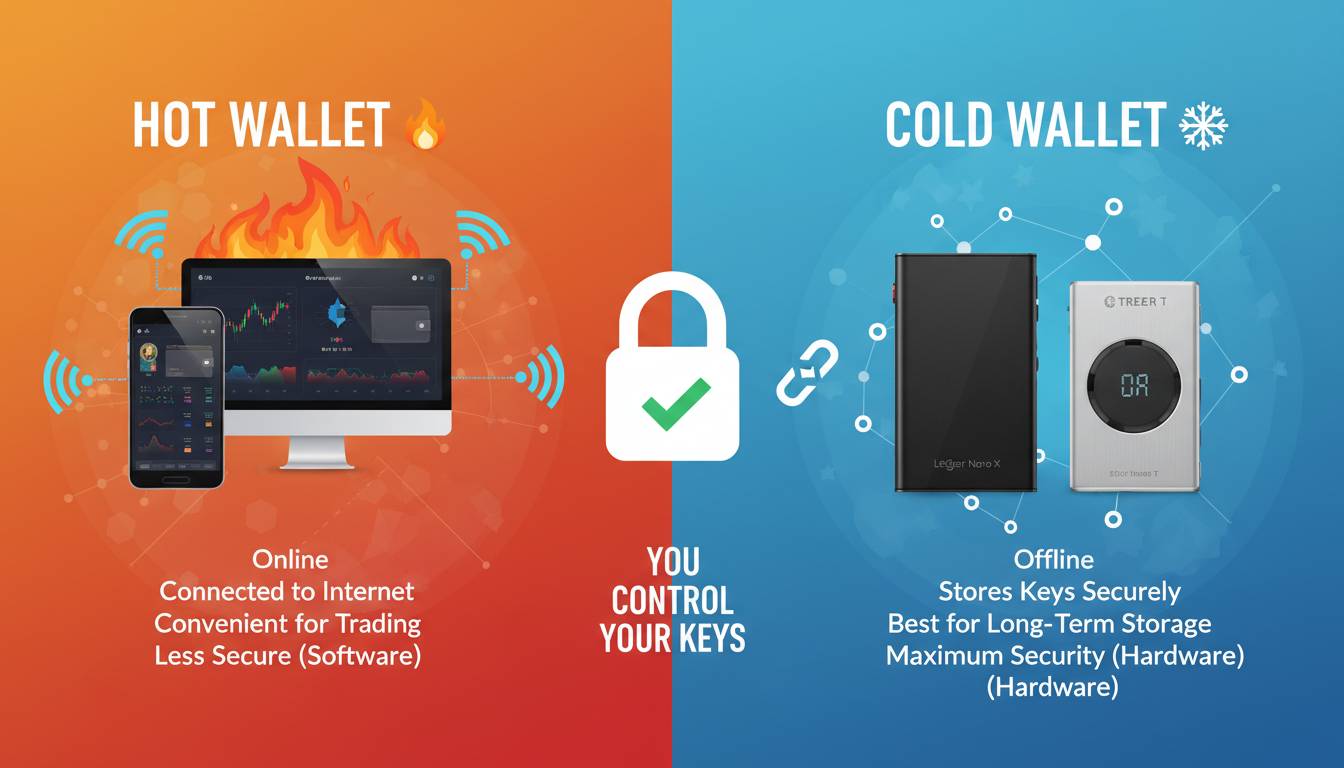
Responsible practices include allocating only capital you can afford to lose entirely, diversifying across multiple projects rather than concentrating positions, using hardware wallets for long-term storage, and maintaining realistic expectations about returns and timelines. Dollar-cost averaging into positions reduces the impact of volatility compared to lump-sum investments.
Frequently Asked Questions
How do new cryptocurrencies get listed on major exchanges?
Exchanges evaluate new listings based on multiple factors including team background, tokenomics, security audits, trading volume potential, and regulatory compliance. Projects often need to demonstrate substantial community following, trading activity on decentralized exchanges, and professional documentation before consideration. Listing fees vary significantly across exchanges and do not guarantee quality or legitimate projects.
What is the difference between a token and a coin?
Coins operate on their own independent blockchain networks, like Bitcoin or Ethereum. Tokens are built on existing blockchains, typically using smart contract standards like ERC-20 on Ethereum. Most new cryptocurrency launches during the 2020s have been tokens due to the lower development overhead of building on established infrastructure.
How can I verify if a cryptocurrency project is legitimate?
Research the team’s public identity and background, examine code repositories for activity and quality, review security audit reports from reputable firms, analyze token distribution for concentration among insiders, and search for regulatory filings or legal entity registrations. Be wary of projects making unrealistic promises or lacking transparent communication channels.
What percentage of a cryptocurrency portfolio should be in new or emerging tokens?
Financial advisors generally recommend limiting high-risk allocations, including new cryptocurrencies, to no more than 5-10% of total portfolio value. The extreme volatility of emerging tokens makes position sizing critical for overall portfolio health. Conservative investors may choose to avoid these allocations entirely.
Are airdrops worth participating in?
Airdrops, where projects distribute free tokens to early adopters, can generate value but require careful evaluation. Legitimate airdrops rarely require sending cryptocurrency to receive tokens—a common scam pattern. Projects with genuine utility may appreciate significantly, while many airdropped tokens prove worthless. Wallet hygiene and caution against connecting wallets to suspicious sites remain essential.
How long should I hold new cryptocurrency investments?
Holding periods depend entirely on individual goals, risk tolerance, and project fundamentals. Cryptocurrency markets operate 24/7, creating constant temptation to trade. Long-term holding strategies have historically outperformed frequent trading for most assets, though specific performance varies substantially. Establishing clear exit strategies before entering positions helps manage emotional decision-making.
Conclusion
The cryptocurrency ecosystem continues offering opportunities for those willing to conduct thorough research and accept inherent volatility. New projects with strong fundamentals, transparent teams, and genuine utility may capture significant value as the industry matures. However, the same characteristics that create opportunity also generate risk, making due diligence essential.
Rather than chasing the latest trending token, successful approaches focus on understanding underlying technology, evaluating team capability, and maintaining disciplined risk management. The most sustainable gains typically come from early identification of projects that solve real problems rather than speculative trading based on social media momentum.
Remember that the cryptocurrency market remains largely unregulated in most jurisdictions, offering fewer protections than traditional financial markets. Never invest more than you can afford to lose entirely, and approach new projects with appropriate skepticism until their claims have been substantiated through time and market validation.