
Intermittent Fasting Results: Real Transformations You Can See

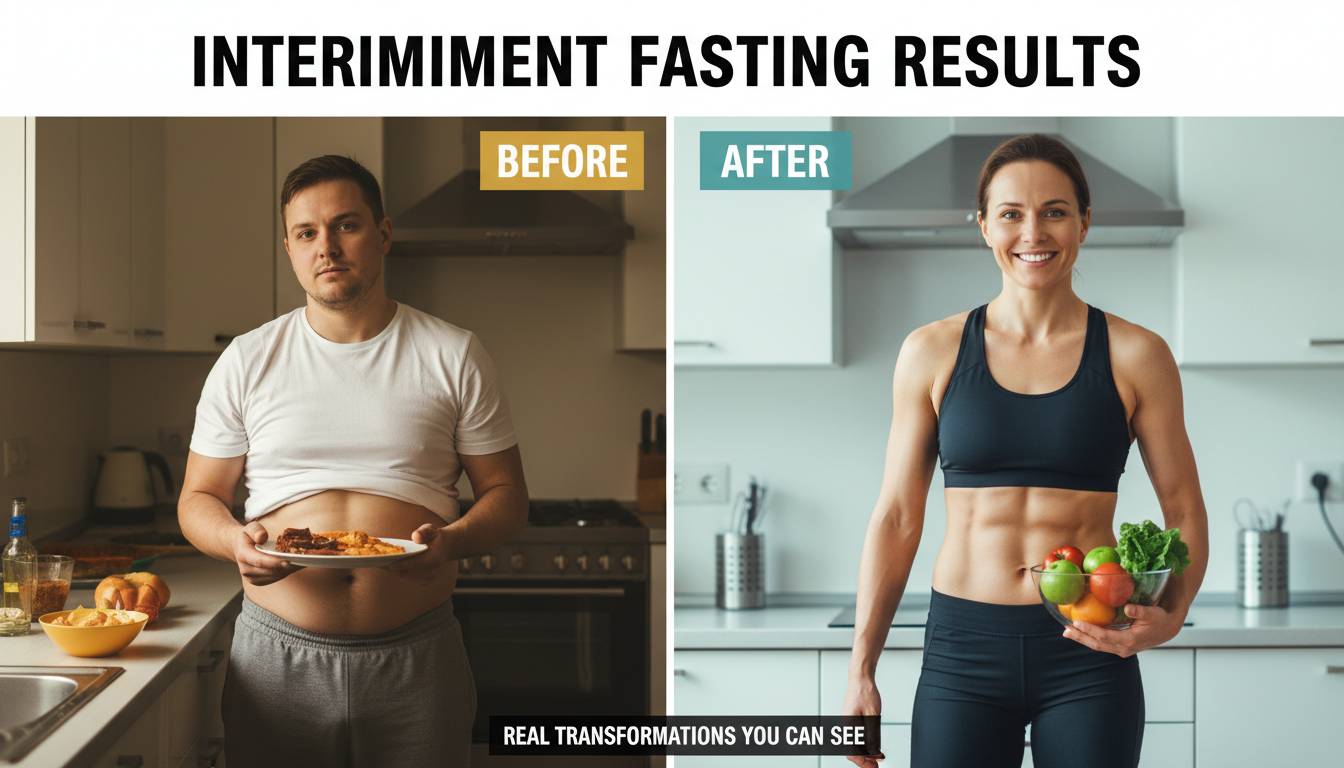
Intermittent fasting has moved from a trendy diet concept to a well-researched lifestyle approach, with millions of Americans now incorporating some form of time-restricted eating into their daily routines. But what can you actually expect when you start intermittent fasting? The results go far beyond just weight loss, though that’s often the primary motivation. Research from institutions like Johns Hopkins Medicine, the National Institutes of Health, and universities worldwide has documented a range of transformations that practitioners experience—from metabolic improvements to changes in energy levels and mental clarity.
If you’re considering intermittent fasting or have already started, understanding what real results look like can help you set realistic expectations and stay motivated. This guide breaks down the documented outcomes, explains the science behind them, and addresses the questions most people have when beginning their intermittent fasting journey.
Understanding Intermittent Fasting Methods
Before exploring results, it’s important to understand the different approaches to intermittent fasting, as results can vary based on which method you choose.
The 16:8 method is the most popular approach, involving 16 hours of fasting and an 8-hour eating window. Most people achieve this by skipping breakfast and eating between noon and 8 PM, though the timing can be adjusted to fit your schedule.
The 5:2 diet involves eating normally for five days of the week and restricting calories to 500-600 on two non-consecutive days. This approach tends to be less sustainable for some people but can produce significant results.
Alternate-day fasting cycles between normal eating days and fasting days, while OMAD (one meal a day) compresses your eating into a single hour-long window. The latter is more aggressive and typically recommended only for those with experience with intermittent fasting.
Research published in the Annual Review of Nutrition has shown that the metabolic benefits of intermittent fasting are relatively consistent across different methods, though adherence rates vary significantly. The best method is ultimately the one you can sustain long-term.
Weight Loss Results
Weight loss remains the most common reason people try intermittent fasting, and the results can be significant. A 2022 systematic review and meta-analysis published in JAMA Network Open analyzed 25 randomized controlled trials and found that intermittent fasting produced an average weight loss of 5-10% of initial body weight over periods of 8-24 weeks.
The mechanism behind this weight loss involves several factors. During the fasting window, your body depletes its glycogen stores and begins burning stored fat for energy. Additionally, intermittent fasting has been shown to reduce overall calorie intake naturally, as many people find they eat less when their eating window is restricted.
Most people see initial results within the first two weeks, with the scale dropping faster in the beginning due to water weight. After the initial phase, weight loss typically stabilizes to about 1-2 pounds per week for those following the method consistently. The results tend to be most pronounced in the first three months, after which the body may adapt and weight loss slows.
It’s worth noting that intermittent fasting appears to preserve muscle mass better than traditional calorie restriction in some studies. Research from the University of Alabama at Birmingham found that alternate-day fasting resulted in similar fat loss to daily calorie restriction but better preservation of lean muscle tissue.
Metabolic Health Improvements
Beyond the number on the scale, intermittent fasting produces meaningful changes in metabolic markers that have long-term health implications.
Insulin sensitivity improves significantly in many practitioners. A study published in Cell Metabolism followed prediabetic men who practiced early time-restricted eating (fasting for 18 hours starting dinner) and found that their insulin levels dropped by more than half during the fasting period within just five weeks. This is particularly significant because improved insulin sensitivity reduces the risk of developing type 2 diabetes.
Blood sugar control shows measurable improvements in as little as 4-12 weeks. Multiple studies have documented reductions in fasting glucose levels and HbA1c (a measure of long-term blood sugar control) in people with prediabetes and type 2 diabetes who practice intermittent fasting.
Cholesterol and lipid profiles also tend to improve. Research from the University of Illinois found that 8 weeks of alternate-day fasting led to significant reductions in LDL cholesterol (the “bad” cholesterol), triglycerides, and total cholesterol, while HDL cholesterol (the “good” cholesterol) either remained stable or increased.
Blood pressure reductions are commonly reported, with studies showing systolic blood pressure decreases of 3-9 mm Hg in hypertensive subjects practicing intermittent fasting for 8-12 weeks.
These metabolic improvements occur even before significant weight loss, suggesting that the fasting state itself triggers beneficial biological processes independent of body composition changes.
Energy and Mental Performance
Many practitioners report substantial improvements in energy levels and cognitive function, though individual experiences vary.
During the initial adjustment period (typically 1-2 weeks), many people experience fatigue, irritability, and difficulty concentrating while their bodies adapt to the new eating pattern. This is often called the “fasting flu” and is a normal response to changing feeding patterns.
After the adaptation phase, many practitioners report sustained energy throughout the day without the afternoon slumps they previously experienced. Research suggests this may relate to more stable blood sugar levels and improved metabolic flexibility—the body’s ability to efficiently switch between burning carbohydrates and burning fat.
Mental clarity and focus improve for many people during the fasting state. A study published in Nature Reviews Neuroscience explained that fasting triggers cellular repair processes including autophagy (the body’s way of cleaning out damaged cells) and may enhance brain function by increasing production of brain-derived neurotrophic factor (BDNF), a protein that supports neuron health and cognitive function.
Some people also report improved mood and reduced anxiety, though research in this area is less conclusive. The discipline of successfully completing fasts can also build confidence and self-efficacy, which may contribute to improved mental well-being.
Physical Performance Outcomes
Intermittent fasting affects physical performance, and the results depend on your starting point and goals.
For those primarily seeking weight loss and general fitness, intermittent fasting typically does not impair and may even enhance performance after the adaptation period. Many runners, cyclists, and gym-goers successfully train in a fasted state.
However, early studies on elite athletes have shown mixed results. Some research suggests that extreme fasting protocols may slightly reduce high-intensity performance, while others show no significant impact. Most experts agree that individuals with demanding athletic goals should carefully time their eating windows around their most intense workouts.
Recovery between workouts may actually improve with intermittent fasting. Some research suggests that the cellular repair processes activated during fasting can enhance recovery, though more studies are needed to confirm this effect.
For the majority of practitioners who exercise moderately (3-5 times per week for general fitness), intermittent fasting does not negatively impact performance once adapted. Many report feeling lighter and more agile during workouts, particularly in endurance activities.
Realistic Timelines and Expectations
Understanding when results typically appear helps set appropriate expectations.
Week 1-2: Initial adaptation phase. You may experience hunger, irritability, fatigue, and difficulty concentrating. Some people also notice constipation or other digestive changes as their eating pattern shifts.
Week 3-4: Energy levels often stabilize. Initial water weight may have been lost. Many people report beginning to feel better and notice clothes fitting differently, even if the scale hasn’t moved dramatically.
Month 2-3: More consistent weight loss typically occurs. Metabolic improvements begin showing up in blood work. The eating pattern usually starts feeling more natural.
Month 4-6: Weight loss may slow as the body adapts. This is when habits solidify. Many people report that fasting has become routine and feels less difficult.
Month 6+: Long-term results stabilize. Maintenance becomes the focus. Studies show that most people who stick with intermittent fasting for six months are able to maintain their weight loss and health improvements long-term.
Individual results vary significantly based on age, starting weight, adherence, metabolism, and other factors. Some people see dramatic changes within weeks; others require more patience.
Factors That Influence Your Results
Several variables determine how well intermittent fasting works for you.
Age plays a role—younger people tend to see faster metabolic results, while older adults may need more time to experience the same benefits. However, older adults often see meaningful improvements in other areas like insulin sensitivity.
Starting metabolic health affects results significantly. People with metabolic syndrome, insulin resistance, or obesity typically see faster initial weight loss and more dramatic metabolic improvements than those who are already metabolically healthy.
Consistency and adherence matter more than perfection. Research consistently shows that people who maintain their fasting routine most days see better results than those who follow it strictly but then abandon it during weekends or stressful periods.
Sleep quality and stress management interact with intermittent fasting. Poor sleep and high stress can blunt the benefits and make fasting more difficult. Prioritizing 7-9 hours of sleep and incorporating stress-reduction practices enhances results.
Exercise timing and nutrition quality within your eating window influence outcomes. While intermittent fasting allows flexibility, eating whole, nutrient-dense foods and timing workouts appropriately optimize results.
Frequently Asked Questions
How long does it take to see results from intermittent fasting?
Most people notice initial changes within 2-4 weeks, including improved energy and reduced bloating. Visible weight loss typically begins within 2-6 weeks, with more significant results appearing after 8-12 weeks of consistent practice. Metabolic improvements can be measured through blood work within 4-12 weeks.
Is intermittent fasting safe for everyone?
Intermittent fasting is generally safe for healthy adults, but it’s not appropriate for everyone. People with a history of eating disorders, pregnant or breastfeeding women, individuals with diabetes who use insulin, and those with certain medical conditions should consult a healthcare provider before starting. Children and adolescents should not practice intermittent fasting without medical supervision.
Will I lose muscle mass doing intermittent fasting?
Research suggests that intermittent fasting may actually help preserve muscle mass better than traditional calorie restriction, particularly when combined with resistance training. However, extremely aggressive fasting protocols or inadequate protein intake during your eating window can lead to muscle loss. Ensuring adequate protein (0.7-1 gram per pound of body weight) helps maintain muscle.
Can I exercise while fasting?
Yes, most people can exercise during their fasting window. However, you may want to adjust the timing or intensity based on how you feel. Some people prefer morning workouts fasted, while others do better eating first. Listen to your body and experiment to find what works best for you.
What can I drink during my fasting window?
Water, plain sparkling water, black coffee, and unsweetened tea contain negligible calories and won’t break your fast. Anything with calories—even small amounts like milk in coffee—technically breaks your fast and may trigger an insulin response. Most practitioners find that black coffee and tea are fine and can actually help manage hunger.
How do I know if intermittent fasting is working for me?
Beyond the scale, track other indicators: energy levels throughout the day, mental clarity, sleep quality, how clothes fit, and metabolic markers if you get blood work. Some people stall on the scale but see improvements in other areas. If you feel better and are seeing positive changes in non-scale metrics, intermittent fasting is likely working for you even if weight loss is slower than expected.
Conclusion
Intermittent fasting produces measurable results that extend beyond weight loss to encompass metabolic health improvements, enhanced mental clarity, and sustainable energy levels. The key to success lies in choosing a method you can maintain, setting realistic expectations for the timeline, and understanding that the initial adaptation period requires patience.
Start with the 16:8 method if you’re new to intermittent fasting, give yourself at least 4-6 weeks to assess how your body responds, and pay attention to non-scale indicators of progress like energy, sleep quality, and mental focus. Remember that consistency matters more than perfection—even partial adherence to your fasting routine can produce meaningful benefits over time.
As with any significant dietary change, consult with a healthcare provider if you have underlying health conditions or concerns. With realistic expectations and commitment, intermittent fasting can become a sustainable practice that transforms not just your body, but how you feel day to day.