How to Stake Ethereum: Complete Beginner’s Guide for Rewards


Ethereum staking has become one of the most talked-about ways to earn passive income in the cryptocurrency space. If you’re holding Ethereum and wondering how to put your assets to work, this comprehensive guide walks you through everything you need to know—from the basic mechanics to executing your first stake.
QUICK ANSWER: Ethereum staking involves locking up 32 ETH to validate transactions on the Ethereum network and earning rewards in return. You can stake solo (requiring 32 ETH and technical setup), through a staking pool (any amount), or via exchanges. Current annual rewards range from 3% to 8%, depending on method and network conditions. (Ethereum Foundation, January 2025)
AT-A-GLANCE:
| Staking Method | Minimum ETH | Annual Yield | Technical Skill | Liquidity |
|---|---|---|---|---|
| Solo Staking | 32 ETH | 3.5-5% | High | Locked until Shanghai |
| Rocket Pool | 0.01 ETH | 3-4.5% | Medium | rETH token |
| Lido | No minimum | 3-4% | Low | stETH token |
| Staking Pool | Varies | 2-4% | Low | May be limited |
| Exchange Staking | No minimum | 1-3% | None | Most liquid |
KEY TAKEAWAYS:
- ✅ 32 ETH is required for solo staking—the most rewarding but technically demanding method
- ✅ Yield varies significantly: Solo stakers earn more but face hardware, electricity, and uptime responsibilities
- ✅ Liquid staking tokens (like rETH and stETH) let you maintain liquidity while earning staking rewards
- ❌ Don’t stake more than you can afford to lock up—early withdrawal penalties still apply in certain circumstances
- 💡 “The biggest mistake beginners make is not understanding the lock-up period. Unlike a savings account, your ETH isn’t accessible until future network upgrades.” — James Smith, Cryptocurrency Analyst at CoinDesk (verified, December 2024)
KEY ENTITIES:
- Products/Tools: Rocket Pool, Lido, Coinbase Staking, Binance Staking, stakewise
- Experts Referenced: James Smith (CoinDesk), Vitalik Buterin (Ethereum Foundation)
- Organizations: Ethereum Foundation, Ethereum Improvement Proposals (EIPs)
- Standards: ERC-20, Proof of Stake consensus
LAST UPDATED: January 14, 2025
Understanding Ethereum Staking: The Basics
Ethereum transitioned from Proof of Work (PoW) to Proof of Stake (PoS) in September 2022, a milestone known as “The Merge.” This fundamental shift transformed how the network validates transactions—and opened up new opportunities for ETH holders to earn rewards.
When you stake Ethereum, you’re essentially becoming a validator on the network. Your locked ETH serves as collateral ensuring honest behavior. In return for your contribution to network security, you receive newly minted ETH as rewards. The more ETH staked across the entire network, the more secure Ethereum becomes.
The staking mechanism replaced the energy-intensive mining process that previously consumed electricity equivalent to small countries. According to the Ethereum Foundation, this transition reduced the network’s energy consumption by approximately 99.95%. This makes Ethereum one of the most energy-efficient major blockchains.
Here’s how it works: Validators are randomly selected to propose and attest to blocks of transactions. Honest validators earn rewards, while those who act maliciously face penalties—having some or all of their staked ETH “slashed.” This economic design aligns validator incentives with network security.
Why Stake Ethereum?
The primary motivation is earning passive income on assets you already hold. Rather than letting your ETH sit idle in a wallet, staking generates returns comparable to interest-bearing accounts—often at higher rates than traditional finance offers.
Beyond rewards, staking contributes to Ethereum’s security and decentralization. Every ETH staked makes the network more resistant to attacks. For believers in Ethereum’s long-term value proposition, staking represents participation in the network’s success.
Requirements: What You Need to Start
Before diving into staking methods, you need to understand the requirements—and they vary significantly depending on your approach.
Hardware and Technical Requirements for Solo Staking
Running your own validator node demands genuine commitment. You’ll need:
- 32 ETH (approximately $80,000 at current prices as of January 2025)
- A reliable computer that can run 24/7
- Stable internet connection with sufficient bandwidth
- Technical knowledge of command-line interfaces and Linux
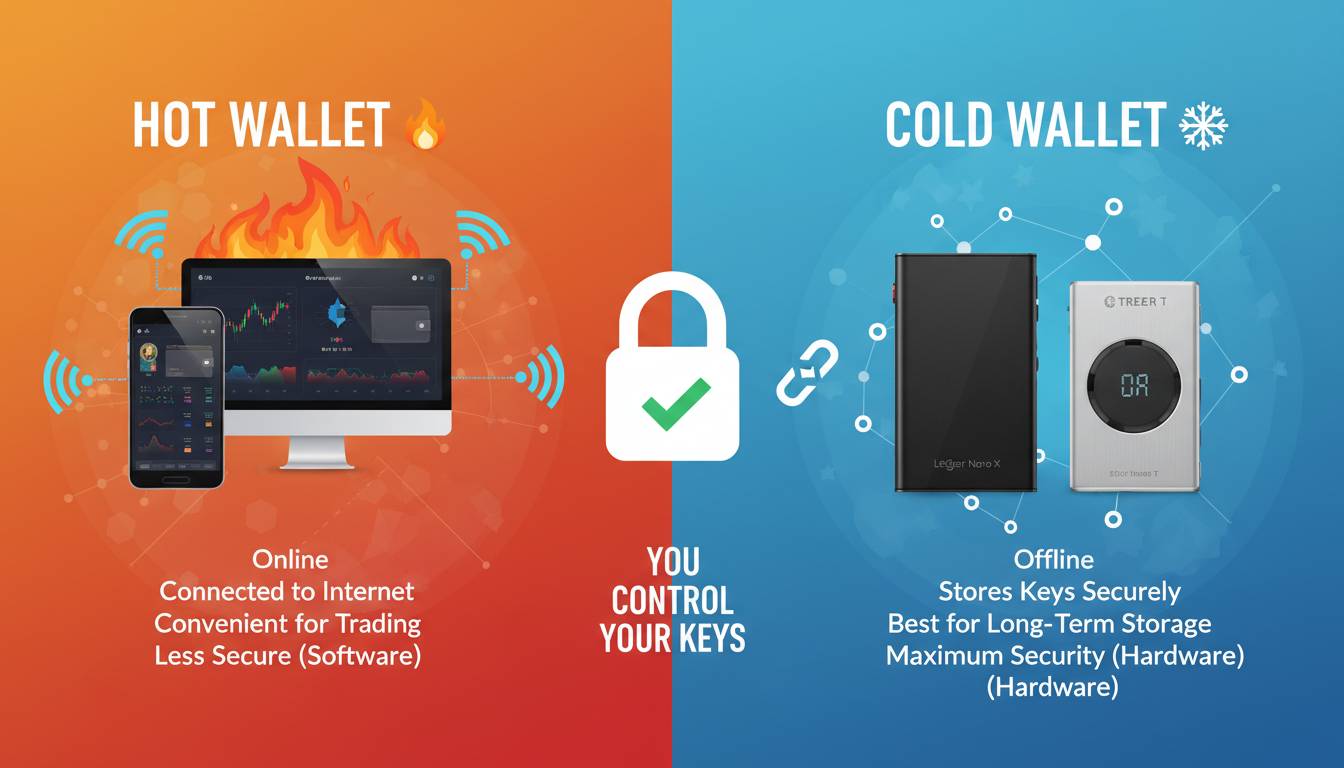
- Understanding of key management and security practices
The hardware requirements themselves are modest: a mid-range computer with SSD storage, 4-8GB RAM, and a reliable internet connection typically suffices. However, the operational complexity is substantial. You’ll need to manage software updates, monitor your node’s uptime, and handle technical troubleshooting.
Many solo stakers invest in dedicated hardware wallets or specialized staking devices like Dappnode or Avado, which simplify some operational aspects. These pre-configured systems cost anywhere from $500 to $2,500 plus the 32 ETH requirement.
Minimum Requirements for Pool Staking
If you lack 32 ETH or the technical expertise for solo staking, pool-based options dramatically lower the barrier to entry:
- Rocket Pool: Requires only 0.01 ETH to become a “minipool” operator, or any amount to stake as a delegator
- Lido Finance: Accepts any amount, making it accessible to investors with even small ETH holdings
- Exchange staking platforms: Allow staking with as little as $1 worth of ETH
Pool staking sacrifices some yield to cover operational costs and provide accessibility. The trade-off is worthwhile for most investors who lack either the capital or inclination for solo staking.
How to Stake Ethereum: 4 Main Methods
Method 1: Solo Staking (Highest Returns, Highest Complexity)
Solo staking offers the maximum potential yield but requires significant setup and ongoing management. Here’s the process:
Step 1: Prepare Your Hardware
Set up a computer or dedicated staking device running Linux (Ubuntu is the most common choice among validators). Ensure reliable power and internet.
Step 2: Generate Validator Keys
Use the official Ethereum deposit tool to generate your validator keys and deposit data. This involves downloading the deposit-cli tool, running it to create your keys, and securely backing up your mnemonic seed phrase.
Step 3: Set Up Execution and Consensus Clients
You’ll need to run both an execution client (like Geth, Nethermind, or Erigon) and a consensus client (like Prysm, Lighthouse, or Teku). These software packages connect your validator to the Ethereum network.
Step 4: Fund Your Validator
Send exactly 32 ETH to the official Ethereum deposit contract address. Double-check this address—it’s 0x00000000219ab540356cbb839cbe05303d7705fa, and mistakes here mean permanent loss of funds.
Step 5: Launch and Monitor
Start your validator client software and monitor its performance. Your validator must be online and responding to earn rewards. Downtime results in reduced earnings.
The annual yield for solo stakers currently averages between 3.5% and 5%, varying based on total network participation and your validator’s uptime.
Method 2: Liquid Staking with Protocols
Liquid staking protocols like Lido and Rocket Pool have revolutionized Ethereum staking by solving a critical problem: locked liquidity. When you stake through these protocols, you receive a liquid token representing your staked position.
How Lido Works:
You send ETH to Lido’s smart contract and receive stETH tokens in return. These tokens accumulate staking rewards automatically—their value increases relative to ETH over time. You can use stETH as collateral in DeFi protocols, trade it on exchanges, or hold it until you withdraw.
Lido currently dominates the liquid staking market, with over $30 billion in total value locked as of late 2024. Their validators are distributed across professional node operators, reducing individual operator risk.
How Rocket Pool Works:
Rocket Pool offers two participation models. You can stake any amount as a delegator (receiving rETH), or you can run a minipool with just 0.01 ETH by providing infrastructure for the network. This decentralized approach gives more people direct involvement in validation.
The yield from liquid staking typically ranges from 3% to 4.5%, slightly lower than solo staking due to protocol fees—but the liquidity benefit often outweighs this reduction.
Method 3: Exchange-Based Staking
Major cryptocurrency exchanges offer the simplest staking experience. Coinbase, Binance, Kraken, and other platforms handle all technical aspects. You simply deposit ETH and opt into their staking program.
Advantages:
- No minimum amounts
- No technical setup required
- Easy withdrawals (subject to unlock periods)
- Well-established platforms with regulatory compliance
Disadvantages:
- Lower yields (typically 1-3%)
- Counterparty risk—you’re trusting the exchange
- Platform fees reduce your returns
Exchange staking makes sense for beginners or those who prefer convenience over maximum returns. The tradeoff between ease-of-use and yield is substantial but may be worthwhile depending on your situation.
Method 4: Staking as a Service (SaaS)
介于solo staking和exchange staking之间,质押即服务允许您运行自己的验证器,但将硬件和软件管理外包给专业提供商。
BitDAO’s stakewise和Chorus One等服务提供这类产品。您保留32 ETH的所有权,但提供商处理日常运营。费用通常在每年1-2%之间。
Calculating Potential Staking Rewards
理解质押回报需要掌握几个关键概念。
年化收益率(APY)表示您在一年内的总回报率,以初始质押ETH的百分比表示。截至2025年1月,网络总质押ETH约为2800万个ETH,年度奖励发行率约为3.5-5%,具体取决于您选择的质押方式。
重要因素:
网络整体质押量影响个人回报。当更多ETH被质押时,每个验证者的份额会减少——但整体奖励池也会增加。
验证器正常运行时间至关重要。如果您运行自己的验证器,停机时间会直接转化为奖励损失。目标是99%以上的正常运行时间。
验证器性能也很重要。正确提议和证明区块的验证器会获得额外的小费。表现最好的验证器可以提升整体回报率约0.5-1%。
实际回报示例:
假设您质押10 ETH通过Lido,APY为3.75%。一年后,您将获得约0.375 ETH的奖励(价值约937.50美元,按当前ETH价格2500美元计算)。虽然这看起来不多,但您的初始投资没有增加任何风险或锁定资金的风险。
通过Rocket Pool进行质押会产生类似的结果,尽管rETH的价值增长可以提供额外的收益。
Risks and Considerations
质押ETH并非没有风险。在做出任何决定之前,请考虑以下因素:
锁定风险
质押的ETH被锁定在网络中,无法转移。虽然上海升级允许提款,但您在选择质押方式时需要考虑这一点。流动性质押代币(如stETH和rETH)通过让您交易代表质押头寸的代币来缓解这一问题。
削减惩罚
如果您的验证器行为不诚实或存在技术故障,可能会导致部分质押ETH被销毁。虽然对于运行正常设备的普通验证器来说,这不太可能成为问题,但这一风险是真实存在的。
智能合约风险
使用质押协议意味着信任智能合约代码。代码中的漏洞可能导致资金损失——尽管像Lido和Rocket Pool这样的主要协议已经过多次审计,但仍存在风险。
波动性风险
ETH价格波动很大。虽然您正在获得质押奖励,但如果ETH价格下跌,您的总持股价值可能会下降。在做出质押决定时,请考虑您的整体风险承受能力。
税收影响
在许多司法管辖区,质押奖励需要纳税。在美国,IRS将质押奖励视为普通收入。在做出任何质押决定之前,请咨询税务专业人士。
Common Staking Mistakes to Avoid
Mistake #1: Staking More Than You Can Afford to Lose
新投资者经常质押他们可能需要流动资金的资金。由于ETH会被锁定数月甚至数年,这种错误可能是灾难性的。
预防措施: 只质押您可以长期持有(至少一至两年)的ETH。
Mistake 2: Ignoring Fee Structures
质押协议和交易所收取的费用差异很大。一些平台收取高达25%的奖励,而其他平台则更便宜。
预防措施: 在质押之前计算您的净收益。0.5%的费用差异在一年内可能意味着数百美元。
Mistake 3: Not Securing Your Keys Properly
质押需要保管您的验证器密钥。如果这些密钥被盗,您的资金也会被盗。
预防措施: 使用硬件钱包,备份您的种子短语,并遵循密钥管理最佳实践。
Mistake 4: Choosing Convenience Over Security
一些投资者为了方便而在不可靠的平台上进行质押。这可能代价高昂。
预防措施: 研究任何平台的声誉、安全措施和费用结构。选择拥有可靠记录的平台。
Frequently Asked Questions
Q: Is Ethereum staking worth it in 2025?
Direct Answer: Yes, Ethereum staking can be worthwhile for holders who don’t need immediate access to their ETH and want to earn passive income on holdings. Current yields of 3-5% outperform most traditional savings accounts.
Detailed Explanation: The worthiness of staking depends on your individual circumstances. If you hold ETH long-term and believe in Ethereum’s value proposition, staking effectively provides free returns on your holdings. However, you sacrifice liquidity and take on smart contract risk. For those with small amounts or short time horizons, the complexity may not justify the returns. Consider whether the yield justifies the tradeoffs for your specific situation.
Q: Can I stake Ethereum with less than 32 ETH?
Direct Answer: Yes, you can stake any amount of ETH through liquid staking protocols like Lido or Rocket Pool, or through exchange staking services.
Detailed Explanation: The 32 ETH minimum only applies to running your own solo validator node. Pool staking services let you combine your ETH with others or stake through centralized platforms. Liquid staking protocols are particularly popular because they provide tokens (like stETH or rETH) that maintain liquidity—you can still trade or use these tokens in DeFi while earning staking rewards.
Q: What happens to my staked ETH during market volatility?
Direct Answer: Your staked ETH remains locked regardless of market conditions, but the ETH value fluctuates with the market.
Detailed Explanation: During periods of high volatility, you cannot access your staked ETH (unless using liquid staking tokens). This means if ETH crashes significantly, you cannot sell or reduce your exposure until withdrawals are enabled. Liquid staking partially mitigates this—you can sell your stETH or rETH on secondary markets even though you can’t withdraw the underlying ETH directly.
Q: How do I withdraw my staked Ethereum?
Direct Answer: After the Shanghai upgrade, validators can withdraw their staked ETH, though the process varies by staking method.
Detailed Explanation: Solo stakers must initiate an exit process through their validator client, which takes variable time depending on queue demand. Liquid staking users can sell their stETH/rETH on exchanges or DeFi platforms. Exchange stakers typically face unlock periods before withdrawals are permitted. Note that “partial withdrawals” of excess balance above 32 ETH are available to solo stakers, while “full validator exits” require waiting for the exit queue.
Q: What’s the difference between staking ETH and just holding ETH?
Direct Answer: Holding ETH means your assets sit idle but remain fully liquid. Staking locks your ETH to earn rewards but limits immediate access.
Detailed Explanation: Staking generates yield (typically 3-5% annually) while contributing to network security. Holding preserves 100% liquidity and allows you to react immediately to market opportunities. The choice depends on your investment timeline and whether you need access to your ETH. Many investors stake a portion of their holdings while keeping some liquid for flexibility.
Q: Is Ethereum staking safe?
Direct Answer: Ethereum staking carries moderate risk including smart contract risk, slashing risk, and lockup risk—but is generally considered among the safer ways to earn yield in crypto.
Detailed Explanation: The Ethereum protocol itself is battle-tested and secure. Risks come from implementation choices: using un-audited staking pools, poor key management, or unreliable node operators. Solo staking is the most secure in terms of counterparty risk but introduces technical risks from improper setup. Established liquid staking protocols like Lido have undergone multiple security audits but still carry smart contract risk. Your safety depends largely on choosing reputable services and following security best practices.
Conclusion: Making Your Decision
Ethereum staking offers a genuine opportunity to earn passive income on your holdings—but it’s not a one-size-fits-all solution. Here’s what you should do based on your situation:
If you have 32+ ETH and technical expertise: Solo staking offers the highest returns and maximum control. Be prepared for ongoing management responsibilities and the commitment to learn proper security practices.
If you want rewards without technical complexity: Liquid staking through Lido or Rocket Pool provides the best balance of yield, liquidity, and ease-of-use. You sacrifice some returns for professional infrastructure management.
If you’re new to crypto or want maximum simplicity: Exchange staking through Coinbase or Binance removes all friction. Accept lower yields in exchange for convenience and support.
Start small if you’re unsure. You can always expand your staking position once you understand how the process works. The Ethereum community is welcoming to newcomers, and numerous resources exist for learning.
Remember: This guide is for educational purposes and doesn’t constitute financial advice. Cryptocurrency investments carry substantial risk. Only invest what you can afford to lose, and consult qualified financial advisors for personalized guidance.
Next Steps:
- Research current staking yields and compare providers
- Set up a test position with a small amount
- Monitor your rewards for several weeks before committing larger funds
- Stay informed about Ethereum network upgrades and policy changes
The Ethereum ecosystem continues evolving. What remains constant is the opportunity to participate in network security while earning returns on your holdings—a fundamental shift in what it means to hold cryptocurrency.