
HIIT Workouts for Fat Loss: Burn Calories Fast & Get Lean

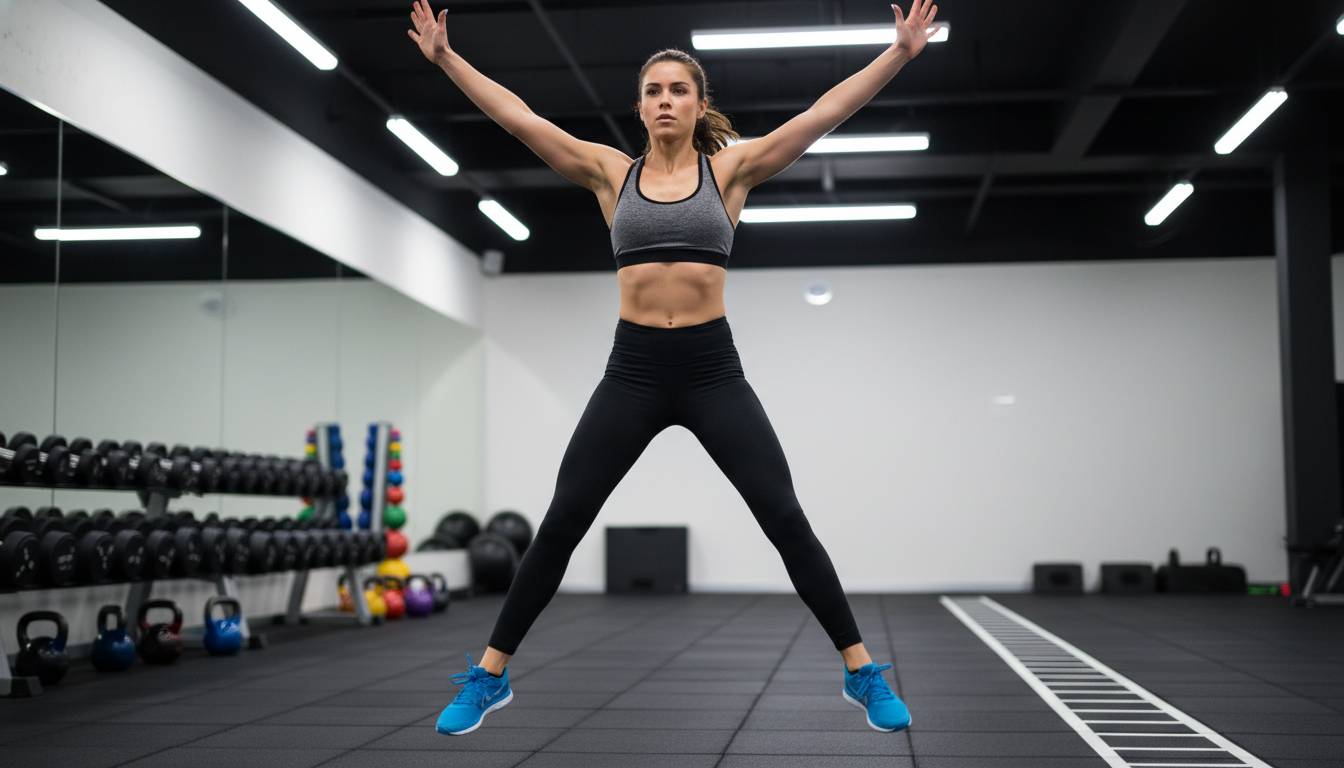
If you’re looking to maximize fat burning in minimum time, high-intensity interval training (HIIT) might be the most efficient tool in your fitness arsenal. This workout method alternates between intense bursts of activity and fixed periods of less-intense activity or rest, creating a challenging cardiovascular workout that torches calories both during and after exercise.
The popularity of HIIT has exploded in recent years, with gym-goers and home fitness enthusiasts alike embracing its time-efficient approach. Unlike traditional steady-state cardio that requires 45 to 60 minutes to see significant calorie burn, HIIT workouts typically last between 10 and 30 minutes while delivering comparable—or even superior—fat loss results.
What makes HIIT particularly compelling is its versatility. Whether you prefer running, cycling, swimming, bodyweight exercises, or rowing, the interval principle can be applied to virtually any form of exercise. This flexibility, combined with the significant time savings, has made HIIT a favorite among busy professionals, parents, and anyone struggling to fit traditional workouts into their schedule.
In this comprehensive guide, we’ll explore the science behind HIIT for fat loss, examine different protocols and workout structures, discuss practical considerations for getting started, and address common questions about maximizing your results.
The Science Behind HIIT and Fat Loss
How HIIT Burns Fat More Efficiently
The fundamental mechanism that makes HIIT so effective for fat loss revolves around energy system engagement and metabolic disturbance. When you exercise at high intensity, your body relies primarily on carbohydrate stores (glycogen) for fuel. However, the intense effort also creates a significant oxygen debt that must be repaid during recovery periods.
This is where the magic happens. During the recovery phases of a HIIT workout, your body works overtime to restore oxygen levels, replenish energy stores, and repair muscle tissue. This process, known as excess post-exercise oxygen consumption (EPOC), keeps your metabolism elevated for hours after you’ve finished exercising. Research indicates that EPOC can elevate metabolic rate by 6 to 15 percent for up to 24 hours following a HIIT session, meaning your body continues burning calories long after you’ve left the gym.
In contrast, steady-state cardio at moderate intensity primarily uses fatty acids as fuel during exercise but produces minimal EPOC effect. While you burn a higher percentage of fat during the actual workout, the total caloric expenditure and the afterburn effect are typically lower than with HIIT.
The Muscle Preservation Advantage
One of the most significant benefits of HIIT for fat loss is its ability to preserve lean muscle tissue while promoting fat loss. Traditional prolonged cardio sessions, especially when performed in a caloric deficit, can lead to muscle loss alongside fat loss. This is problematic because muscle tissue is metabolically active—it burns calories even at rest. Losing muscle can therefore slow your metabolism and make long-term weight management more difficult.
HIIT, particularly protocols that incorporate resistance-based movements, stimulates muscle fiber recruitment and growth while simultaneously driving fat loss. The high-intensity nature of these workouts signals to your body that muscle tissue is necessary for survival, helping to protect against the catabolic effects of caloric restriction.
Hormonal Response to High-Intensity Exercise
HIIT triggers beneficial hormonal responses that support fat loss. The intense physical stress stimulates the release of catecholamines (including adrenaline and noradrenaline), which mobilize fatty acids from adipose tissue and make them available for energy use. Growth hormone levels also increase during HIIT sessions, further supporting fat oxidation and muscle preservation.
Additionally, HIIT has been shown to improve insulin sensitivity. Better insulin sensitivity means your body is more efficient at shuttling nutrients into muscle cells rather than storing them as fat, creating a favorable environment for fat loss and metabolic health.
Understanding Different HIIT Protocols
Tabata Training
Developed by Japanese researcher Dr. Izumi Tabata in the 1990s, this protocol consists of 20 seconds of maximum effort followed by 10 seconds of rest, repeated for eight rounds (four minutes total). Originally designed to improve anaerobic capacity in Olympic speed skaters, Tabata has become one of the most popular HIIT formats for general fitness and fat loss.
The beauty of Tabata lies in its simplicity and brevity. The protocol is intense—you’re working at maximum capacity during those 20-second intervals—but the total workout time is minimal. For fat loss purposes, research suggests that performing two to three Tabata sessions per week can produce meaningful results when combined with proper nutrition and adequate recovery.
Sprint Interval Training (SIT)
Sprint interval training involves shorter work periods at absolute maximum effort, typically lasting 10 to 30 seconds, with longer recovery periods. Originally studied by researchers at McMaster University in Canada, SIT protocols often follow a pattern of 30 seconds “all-out” sprinting followed by four to five minutes of easy cycling or walking, repeated four to six times.
The McMaster protocol, sometimes called the “4-second” protocol (though the sprints actually last 30 seconds), has been shown to produce similar cardiovascular and metabolic improvements as traditional endurance training requiring five times the time commitment. This makes SIT particularly appealing for individuals with severely time-constrained schedules.
Traditional Interval Training
The classic interval format uses longer work periods—typically 30 seconds to three minutes—at near-maximum effort (around 80 to 90 percent of maximum heart rate), followed by equal or slightly longer recovery periods. This approach allows for more total work volume than Tabata or SIT while still maintaining the high-intensity principle.
Traditional intervals are excellent for building aerobic capacity and endurance while burning significant calories. They’re also more accessible for beginners who may struggle with the extreme intensity of Tabata or the all-out sprints required in SIT protocols.
Circuit-Based HIIT
Circuit training combines resistance exercises with cardiovascular intervals, creating a full-body fat-burning workout. A typical circuit might include exercises like burpees, jump squats, mountain climbers, and kettlebell swings, performed back-to-back with minimal rest between movements, followed by a longer rest period after completing the entire circuit.
This format is particularly effective for fat loss because it combines the muscle-building benefits of resistance training with the cardiovascular challenges of interval work. Many people find circuit-based HIIT more enjoyable than purely cardio-focused intervals, which can improve adherence over time.
Structuring Your HIIT Fat Loss Program
Workout Frequency and Scheduling
For optimal fat loss results, aim to perform HIIT sessions two to four times per week. This frequency provides sufficient stimulus for improvement while allowing adequate recovery between sessions. Attempting HIIT daily can lead to overtraining, increased injury risk, and diminishing returns as your body cannot fully recover between sessions.
When scheduling your week, consider placing HIIT workouts on non-consecutive days. If you’re new to high-intensity training, start with two sessions per week and gradually increase frequency as your fitness improves. More advanced exercisers may handle four sessions, though this should typically include at least one active recovery day.
Balancing HIIT with Other Training
HIIT should complement, not replace, your overall fitness program. While excellent for fat loss and cardiovascular conditioning, HIIT does not provide the same stimulus for muscular strength and hypertrophy as traditional resistance training. For the best body composition results, combine HIIT with strength training sessions two to three times per week.
This combination addresses multiple fitness goals simultaneously: HIIT burns calories and improves metabolic health while strength training builds lean muscle, further supporting your metabolism. Many successful fat loss programs alternate between HIIT and strength training days, allowing adequate recovery for each system.
Creating Progressive Overload
As with any exercise program, progressive overload is essential for continued improvement. In HIIT context, this can mean increasing work interval duration, decreasing rest periods, adding more rounds to your workout, or increasing the intensity of your work intervals.
Keep a workout log to track your performance. Note the exercises used, work-to-rest ratios, number of rounds, and how you felt during the session. As you become fitter, challenge yourself to improve specific metrics—perhaps shaving 10 seconds off your recovery time or adding one additional round to your routine.
Essential HIIT Exercises and Workout Templates
Bodyweight HIIT Workout
This no-equipment workout can be performed anywhere:
Warm-Up (3 minutes):
- Jumping jacks: 30 seconds
- High knees: 30 seconds
- Bodyweight squats: 30 seconds
- Arm circles: 30 seconds
- Lunges: 30 seconds
Main Workout (repeat 3-4 rounds):
- Burpees: 30 seconds work, 15 seconds rest
- Mountain climbers: 30 seconds work, 15 seconds rest
- Jump squats: 30 seconds work, 15 seconds rest
- High knees: 30 seconds work, 15 seconds rest
- Plank jacks: 30 seconds work, 15 seconds rest
Cool-Down (3 minutes):
- Walking in place: 30 seconds
- Static quad stretch: 30 seconds each leg
- Hamstring stretch: 30 seconds each leg
- Child’s pose: 30 seconds
- Deep breathing: 30 seconds
Cardio Machine HIIT Workout
If you have access to a treadmill, bike, or rower:
Format: 1:2 work-to-rest ratio
- Interval 1: 45 seconds moderate-hard, 90 seconds easy (repeat 4 times)
- Interval 2: 30 seconds very hard, 60 seconds easy (repeat 4 times)
- Interval 3: 15 seconds maximum effort, 45 seconds easy (repeat 4 times)
This descending intensity format allows you to go increasingly hard as your body warms up, maximizing the workout’s overall intensity while managing fatigue.
Beginner HIIT Protocol
If you’re new to high-intensity training, start with this gentler introduction:
Work-to-rest: 1:3 ratio
- Brisk walking: 60 seconds
- Light jogging: 60 seconds (these are your “work” intervals)
- Slow walking: 180 seconds recovery
Repeat for 10 to 15 minutes, gradually increasing jogging time as fitness improves. This approach builds the cardiovascular foundation necessary for more intense HIIT protocols while minimizing injury risk.
Nutrition Considerations for HIIT Fat Loss
Pre-Workout Nutrition
Fueling appropriately before HIIT helps maximize performance and fat burning. Aim to eat a balanced meal containing protein and complex carbohydrates two to three hours before your workout, or a smaller snack containing both protein and carbs 30 to 60 minutes before training.
If you’re training in a fasted state (morning before breakfast), a small amount of easily digestible carbohydrates—like a banana or handful of berries—can provide quick energy without causing digestive discomfort. Some research suggests that fasted HIIT may enhance fat oxidation during exercise, though the long-term advantages for fat loss remain debated.
Post-Workout Recovery Nutrition
The post-workout meal is crucial for recovery and supporting the fat loss process. Consume a combination of protein (20 to 40 grams depending on your body size) and carbohydrates within 60 minutes of completing your HIIT session. This helps replenish glycogen stores, repair muscle tissue, and supports the recovery processes that drive adaptation.
Focus on whole food sources: chicken breast with sweet potato, Greek yogurt with fruit and nuts, or a protein shake with a banana are excellent post-HIIT options.
Creating the Caloric Deficit
While HIIT is exceptionally effective for burning calories, fat loss ultimately depends on energy balance—you must consume fewer calories than you burn over time. HIIT makes creating this deficit more manageable by increasing both exercise calorie expenditure and post-exercise metabolic rate.
However, drastically reducing calories while performing intense HIIT can backfire. Insufficient energy intake impairs recovery, increases injury risk, and can lead to hormonal disruption that actually hinders fat loss. Aim for a moderate caloric deficit of 300 to 500 calories per day, ensuring you’re still eating enough to support your training demands.
Common Mistakes to Avoid
Going Too Hard, Too Soon
The enthusiasm that comes with starting a new fitness program often leads to excessive intensity. Attempting maximum-effort HIIT when you’re deconditioned dramatically increases injury risk and can leave you so sore or fatigued that you abandon the program entirely.
Start with moderate-intensity intervals and progressively increase intensity over weeks and months. Listen to your body and respect the recovery process. Sustainable progress beats short-term burnout every time.
Neglecting Recovery
HIIT places significant stress on your central nervous system, muscles, and hormonal systems. Without adequate recovery, you’ll accumulate fatigue, performance will decline, and you’ll increase your risk of injury and illness.
Prioritize sleep (7 to 9 hours per night), manage stress levels, and consider incorporating active recovery activities like walking, yoga, or light swimming on rest days. If you feel persistently fatigued or notice decreased performance, take additional rest days until you’ve recovered.
Poor Form During High-Intensity Efforts
When you’re gasping for breath and your muscles are burning, proper form often goes out the window. This is when injuries occur. Before adding speed or intensity, master the fundamental movement patterns: squatting, hinging, pushing, pulling, and carrying.
During HIIT intervals, maintain awareness of your body position. Keep your core engaged, your joints slightly bent (avoiding locked positions), and move with control even during explosive movements. If you cannot maintain form, reduce intensity or switch to a simpler movement pattern.
Inconsistent Programming
Doing HIIT randomly without a structured plan yields inconsistent results. Develop a weekly schedule that specifies which days you’ll train, what protocol you’ll use, and what exercises you’ll perform. Track your workouts to ensure progressive overload and identify patterns in your performance.
Safety and Contraindications
Who Should Approach HIIT with Caution
While HIIT offers remarkable benefits, certain individuals should approach with caution or consult a healthcare professional before beginning:
- Individuals with cardiovascular disease, heart conditions, or high blood pressure
- People with joint problems or musculoskeletal injuries
- Those new to exercise or returning after a long sedentary period
- Individuals with metabolic conditions like diabetes
- Pregnant women (should modify intensity significantly)
If you have any health concerns, obtain medical clearance before beginning a HIIT program. Start slowly and prioritize proper technique over intensity.
Listening to Your Body
Understanding the difference between productive discomfort and pain is essential for safe HIIT training. Muscle fatigue and elevated heart rate are expected; sharp pain, chest tightness, dizziness, or shortness of breath that doesn’t resolve with rest are warning signs that warrant immediate medical attention.
Learn your baseline heart rate and understand what different heart rate zones feel like during exercise. Using a heart rate monitor can help you train in appropriate zones and recognize when you may be pushing into dangerous territory.
Frequently Asked Questions
How long does it take to see results from HIIT workouts for fat loss?
Most people begin noticing changes within three to four weeks of consistent HIIT training, though initial improvements in energy and workout capacity may appear within one to two weeks. Significant fat loss results typically become visible after 8 to 12 weeks, depending on nutrition, training consistency, and individual factors like starting fitness level and genetics. HIIT accelerates fat loss compared to steady-state cardio alone, but it’s not a quick fix—sustainable results require ongoing commitment to both exercise and nutrition.
Can HIIT replace steady-state cardio entirely?
While HIIT can serve as your primary form of cardiovascular training, completely eliminating steady-state exercise may not be optimal for everyone. Low-intensity cardio offers unique benefits including active recovery, active stress relief, and calorie burning with minimal fatigue. Many fitness experts recommend including both HIIT and moderate-intensity steady-state training in your program—a common approach is two to three HIIT sessions per week supplemented with one or two longer, moderate-intensity sessions.
Is HIIT better than running for fat loss?
HIIT and running both burn significant calories and can contribute to fat loss, but they work through different mechanisms. HIIT typically burns more total calories per minute and creates greater EPOC effect, while steady-state running allows for longer durations and potentially higher overall caloric expenditure in a single session. For time efficiency, HIIT outperforms running. However, running is more accessible for beginners and places less mechanical stress on certain joints. The best choice depends on your preferences, fitness level, and physical limitations.
What is the best time of day to do HIIT for fat loss?
The best time to do HIIT is whenever you can consistently fit it into your schedule and perform at your highest intensity. Some research suggests morning workouts on an empty stomach may slightly enhance fat oxidation during exercise, but this advantage is marginal and depends on individual factors. Evening workouts may allow for slightly higher performance due to warmer muscles and hormonal fluctuations. Choose a time that fits your schedule, allows for proper fueling, and doesn’t interfere with sleep.
How many calories does a typical HIIT workout burn?
A typical 20 to 30-minute HIIT session burns approximately 250 to 400 calories, depending on exercise selection, intensity, body weight, and individual metabolism. This is significantly more than the 150 to 250 calories burned in an equal-duration moderate-intensity cardio session. Remember that the EPOC effect adds an additional 50 to 150 calories to your afterburn, making the total caloric impact of HIIT substantially higher than raw exercise calorie numbers suggest.
Can I do HIIT every day for faster fat loss?
Doing HIIT daily is not recommended for most people. High-intensity training places significant stress on your central nervous system and muscles, requiring at least 48 hours of recovery between sessions for optimal adaptation. Daily HIIT increases injury risk, leads to overtraining, and can cause hormonal imbalances that actually hinder fat loss. Train HIIT two to four times per week maximum, with rest days or low-intensity activities like walking, stretching, or yoga on other days.
Conclusion
HIIT represents one of the most efficient tools available for burning fat and improving overall metabolic fitness. By challenging your body with alternating high-intensity efforts and recovery periods, you maximize caloric burn during exercise, trigger the afterburn effect that keeps your metabolism elevated for hours afterward, and preserve lean muscle tissue that supports long-term metabolic health.
The key to success with HIIT for fat loss lies in consistency, progressive overload, and integration with a balanced fitness program that includes strength training and adequate recovery. Start at an appropriate intensity for your fitness level, gradually increase challenge over time, and pair your training with solid nutrition habits that create a sustainable caloric deficit.
Remember that spot reduction isn’t possible—fat loss occurs across your body based on genetic patterns. Commit to the process, track your progress, and celebrate non-scale victories like improved energy, better sleep, and enhanced workout performance. With dedication to proper HIIT programming, you’ll be well on your way to achieving your fat loss goals and building the lean, strong physique you desire.