HIIT Workout at Home: Burn Fat Fast with No Equipment

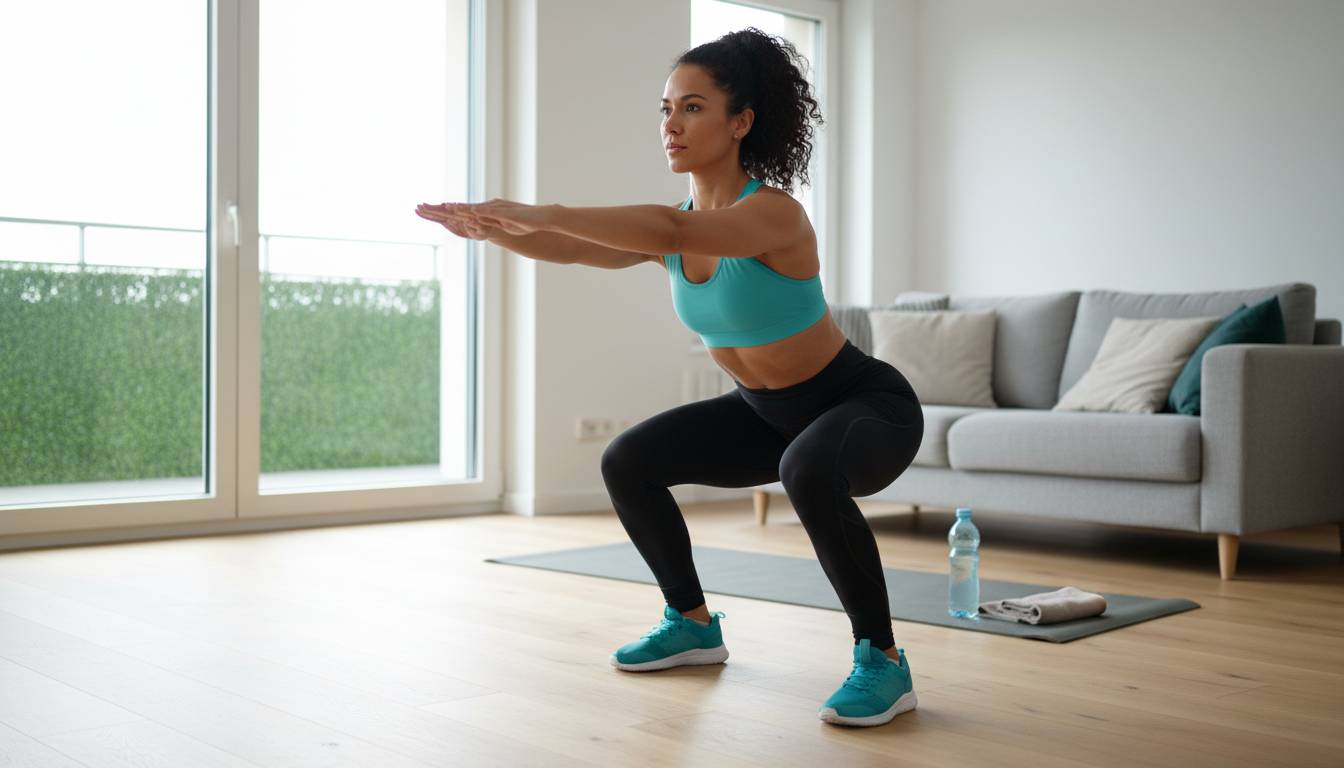
High-intensity interval training has revolutionized home fitness, offering a way to burn significant calories in minimal time without any gym membership or equipment. If you’re looking to maximize fat loss and improve cardiovascular health in your living room, a properly structured HIIT workout at home can deliver results that rival traditional steady-state cardio—often in half the time.
This guide covers everything you need to know about effective home HIIT workouts, from understanding the science behind interval training to building a sustainable routine that fits your schedule and fitness level.
Understanding HIIT: The Science Behind the Burn
HIIT alternates between short bursts of intense exercise and recovery periods of lower-intensity movement or rest. This approach pushes your body into anaerobic metabolism, forcing your cardiovascular system to work harder than during continuous moderate exercise. The metabolic stress creates an “afterburn effect” known as excess post-exercise oxygen consumption (EPOC), where your body continues burning calories at elevated rates for hours after the workout ends.
Research published in the Journal of Obesity found that HIIT participants lost significantly more visceral fat than those performing steady-state cardio, despite exercising for shorter durations. A study from the American College of Sports Medicine demonstrated that just two weeks of HIIT improved aerobic capacity by approximately 10%, equivalent to much longer traditional cardio sessions.
The efficiency of HIIT makes it particularly valuable for home workouts. You don’t need space for running or expensive equipment—you need only your body weight and willingness to push through challenging intervals.
Key Components of an Effective Home HIIT Workout
Every successful HIIT workout incorporates several essential elements that work together to maximize fat burning and fitness improvements.
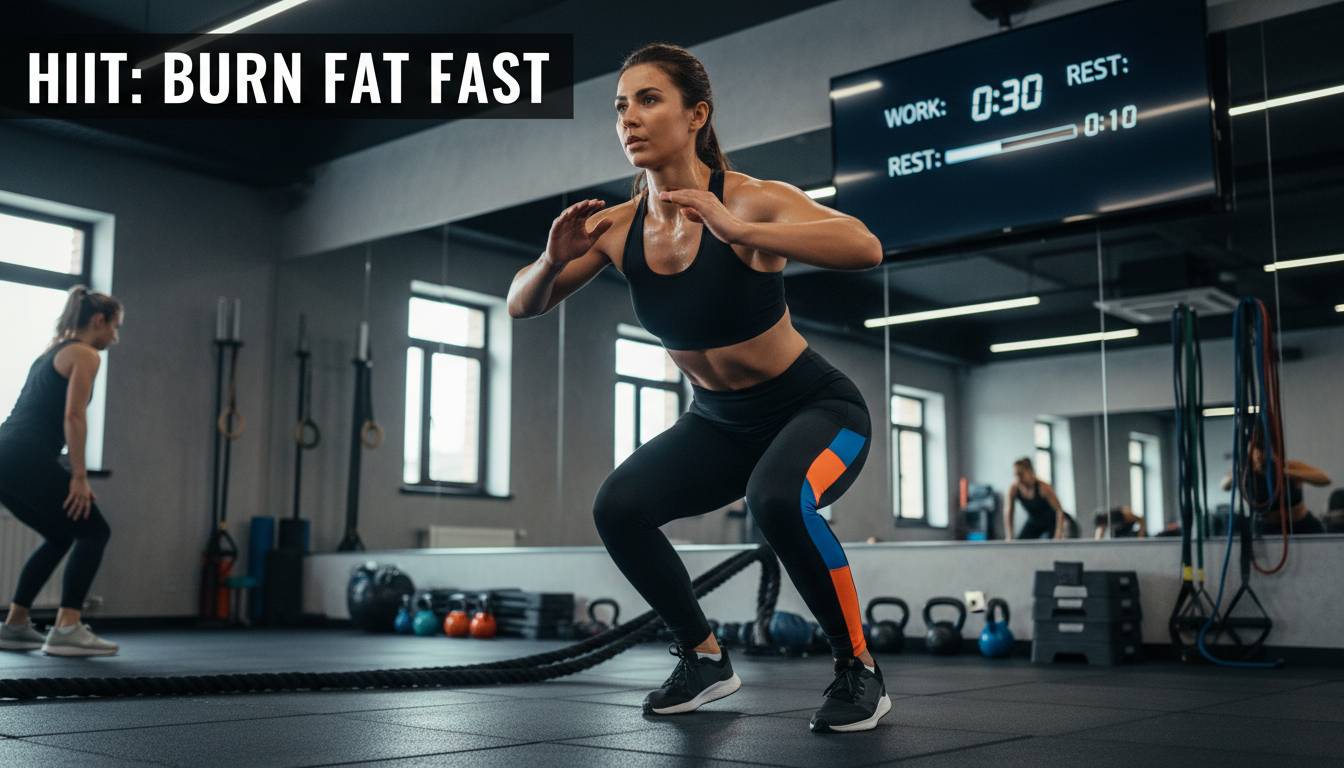
Work-to-Rest Ratios determine the intensity distribution throughout your session. Beginners typically start with 1:3 or 1:2 work-to-rest ratios (for example, 20 seconds of work followed by 40-60 seconds of rest). Intermediate practitioners use 1:1 ratios (30 seconds work, 30 seconds rest), while advanced athletes may push to 2:1 (40 seconds work, 20 seconds rest).
Interval Duration affects energy system development. Shorter intervals (15-30 seconds) primarily target the phosphagen system for explosive power, while longer intervals (45-90 seconds) engage the glycolytic system and improve metabolic endurance.
Exercise Selection should include compound movements that engage multiple muscle groups simultaneously. This approach maximizes calorie burn per exercise and promotes functional strength alongside cardiovascular improvements.
Best HIIT Exercises for Home Workouts
The following exercises form the foundation of an effective no-equipment HIIT routine. Each movement targets major muscle groups while elevating heart rate efficiently.
Burpees combine a squat, plank, push-up, and jump into one explosive movement. They engage the chest, shoulders, legs, and core while providing maximum cardiovascular demand. Modify by stepping back instead of jumping for lower intensity.
Mountain Climbers deliver rapid core engagement and elevate heart rate quickly. With hands planted on the floor, alternate driving knees toward the chest in a running motion while maintaining a strong plank position.
High Knees require standing tall and driving knees to hip height in an alternating pattern while pumping arms. This movement improves coordination, strengthens the hip flexors, and provides excellent cardio conditioning.
Jump Squats add explosive power to the standard squat by incorporating a jump at the top of the movement. Land softly with bent knees to protect joints while immediately descending into the next repetition.
Skaters replicate lateral movement by jumping laterally from one foot to the other, touching the ground briefly with each landing leg. This movement develops agility and targets the glutes and quadriceps.
Plank Jacks maintain plank position while jumping feet apart and together in a jumping jack motion. This exercise challenges core stability while providing cardio benefits.
Sample HIIT Workout Routines by Level
Beginner HIIT Workout (20 Minutes)
This introductory routine uses manageable work intervals with extended recovery periods, allowing new practitioners to maintain proper form while building conditioning.
| Exercise | Work | Rest | Sets |
|---|---|---|---|
| High Knees | 20 sec | 40 sec | 4 |
| Bodyweight Squats | 20 sec | 40 sec | 4 |
| Push-ups (knees ok) | 20 sec | 40 sec | 4 |
| Mountain Climbers | 20 sec | 40 sec | 4 |
| Plank Hold | 20 sec | 40 sec | 4 |
Perform each exercise consecutively without rest between movements. Rest 60 seconds after completing all five exercises, then repeat the circuit three more times for a complete 20-minute workout.
Intermediate HIIT Workout (25 Minutes)
This routine increases work duration and reduces rest periods, challenging cardiovascular fitness while building muscular endurance.
| Exercise | Work | Rest | Sets |
|---|---|---|---|
| Burpees | 30 sec | 30 sec | 4 |
| Jump Squats | 30 sec | 30 sec | 4 |
| Skaters | 30 sec | 30 sec | 4 |
| Plank Jacks | 30 sec | 30 sec | 4 |
| Jump Lunges | 30 sec | 30 sec | 4 |
Complete three rounds with 45 seconds rest between rounds.
Advanced HIIT Workout (30 Minutes)
Advanced practitioners benefit from complex movements and minimal rest, pushing cardiovascular and muscular systems to their limits.
| Exercise | Work | Rest | Sets |
|---|---|---|---|
| Burpee Pull-ups* | 40 sec | 20 sec | 5 |
| Plyometric Lunges | 40 sec | 20 sec | 5 |
| Diamond Push-ups | 40 sec | 20 sec | 5 |
| Tuck Jumps | 40 sec | 20 sec | 5 |
| Plank to Push-up | 40 sec | 20 sec | 5 |
*Substitute with regular burpees if no pull-up bar available. Complete four rounds with 60 seconds rest between rounds.
Common HIIT Mistakes to Avoid
Many people undermine their HIIT progress through preventable errors that reduce effectiveness and increase injury risk.
Poor Form Under Fatigue occurs when practitioners sacrifice technique to maintain speed. As you fatigue during intervals, movement quality often deteriorates, potentially causing injuries. Focus on controlled movements even at reduced speed—partial range of motion performed correctly delivers better results than full range performed poorly.
Insufficient Recovery between sessions prevents adaptation. HIIT creates significant physiological stress requiring 48-72 hours for full recovery. Performing high-intensity workouts daily without adequate rest leads to overtraining, increased injury risk, and diminished returns. Aim for three to four HIIT sessions per week, with at least one rest day between intense sessions.
Ignoring Warm-Up dramatically increases injury probability. A proper five to ten-minute warm-up gradually elevates heart rate, increases blood flow to working muscles, and prepares joints for explosive movements. Skip the warm-up, and you’ll sacrifice performance while increasing injury risk.
Excessive Workout Length contradicts HIIT’s efficiency principle. Research from the Journal of Physiology found that 30-minute HIIT sessions produced similar or superior cardiovascular improvements compared to 60-minute moderate-intensity steady-state workouts. Longer sessions don’t equal better results—consistency and intensity matter more than duration.
Neglecting Recovery Periods undermines the interval training mechanism. The rest periods aren’t breaks—they’re essential for maintaining intensity during work intervals. Without adequate recovery, you’ll be unable to push hard enough during work periods to trigger the metabolic adaptations that drive results.
Structuring Your Weekly HIIT Schedule
Optimal frequency depends on current fitness level, recovery capacity, and overall training goals. A well-structured weekly approach balances HIIT intensity with adequate recovery.
Three Sessions Weekly suits most beginners and those prioritizing fat loss alongside other activities. This frequency allows two to four days of recovery while maintaining consistent stimulus for cardiovascular improvements.
Four Sessions Weekly works for intermediate practitioners comfortable with high-intensity training. Include at least one full rest day and consider varying HIIT intensities throughout the week—two challenging sessions and two moderate sessions.
Five Sessions Weekly requires careful programming and excellent recovery habits. Alternate between higher-intensity and lower-intensity HIIT days, incorporating longer rest periods or active recovery between sessions.
Regardless of frequency, ensure adequate sleep (seven to nine hours nightly), proper nutrition with sufficient protein, and hydration to support recovery and adaptation.
Nutrition Strategies to Support HIIT Performance
Exercise creates demand; nutrition determines whether your body can meet that demand and recover afterward. Proper fueling enhances HIIT performance and maximizes the fat-burning benefits of interval training.
Pre-Workout Nutrition should provide easily digestible carbohydrates for energy without causing digestive discomfort. A small snack containing carbohydrates and minimal protein consumed 30-60 minutes before training works well for most people. Avoid high-fiber or high-fat foods immediately before workouts.
Post-Workout Nutrition supports recovery by replenishing glycogen stores and providing protein for muscle repair. Research from the International Journal of Sport Nutrition and Exercise Metabolism suggests consuming 20-40 grams of protein within two hours post-workout, depending on body size and training intensity.
Overall Caloric Considerations matter for fat loss goals. HIIT creates significant caloric expenditure, but spot reduction remains impossible. Total daily energy balance determines fat loss—HIIT accelerates the process, but consistent caloric deficit through diet remains essential.
Frequently Asked Questions
How many calories does a 20-minute HIIT workout burn?
A 20-minute HIIT session typically burns 150-300 calories depending on intensity, body weight, and exercise selection. Heavier individuals burn more due to greater energy required to move their mass. The afterburn effect can add 50-100 additional calories burned in the hours following your workout.
Is HIIT better than running for fat loss?
HIIT generally produces superior fat loss results compared to steady-state running when time is limited. Research from the British Journal of Sports Medicine found HIIT produced significantly greater reductions in body fat percentage than moderate-intensity continuous training. However, running offers unique benefits including lower impact options and mental benefits that HIIT cannot replicate.
Can I do HIIT every day?
While some individuals can perform daily HIIT, most people benefit from limiting high-intensity sessions to three or four times weekly. Daily HIIT increases overtraining risk, elevates cortisol levels, and prevents adequate recovery. If daily movement is necessary, alternate between HIIT and lower-intensity activities like walking, yoga, or light cycling.
What is the best time of day for a home HIIT workout?
The best time depends on personal schedule and energy patterns. Morning workouts offer consistency and may boost metabolism throughout the day, while evening workouts often allow higher intensity due to peak body temperature. Choose a time you can maintain consistently—regularity matters more than optimal timing.
Do I need to warm up before HIIT?
Yes, warming up before HIIT is essential for performance and injury prevention. A five to ten-minute warm-up should include dynamic stretches, light cardio movements progressing in intensity, and mobility work for major joints. Skip the warm-up, and you’ll reduce performance by 10-20% while significantly increasing injury risk.
Can beginners do HIIT, or is it only for advanced athletes?
Beginners can absolutely perform HIIT with appropriate modifications. Start with longer rest periods (1:3 work-to-rest ratio), lower-intensity movements, and shorter workouts (10-15 minutes). Focus on form over speed, and gradually increase intensity as conditioning improves. Many effective HIIT programs specifically target beginners with built-in progression.
Conclusion
HIIT workouts at home offer an efficient, equipment-free method for burning fat, improving cardiovascular fitness, and building functional strength. The key lies in understanding proper work-to-rest ratios, selecting effective compound exercises, and structuring workouts appropriate for your fitness level. Start with the beginner routine, focus on maintaining proper form, and progress gradually as your conditioning improves.
Remember that consistency beats intensity—three well-executed weekly HIIT sessions will deliver far better long-term results than daily workouts that lead to burnout. Combine your training with adequate recovery, proper nutrition, and sufficient sleep, and you’ll unlock the powerful fat-burning potential that makes HIIT one of the most effective training methodologies available.