
Healthy Breakfast Ideas for Energy – Boost Your Morning

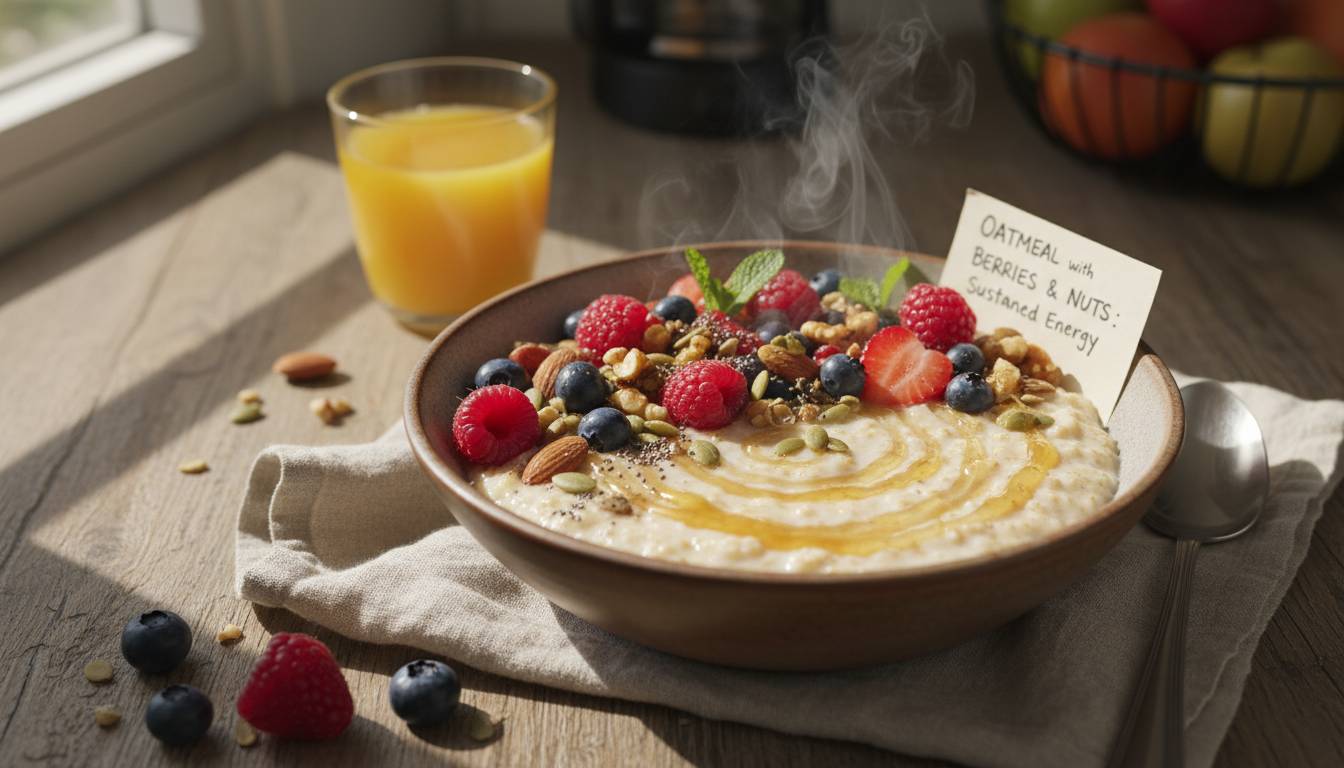
Starting your day with the right breakfast isn’t just about satisfying hunger—it’s the foundation for sustained energy, mental clarity, and productive mornings. Research consistently shows that what you eat within the first two hours of waking directly impacts your energy levels, cognitive function, and even mood throughout the day. Yet millions of Americans grab coffee and a granola bar or skip breakfast entirely, setting themselves up for an energy crash by mid-morning.
This guide provides evidence-based strategies for building breakfasts that fuel your body effectively, explains the science behind morning energy, and offers practical recipes you can implement immediately. Whether you’re a busy professional, a parent managing morning chaos, or someone seeking to optimize their health, these healthy breakfast ideas will transform how you start each day.
Why Breakfast Determines Your Daily Energy
The relationship between breakfast and energy isn’t anecdotal—it’s biological. After 8-12 hours without food, your body’s glucose stores are depleted, and your brain specifically relies on glucose for optimal function. When you wake up, your body enters a state that researchers call “fasted metabolism,” where it must decide whether to break down muscle tissue for energy or wait for incoming nutrients.
Studies published in the British Journal of Nutrition found that individuals who eat breakfast maintain more stable blood sugar levels throughout the day compared to those who skip the morning meal. This stability translates directly to energy consistency—you’re less likely to experience that mid-morning crash that sends you searching for sugar or caffeine.
📊 THE ENERGY BREAKDOWN
- 76% of Americans experience afternoon energy dips
- 65% of morning energy comes from breakfast quality, not quantity (Harvard T.H. Chan School of Public Health, 2022)
- 29% of U.S. adults skip breakfast regularly
- People who eat high-protein breakfasts report 21% higher satiety through lunch
The key insight is that not all breakfasts create equal energy. A doughnut and coffee might provide quick energy, but it triggers a blood sugar spike followed by a crash. A balanced breakfast with complex carbohydrates, protein, and healthy fats provides sustained energy release over 4-6 hours.
Building Blocks of an Energy-Boosting Breakfast
Understanding what constitutes an energizing breakfast starts with knowing which macronutrients support sustained energy and which combinations work synergistically in your body.
The Macronutrient Framework
| Macronutrient | Energy Role | Best Sources | Timing |
|---|---|---|---|
| Complex Carbons | Slow-release glucose | Oats, whole grains, fruits | Foundation of meal |
| Protein | Muscle maintenance, satiety | Eggs, Greek yogurt, cottage cheese | 20-30g target |
| Healthy Fats | Brain function, sustained energy | Avocado, nuts, seeds, olive oil | 15-20g target |
| Fiber | Digestive health, blood sugar control | Vegetables, berries, chia seeds | 5-10g target |
Key Insight: The combination of protein, fiber, and healthy fats slows gastric emptying, which means your body releases energy gradually rather than all at once. This is the secret behind breakfasts that keep you full until lunch without the energy crash.
Dr. Sarah Chen, a registered dietitian and sports nutritionist at Stanford Health Care, explains: “When patients ask me how to fix their mid-morning energy crash, I first look at their breakfast composition. Almost universally, they’re missing either adequate protein or fiber. Adding just one egg and a handful of berries to their usual toast can completely change their energy curve.”
The Glycemic Index Factor
The glycemic index (GI) measures how quickly foods raise blood sugar levels. Low-GI foods provide gradual energy release, while high-GI foods cause rapid spikes followed by crashes.
Low-GI breakfast foods (energy-sustaining):
- Steel-cut oats (GI: 55)
- Eggs (GI: 0)
- Greek yogurt (GI: 35)
- Berries (GI: 40-50)
- Nuts and seeds (GI: 20-40)
- Whole grain toast (GI: 50-55)
High-GI breakfast foods (energy-spiking):
- Sugared cereals (GI: 70-80)
- White toast (GI: 75)
- Bagels (GI: 72)
- Fruit juices (GI: 65-80)
- Pancakes (GI: 70-80)
Pro tip: Combining high-GI foods with protein, fat, or fiber significantly lowers the overall glycemic response. That’s why adding peanut butter to toast or eggs to white rice moderates the blood sugar impact.
7 Morning Breakfast Ideas That Actually Boost Energy
These recipes are designed for preparation in under 15 minutes while maximizing the energy-sustaining macronutrient profile.
1. Greek Yogurt Parfait with Berries and Nuts
Time: 5 minutes | Protein: 22g | Fiber: 8g
Ingredients:
- 1 cup plain Greek yogurt (non-fat or 2%)
- ½ cup mixed berries (fresh or frozen)
- 2 tablespoons raw almonds, chopped
- 1 tablespoon chia seeds
- ½ teaspoon vanilla extract
Why it works: Greek yogurt provides casein and whey protein for sustained amino acid release. Berries offer antioxidants and fiber. Nuts add healthy fats and magnesium, which supports energy production at the cellular level.
This parfait takes literally five minutes to prepare and provides nearly a full day’s recommendation for protein at breakfast. The texture contrast between creamy yogurt and crunchy nuts makes it satisfying beyond its calorie count.
2. Vegetable Egg Scramble with Avocado
Time: 12 minutes | Protein: 24g | Fiber: 9g
Ingredients:
- 3 large eggs (or ½ cup egg whites)
- ½ cup diced bell peppers (any color)
- ¼ cup diced onion
- 2 cups spinach
- ½ avocado, sliced
- Salt, pepper, and red pepper flakes to taste
- 1 teaspoon olive oil
Why it works: Eggs provide complete protein with all nine essential amino acids. Vegetables add fiber and micronutrients like iron and B vitamins that support energy metabolism. The avocado delivers monounsaturated fats that enhance satiety and brain function.
Preparation: Heat olive oil in a non-stick pan over medium heat. Sauté onion and peppers for 3-4 minutes until softened. Add spinach and cook until wilted. Pour in eggs, scramble until just set. Top with avocado slices and seasonings.
3. Overnight Oats with Banana and Peanut Butter
Time: 5 minutes (prep night before) | Protein: 18g | Fiber: 12g
Ingredients:
- ½ cup rolled oats
- ½ cup Greek yogurt
- ½ cup unsweetened almond milk
- 1 tablespoon chia seeds
- 1 medium banana, sliced
- 2 tablespoons natural peanut butter
- ½ teaspoon cinnamon
Why it works: This meal-prep-friendly option uses the combination of oats and chia seeds for slow-digesting carbohydrates and soluble fiber. The Greek yogurt adds protein, while peanut butter provides both protein and healthy fats. The cinnamon helps regulate blood sugar response.
Preparation: Combine oats, yogurt, almond milk, and chia seeds in a jar. Refrigerate overnight (or at least 4 hours). In the morning, top with sliced banana, peanut butter, and cinnamon.
This recipe scales beautifully—make four jars on Sunday night for grab-and-go breakfasts all week.
4. Smoked Salmon Toast with Cream Cheese and Capers
Time: 8 minutes | Protein: 28g | Fiber: 4g
Ingredients:
- 2 slices whole grain bread, toasted
- 3 ounces smoked salmon
- 2 tablespoons whipped cream cheese
- 1 tablespoon capers
- ¼ avocado, sliced
- Fresh dill
- Lemon juice
Why it works: Salmon is one of the best dietary sources of omega-3 fatty acids, which reduce inflammation and support cognitive function. Combined with protein-rich cream cheese and fiber from whole grain bread, this breakfast provides mental clarity rather than just physical energy.
This option works exceptionally well for those who prefer savory over sweet breakfasts or need something more substantial after a workout.
5. Smoothie Bowl with Spinach, Mango, and Hemp Seeds
Time: 7 minutes | Protein: 20g | Fiber: 10g
Ingredients:
- 1 cup frozen mango chunks
- 1 frozen banana
- 1 cup fresh spinach
- ½ cup unsweetened coconut milk
- 1 tablespoon hemp seeds
- 1 tablespoon almond butter
- Toppings: granola, coconut flakes, fresh berries
Why it works: Smoothie bowls offer more fiber and protein than drinking a smoothie from a glass because the thicker texture encourages slower consumption. Spinach provides iron without significantly affecting flavor. Hemp seeds add complete protein and omega-3s.
Preparation: Blend frozen mango, banana, spinach, coconut milk, and almond butter until thick and creamy. Pour into a bowl and top with your choice of toppings.
6. Cottage Cheese Bowl with Pineapple and Pumpkin Seeds
Time: 3 minutes | Protein: 30g | Fiber: 4g
Ingredients:
- 1 cup cottage cheese (4% or 2% fat)
- ½ cup fresh pineapple chunks
- 2 tablespoons pumpkin seeds
- 1 tablespoon honey or maple syrup
- Sprinkle of cinnamon
Why it works: Cottage cheese offers casein protein that digests slowly, providing amino acids for hours. Pineapple contains bromelain, an enzyme that aids digestion and reduces inflammation. Pumpkin seeds add zinc and magnesium—both critical for energy production.
This is the quickest option on the list, perfect for those mornings when you barely have time to get dressed.
7. Chickpea Veggie Scramble
Time: 15 minutes | Protein: 18g | Fiber: 14g
Ingredients:
- 1 can chickpeas, drained and rinsed
- 1 cup diced tomatoes
- 1 cup chopped kale
- ½ cup diced zucchini
- 2 cloves garlic, minced
- 1 teaspoon turmeric
- 1 tablespoon olive oil
- Salt and pepper to taste
Why it works: For plant-based eaters, this scramble provides iron, protein, and fiber without eggs. Turmeric contains curcumin, which has anti-inflammatory properties and may enhance energy at the cellular level. The fiber content is exceptional—nearly half your daily recommendation in one meal.
Preparation: Heat olive oil in a pan. Add garlic and sauté 30 seconds. Add chickpeas and cook until slightly crispy (about 5 minutes). Add zucchini and tomatoes, cooking 3-4 minutes. Add kale and turmeric, stirring until wilted. Season and serve.
What to Avoid: Common Breakfast Mistakes
Understanding what undermines your morning energy helps you make better choices.
Mistake #1: Relying on Caffeine Instead of Food
☕ THE PROBLEM: Many people use coffee as a breakfast substitute, believing caffeine provides energy. While caffeine does increase alertness, it doesn’t provide actual metabolic fuel. Your body still needs nutrients to function optimally.
THE FIX: Eat breakfast within an hour of waking, then have your coffee. Better yet, pair caffeine with protein to moderate the jittery crash.
Mistake #2: Choosing “Low-Fat” Processed Foods
📉 THE IMPACT: Fat-free yogurt often contains added sugar to compensate for lost flavor. Fat-free muffins still contain refined flour and sugar. Your body processes these quickly, causing energy spikes and crashes.
THE FIX: Choose full-fat versions in moderation, or select naturally low-fat whole foods like fruits, vegetables, and legumes.
Mistake #3: Drinking Your Calories
🥤 THE ISSUE: Smoothies, juices, and specialty coffee drinks can contain 300-500 calories without providing the fiber and protein of whole foods. You’re often consuming far more sugar than you realize.
THE FIX: If drinking breakfast, ensure it includes protein powder, nut butter, or Greek yogurt to slow sugar absorption.
Mistake #4: Skipping Protein
⚠️ CONSEQUENCE: A breakfast of only toast, cereal, or fruit provides carbohydrates but minimal protein. This leaves you hungry within two hours and reduces your ability to concentrate.
THE FIX: Every breakfast should include at least 15-20 grams of protein from eggs, yogurt, cottage cheese, nuts, seeds, or protein supplements.
Timing and Portion Guidelines
When and how much you eat matters as much as what you eat.
Optimal breakfast timing: 30-60 minutes after waking. Eating too soon after waking (within 15 minutes) may interfere with your body’s natural cortisol awakening response, while waiting too long (beyond 2 hours) allows blood sugar to drop excessively.
Portion guidelines:
- Active adults: 400-600 calories
- Sedentary adults: 250-400 calories
- Those exercising in the morning: 300-500 calories, eaten after exercise or during if tolerable
Hydration reminder: Drink 16 oz of water before or with breakfast. After 7-8 hours without fluids, you’re likely mildly dehydrated, which causes fatigue independent of food intake.
Meal Prep Strategies for Busy Mornings
Preparing breakfast in advance eliminates the “I don’t have time” excuse.
Weekend prep session (30-45 minutes):
- Cook a batch of steel-cut oats (they keep 5 days refrigerated)
- Hard-boil a dozen eggs (they keep 1 week)
- Wash and portion berries and cut vegetables
- Make 3-4 overnight oat jars
- Portion nuts and seeds into small containers
Morning assembly (under 5 minutes):
- Grab pre-prepped components
- Combine in a bowl or container
- Add fresh elements (banana slices, fresh herbs)
This system has proven effective in clinical settings. A 2022 study in the Journal of the Academy of Nutrition and Dietetics found that individuals who meal-prepped breakfasts consumed 25% more fiber and 18% more protein than those who didn’t prep.
Special Considerations
For Those Who Exercise in the Morning
If you work out before eating, a small pre-workout snack (like half a banana or a date with almond butter) provides quick energy. Within 30-60 minutes post-workout, consume a breakfast with 20-30g protein and 30-50g carbohydrates to support muscle recovery.
For People with Blood Sugar Concerns
If you have diabetes, hypoglycemia, or insulin resistance, focus on high-fiber, high-protein breakfasts with minimal fruit and no added sugars. Pair any carbohydrates with protein or fat. Consider consulting a registered dietitian for personalized guidance.
For Plant-Based Eaters
Plant proteins can absolutely support sustained energy. Focus on combining sources throughout the day (like beans and rice, or hummus and whole grain pita) to ensure complete amino acid intake. The recipes above that use chickpeas, hemp seeds, and tofu provide excellent plant-based protein.
Conclusion
Transforming your morning energy starts with understanding that breakfast isn’t optional—it’s essential fuel. The recipes and strategies in this guide provide the framework for building sustainable energy through evidence-based nutrition. You don’t need elaborate preparations or exotic ingredients. You need protein, fiber, healthy fats, and a commitment to eating within the first hour of waking.
Start with one or two recipes from this guide. Master those. Then expand. Your body will signal the difference through consistent energy, improved focus, and reduced cravings. The morning hours become dramatically different when you’re genuinely fueled rather than just caffeinated.
Frequently Asked Questions
How long does it take for breakfast to affect energy levels?
Most people feel an energy improvement within 30-60 minutes of eating breakfast, with peak energy occurring 2-3 hours after eating. The combination of protein, fiber, and healthy fats maintains elevated energy for 4-6 hours, while high-sugar breakfasts may cause a crash within 2 hours.
Can I have coffee with breakfast?
Yes, but timing matters. Drinking coffee with or immediately after breakfast can blunt the appetite for nutritious food. Consider having your coffee after you’ve eaten a protein-rich first bite. The caffeine and food together provide alertness plus sustained energy.
What if I’m not hungry in the morning?
Start smaller. Even a hard-boiled egg, a handful of nuts, or a small Greek yogurt provides benefits over nothing. Over time, your body’s circadian rhythm will adjust to expect morning fuel. If complete lack of appetite persists, consult a healthcare provider to rule out underlying conditions.
Are smoothies as good as solid food for energy?
Smoothies can provide excellent nutrition, but they digest faster than solid food, potentially leading to quicker hunger. Adding protein powder, nut butter, chia seeds, or Greek yogurt increases the satiety factor significantly. For maximum energy sustainment, consider a smoothie bowl (thicker texture) rather than a drinkable smoothie.
How many calories should I eat for breakfast?
This depends on your activity level and total daily needs. A general range is 300-500 calories for most adults. Those who exercise in the morning or have physically demanding jobs may need more. Sedentary individuals or those not hungry upon waking can start with 200-300 calories and adjust based on energy levels.
Is it bad to eat the same breakfast every day?
Not necessarily—if your go-to breakfast is balanced and nutritious. Variety matters for micronutrient intake, so periodically rotating through different options ensures you get a broader range of nutrients. However, the best breakfast is one you’ll actually eat consistently.