Discover Premium NFT Collections | Rare Digital Art Guide

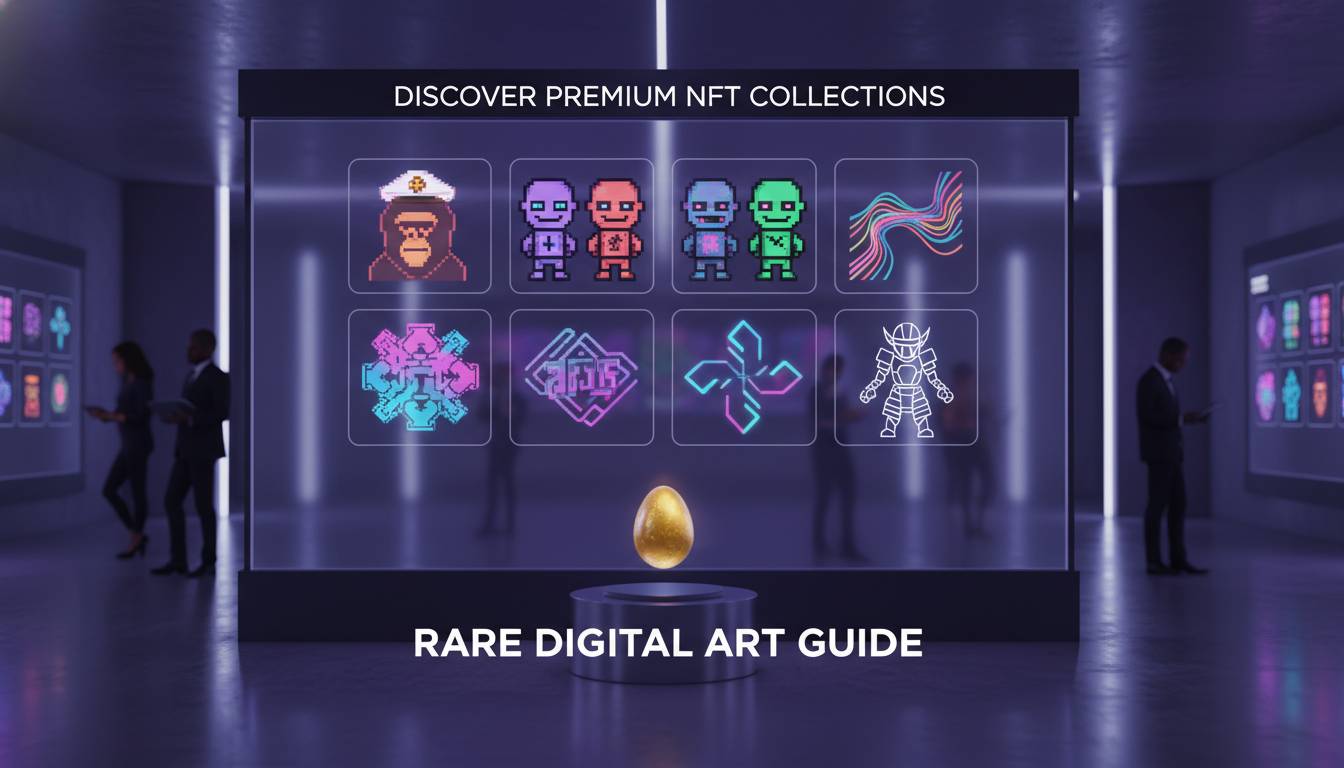
The global NFT market reached $3.8 billion in trading volume in 2023, with premium digital art collections commanding increasingly sophisticated collector bases. As blockchain technology matures and mainstream adoption accelerates, understanding how to identify valuable NFT collections has become essential for both seasoned collectors and newcomers exploring the digital art space.
This comprehensive guide examines the mechanics of premium NFT collections, provides actionable criteria for evaluation, and delivers insider insights for building a strategic digital art portfolio.
What Defines a Premium NFT Collection
A premium NFT collection transcends simple digital ownership—it represents a convergence of artistic innovation, community belonging, and technological scarcity. Unlike speculative tokens, established collections derive value from multiple reinforcing factors that create sustainable ecosystems.
The most successful collections share five core characteristics:
Artistic Integrity and Uniqueness: Premium collections feature cohesive artistic visions rather than algorithmically generated variations. Collections like Bored Ape Yacht Club and CryptoPunks established templates, but newer premium collections differentiate through distinctive visual languages and limited edition works.
Scarcity Mechanisms: True scarcity in digital format requires more than artificial supply limits. The most valuable collections implement progressive rarity—some items become permanently unavailable through burning mechanisms, time-locked reveals, or narrative progression that permanently alters the collection’s metadata.
Utility Layering: Modern premium collections extend beyond collectibles into functional ecosystems. Holders may receive access to exclusive events, merchandise discounts, governance rights, or cross-collection benefits that compound value over time.
Community Governance: Active communities shape collection trajectory through transparent governance mechanisms. Successful collections evolve based on holder input, creating living artistic projects rather than static digital assets.
Technical Infrastructure: Premium collections operate on established blockchains with robust marketplaces, transparent transaction histories, and proven security records. Ethereum remains the dominant platform for high-value art collections, though Solana and other chains have gained traction for lower entry points.
How to Evaluate NFT Collection Value
Evaluating NFT collections requires balancing quantitative metrics with qualitative assessments that resist simple spreadsheet analysis. Professional collectors develop frameworks incorporating multiple data points.
Key Metrics to Analyze
Floor Price: The lowest asking price across marketplaces indicates baseline collection accessibility. A rising floor often signals growing demand, while declining floors may indicate market saturation or lost community confidence.
Trading Volume: Sustained trading activity demonstrates liquid markets. Collections with sporadic high-volume spikes followed by dormancy suggest speculative rather than collectible dynamics.
Holder Distribution: Concentrated ownership among few wallets creates vulnerability to market manipulation. Healthy collections show distributed holdings across diverse wallet sizes.
Historical Sales Data: Examining sales patterns over 30, 90, and 180-day windows reveals trend direction. Steady appreciation with moderate volume suggests organic demand versus artificial wash trading.
Qualitative Assessment Criteria
Beyond numbers, evaluate collections through direct engagement:
- Roadmap Credibility: Transparent development timelines with verifiable milestones indicate serious teams
- Artist Reputation: Established digital artists bring existing audiences and credibility
- Social Engagement: Discord activity, Twitter discussions, and community events reveal organic enthusiasm
- Partnership Announcements: Collaborations with recognized brands or artists signal market validation
Top Premium NFT Collections by Category
The NFT art market segments into distinct categories, each with established leaders and emerging contenders.
Profile Picture (PFP) Collections
PFP collections dominate trading volume, serving as digital identity markers across social platforms.
Bored Ape Yacht Club (BAYC): The gold standard for PFP collections, BAYC established the blueprint for community-driven projects. With 10,000 unique ape illustrations, the collection launched in April 2021 at 0.08 ETH. Floor prices peaked at approximately 153.7 ETH in May 2022, demonstrating the premium that established community and utility can command. Holders receive access to exclusive events, merchandise, and the recently launched Otherside metaverse experience.
CryptoPunks: Widely considered the first PFP collection on Ethereum, Larva Labs’ 10,000 pixel characters predate the current NFT boom. Trading at floor prices exceeding 30 ETH, CryptoPunks represent historical significance and early adopter status within digital art collecting.
Doodle: Launched in September 2021, Doodle collection combines playful illustration with progressive reveals and community governance. The collection implemented a successful brand refresh that updated artwork styles while maintaining holder value, demonstrating how collections can evolve.
Digital Art Pieces
Single-edition and limited-run digital artworks attract collectors seeking museum-quality pieces.
Beeple Digital Art: Mike Winkelmann’s “Everydays: The First 5000 Days” sold at Christie’s for $69.4 million in March 2021, legitimizing digital art within traditional art markets. While individual Beeple pieces trade at various price points, the sale established precedent for digital art valuation.
Pak Archives: The anonymous digital artist’s “The Merge” sold for $91.8 million in December 2021, representing the highest-grossing NFT art sale. Pak’s volumetric approach and algorithmic aesthetics have influenced thousands of subsequent projects.
X Copy: The artist known as X Copy creates darker, more existential digital works that have developed cult followings. Limited editions and high floor prices indicate strong collector demand.
Generative Art Collections
Algorithmic art collections derive value from code-based creation and inherent unpredictability.
Art Blocks Curated: The leading platform for on-chain generative art, Art Blocks features curated collections from established digital artists. Pieces generate at purchase time, ensuring algorithmic uniqueness.
Chromie Squiggle: Created by digital artist Snowfro, this accessible generative collection demonstrates how limited complexity can achieve broad appeal. The linear progression system allows holders to track their piece’s position within the broader collection.
Understanding NFT Collection Risks
Premium collections carry substantial risks that intelligent collectors must navigate carefully.
Market Volatility
NFT markets experience extreme price fluctuations. The 2022 market correction saw floor prices decline 70-90% across many collections. Collections with strong fundamentals recovered faster, while speculative projects disappeared entirely.
Liquidity Concerns
Unlike stocks or cryptocurrencies, NFT transactions require manual matching between buyers and sellers. Some collections may lack active marketplaces, creating situations where assets cannot be sold at any price during market downturns.
Counterfeit and Wash Trading
Wash trading—where the same entity buys and sells to artificially inflate prices—remains prevalent. Platforms like OpenSea have implemented enforcement measures, but sophisticated manipulation persists. Always verify transaction histories through block explorers.
Smart Contract Vulnerabilities
While major collections operate through audited smart contracts, the broader ecosystem contains projects with coding vulnerabilities. The Ronin bridge hack and various rug pulls demonstrate that technical risks extend beyond individual collections.
Building Your NFT Collection Strategy
Strategic collection building requires disciplined approaches matching investment capacity with risk tolerance.
Portfolio Allocation Framework
Financial advisors recommend allocating no more than 5-10% of investable assets to speculative alternatives. Within NFT allocations:
- Core Holdings (60%): Established collections with proven track records
- Growth Holdings (30%): Emerging collections with strong fundamentals
- Speculation (10%): Experimental projects with high risk/reward ratios
Due Diligence Process
Before acquiring any NFT, complete the following verification:
- Contract Verification: Confirm collection address through official channels
- Ownership History: Review past transactions for red flags
- Community Research: Spend time in Discord/Twitter before purchasing
- Team Verification: Research collection creators for credibility
- Market Comparison: Analyze pricing relative to similar collections
Storage and Security
NFTs require secure storage solutions:
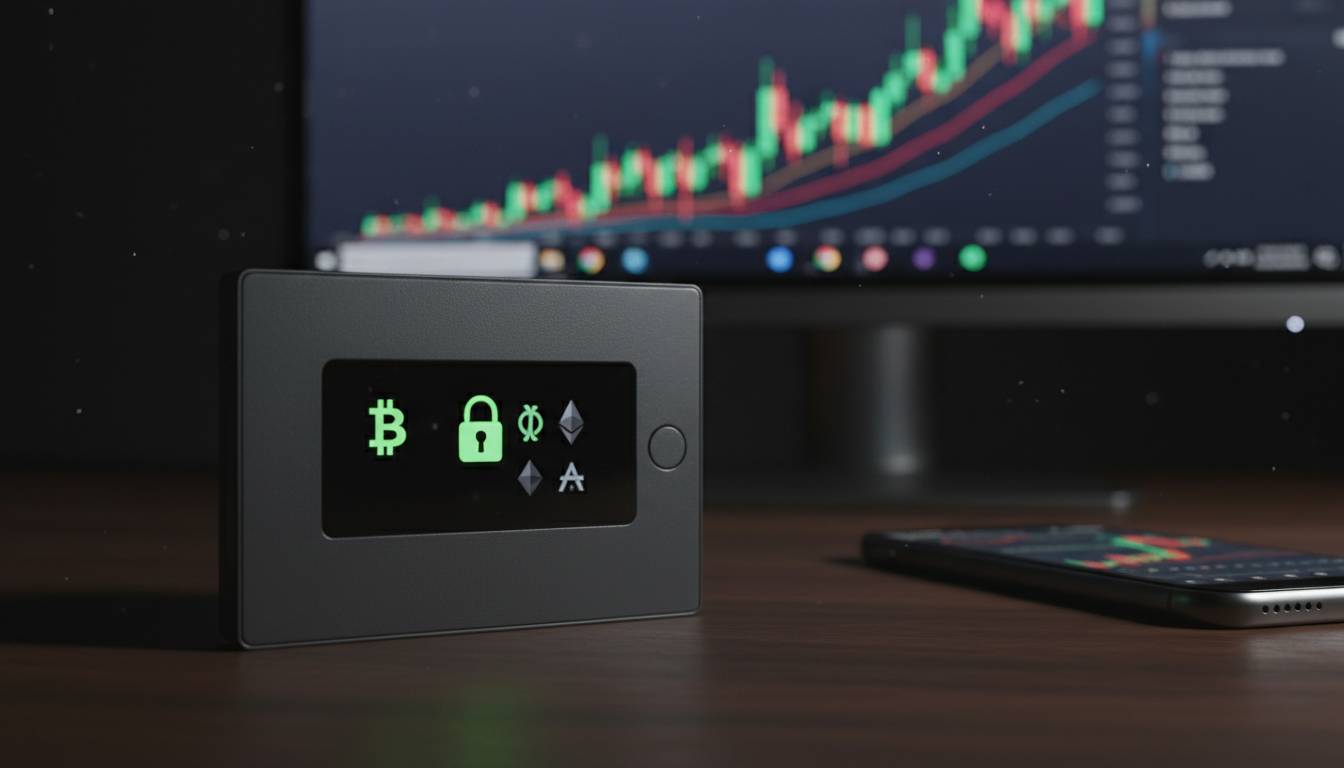
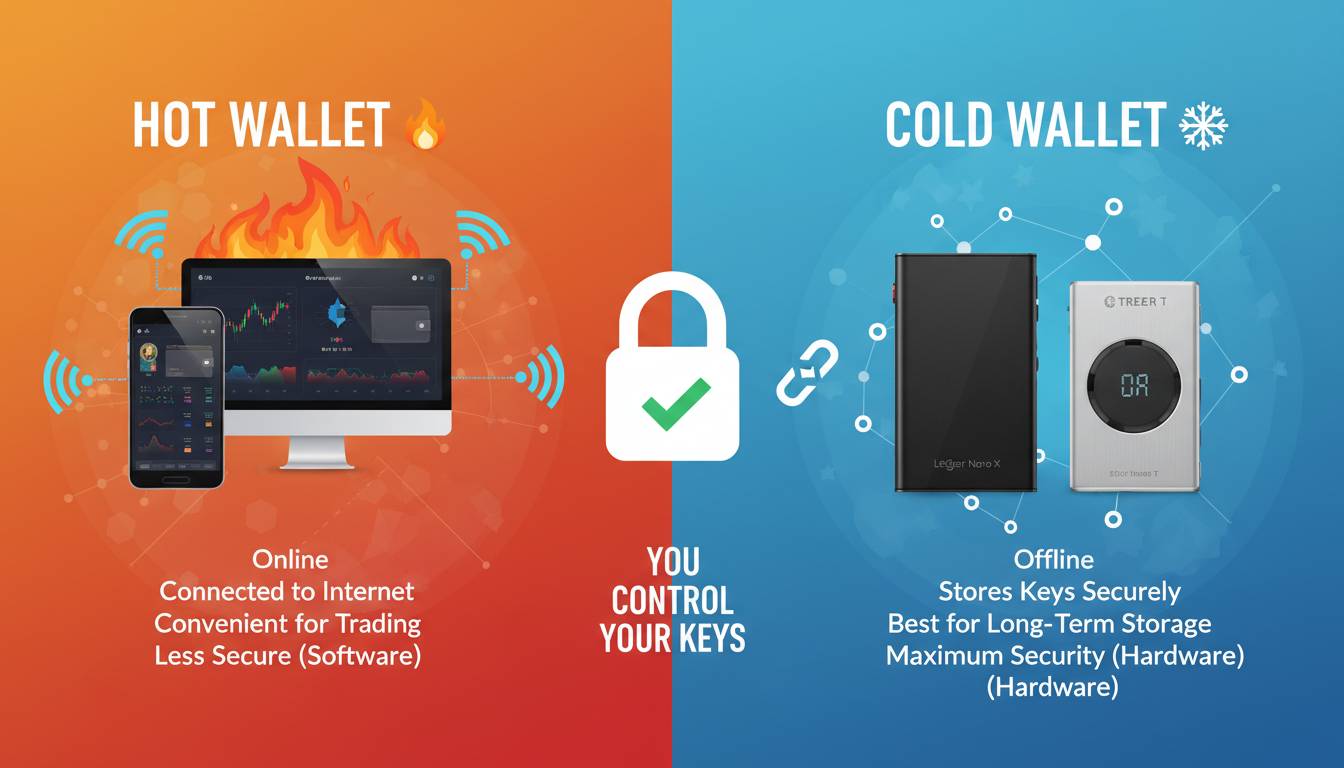
- Hardware Wallets: Ledger and Trezor devices provide cold storage for valuable holdings
- Software Wallets: MetaMask and Rabby offer convenience with acceptable security for moderate holdings
- Multi-Sig Wallets: For significant collections, multi-signature wallets require multiple approvals for transactions
Future Trends in NFT Collections
The NFT ecosystem continues evolving through technological advancement and market maturation.
Fractionalization and Governance
Fractional ownership allows collections to be divided among multiple owners, democratizing access to premium pieces. Platforms like Fractional enable collective ownership of high-value NFTs, potentially transforming how collections are held and governed.
Cross-Chain Interoperability
As blockchain bridges improve, collections may operate across multiple networks. This interoperability could increase liquidity and reduce platform-specific risks.
Real-World Integration
Premium collections increasingly bridge digital and physical realms. Exclusive events, merchandise, and experiential benefits create tangible value beyond screen-based ownership.
Institutional Participation
Traditional art institutions and galleries have begun acquiring NFT collections, suggesting long-term legitimacy. Major auction houses continue hosting digital art sales, providing exit liquidity for collectors.
Frequently Asked Questions
How do I verify an NFT collection is authentic?
Verify the smart contract address through official project channels—Twitter, Discord, or websites. Cross-reference the address on Etherscan to confirm token standard and contract verification status. Authentic collections will match addresses exactly from official sources.
What’s the best time to buy NFT collections?
Timing markets proves notoriously difficult. Dollar-cost averaging—buying consistently over time—reduces timing risk. Many collectors target collection launches or significant dips following broader market corrections. Avoid FOMO-driven purchases during hype cycles.
Can I create my own NFT collection?
Yes, anyone can mint an NFT collection on platforms like OpenSea, Foundation, or Manifold. However, successful collections require artistic merit, marketing strategy, and community building. The market is saturated with low-quality projects, making differentiation essential.
Are NFT collections taxed in the United States?
The IRS treats NFTs as property, subject to capital gains tax upon sale. Income from NFT creation may be taxed as ordinary income. Consult tax professionals specializing in digital assets for personalized guidance.
How do I sell an NFT collection?
List items on marketplaces like OpenSea, Blur, or Foundation. Set asking prices or accept incoming offers. After sale, withdrawn funds convert to fiat or cryptocurrency. Gas fees apply to transactions, so factor network costs into pricing.
What’s the difference between ERC-721 and ERC-1155 tokens?
ERC-721 represents unique, non-fungible tokens—each token has distinct properties. ERC-1155 allows semi-fungible tokens where multiple identical items can exist. Collections typically use ERC-721 for unique pieces or ERC-1155 for editioned works.