DeFi Lending Rates: Earn Up to 12% APY on Your Crypto

The decentralized finance (DeFi) lending market has transformed how cryptocurrency holders generate passive income. By supplying digital assets to liquidity pools, you can earn interest rates that often significantly outperform traditional savings accounts. Understanding how these rates work, which platforms offer the best returns, and the risks involved is essential before committing your crypto to DeFi lending protocols.
What Is DeFi Lending?
DeFi lending allows cryptocurrency holders to lend their digital assets to borrowers through decentralized protocols running on blockchain networks like Ethereum, Solana, and Avalanche. Unlike traditional finance, DeFi eliminates intermediaries like banks. Instead, smart contracts automate the lending process, managing collateral, interest calculations, and fund distribution.
When you deposit cryptocurrency into a DeFi lending pool, your assets become available for borrowers to draw against. These borrowers must over-collateralize their loans, meaning they must deposit more value than they borrow. This mechanism protects lenders and maintains protocol stability. In return for providing liquidity, you earn interest paid in the same cryptocurrency you deposited or sometimes in the protocol’s native token.
The interest rates on DeFi lending platforms are determined algorithmically based on supply and demand. When demand for borrowing a particular asset is high, interest rates rise to attract more lenders. Conversely, when supply outpaces demand, rates decrease.
How DeFi Lending Rates Are Determined
Several interconnected factors influence the interest rates you’ll earn on DeFi lending platforms.
Supply and demand dynamics form the foundation of DeFi interest rates. Each asset pool has its own supply (lenders) and demand (borrowers) balance. Popular assets like Ethereum and stablecoins typically have higher borrowing demand, which translates to better lending rates for suppliers.
Utilization ratios measure how much of the deposited capital is actively being borrowed. Protocols typically implement variable rate structures where rates increase exponentially as utilization rises. This mechanism ensures sufficient liquidity remains available for withdrawals while incentivizing more deposits when pools become tight.
Protocol-specific token incentives can significantly boost your effective returns. Many DeFi platforms distribute their native tokens as additional rewards to lenders. These token distributions can add several percentage points to your APY, though token value fluctuates based on market conditions.
Network fees vary by blockchain and can impact your net returns. Ethereum’s gas fees, for example, can be substantial during periods of network congestion. Some users find that Layer 2 solutions like Arbitrum or Optimism offer more cost-effective entry points for smaller lending positions.
Major DeFi Lending Platforms
The DeFi lending ecosystem has matured considerably, with several established protocols dominating the market. Aave, Compound, and Yearn Finance represent the most widely used lending platforms, each offering distinct features.
Aave operates as a non-custodial liquidity market protocol where users can earn interest by supplying assets or borrow against their collateral. Aave pioneered the concept of flash loans and offers both stable and variable interest rate options. The protocol supports over 20 different cryptocurrencies and has expanded to multiple blockchain networks including Ethereum, Polygon, and Avalanche.
Compound is one of the oldest DeFi lending protocols, having launched in 2018. It pioneered the algorithmic interest rate model that many subsequent protocols adopted. Compound distributes COMP tokens to both lenders and borrowers, creating additional incentive structures. The protocol focuses primarily on Ethereum and has become a standard reference for DeFi lending mechanics.
Yearn Finance takes a different approach by automatically moving deposited funds between different lending protocols to optimize yield. Users deposit assets into Yearn vaults, and the protocol’s strategies automatically allocate capital to the highest-yielding opportunities. This automation reduces the need for users to constantly monitor rates across multiple platforms.
Spark Protocol has gained traction as a lending platform on the Arbitrum network, offering competitive rates with lower transaction costs. The protocol focuses on stablecoin lending and has attracted significant total value locked from users seeking yield without Ethereum’s high gas fees.
Current Market Rate Overview
DeFi lending rates fluctuate continuously based on market conditions, but certain patterns have emerged in the current market environment.
Stablecoins typically offer the most consistent and competitive lending rates in the DeFi ecosystem. Assets like USDC, USDT, and DAI commonly yield between 3% and 8% APY on major lending platforms, with rates climbing higher during periods of market stress when borrowing demand increases.
Ethereum and other layer-1 tokens generally offer lower yields than stablecoins due to higher volatility and less consistent borrowing demand. ETH lending rates typically range from 1% to 4% APY, though this can spike during network congestion when developers utilize flash loans.
The spread between supply and borrow rates represents the protocol’s revenue, typically ranging from 0.5% to 3%. This spread covers operational costs, liquidity provider incentives, and protocol governance token distributions.
Token incentives can substantially increase effective yields. Platforms frequently offer promotional APYs that include token rewards, though these promotional rates often decrease after initial periods. The effective APY you receive depends significantly on the market value of any received tokens.
Risks and Important Considerations
Before participating in DeFi lending, understanding the associated risks is critical for protecting your assets.
Smart contract risk represents the possibility that coding vulnerabilities could be exploited by attackers. While major protocols like Aave and Compound have undergone extensive security audits, exploits still occur in the DeFi space. Researching protocol security audits, bug bounty programs, and insurance coverage options helps mitigate this risk.
Impermanent loss affects you if you supply liquidity that the protocol utilizes for other purposes beyond simple lending. Some DeFi activities associated with lending protocols can result in value fluctuation even when you’re not actively trading.
Liquidity risk emerges when you attempt to withdraw your funds during periods of high utilization. Some protocols implement gradual withdrawal mechanisms or temporary suspension of withdrawals if pool liquidity becomes constrained. Understanding each protocol’s withdrawal mechanics before depositing is essential.
Market volatility impacts the collateral positions of borrowers. If collateral values drop significantly, borrowers may be liquidated, and protocol reserves may be stressed. The over-collateralization requirement provides a buffer, but extreme market movements can still stress systems.
Regulatory uncertainty continues to surround DeFi lending. Securities regulations, banking laws, and consumer protection rules may evolve and impact how these protocols operate or how your returns are taxed.
How to Get Started with DeFi Lending
Entering the DeFi lending space requires several steps and careful preparation to ensure a secure experience.
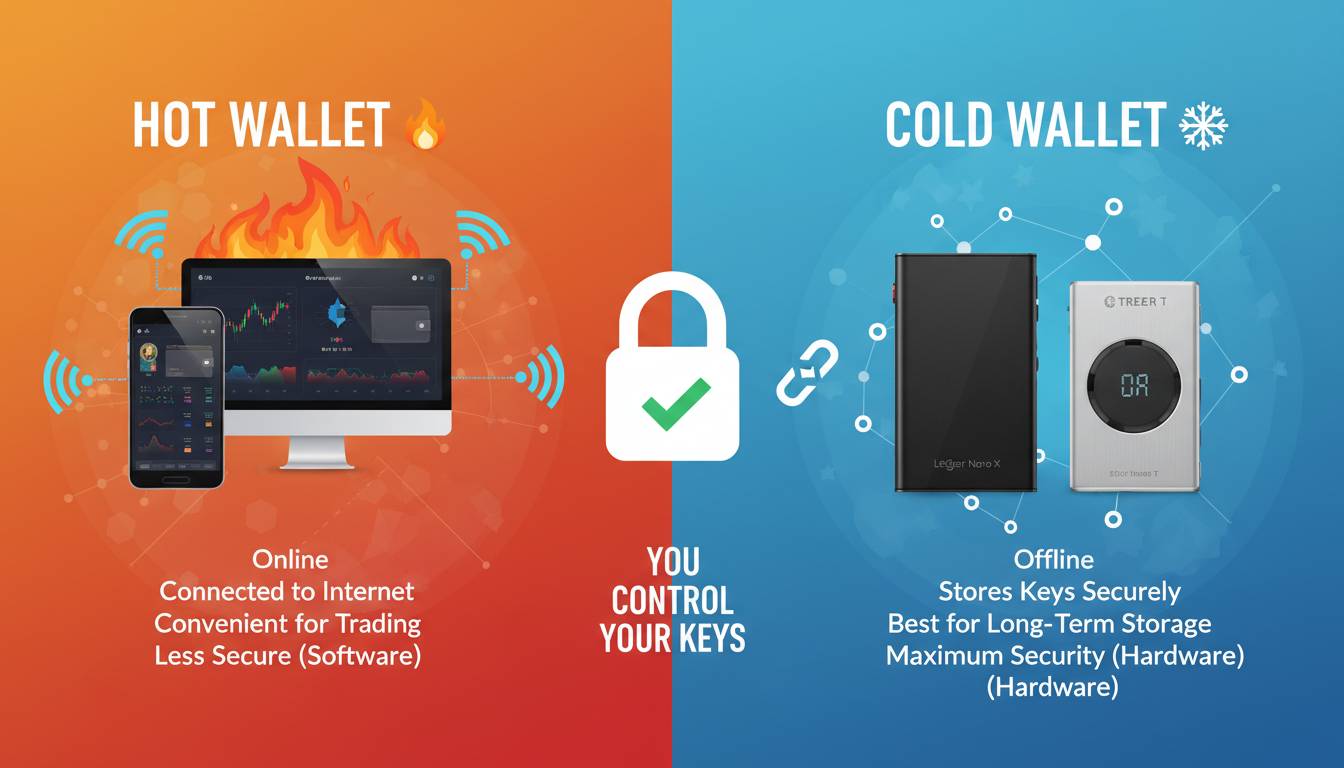
Wallet setup begins with selecting a compatible cryptocurrency wallet. MetaMask remains the most widely supported option for Ethereum-based DeFi, while other networks may require different wallet configurations. Hardware wallets like Ledger or Trezor provide enhanced security for larger positions.
Network selection involves choosing which blockchain network to use. Ethereum offers the deepest liquidity but higher transaction costs. Layer 2 networks like Arbitrum, Optimism, or Polygon provide lower fees with slightly less liquidity. Consider your position size when evaluating whether Layer 2 cost savings justify potential trade-offs.
Platform research should examine each protocol’s track record, security audits, community governance, and user interface. Starting with small test transactions before committing significant capital allows you to verify the process and understand how the platform functions.
Asset selection depends on your risk tolerance and investment goals. Stablecoins offer lower volatility and more predictable yields. Volatile assets like ETH can generate yield but expose you to price movements alongside earning interest.
Position monitoring continues after your initial deposit. DeFi rates change frequently based on market conditions. Setting up notifications for significant rate changes or periodically reviewing your positions helps optimize your returns over time.
Conclusion
DeFi lending represents a significant innovation in cryptocurrency wealth generation, offering interest rates that dwarf traditional savings accounts while maintaining the decentralized principles that define the space. The current market offers opportunities to earn meaningful yields on idle digital assets, though these returns come with commensurate risks that require careful consideration.
Success in DeFi lending demands ongoing attention to platform selection, rate optimization, and risk management. Starting with established protocols, understanding the mechanics behind rate fluctuations, and beginning with conservative position sizes allows you to learn the space while minimizing potential losses. As the DeFi ecosystem continues evolving, lending rates and platform offerings will likely continue maturing, creating both new opportunities and new considerations for participants.
The key to navigating DeFi lending successfully lies in education, diversification, and prudent position sizing. By understanding how rates are determined, which platforms align with your risk tolerance, and how to manage your positions over time, you can potentially capture attractive yields while managing the inherent risks of this emerging financial frontier.
Frequently Asked Questions
Q: Is DeFi lending safe?
A: DeFi lending carries several risks including smart contract vulnerabilities, market volatility, and potential liquidity constraints. Major protocols like Aave and Compound have strong security track records, but no DeFi lending is completely risk-free. Only invest what you can afford to lose, and consider starting with small positions to gain experience.
Q: How do I withdraw my funds from DeFi lending?
A: Most DeFi lending platforms allow instant withdrawals when pool liquidity permits. Navigate to the supply section of your chosen platform, select the asset you wish to withdraw, and confirm the transaction. During periods of high utilization, some protocols may implement gradual withdrawal mechanisms.
Q: Do I need to pay taxes on DeFi lending interest?
A: In most jurisdictions, including the United States, interest earned from DeFi lending is considered taxable income. You should track your interest earnings throughout the year and consult with a tax professional familiar with cryptocurrency regulations to ensure compliance.
Q: What happens if borrowers default on their loans?
A: DeFi lending protocols require over-collateralization, meaning borrowers must deposit more value than they can borrow. If the value of their collateral drops below a certain threshold, the protocol automatically liquidates their position to protect lenders. This mechanism ensures lender funds remain protected.
Q: Can I lose money in DeFi lending?
A: Yes, you can lose money through smart contract exploits, impermanent loss in certain configurations, or if you need to withdraw during unfavorable market conditions. Additionally, if you’re borrowing against collateral, you could face liquidation if your collateral value declines significantly.