Crypto Market Analysis Today – Live Trends & Insights

The cryptocurrency market continues to evolve at a rapid pace, presenting both unprecedented opportunities and significant challenges for investors and traders. Understanding how to analyze this volatile market is essential for anyone looking to navigate the digital asset landscape successfully. This comprehensive guide provides you with the fundamental tools, indicators, and strategies needed to interpret market trends, make informed decisions, and understand the factors that drive cryptocurrency valuations in today’s market environment.
Whether you are a seasoned trader or just beginning your journey into digital assets, mastering market analysis techniques will help you identify potential opportunities while managing the inherent risks associated with cryptocurrency investments.
Understanding Crypto Market Analysis
Crypto market analysis involves examining price movements, trading volumes, market capitalization, and various economic indicators to forecast future price trends. Unlike traditional financial markets, the cryptocurrency market operates 24 hours a day, seven days a week, which creates unique challenges and opportunities for analysis.
The cryptocurrency market is characterized by high volatility, with daily price swings of 5% or more being common for major assets like Bitcoin and Ethereum. This volatility stems from several factors, including relatively thin trading volumes compared to traditional markets, the influence of social media sentiment, regulatory announcements, and the speculative nature of many participants. Understanding these dynamics is crucial for anyone seeking to analyze the market effectively.
Market analysis in crypto serves multiple purposes. It helps investors identify entry and exit points for their positions, allows traders to capitalize on short-term price movements, and enables portfolio managers to rebalance their holdings strategically. The key is to develop a systematic approach that combines multiple analysis methods rather than relying on a single indicator or methodology.
The market structure itself has evolved significantly since Bitcoin’s inception in 2009. Today, there are over 10,000 different cryptocurrencies traded on numerous exchanges worldwide, with a total market capitalization that has exceeded $3 trillion at peak periods. This growth has attracted institutional investors, hedge funds, and traditional financial institutions, bringing increased liquidity and more sophisticated analysis tools to the space.
Technical Analysis Fundamentals
Technical analysis forms the foundation of many trading strategies in the cryptocurrency market. This approach examines historical price data and trading volumes to identify patterns and trends that may indicate future price movements. While technical analysis has its critics, particularly in efficient market hypothesis debates, it remains one of the most widely used methods for short-term trading decisions.
Price charts serve as the primary tool for technical analysts. The most common chart types include candlestick charts, line charts, and bar charts. Candlestick charts are particularly popular in crypto trading because they display the open, high, low, and close prices for each time period, providing traders with detailed information about price action and market sentiment.
Support and resistance levels represent price points where buying or selling pressure historically emerges. Support levels are prices where an asset tends to find buying interest, preventing further declines, while resistance levels are prices where selling pressure typically emerges. Identifying these levels helps traders set stop-loss orders and identify potential breakout opportunities.
Moving averages smooth out price data to reveal underlying trends. The 50-day and 200-day moving averages are particularly watched by traders and investors. When the 50-day moving average crosses above the 200-day moving average, it generates a “golden cross” signal, which is considered bullish. Conversely, when the 50-day moving average falls below the 200-day moving average, it creates a “death cross” signal, which is viewed as bearish.
Relative Strength Index (RSI) measures the magnitude and speed of recent price changes to determine whether an asset is overbought or oversold. RSI values above 70 typically indicate overbought conditions, suggesting a potential pullback may be imminent. Values below 30 indicate oversold conditions, potentially signaling a buying opportunity. However, in strong trending markets, these indicators can remain extended for extended periods.
Volume analysis confirms price movements and identifies potential reversals. High trading volume during a price increase suggests strong conviction behind the move, while low volume during a price change may indicate lack of conviction and potential reversal. Volume spikes often accompany significant price movements and can help traders identify sustainable trends versus temporary fluctuations.
Fundamental Analysis for Cryptocurrencies
While technical analysis focuses on price movements and patterns, fundamental analysis examines the underlying factors that give a cryptocurrency its value. This approach requires understanding the technology behind each project, the team executing the vision, the tokenomics, and the real-world utility being developed.
Whitepapers provide foundational information about cryptocurrency projects. A well-written whitepaper outlines the problem the project aims to solve, the proposed solution, the technical architecture, the token distribution model, and the roadmap for development. Investors should carefully review whitepapers and critically evaluate whether the proposed solution is technically feasible and addresses a genuine market need.
Team assessment is crucial for fundamental analysis. Examining the backgrounds of founders, developers, and advisors helps investors gauge the project’s likelihood of success. Projects with experienced teams, transparent leadership, and relevant industry connections generally have higher chances of execution success. Conversely, anonymous teams or those without verifiable track records should raise red flags for potential investors.
Tokenomics refers to the economic model surrounding a cryptocurrency, including its supply mechanics, inflation rate, distribution, and utility within the ecosystem. Understanding tokenomics helps investors assess the long-term value proposition and potential supply-demand dynamics. For example, Bitcoin’s capped supply of 21 million coins creates inherent scarcity, while some tokens have inflationary mechanics that can dilute value over time.
Adoption metrics provide insight into a project’s real-world usage and growth trajectory. These metrics include active wallet addresses, transaction counts, developer activity on code repositories, and partnerships with established institutions. Projects with growing adoption metrics demonstrate product-market fit and increasing utility, which can support long-term value appreciation.
Regulatory developments significantly impact cryptocurrency valuations. Governments around the world are continuously developing regulatory frameworks for digital assets. Positive regulatory clarity often leads to price appreciation as institutional investors gain confidence, while restrictive regulations or bans can cause significant price declines. Staying informed about regulatory developments in major markets like the United States, European Union, and Asia is essential for fundamental analysis.
Market Sentiment and On-Chain Metrics
Beyond technical and fundamental analysis, understanding market sentiment and on-chain data provides valuable insights into current market conditions and potential trend reversals. These metrics capture the collective behavior of market participants and can signal when markets become overheated or oversold.
Fear and Greed Index is a popular sentiment measure that aggregates various indicators, including volatility, market momentum, social media trends, and surveys, into a single number ranging from 0 (Extreme Fear) to 100 (Extreme Greed). Extreme fear often presents buying opportunities, as investors may be overreacting to negative news, while extreme greed can signal market tops and potential corrections.
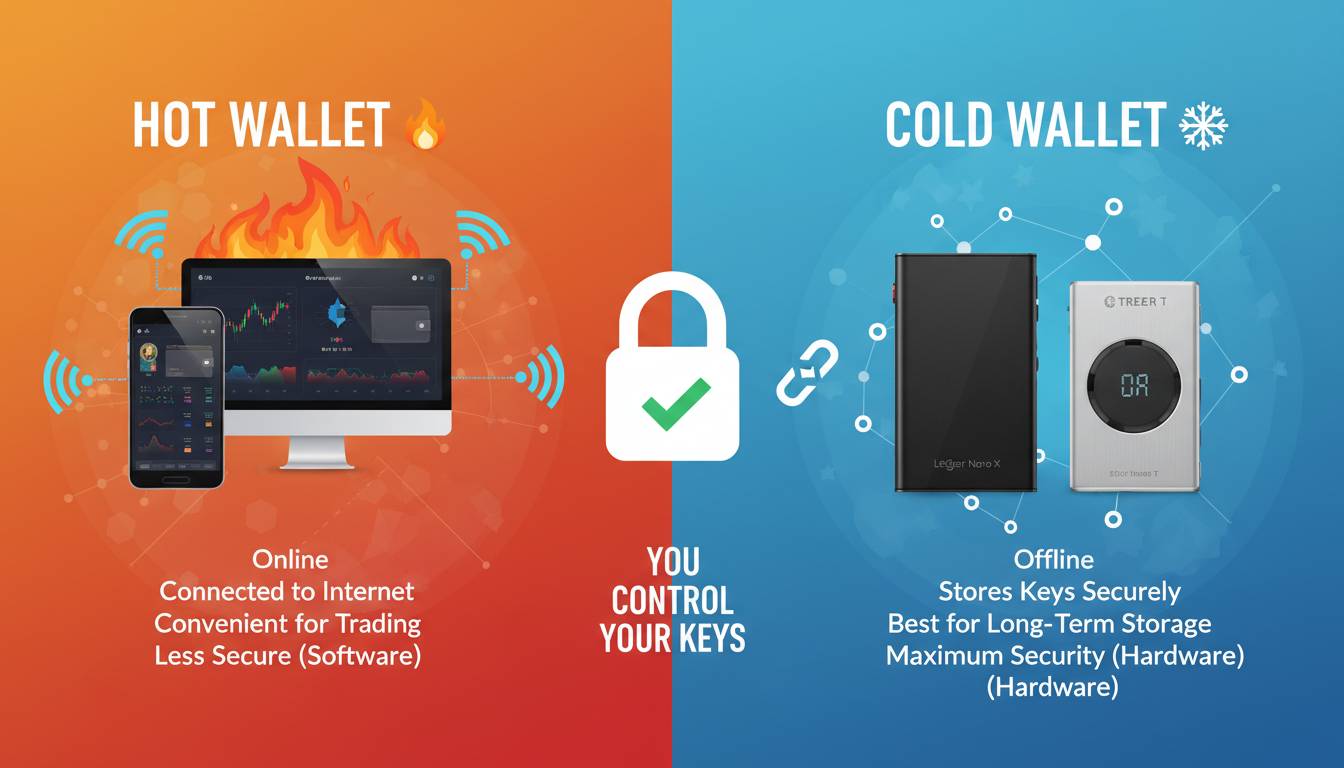
On-chain metrics provide visibility into blockchain network activity. Key on-chain indicators include active addresses, transaction volumes, exchange flows, and network hash rates. For example, when large amounts of Bitcoin move to exchanges, it may indicate selling pressure, while accumulation in cold wallets suggests long-term holding behavior.
Exchange data helps traders understand supply and demand dynamics. Tracking exchange reserves, trading volumes, and the ratio of long to short positions provides insights into potential market direction. Rising exchange reserves with increasing selling volume often precede price declines, while declining reserves with steady demand can indicate bullish momentum.
Social media sentiment analysis has become increasingly important in cryptocurrency markets, where retail investors wield significant influence. Monitoring trends on platforms like Twitter, Reddit, and Telegram can help identify emerging narratives and potential price movements driven by social sentiment. However, social media trends can also create pump-and-dump schemes, so investors should exercise caution and conduct independent research.
Risk Management and Portfolio Strategy
Successful cryptocurrency investment requires robust risk management strategies. The volatile nature of crypto assets means that prices can move dramatically in either direction, making position sizing, diversification, and stop-loss implementation essential for long-term success.
Position sizing determines how much capital to allocate to any single investment. A common rule among experienced investors is to never risk more than 1-2% of total portfolio capital on a single trade. This approach ensures that even a series of losing positions won’t significantly impact overall portfolio value, allowing traders to survive the inevitable drawdowns that occur in volatile markets.
Diversification across different asset classes, sectors, and risk profiles helps manage portfolio volatility. While Bitcoin and Ethereum represent the largest and most established cryptocurrencies, allocating exposure to other sectors like DeFi, NFTs, or layer-1 protocols can provide diversification benefits. However, diversification does not guarantee profits or protect against losses in declining markets.
Stop-loss orders automatically sell assets when prices fall below a predetermined level, limiting potential losses on positions. Setting stop-losses at logical technical levels, such as below recent support zones, helps protect capital while allowing room for normal market fluctuations. Trailing stop-losses can also be effective for capturing profits during trending markets.
Dollar-cost averaging (DCA) involves investing fixed amounts at regular intervals regardless of price, reducing the impact of volatility on overall purchase price. This strategy is particularly effective for investors who believe in the long-term potential of cryptocurrencies but want to minimize the risk of poor timing decisions. DCA removes emotional decision-making from the investment process and has proven effective for building cryptocurrency positions over time.
Current Market Dynamics and Trends
The cryptocurrency market continues to mature, with several notable trends shaping current market dynamics. Institutional adoption has accelerated significantly, with major financial institutions offering cryptocurrency products to their clients and allocating corporate treasury funds to digital assets. This institutional involvement has brought increased liquidity, more sophisticated trading infrastructure, and greater regulatory clarity.
Bitcoin dominance remains a key metric for understanding market sentiment. When Bitcoin dominance increases, it often indicates that investors are rotating into Bitcoin as a relative safe haven within the crypto ecosystem, while decreasing dominance suggests rising interest in alternative cryptocurrencies and DeFi projects.
DeFi and Web3 development continues to drive innovation in the space. Decentralized finance protocols enable lending, borrowing, and trading without traditional intermediaries, creating new financial instruments and earning opportunities for users. The total value locked in DeFi protocols has reached hundreds of billions of dollars at peak periods, demonstrating significant user adoption.
Layer-2 scaling solutions have become increasingly important as blockchain networks work to address scalability limitations. Solutions like Ethereum’s Polygon, Arbitrum, and Optimism, as well as Bitcoin’s Lightning Network, enable faster and cheaper transactions while maintaining security, expanding the practical use cases for blockchain technology.
Sustainable cryptocurrency practices have gained attention as environmental concerns grow. Many projects are transitioning to proof-of-stake consensus mechanisms or investing in renewable energy for mining operations. This shift reflects broader market expectations for environmentally responsible technology development.
Conclusion
Navigating the cryptocurrency market requires a comprehensive understanding of multiple analysis methodologies, risk management principles, and market dynamics. Technical analysis provides tools for identifying potential entry and exit points, while fundamental analysis helps evaluate the long-term value proposition of individual projects. Sentiment and on-chain metrics offer insights into market psychology and network health, complementing traditional analysis approaches.
The key to successful cryptocurrency investment lies in developing a systematic approach that aligns with your risk tolerance, investment horizon, and financial goals. Whether you are a trader seeking short-term opportunities or an investor building long-term positions, applying disciplined analysis methods and robust risk management strategies will improve your chances of success in this dynamic market.
Remember that the cryptocurrency market carries significant risks, including extreme volatility, regulatory uncertainty, and technological complexity. Never invest more than you can afford to lose, and consider consulting with financial professionals before making significant investment decisions. The market will continue to evolve, and staying informed through continuous learning remains essential for long-term success.
Frequently Asked Questions
Q: How often should I analyze the crypto market?
The frequency of analysis depends on your trading strategy and time commitment. Day traders may analyze the market multiple times per day, using short-term technical indicators. Swing traders typically conduct daily analysis to identify multi-day to multi-week opportunities. Long-term investors may review their positions monthly or quarterly, focusing more on fundamental developments than short-term price movements.
Q: Which cryptocurrency should I start investing in?
Bitcoin and Ethereum are generally considered the most appropriate starting points for new investors due to their established market position, high liquidity, and relatively extensive information available about them. These assets have demonstrated longevity and have the largest institutional adoption, making them lower-risk options for beginners. As you gain experience, you can explore other cryptocurrencies with higher risk-reward profiles.
Q: How do I know when to buy or sell cryptocurrency?
There is no single answer to this question, as effective timing depends on your investment strategy and risk tolerance. Technical traders look for specific chart patterns, indicator signals, and support/resistance levels to time entries and exits. Fundamental investors often buy when they believe the underlying value exceeds the current price and hold until that thesis changes. Many investors use dollar-cost averaging to systematically build positions over time, reducing the need to time market movements.
Q: Is cryptocurrency investing legal in the United States?
Yes, cryptocurrency investing is legal in the United States. The country has a clear regulatory framework for cryptocurrency, though regulations continue to evolve. The Commodity Futures Trading Commission (CFTC) classifies Bitcoin and Ethereum as commodities, while the Securities and Exchange Commission (SEC) has taken enforcement actions against certain tokens it considers securities. Investors should report cryptocurrency gains on their tax returns and comply with relevant federal and state regulations.
Q: What is the best time horizon for crypto investment?
The optimal investment horizon depends on your financial goals, risk tolerance, and investment strategy. Short-term trading can generate quick returns but requires significant time, expertise, and carries high risk. Medium-term swing trading spans days to months and balances time commitment with opportunity. Long-term holding, often called “HODLing” in crypto communities, has historically produced strong returns for patient investors who can weather significant volatility.
Q: How do I protect my cryptocurrency investments from theft or loss?
Protecting cryptocurrency investments requires multiple layers of security. Use hardware wallets for long-term storage, as they keep private keys offline and away from hackers. Enable two-factor authentication on all exchange accounts and use unique, strong passwords. Keep backup copies of your recovery phrases in secure, separate locations. Consider using a safe deposit box or secure home safe for physical backup documents. Never share your private keys or recovery phrases with anyone, and be cautious of phishing attempts and scam websites.