Crypto Investing for Beginners: Start Building Wealth Today

Cryptocurrency has transformed from a niche technology experiment into a mainstream asset class worth over $2 trillion globally. For beginners looking to diversify their portfolio and explore digital assets, understanding how to navigate this space safely and effectively is essential. This guide walks you through everything you need to know to start building wealth through crypto investing with confidence.
What Is Cryptocurrency and Why Should You Care
Cryptocurrency is a digital or virtual currency that uses cryptography for security and operates on decentralized networks, typically built on blockchain technology. Unlike traditional currencies issued by governments (such as the US dollar or euro), cryptocurrencies are not controlled by any central authority like a bank or government. This decentralization is one of the core innovations that makes crypto unique.
Bitcoin, created in 2009, was the first cryptocurrency and remains the most valuable and widely held. Since then, thousands of alternative cryptocurrencies—often called “altcoins”—have emerged, each with different use cases, technologies, and investment potential. Ethereum, for example, introduced smart contracts that enable decentralized applications, while stablecoins like USDC are pegged to traditional currencies to reduce volatility.
The reasons to consider cryptocurrency as part of your investment strategy include portfolio diversification, potential for high returns, 24/7 market access, and exposure to innovative technology. However, it’s crucial to understand that crypto markets are highly volatile. Prices can fluctuate dramatically in short periods, and the market operates around the clock, including weekends and holidays.
Key Insights
– The global cryptocurrency market cap exceeded $2.1 trillion as of early 2025
– Bitcoin has delivered significant returns over its history, though past performance does not guarantee future results
– Over 300 million people worldwide own some form of cryptocurrency
– Regulatory frameworks are evolving globally, which could impact future market dynamics
Understanding How Crypto Markets Work
Unlike traditional stock markets with set trading hours, cryptocurrency markets operate 24 hours a day, 7 days a week. This means prices can change at any time, including overnight or on weekends when traditional markets are closed.
Cryptocurrency exchanges serve as the primary platforms where buyers and sellers trade digital assets. These exchanges function similarly to stockbrokers, allowing you to place orders to buy or sell cryptocurrencies at current market prices or set limit orders for specific price points. Major US-based exchanges include Coinbase, Kraken, and Gemini, each offering different fee structures, user experiences, and security features.
The price of any cryptocurrency is determined by supply and demand on these exchanges. When more people want to buy a particular crypto than sell it, the price rises. Conversely, when selling pressure exceeds buying interest, prices fall. This market mechanism is influenced by numerous factors including news events, regulatory announcements, technological developments, macroeconomic conditions, and overall market sentiment.
One unique aspect of crypto markets is the prevalence of volatility. While this creates opportunities for profit, it also increases risk. A cryptocurrency that gains 50% in a week can just as easily lose 30% in days. This volatility is particularly pronounced in smaller-cap cryptocurrencies, which have lower trading volumes and can experience more dramatic price swings.
Essential Crypto Investment Strategies for Beginners
Dollar-Cost Averaging: The Steady Approach
Dollar-cost averaging (DCA) is one of the most recommended strategies for crypto beginners. This approach involves investing a fixed amount of money at regular intervals, regardless of the current price. By doing this, you buy more coins when prices are low and fewer when prices are high, potentially lowering your average cost per coin over time.
For example, if you invest $100 in Bitcoin every month, you automatically buy more during market dips and less during peaks. This removes the emotional decision-making from investing and helps you build a position steadily over time. Many financial advisors favor DCA for volatile assets like cryptocurrency because it reduces the risk of making poorly-timed investments based on emotions.
Diversification: Don’t Put All Your Eggs in One Basket
Just as with traditional investing, diversification is crucial in crypto. Rather than putting all your money into one cryptocurrency, spreading your investments across multiple assets can help manage risk. This doesn’t mean buying dozens of obscure coins—focusing on established cryptocurrencies with strong track records and use cases is generally safer for beginners.
A common approach is to allocate the majority of your crypto portfolio to established assets like Bitcoin and Ethereum, which together represent a significant portion of total market capitalization. You might then allocate smaller percentages to promising altcoins after conducting thorough research. This balanced approach gives you exposure to potential growth while maintaining a foundation in more stable assets.
Holding for the Long Term
The “HODL” strategy—originally a misspelling of “hold” that became a popular term in crypto communities—involves buying cryptocurrencies and holding them for extended periods, regardless of short-term price fluctuations. This strategy is based on the belief that cryptocurrency markets will appreciate significantly over time, despite inevitable downturns.
Long-term holding requires patience and emotional discipline. You’ll need to resist the urge to sell during market crashes or panic when prices drop. Historical data shows that Bitcoin and other major cryptocurrencies have recovered from every major crash in their history, though there’s no guarantee this pattern will continue.
How to Safely Buy Your First Cryptocurrency
Choosing a Reputable Exchange
Selecting the right cryptocurrency exchange is one of the most important decisions you’ll make as a beginner. Look for exchanges that are well-established, regulated in the United States, and have strong security track records. Coinbase is often recommended for beginners due to its user-friendly interface and regulatory compliance. Kraken offers more advanced features for those who want to explore trading further, while Gemini emphasizes security and regulatory adherence.
When evaluating exchanges, consider factors such as fee structures (which can vary significantly between platforms), available cryptocurrencies, deposit and withdrawal options, and customer support quality. Be wary of exchanges with unusually low fees, as they may have hidden costs or security compromises.
Setting Up Your Account Securely
Once you’ve chosen an exchange, you’ll need to complete the account registration process, which typically includes identity verification (known as Know Your Customer or KYC). This process is required by US regulations and helps prevent fraud and money laundering. You’ll need to provide identification documents and personal information.
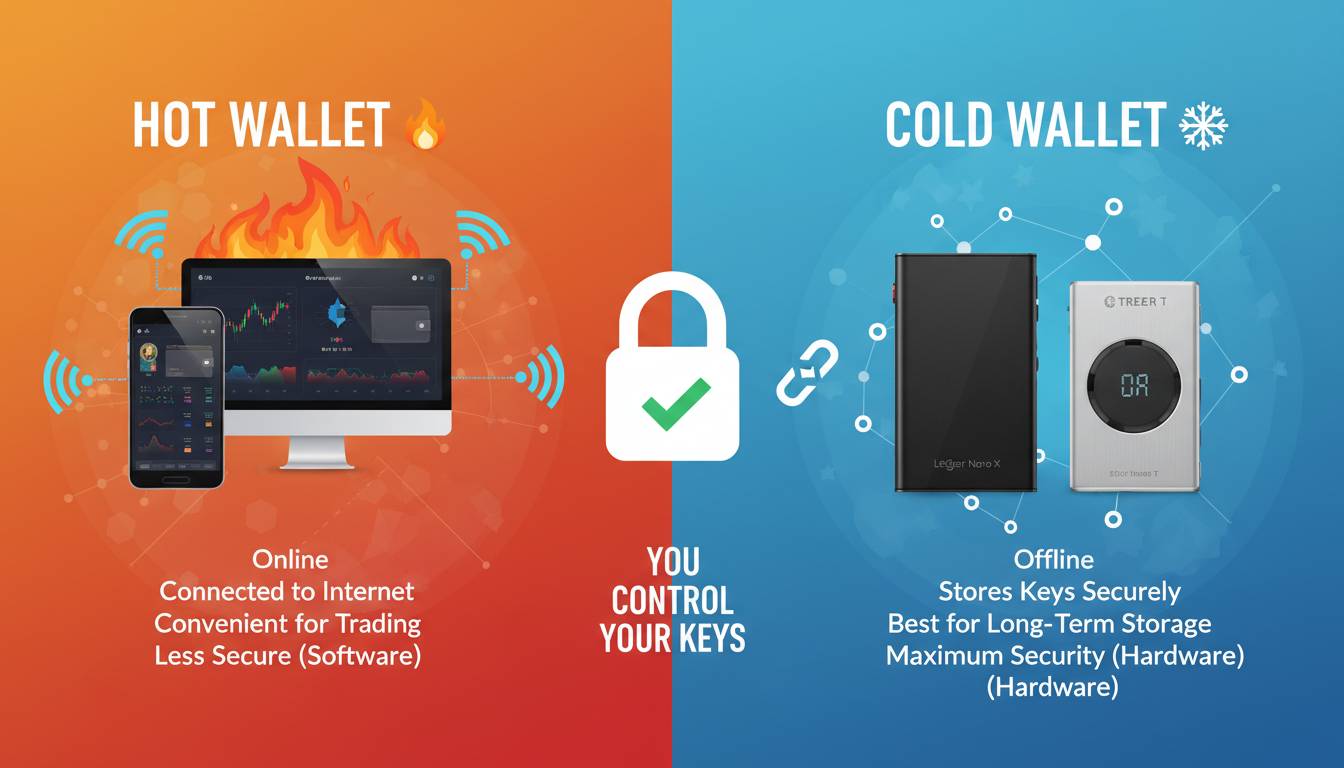
Security should be your top priority when setting up your account. Enable two-factor authentication (2FA) using an authenticator app rather than SMS text messages, which can be vulnerable to SIM-swapping attacks. Use a strong, unique password that you don’t reuse on other websites. Consider using a hardware wallet for storing significant amounts of cryptocurrency, as these devices keep your private keys offline and away from potential hackers.
Making Your First Purchase
After funding your account through a bank transfer or debit card, you’re ready to make your first purchase. For beginners, starting with Bitcoin or Ethereum is typically recommended due to their liquidity, established track records, and widespread acceptance. Start with a small amount that you’re comfortable potentially losing entirely—this mindset helps you make rational decisions rather than emotionally driven ones.
Place a market order to buy immediately at the current price, or set a limit order if you want to buy at a specific price point. After purchasing, consider transferring your crypto to a personal wallet rather than leaving it on the exchange, especially if you plan to hold for the long term. This practice, known as “not your keys, not your crypto,” gives you full control over your assets.
Managing Risk in Crypto Investing
Only Invest What You Can Afford to Lose
This principle cannot be stressed enough for cryptocurrency investing. Given the volatility inherent in crypto markets, you should never invest money that you need for essential expenses, emergency funds, or short-term financial goals. The old investment advice of not risking money you can’t afford to lose applies especially strongly to cryptocurrency.
A common guideline is to allocate no more than 5-10% of your overall investment portfolio to cryptocurrency, though this percentage varies based on your risk tolerance, age, and financial situation. This conservative approach ensures that even a complete loss of your crypto investments wouldn’t devastate your overall financial health.
Understanding Tax Implications
The IRS treats cryptocurrency as property for tax purposes, meaning capital gains and losses from crypto transactions are subject to taxation. When you sell cryptocurrency for more than you paid, you realize a capital gain that may be taxable. Similarly, if you sell at a loss, you may be able to claim a capital loss deduction.
Keeping detailed records of every transaction, including the date, amount, price, and purpose of each trade, is essential for accurate tax reporting. Many cryptocurrency exchanges provide transaction history reports that can assist with tax preparation. Consider consulting a tax professional who specializes in cryptocurrency to ensure you’re meeting all your tax obligations.
Recognizing Scams and Protecting Yourself
The cryptocurrency space unfortunately attracts numerous scams and fraudulent schemes. Common red flags include promises of guaranteed returns, pressure to invest quickly, unsolicited investment offers, and projects with little to no verifiable information. Be extremely cautious of any “investment manager” or “crypto guru” who contacts you directly with investment opportunities.
Ponzi schemes and pyramid schemes are particularly common in crypto. These typically promise absurdly high returns and rely on recruiting new investors to pay returns to earlier investors. When the recruitment slows down, the scheme collapses, and most participants lose their money. Always research any investment opportunity thoroughly and be skeptical of anything that sounds too good to be true.
Building a Sustainable Crypto Portfolio
As you gain experience, you’ll want to develop a more structured approach to managing your crypto investments. This includes regularly reviewing your portfolio allocation, rebalancing when necessary, and staying informed about developments in the projects you’ve invested in. Setting clear investment goals—whether it’s long-term wealth accumulation, short-term trading profits, or learning about the technology—helps guide your decisions.
Consider dollar-cost averaging into positions rather than making large lump-sum investments. This strategy not only reduces the impact of volatility but also builds discipline into your investment routine. Many successful crypto investors set up automatic purchases on a weekly or monthly basis, treating crypto investing like any other automated retirement contribution.
Staying educated is ongoing work. The cryptocurrency space evolves rapidly, with new technologies, regulations, and market dynamics emerging regularly. Follow reputable news sources, engage with communities thoughtfully, and continue learning about blockchain technology and the specific projects you’ve invested in. Knowledge is your best defense against fraud and poor investment decisions.
Frequently Asked Questions
How much money do I need to start investing in cryptocurrency?
You can start investing in cryptocurrency with very little money. Many exchanges allow you to purchase fractional amounts of Bitcoin and other cryptocurrencies, meaning you can invest as little as $5 or $10. This makes crypto accessible to beginners who want to learn and gain exposure without committing large sums initially.
Is cryptocurrency a safe investment?
Cryptocurrency investments carry significant risk due to market volatility, regulatory uncertainty, and technological factors. Prices can drop substantially in short periods, and there’s no guarantee any particular cryptocurrency will maintain or increase in value. Never invest more than you can afford to lose, and consider consulting a financial advisor before making investment decisions.
What’s the difference between Bitcoin and Ethereum?
Bitcoin was created as a digital currency and store of value, often called “digital gold.” It has a fixed supply of 21 million coins and primarily serves as a payment system. Ethereum is a platform that enables decentralized applications and smart contracts, with its native currency Ether (ETH) used to power these operations. Both serve different purposes and represent different investment theses.
Should I use a hot wallet or cold wallet for storing crypto?
Hot wallets (software connected to the internet) are convenient for frequent trading but are more vulnerable to hacking. Cold wallets (hardware devices offline) are much more secure and ideal for长期 holding significant amounts. For most beginners, keeping small amounts on an exchange for trading and transferring larger holdings to a hardware wallet is a balanced approach.
Can I lose all my money in crypto?
Yes, you can lose all your money in cryptocurrency. Prices can drop to zero if a cryptocurrency fails or becomes obsolete. Additionally, you can lose access to your funds if you lose your private keys or wallet recovery phrases. This is why security practices, diversification, and only investing what you can afford to lose are so important.
How do I know if a cryptocurrency is legitimate?
Research thoroughly before investing. Look for clear use cases, active development teams, transparent documentation, and real-world adoption. Check if the project has been audited by reputable security firms and examine community engagement. Be wary of projects with anonymous teams, vague whitepapers, or promises of guaranteed returns. If you can’t understand what a cryptocurrency does, don’t invest in it.
Conclusion
Cryptocurrency investing offers genuine opportunities for portfolio diversification and potential wealth building, but it requires careful navigation given the unique risks involved. Start small, educate yourself continuously, and prioritize security above all else. Choose reputable exchanges, enable all available security features, and consider transferring significant holdings to personal wallets.
Remember that the most successful crypto investors are those who approach the market with patience, discipline, and realistic expectations. The cryptocurrency market will continue evolving, presenting both opportunities and challenges. By following the strategies outlined in this guide—dollar-cost averaging, diversification, long-term holding, and rigorous risk management—you’ll be better positioned to build wealth responsibly in this exciting and dynamic space.