Cold Wallet Crypto – Secure Your Bitcoin & Altcoins Offline

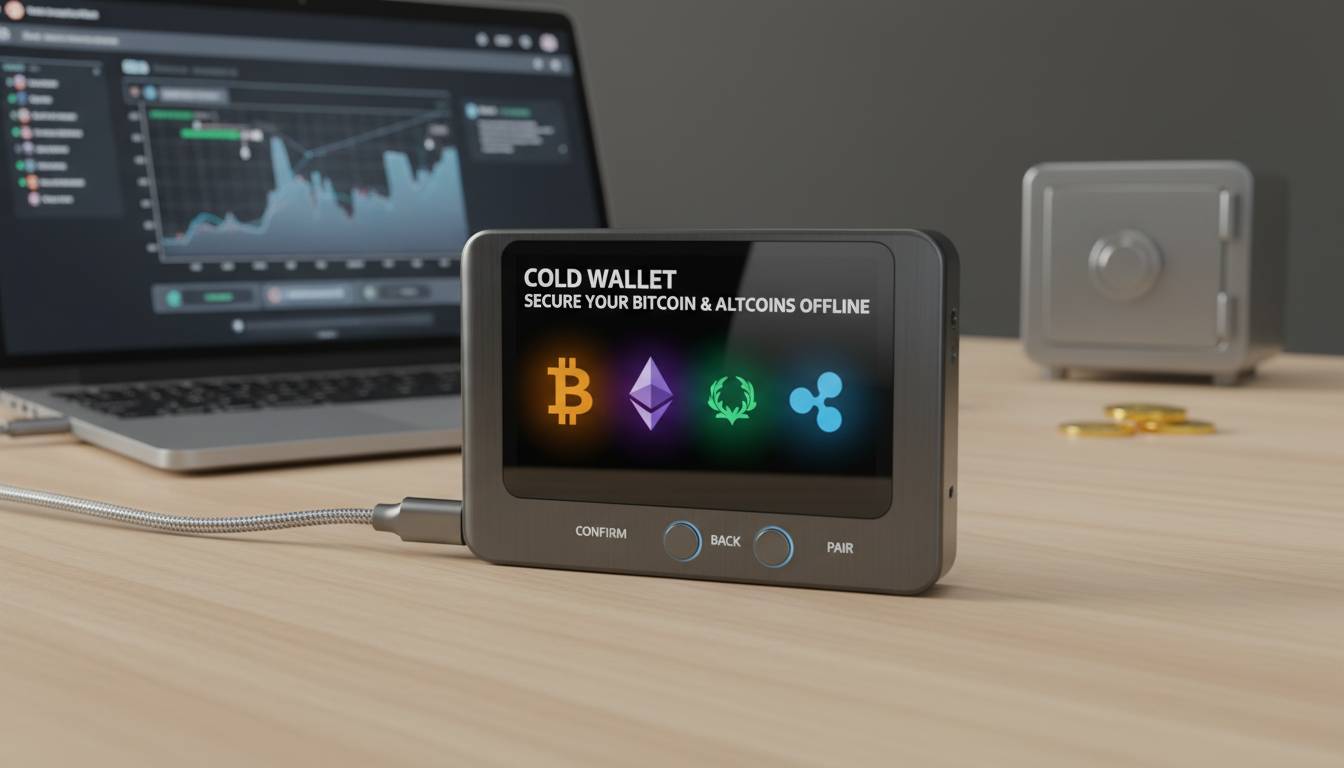
The cryptocurrency market has seen over $3.2 billion stolen through hacks and exploits in 2022 alone, with centralized exchanges accounting for the majority of these losses. If you’re holding Bitcoin, Ethereum, or any altcoins worth more than a few hundred dollars, the question isn’t whether you need enhanced security—it’s whether you’ve already waited too long. Hot wallets connected to the internet face constant threats, while cold wallets keep your private keys entirely offline, making them virtually immune to remote attacks. This comprehensive guide covers everything you need to know about cold wallet crypto security, from fundamental concepts to advanced implementation strategies that protect millions in digital assets.
Understanding Cold Wallets: The Foundation of Crypto Security
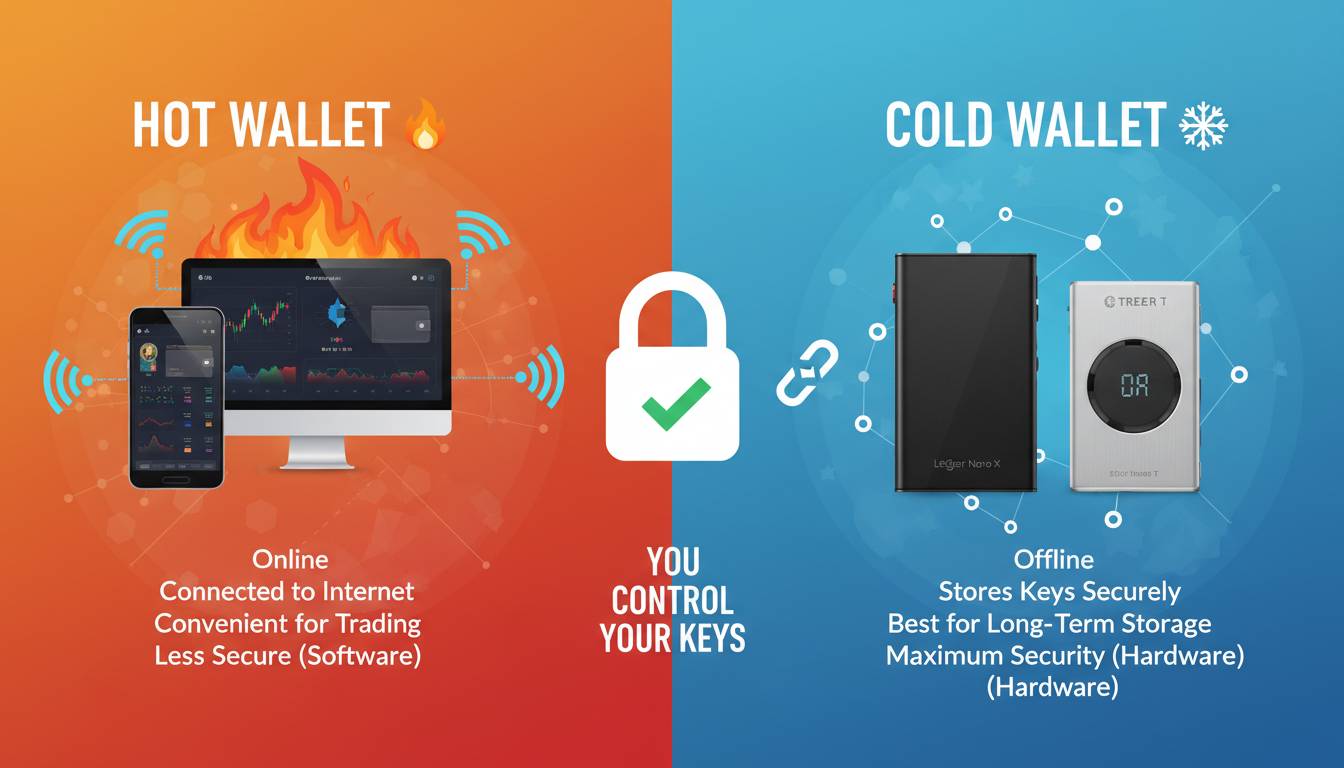
A cold wallet is a cryptocurrency storage method that keeps private keys offline, disconnected from internet-connected devices. Unlike hot wallets—which remain connected to the internet for convenient trading and transactions—cold wallets exist in forms that never expose their cryptographic secrets to online threats. The fundamental principle is simple: if a device cannot be accessed remotely, hackers cannot steal what’s stored on it.
Private keys are the mathematical proofs that authorize cryptocurrency transactions. Anyone who possesses a private key can transfer associated funds without restriction. When you store crypto on an exchange, you’re actually trusting that exchange with your private keys. When you use a cold wallet, you maintain sole custody of your keys through physical or hardware-based mechanisms that never transmit sensitive data over networks.
The distinction between custodial and non-custodial storage represents the core philosophical divide in cryptocurrency security. Centralized exchanges like Coinbase, Binance, and Kraken operate as custodians—they hold users’ private keys and manage security infrastructure. This model offers convenience but introduces counterparty risk: if an exchange is hacked, goes bankrupt, or freezes accounts, users may lose access to their funds. Cold wallets embody the “not your keys, not your crypto” principle, transferring complete responsibility for security to the individual holder.
Hardware wallets constitute the most popular cold wallet category, using specialized devices designed specifically for secure key generation and transaction signing. These devices cost between $79 and $250 typically and support hundreds of cryptocurrencies. Software wallets running on air-gapped computers or mobile devices offer alternative approaches, while paper wallets—physical documents containing printed private keys—represent the most basic cold storage method, though they’re increasingly considered outdated due to security vulnerabilities.
Types of Cold Wallets: Comparing Your Options
Hardware Wallets
Hardware wallets are dedicated physical devices that generate and store private keys in secure enclaves—isolated chip environments impossible to read through software manipulation. When signing a transaction, the device receives transaction data from a connected computer, processes the cryptographic signing internally, and returns only the signed transaction hash. The private key never leaves the secure element.
| Feature | Ledger | Trezor | ELLIPAL |
|---|---|---|---|
| Price Range | $79-$249 | $69-$189 | $169 |
| Supported Coins | 5,500+ | 1,000+ | 10,000+ |
| Screen | Yes | Yes | Yes (4-inch) |
| Air-Gapped Option | No | No | Yes |
| Mobile Support | USB/Bluetooth | USB | USB-C |
Ledger devices, manufactured by French company Ledger SAS, dominate the market with over 6 million units sold. Their proprietary Secure Element chips meet banking-grade security certifications. Trezor, produced by Czech-based SatoshiLabs, pioneered the hardware wallet category and offers open-source firmware allowing independent security audits. ELLIPAL differentiates through completely air-gapped operation—transactions queue on the device via QR code scanning, eliminating USB and Bluetooth attack surfaces entirely.
Paper Wallets
Paper wallets involve generating cryptocurrency addresses and private keys, then printing them on physical paper. The keys exist only in printed form, never on any digital device connected to the internet. While paper wallets cost nothing to create and provide genuine offline security, they introduce significant risks: physical damage (fire, water, loss), human error during key entry, and susceptibility to theft if discovered by others.
Generating paper wallets securely requires extreme precautions. The computer used for generation must never have connected to the internet, either beforehand or during the process. Bootable Linux distributions like Tails OS provide cleaner environments. Printers should be disconnected from networks. Many security experts now recommend avoiding paper wallets entirely due to the complexity of generating them safely—hardware wallets provide equivalent security with significantly better user experience.
Software Cold Wallets
Software cold wallets run on standard computing hardware but maintain strict offline operation. Desktop wallets like Electrum (Bitcoin) or Exodus (multi-coin) can operate on air-gapped computers that never connect to networks after wallet installation. Mobile cold wallets function similarly on isolated devices. This approach costs nothing beyond the computer or phone but demands discipline and technical understanding to implement correctly.
The air-gapping process involves several critical steps: install operating system and wallet software on a clean machine, create wallet and record recovery seed, physically disconnect the device from all networks, conduct transactions while offline by exporting unsigned transactions to media, sign them offline, then transfer signed transactions back to an online device for broadcast. This “cold storage, warm signing” methodology provides robust security for technically capable users.
Setting Up Your Cold Wallet: Step-by-Step Implementation
Preparation Phase
Before purchasing or creating a cold wallet, assess your total cryptocurrency holdings across all chains. Calculate approximate USD values for each asset to prioritize security investment. Users holding less than $1,000 in crypto may find hardware wallet costs disproportionate to their risk exposure, though convenience and peace of mind often justify the investment regardless of portfolio size.
Create a comprehensive inventory document listing all your cryptocurrency holdings, exchange accounts, and wallet addresses. This inventory serves as your reference for backup procedures and ensures you don’t overlook any assets during the security implementation process. Store this inventory securely—encrypted on a password manager or physical safe—never alongside your recovery seeds.
Select your hardware wallet based on supported cryptocurrencies, budget, and security preferences. Research current model specifications, as manufacturers regularly release updated versions. Purchase directly from manufacturers or authorized resellers to avoid tampered devices—never buy used hardware wallets from secondary marketplaces. Supply chain interdiction, where attackers intercept devices and modify firmware before resale, represents a documented attack vector.
Initialization Process
Upon receiving your hardware wallet, verify packaging integrity and look for any signs of tampering. Most manufacturers include holographic seals that reveal damage if removed. Connect the device to a computer and follow on-screen instructions to initialize firmware—manufacturers regularly release security updates, and initializing with outdated firmware could expose vulnerabilities.
During setup, the device generates a recovery seed—typically 12 or 24 words from the BIP-39 wordlist. This seed represents your private keys in human-readable form. Write this seed on paper using permanent ink. Never type it into computers, photograph it, or store it digitally. The manufacturer explicitly warns against these practices because each represents a potential attack surface.
Create multiple recovery seed copies, storing each in separate secure locations. Financial advisors recommend three copies minimum: one in a home safe, one in a bank safety deposit box, and one with a trusted family member. Geographic distribution protects against fire, theft, or natural disasters affecting a single location. Never store all copies in the same place.
Using Your Cold Wallet
Connect your hardware wallet to transaction signing only when necessary. After completing transactions, disconnect the device and store it securely. Never leave the device plugged into computers unnecessarily—this maintains the security boundary between offline keys and potentially compromised systems.
Understand the difference between viewing addresses and signing transactions. Most hardware wallet companion apps allow you to generate receive addresses and view balances without the device connected—these apps cannot spend your funds. When sending transactions, the device must connect, display transaction details on its screen for verification, and require physical button confirmation before signing.
Test recovery procedures before funding your wallet significantly. Reset your hardware wallet using the recovery seed, verify balance displays correctly, then repeat the process. This testing confirms your backup works and familiarizes you with recovery procedures before you need them under stress.
Why Cold Wallets Matter: The Security Case
Cryptocurrency exchanges remain primary targets for hackers, and breaches affect millions of users simultaneously. The 2021 Poly Network exploit saw $610 million stolen through a smart contract vulnerability—the hacker ultimately returned funds, but such outcomes are exceptional. More commonly, exchange collapses leave users with partial or complete losses. Mt. Gox, once handling 70% of Bitcoin transactions, collapsed in 2014 with 850,000 Bitcoin missing—users are still receiving partial repayments over a decade later.
Individual wallet targets face different threat profiles. SIM swapping attacks hijack phone numbers to bypass two-factor authentication, then transfer exchange account access. Phishing campaigns trick users into revealing login credentials. Malware records keystrokes and screenshots. Each attack succeeds because online accounts present attackable surfaces. Cold wallets eliminate these surfaces entirely—without internet connectivity, remote attackers cannot reach your keys.
The 2022 Chainalysis report found that over $3.2 billion in cryptocurrency was stolen through hacks in 2022, with DeFi protocols and centralized services as primary targets. However, individual users increasingly face sophisticated social engineering attacks. In 2023, phishing scams netted over $300 million from retail investors. Cold storage provides deterministic protection against these attack vectors regardless of how convincing phishing attempts become.
Financial advisors increasingly recommend cold wallets for anyone holding more than modest cryptocurrency amounts. The security boundary between online and offline is absolute in principle—while implementation flaws exist, they require physical device access rather than remote exploitation. This represents fundamental improvement over exchange-dependent security models.
Advanced Cold Wallet Strategies
Multi-Signature Configuration
Multi-signature (multisig) wallets require multiple private keys to authorize transactions, distributing control across several devices or holders. Common configurations include 2-of-3 (any two of three keys required) and 3-of-5 setups. This approach protects against single points of failure—a lost key doesn’t result in lost funds, while an attacker must compromise multiple devices rather than just one.
Hardware wallet manufacturers support multisig through companion software. For Bitcoin, hardware wallets integrate with Electrum or Casa to create multisig configurations. Ethereum multisig typically uses Gnosis Safe or hardware wallet integration with the service. Multisig increases complexity but provides security appropriate for significant holdings or organizational control.
Estate Planning Considerations
Cryptocurrency holdings often create estate planning challenges—if owners die or become incapacitated without sharing access information, funds may become permanently inaccessible. Cold wallet strategies should include inheritance planning: document wallet locations and recovery procedures, provide access instructions to trusted parties, and consider multisig setups that allow designated heirs to recover funds without exposing keys to single individuals prematurely.
Several services now offer cryptocurrency inheritance planning, storing encrypted recovery information with instructions for beneficiaries. These services require careful vetting—ensure they carry appropriate insurance and have track records of trustworthy operation. Traditional estate planning attorneys increasingly understand cryptocurrency; consult professionals familiar with digital asset succession.
Common Cold Wallet Mistakes to Avoid
The most dangerous cold wallet mistake involves storing recovery seeds digitally—on computers, in password managers, in cloud storage, or through screenshots. Digital storage creates attack surfaces that undermine the entire cold wallet security model. Every major cryptocurrency theft from hardware wallet users has resulted from compromised digital seed storage, not hardware wallet compromises themselves.
| Mistake | Consequence | Prevention |
|---|---|---|
| Digital seed storage | Complete fund loss if device compromised | Paper only, physical secure locations |
| Single backup copy | Permanent loss if one copy destroyed | Multiple geographically distributed copies |
| Ignoring firmware updates | Known vulnerabilities exploitable | Regular updates from manufacturer websites |
| Purchasing used wallets | Potential firmware tampering | Buy only new from authorized sellers |
| Sharing seed with anyone | Complete loss of control | Never share, even with “support” representatives |
Purchasing used hardware wallets represents another common error. Even seemingly sealed devices may have modified firmware. Attackers purchase devices, modify firmware to exfiltrate seeds upon initialization, reseal packaging, and resell through secondary markets. Only purchase new from authorized retailers or directly from manufacturers.
Many users neglect firmware updates, running outdated software with known vulnerabilities. Manufacturers release updates addressing discovered security issues—decline to update only after careful risk assessment. Bookmark manufacturer websites directly rather than clicking update links in emails, as phishing campaigns impersonate wallet manufacturers.
Conclusion
Cold wallet cryptocurrency security represents non-negotiable best practice for serious digital asset holders. The fundamental principle is straightforward: keep private keys offline, maintain physical control over recovery seeds, and minimize exposure surfaces. Whether you choose hardware wallets for convenience, software-based air-gapping for cost savings, or paper wallets for maximum simplicity, the security improvement over hot wallet storage is substantial.
The implementation path is clear: assess holdings, select appropriate cold wallet solutions, initialize with proper backup procedures, and test recovery processes before funding significantly. For larger portfolios, consider multisig configurations and professional custody solutions. Remember that the most sophisticated technical security fails if recovery seeds aren’t protected—physical security and backup redundancy matter as much as cryptographic architecture.
The cryptocurrency landscape continues evolving, with new threats emerging constantly. Cold wallets adapt to these threats by maintaining the core security principle of offline private keys. By implementing cold storage properly, you join the ranks of serious cryptocurrency holders who understand that true ownership requires direct control over the cryptographic keys that authorize transactions.
Frequently Asked Questions
How much cryptocurrency should I keep in a cold wallet versus a hot wallet?
Keep only the amount you need for immediate transactions in hot wallets—typically $200-500 for convenience. Move everything else to cold storage immediately. There’s no percentage-based rule; any amount above daily spending needs should reside offline.
Can hardware wallets be hacked physically?
While theoretical attacks exist, no documented cases show successful hardware wallet key extraction through physical methods. The Secure Element chips are designed to resist tampering, and firmware verification prevents modified software execution. Physical security remains primarily about preventing device theft, not sophisticated extraction.
What happens if my hardware wallet breaks or stops working?
Your funds remain accessible through the recovery seed. Any hardware wallet from the same manufacturer—or any BIP-39 compatible wallet—can restore your keys by entering the seed words. This is why secure seed backup is absolutely critical.
Are paper wallets still safe to use?
Paper wallets can be secure if generated properly on completely offline computers, but the process is error-prone for non-technical users. Hardware wallets provide equivalent security with significantly better usability and error prevention. Most security experts no longer recommend paper wallets for most users.
Do I need different cold wallets for different cryptocurrencies?
Hardware wallets typically support hundreds or thousands of cryptocurrencies on a single device. Check manufacturer supported coin lists before purchasing. For holding many different altcoins, verify your specific assets are supported.
How often should I check or update my cold wallet security?
Review cold wallet security annually at minimum, checking for firmware updates, reviewing backup locations, and verifying inventory accuracy. Update immediately if security recommendations change or if you suspect any compromise to your backup information.