Blockchain Technology Explained: Complete Beginner’s Guide

Blockchain technology has evolved from a niche concept born from cryptocurrency into a transformative force reshaping industries from finance to healthcare, supply chain to voting systems. Understanding blockchain is no longer optional for business leaders, developers, or curious individuals—it has become essential literacy in the digital age.
This comprehensive guide breaks down blockchain technology into clear, digestible concepts without sacrificing technical accuracy. Whether you’re a complete beginner or someone seeking to deepen existing knowledge, you’ll find practical explanations, real-world examples, and actionable insights throughout this resource.
What is Blockchain Technology?
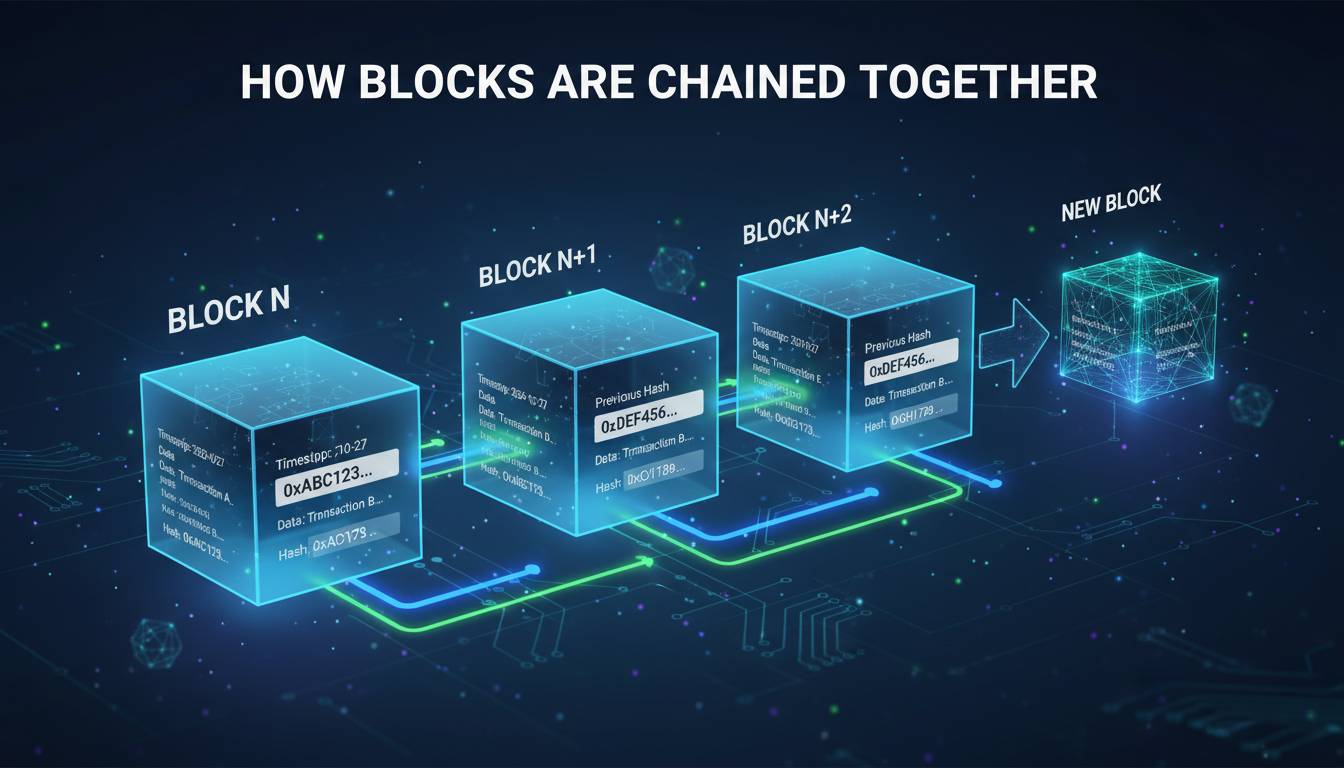
A blockchain is a distributed digital ledger that records transactions across many computers in a way that makes the records extremely difficult to alter retroactively. The technology derives its name from its structural nature: data is organized into “blocks” that are chained together chronologically using cryptographic principles.
Key Statistics:
– The global blockchain market is projected to reach $1.2 trillion by 2030, growing at a compound annual growth rate (CAGR) of 56% from 2023
– Over 100 countries have implemented or are piloting blockchain applications
– Major corporations including IBM, Microsoft, and Amazon have invested over $14 billion in blockchain development through 2023
At its core, blockchain solves a fundamental problem in digital systems: how can multiple parties agree on the state of data without trusting a central authority? Traditional databases rely on a single administrator—a bank, a company, a government—to verify and record transactions. Blockchain distributes this responsibility across a network of participants, creating a system where no single entity controls the data but everyone can trust its integrity.
Each block contains three essential elements: data (the information being recorded), a hash (a unique digital fingerprint), and the hash of the previous block (creating the “chain”). This cryptographic linking ensures that altering any historical record would require changing every subsequent block across the entire network—an computationally infeasible task for established blockchains.
The technology gained initial prominence through Bitcoin, the first cryptocurrency, but its applications have expanded far beyond digital currency. Modern blockchains support smart contracts, decentralized applications (dApps), non-fungible tokens (NFTs), and sophisticated financial instruments that operate without traditional intermediaries.
How Blockchain Technology Works
Understanding blockchain requires grasping several interconnected technical concepts that work together to create trustless, transparent systems. Let’s walk through the process step by step.
The Transaction Process:
-
Initiation: A user initiates a transaction—whether sending cryptocurrency, verifying product authenticity, or recording a contract. This transaction is broadcast to the blockchain network.
-
Propagation: Nodes (computers participating in the network) receive the transaction and verify its validity by checking digital signatures and ensuring the sender has sufficient resources.
-
Validation: Valid transactions are grouped together into a candidate block along with other pending transactions from the network.
-
Consensus: Network participants (miners or validators) compete to solve a complex mathematical puzzle or stake their holdings to propose the next block. This mechanism—called Proof of Work or Proof of Stake—ensures agreement on which transactions to include.
-
Block Addition: Once consensus is reached, the new block is added to the existing chain. This block becomes permanent and visible to all participants.
-
Confirmation: The transaction is now confirmed. Most blockchains require multiple block confirmations for finality, making it increasingly difficult to reverse transactions over time.
Consensus Mechanisms Explained:
| Mechanism | How It Works | Energy Usage | Examples |
|---|---|---|---|
| Proof of Work (PoW) | Miners compete to solve mathematical puzzles | High | Bitcoin, Dogecoin |
| Proof of Stake (PoS) | Validators stake cryptocurrency to propose blocks | Low | Ethereum (after 2022), Cardano |
| Delegated PoS | Users vote for validators to confirm transactions | Very Low | EOS, Tron |
| Proof of Authority | Pre-approved validators confirm transactions | Very Low | VeChain, Hyperledger |
The beauty of this system lies in its redundancy. Each node maintains a complete copy of the blockchain, so no single point of failure exists. If one node goes offline or attempts to manipulate records, the network simply ignores it and continues based on the majority consensus.
Key Features and Benefits of Blockchain
Blockchain technology offers several distinctive advantages that set it apart from traditional database systems. Understanding these benefits helps explain why industries worldwide are investing in blockchain adoption.
Immutability: Once data enters the blockchain, it cannot be changed without detection. This creates an auditable, tamper-proof record that builds unprecedented trust. According to IBM, supply chain managers report 40% faster dispute resolution when using blockchain for provenance tracking .
Transparency: Public blockchains allow anyone to verify transactions, creating unprecedented accountability. This transparency reduces fraud, errors, and the need for costly audits. The World Bank estimates that blockchain-based land registry systems in developing nations could reduce property disputes by 70% while cutting registration costs by 50-90%.
Decentralization: By removing middlemen, blockchain enables peer-to-peer transactions that are faster and cheaper. The McKinsey Global Institute reports that blockchain could reduce cross-border payment processing costs by up to 40% while cutting settlement times from days to seconds.
Security: Cryptographic protections and distributed consensus make blockchain exceptionally secure. ThePonemon Institute found that 61% of surveyed organizations consider blockchain either “highly effective” or “effective” at securing sensitive data (2023).
Traceability: Every transaction leaves a permanent trail. This proves invaluable for supply chains, where consumers and regulators increasingly demand proof of origin. Walmart’s blockchain implementation for leafy greens reduced the time to trace product origins from 7 days to 2.2 seconds.
Cost Reduction: By eliminating intermediaries, automating verification, and reducing fraud, blockchain delivers significant cost savings. Deloitte’s 2023 Global Blockchain Survey indicates 82% of respondents expect blockchain to achieve mainstream adoption, with 52% reporting measurable ROI from their blockchain investments.
Types of Blockchains
Not all blockchains are created equal. Understanding the different categories helps you choose the right platform for specific applications.
Public Blockchains
Public blockchains like Bitcoin and Ethereum operate without restrictions—anyone can join the network, validate transactions, or build applications. These networks prioritize decentralization and censorship resistance but often sacrifice transaction speed.
- Bitcoin: The first and largest cryptocurrency by market cap, designed primarily as digital money
- Ethereum: The leading smart contract platform powering the majority of decentralized applications
- Solana: High-speed blockchain processing up to 65,000 transactions per second
Private Blockchains
Private blockchains restrict participation to invited members only. Organizations typically use these for internal operations where they want blockchain’s benefits without public exposure.
| Feature | Public Blockchain | Private Blockchain | Consortium Blockchain |
|---|---|---|---|
| Participation | Open to anyone | Invitation only | Approved participants |
| Speed | Slower (congestion possible) | Very fast | Fast to moderate |
| Privacy | Full transparency | High privacy | Controlled visibility |
| Use Case | DeFi, Web3, Digital Assets | Enterprise operations | Inter-organizational |
Consortium Blockchains
Governed by a group of organizations rather than a single entity, consortium blockchains represent a middle ground. Multiple companies share responsibility for validating transactions while maintaining some privacy controls. Examples include the Hyperledger Fabric (used by IBM, Intel, and hundreds of enterprises) and the R3 Corda network (popular in banking).
Layer 1 vs. Layer 2 Solutions
- Layer 1 (L1): The base blockchain protocol (Ethereum, Bitcoin). These prioritize security and decentralization but face throughput limitations.
- Layer 2 (L2): Solutions built on top of Layer 1 to improve scalability. Examples include Lightning Network (Bitcoin) and Polygon, Arbitrum, and Optimism (Ethereum). L2 solutions can process thousands of transactions per second while inheriting the security of the underlying L1.
Real-World Applications of Blockchain
Beyond cryptocurrency, blockchain technology powers applications across numerous industries. Here are the most impactful use cases.
Financial Services:
Cross-border payments represent one of blockchain’s most mature applications. SWIFT reports that pilot programs using blockchain for international settlements reduced processing times from 3-5 days to under 24 hours. JPMorgan’s Onyx platform has processed over $1 trillion in transactions since 2020.
Supply Chain Management:
From food safety to luxury goods authentication, blockchain provides verifiable product journeys. Nestlé uses IBM Food Trust to track infant formula from Swiss farms to stores worldwide. De Beers traces diamonds from mine to retail, ensuring conflict-free sourcing.
Healthcare:
Patient data management benefits significantly from blockchain’s security and interoperability. Medicalchain partners with hospitals to give patients control over their health records while enabling secure sharing between providers. The Health Level Seven (HL7) standards body is integrating blockchain for secure health data exchange.
Real Estate:
Property transactions traditionally require numerous intermediaries—lawyers, title companies, banks—each adding time and cost. Propy has facilitated over $4 billion in real estate transactions using blockchain, reducing closing times from weeks to minutes while cutting costs by up to 30%.
Voting Systems:
Blockchain’s immutability and transparency make it ideal for voting. West Virginia piloted blockchain voting for overseas military personnel in 2018, with results verified through mobile devices. Several countries are exploring national blockchain voting systems.
Digital Identity:
Self-sovereign identity (SSI) lets individuals control their credentials without relying on central authorities. The World Economic Forum estimates that SSI could save governments $50 billion annually in identity verification costs.
Common Misconceptions About Blockchain
Despite growing adoption, blockchain remains misunderstood. Let’s address the most prevalent myths.
Myth 1: Blockchain is the Same as Cryptocurrency
Reality: Cryptocurrency is just one application of blockchain technology. Think of blockchain as an operating system and cryptocurrency as one app running on that system. Blockchain can verify identities, track supply chains, execute smart contracts, and record medical records—none of which require any cryptocurrency.
Myth 2: Blockchain is Completely Anonymous
Reality: Most blockchains are pseudonymous, not anonymous. Transactions are publicly visible, and sophisticated analysis can often link addresses to real-world identities. Privacy-focused cryptocurrencies like Monero and Zcash offer enhanced anonymity, but most enterprise blockchains actually prioritize transparency and auditability.
Myth 3: Blockchain is Unhackable
Reality: While blockchain itself is extremely secure, the systems built around it are not immune to attacks. The majority of cryptocurrency thefts occur through exchange hacks, smart contract vulnerabilities, and social engineering—not by attacking the blockchain itself. Over $3.8 billion in cryptocurrency was stolen in 2022, primarily through application-layer attacks.
Myth 4: Blockchain is Only for Tech Companies
Reality: Organizations across every sector—from agriculture to entertainment, government to healthcare—are implementing blockchain solutions. According to a 2023 Deloitte survey, 94% of major companies are actively investing in blockchain, recognizing its relevance beyond technology.
Myth 5: Blockchain is Too Slow for Real Applications
Reality: This concern was valid for early blockchains like Bitcoin (7 transactions per second), but modern networks handle vastly higher volumes. Solana processes 65,000 TPS, while Layer 2 solutions on Ethereum achieve similar throughput. For most enterprise applications, current blockchain speeds are more than sufficient.
Getting Started with Blockchain
Whether you’re looking to use blockchain technology, build applications, or invest in the ecosystem, here are practical first steps.
For Business Leaders
-
Identify a Use Case: Look for processes involving multiple parties, data integrity concerns, or expensive intermediaries. Supply chain tracking, payment processing, and identity verification are common starting points.
-
Start Small: Pilot programs minimize risk while generating proof of value. Many organizations begin with consortium networks rather than building proprietary systems.
-
Engage Partners: Blockchain’s value often emerges from network effects. Identify industry partners already exploring blockchain or consider joining existing consortia like the Blockchain in Transport Alliance (BITA) or GS1 for supply chain applications.
-
Build Internal Knowledge: Hire blockchain developers or train existing staff. Understanding the technology enables better strategic decisions and vendor negotiations.
For Developers
Learning Resources:
– Ethereum.org offers comprehensive documentation and tutorials
– Cryptozombies teaches smart contract development through game creation
– Chainlink Blog provides industry insights and technical guides
Essential Skills:
– Solidity (smart contract language for Ethereum)
– Web3.js or Ethers.js (JavaScript libraries for blockchain interaction)
– Understanding of cryptographic primitives
For Individual Users
-
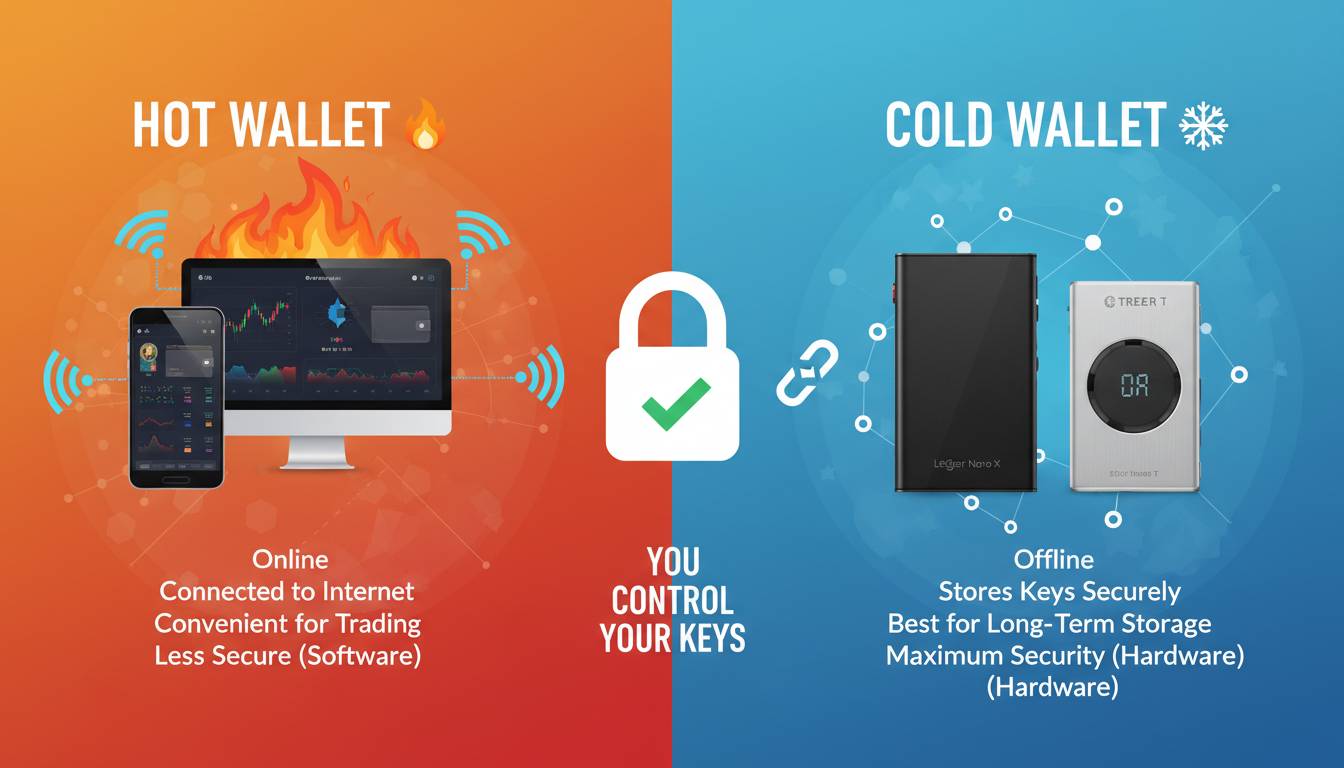
Wallets: Start with reputable software wallets like MetaMask or hardware wallets like Ledger for larger holdings. Never share private keys.
-
Education: Understand the difference between storing cryptocurrency versus simply learning about blockchain technology.
-
Caution: The cryptocurrency space contains significant fraud. Research thoroughly, never invest more than you can afford to lose, and be skeptical of guaranteed returns.
The Future of Blockchain
Blockchain technology continues evolving rapidly, with several trends shaping its trajectory.
Interoperability: Cross-chain bridges and protocols like Polkadot and Cosmos enable communication between different blockchains, creating a more connected ecosystem. This allows assets and data to flow seamlessly across networks.
Central Bank Digital Currencies (CBDCs): Over 130 countries, representing 98% of global GDP, are exploring or piloting CBDCs. China’s digital yuan has processed over $14 billion in transactions, while the Federal Reserve continues researching a digital dollar.
Web3 Integration: Blockchain forms the foundation of Web3—a vision for a decentralized internet where users own their data and digital assets. Major technology companies are increasingly investing in Web3 development.
Regulation: Governments worldwide are establishing regulatory frameworks. The EU’s MiCA (Markets in Crypto-Assets) regulation provides comprehensive rules, while the US continues developing its approach through multiple agencies.
Enterprise Adoption: According to Gartner, blockchain will generate $3.1 trillion in business value by 2030. The technology is transitioning from experimental to production-ready across industries.
Conclusion
Blockchain technology represents a fundamental shift in how we establish trust, transfer value, and organize digital systems. From its origins in cryptocurrency to its current applications across industries, blockchain has demonstrated its potential to reduce costs, increase transparency, and enable new forms of collaboration.
Understanding blockchain is no longer optional—it’s becoming essential for navigating our increasingly digital world. The technology isn’t perfect: scalability challenges, energy concerns, and regulatory uncertainty remain. But the momentum is undeniable. Major institutions, governments, and businesses are investing billions in blockchain infrastructure, signaling long-term commitment to this transformative technology.
Whether you’re a business leader exploring applications, a developer building the next generation of applications, or simply a curious individual seeking to understand the digital landscape, blockchain offers profound implications for how we interact, transact, and trust one another in the twenty-first century.
Frequently Asked Questions
What is blockchain technology in simple terms?
Blockchain is a digital ledger system that records information across multiple computers in a way that makes the records extremely difficult to change. Think of it as a shared, transparent spreadsheet that everyone can see but no single person controls. Each “block” contains data, and these blocks are connected in a “chain” that creates a permanent, unchangeable record.
Is blockchain the same as Bitcoin?
No—Bitcoin is one specific application of blockchain technology, while blockchain is the underlying technology platform. Bitcoin uses blockchain to record cryptocurrency transactions, but the same technology can track supply chains, verify identities, manage medical records, and much more. Bitcoin is to blockchain what email is to the internet.
How secure is blockchain technology?
Blockchain is considered highly secure due to its distributed nature and cryptographic protections. To alter any historical record, an attacker would need to control more than 50% of the network and change every subsequent block across the entire system—which is computationally infeasible for established blockchains. However, individual applications built on blockchain (like exchanges or smart contracts) can still have vulnerabilities.
Do I need technical skills to use blockchain?
Not necessarily. Many blockchain applications are designed for general users. You can use cryptocurrency wallets, participate in decentralized finance (DeFi), or verify product authenticity without coding. However, building blockchain applications or understanding technical details requires programming knowledge.
How long does a blockchain transaction take?
Transaction times vary significantly depending on the blockchain network and current activity. Bitcoin typically takes 10-60 minutes for confirmation, while Ethereum ranges from seconds to several minutes. Newer blockchains like Solana process transactions in seconds. During high-demand periods, you may pay higher “gas fees” for faster processing.
What industries will blockchain impact most?
Blockchain is expected to transform finance (payments, trading, remittances), supply chain management (tracking, verification), healthcare (records, drug provenance), real estate (property transfer, title management), government (voting, identity), and intellectual property (royalties, ownership verification). Almost any industry involving data verification and multi-party coordination stands to benefit.