Blockchain Developer Jobs – Remote & High-Paying Roles Available


The blockchain development job market has experienced remarkable growth over the past five years, transforming from a niche specialization into one of the most sought-after career paths in technology. As enterprises across finance, healthcare, supply chain, and entertainment increasingly adopt blockchain solutions, the demand for skilled developers has outpaced supply significantly. Companies ranging from startups to Fortune 500 corporations are actively recruiting blockchain developers, offering competitive salaries and flexible work arrangements. Understanding the current landscape of blockchain developer jobs—including salary expectations, required skills, remote opportunities, and career progression paths—can help developers position themselves for success in this dynamic field.
Understanding the Blockchain Developer Job Market in 2025
The blockchain developer job market in the United States continues to demonstrate strong growth, driven by expanding enterprise adoption and Web3 initiatives. According to data from the U.S. Bureau of Labor Statistics, software development positions overall are projected to grow 22% from 2020 to 2030, with specialized roles in blockchain commanding premium compensation due to their technical complexity and scarcity.
Blockchain developers occupy several distinct role categories, each with different responsibilities and compensation structures. Core blockchain developers focus on building and maintaining blockchain protocols and consensus mechanisms. These positions typically require deep expertise in distributed systems, cryptography, and low-level programming languages. Smart contract developers specialize in writing self-executing code that runs on blockchain platforms like Ethereum, Solana, and Polygon. Frontend blockchain developers create user interfaces that interact with decentralized applications, combining traditional web development skills with blockchain integration knowledge.
The talent gap in blockchain development remains substantial. A 2024 report from LinkedIn identified blockchain developer as one of the most difficult positions to fill in the technology sector, with job postings remaining open an average of 45% longer than comparable software engineering roles. This shortage directly impacts compensation, with companies offering significant premiums to attract and retain qualified blockchain developers.
Blockchain Developer Salary Overview and Compensation Trends
Blockchain developer salaries in the United States consistently rank among the highest in the technology sector, reflecting both the specialized nature of the work and the competitive market for talent. Entry-level blockchain developers with less than two years of experience can expect annual salaries ranging from $80,000 to $120,000, depending on location, company size, and specific technical requirements.
Mid-level blockchain developers with two to five years of experience typically command salaries between $120,000 and $180,000. These positions often involve leading smart contract development projects, mentoring junior developers, and architecting blockchain solutions. Senior blockchain developers and technical leads with extensive experience can earn $180,000 to $280,000 or more, with total compensation frequently exceeding $350,000 when including equity, bonuses, and benefits.
Geographic location significantly influences blockchain developer compensation. San Francisco, New York, Seattle, and Austin offer the highest base salaries, reflecting the concentration of blockchain companies and venture capital funding in these tech hubs. However, the widespread adoption of remote work has somewhat equalized compensation across regions, with many companies offering location-independent salaries or geographic banding that still exceeds local market rates for traditional software roles.
Essential Skills and Technologies for Blockchain Developers
Successful blockchain developers must possess a combination of core programming skills, blockchain-specific knowledge, and understanding of cryptographic principles. The foundational programming languages for blockchain development include Solidity (for Ethereum and EVM-compatible chains), Rust (for Solana and Polkadot ecosystems), Go (used in Hyperledger Fabric and Cosmos), and JavaScript/TypeScript for frontend blockchain development and Web3 integration.
Beyond programming languages, blockchain developers need familiarity with distributed systems concepts including consensus mechanisms, peer-to-peer networks, and data structures like Merkle trees. Understanding cryptographic primitives such as hashing, digital signatures, and encryption is essential for building secure blockchain applications. Smart contract security knowledge has become increasingly important following high-profile exploits that have resulted in billions of dollars in losses.
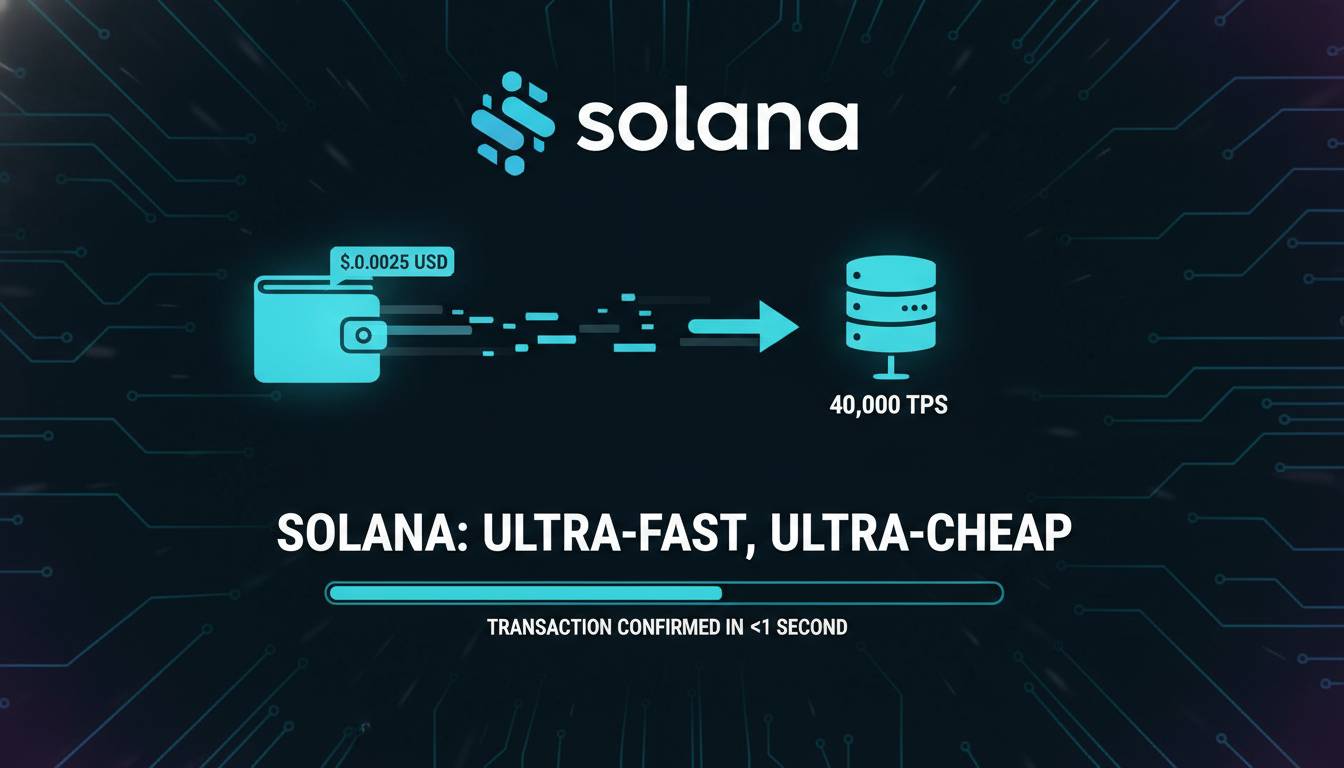
The blockchain platforms and frameworks that developers should understand continue to evolve. Ethereum remains the dominant smart contract platform, but competition from Solana, Avalanche, Polygon, and layer-2 solutions has expanded the ecosystem. Developers should also understand blockchain interoperability protocols, oracle systems that connect on-chain and off-chain data, and decentralized storage solutions like IPFS and Arweave.
Remote and Flexible Work Opportunities in Blockchain Development
The blockchain industry has embraced remote work more thoroughly than most technology sectors, creating abundant opportunities for developers seeking flexibility. Decentralized teams, global talent pools, and cryptocurrency-native company cultures have normalized distributed work arrangements in the blockchain space. According to a 2024 survey by the Blockchain Jobs Report, approximately 78% of blockchain developer positions offer remote work options, compared to roughly 55% for traditional software engineering roles.
Remote blockchain developer positions span the full range of experience levels and specializations. Companies actively recruit remote blockchain developers through specialized job boards like CryptoJobs, Web3 Career, and Remote3, as well as general platforms like LinkedIn and Indeed. The compensation for remote positions often matches or exceeds on-site roles, with many companies offering additional benefits to attract remote talent.
Several factors make blockchain development particularly well-suited to remote work. The asynchronous nature of blockchain transactions and the global nature of cryptocurrency markets mean that teams are distributed across time zones by design. Many blockchain projects operate as decentralized autonomous organizations (DAOs) with no central office, making remote work the standard rather than an exception. Developers working on open-source blockchain protocols or contributing to DeFi projects often participate in online communities rather than traditional workplace environments.
Career Paths and Professional Development for Blockchain Developers
Blockchain developers can pursue several distinct career trajectories depending on their interests and expertise. The technical track includes progression from junior developer to senior developer, then to technical architect or principal engineer positions. These roles increasingly focus on system design, protocol-level decisions, and mentoring other developers. Some developers choose to specialize as security engineers, focusing exclusively on smart contract audits and vulnerability assessment—a high-demand specialization that commands premium compensation.
The management track offers opportunities to lead blockchain development teams, manage product development for Web3 applications, or become a chief technology officer at blockchain-focused companies. These positions require additional skills in team management, project planning, and strategic decision-making alongside technical expertise.
Professional certifications and credentials can enhance career prospects in blockchain development. The Certified Blockchain Developer credential offered by the Blockchain Council and similar certifications from organizations like ConsenSys Academy provide structured learning paths and recognized credentials. However, many employers emphasize demonstrated skills and portfolio contributions over formal certifications, particularly in the blockchain space where open-source contributions and completed projects serve as meaningful credentials.
Continuous learning is essential in blockchain development due to the rapidly evolving nature of the technology. Developers should stay current with protocol upgrades, new platform launches, and emerging standards. Participation in blockchain communities, attendance at conferences like Ethereum Devcon and Scaling Bitcoin, and engagement with protocol governance discussions all contribute to professional development.
Frequently Asked Questions
What programming languages are most important for blockchain developer jobs?
Solidity is the most in-demand language for blockchain development, particularly for Ethereum and EVM-compatible chains. Rust has grown significantly in importance due to its use in Solana, Polkadot, and other high-performance blockchains. Go remains valuable for enterprise blockchain projects using Hyperledger Fabric, while JavaScript/TypeScript is essential for building Web3 frontends. Developers benefit from learning multiple languages, with Solidity and Rust currently offering the strongest job market demand.
Do blockchain developer jobs offer remote work options?
Yes, remote work is extremely common in blockchain development. The majority of blockchain companies and projects operate with distributed teams, making remote positions widely available. Companies range from fully decentralized protocols with no physical offices to traditional startups offering flexible work-from-home policies. Compensation for remote blockchain developer positions typically matches or exceeds on-site roles.
How do blockchain developer salaries compare to traditional software developer salaries?
Blockchain developer salaries consistently exceed traditional software developer compensation at every experience level. Entry-level blockchain developers earn approximately 20-40% more than entry-level traditional software engineers. The gap widens at senior levels, with top blockchain developers earning significantly more than comparable traditional software positions. This premium reflects the specialized skills required and the competitive market for blockchain talent.
What industries hire blockchain developers beyond cryptocurrency companies?
While cryptocurrency and DeFi companies employ many blockchain developers, significant opportunities exist in traditional industries. Financial services firms hire blockchain developers for payment systems, digital identity, and supply chain finance applications. Healthcare companies explore blockchain for secure medical records and clinical trial data. Supply chain and logistics companies use blockchain for tracking and provenance. Enterprise software companies build blockchain-based solutions for their customers.
Is it possible to transition from traditional software development to blockchain developer roles?
Yes, many blockchain developers transitioned from traditional software engineering backgrounds. The transition is smoother for developers with experience in relevant technologies like distributed systems, cryptography, or functional programming. Developers can start by building familiarity with blockchain concepts through online courses and tutorials, then contribute to open-source blockchain projects or build personal projects to demonstrate practical skills.
What skills should I focus on to land my first blockchain developer job?
Focus on mastering Solidity and understanding the Ethereum ecosystem, as this represents the largest job market. Build a portfolio of completed projects including deployed smart contracts and frontend applications that interact with blockchains. Contribute to open-source blockchain projects to demonstrate collaborative development skills. Develop familiarity with Web3 libraries like Ethers.js and Hardhat for smart contract development and testing.
Conclusion
The blockchain developer job market presents exceptional opportunities for developers with the right skills and commitment to continuous learning. Salaries remain competitive, remote work options are abundant, and demand continues to outpace supply across virtually all experience levels. Developers entering this field should focus on building strong foundations in core programming concepts while developing expertise in blockchain-specific technologies.
The most successful blockchain developers combine technical excellence with genuine interest in decentralized systems and their potential to transform industries. By building a portfolio of completed projects, contributing to open-source communities, and staying current with rapidly evolving protocols, developers can position themselves for long-term success in this dynamic field. The combination of high compensation, remote work flexibility, and meaningful technical challenges makes blockchain development one of the most attractive career paths in technology today.