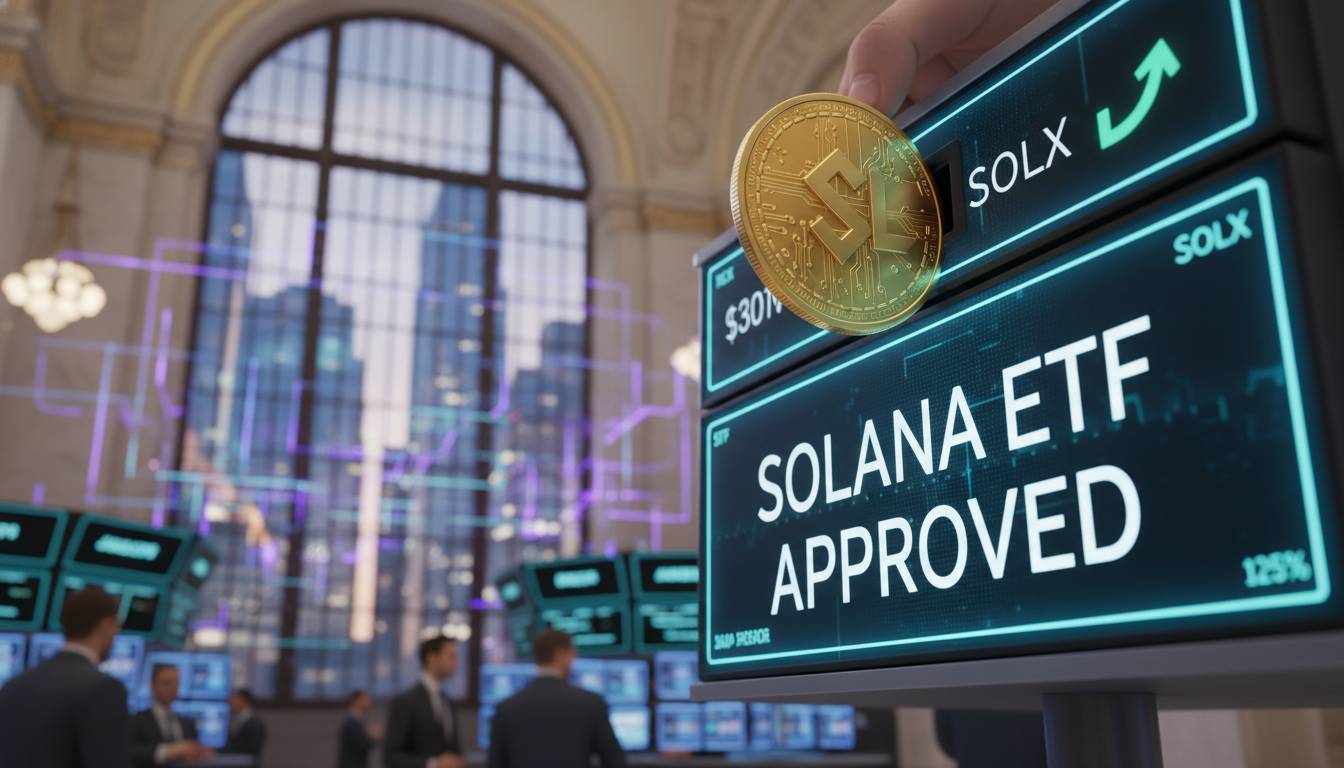

Bitcoin trades around the clock on exchanges worldwide, with prices moving constantly as buyers and sellers agree on value. The cryptocurrency has grown from an obscure experiment to a market worth over a trillion dollars, drawing attention from everyone from casual traders to major financial institutions. This guide covers what drives Bitcoin’s price, how to read charts, and what to watch if you’re tracking the market.
How Bitcoin Price Works
Bitcoin runs on a decentralized network without any central authority. Its supply is capped at 21 million coins—about 19 million are already in circulation. This scarcity is intentional, built into the code.
Unlike stocks or bonds, Bitcoin doesn’t have earnings or interest payments to justify its price. Instead, value comes from what people think it’s worth at any given moment. That sounds unstable, and honestly, it is. But the lack of a fixed value also means Bitcoin can move fast in either direction based on news, sentiment, or larger economic trends.
Prices appear on exchanges like Coinbase, Binance, and Kraken where traders constantly place buy and sell orders. Each exchange has its own price, though arbitrage keeps them fairly close. The figure you see on financial websites is usually an average or the price at the largest exchange at that moment.
What Moves Bitcoin Price
Here’s what actually moves the needle:
Macroeconomic conditions play a huge role. When inflation spikes or currencies look weak, some people buy Bitcoin as an alternative—similar to how they might buy gold. When central banks raise interest rates and traditional markets look safer, Bitcoin tends to suffer.
Regulatory news creates massive swings. When a major country announces restrictions, prices drop. When someone like BlackRock launches a Bitcoin product, prices often climb. The United States, China, and the European Union have all moved the market with policy announcements.
Institutional adoption has become a bigger factor since around 2020. Hedge funds, payment companies, and even some corporations now hold Bitcoin. Their buying and selling creates volume that dwarfs individual retail traders.
Network activity matters too—transaction counts, active addresses, and the hash rate all show how much people are actually using the network. These metrics don’t dictate price, but they reveal whether demand is real or just speculation.
Reading Price Charts
Traders use technical analysis to spot patterns, though it won’t tell you exactly where price is going. Common tools include:
- Moving averages—smooth out price action to show trends
- RSI (Relative Strength Index)—measures whether something is overbought or oversold
- Bollinger Bands—show price volatility and potential breakouts
Timeframe matters. Day traders watch minute-by-minute charts. Swing traders look at daily frames. Long-term holders might check weekly or monthly.
Volume confirms moves. Big price jumps with heavy trading carry more weight than thin moves. If Bitcoin surges but trading is light, the move might not last.
Volatility Is the Point
Bitcoin regularly moves 5-10% in a single day. Sometimes more. This isn’t a bug—it’s the feature that draws traders and scares off cautious investors.
The volatility comes from thin liquidity compared to stocks, constant trading (no closing bell), and the outsized influence of news and social media. One tweet from an influential figure can move prices significantly.
If you’re trading Bitcoin, position sizing matters. Never put more than you can afford to lose in a volatile asset. Stop-loss orders help limit damage, though they can trigger during normal fluctuations.
The emotional part is harder. FOMO drives buying at peaks. Panic selling locks in losses. Having a plan—written down before you trade—helps avoid both.
Institutional Involvement
Traditional finance has moved in. Here’s how:
- ETFs and futures from CME and others let institutions bet on Bitcoin without holding it directly
- Custody services from Fidelity and similar companies store Bitcoin for institutions that can’t hold their own
- Corporate treasury purchases by companies like MicroStrategy added legitimacy
This institutional involvement has increased volume and reduced some of the wildest swings, though Bitcoin remains far more volatile than most traditional assets.
Staying Informed
Good price data comes from CoinGecko, CoinMarketCap, or your exchange of choice. Set alerts for price levels you care about.
News matters more than charts in the short term. Follow credible sources, not random Twitter accounts. Regulatory announcements, major exchange hacks, or network upgrades can all trigger moves.
The Bitcoin subreddit and Twitter communities react fast to news. Use them for awareness, but verify before acting.
What Comes Next
Bitcoin’s future depends on adoption, regulation, and competition. If major economies provide clear rules, uncertainty premiums disappear and prices might stabilize. If they crack down, expect more volatility.
Competing cryptocurrencies haven’t displaced Bitcoin, though some serve different purposes. Bitcoin remains the dominant store of value in crypto.
No one knows where prices go. Past performance tells you what’s happened, not what will happen. If you’re investing, understand that you could lose most or all of your money.
Frequently Asked Questions
What determines the current Bitcoin price?
Supply and demand across global exchanges. When more people want to buy than sell, price goes up. When selling dominates, price drops. Sentiment, news, regulation, and macro conditions all influence those decisions.
Where can I view real-time Bitcoin price charts?
Coinbase, Binance, Kraken, TradingView, and CoinGecko all offer free real-time charts with various timeframes and tools.
Why is Bitcoin so volatile?
The market is smaller than traditional assets, trades 24/7, and responds heavily to news and social media. There’s also more speculation relative to fundamental usage than in mature markets.
Is Bitcoin a good investment?
It depends on your situation. Bitcoin has outperformed most assets over the past decade, but it can drop 50% or more in months. Only invest what you can afford to lose, and understand what you’re buying.
How often does Bitcoin price update?
Constantly. Every trade on every exchange updates the price. The 24/7 market never closes.
What impacts Bitcoin price movements?
Regulatory news, institutional adoption, macroeconomic trends, network activity, and general market sentiment toward cryptocurrencies. Pretty much anything that makes people want to buy or sell.