Best Running Shoes for Marathon – Crush Your PB | Top Picks

Marathon running demands precision equipment, and your shoes can make the difference between crossing the finish line strong or struggling in the final miles. With carbon fiber plates, supercritical foam technology, and innovative designs now dominating the market, choosing the right pair requires understanding what actually matters for 26.2 miles of racing. Whether you’re chasing a Boston qualifier or simply aiming to finish your first marathon comfortably, the right footwear transforms your performance. We’ve analyzed the latest marathon super shoes, training workhorses, and everything in between to bring you the most comprehensive guide to crushing your personal best.
What Makes a Shoe Built for Marathon Success
The distinction between a daily trainer and a dedicated marathon shoe comes down to three critical technologies: energy return, propulsion assistance, and weight optimization. Modern marathon super shoes utilize厚弹性泡沫 (thick elastic foam) that compresses on impact and springs back with each stride, while carbon fiber plates act as a lever system to amplify forward momentum. This combination has revolutionized marathon times worldwide, with the top performers now regularly shattering records that stood for decades.
Stack height—the measurement of foam between your foot and the ground—has increased significantly in recent years. The World Athletics maximum of 40mm in the heel creates the legal boundary that manufacturers cluster around, with most elite marathon shoes hitting 35-40mm. This generous cushioning absorbs impact forces that would otherwise batter your legs over long distances, while the plate technology reduces the metabolic cost of running by approximately 4-5% compared to traditional racing flats.
Weight matters tremendously when you’re taking thousands of steps. Elite marathon shoes now weigh under 200 grams (7 ounces), meaning each stride requires less energy to lift your foot. However, lighter isn’t always better—the thinnest shoes sacrifice some cushioning, which can backfire in the later miles when your form deteriorates. Most serious marathoners now own both a lighter race-day shoe and a slightly heavier training shoe that mimics the technology to build leg strength.
Top Marathon Super Shoes for 2025
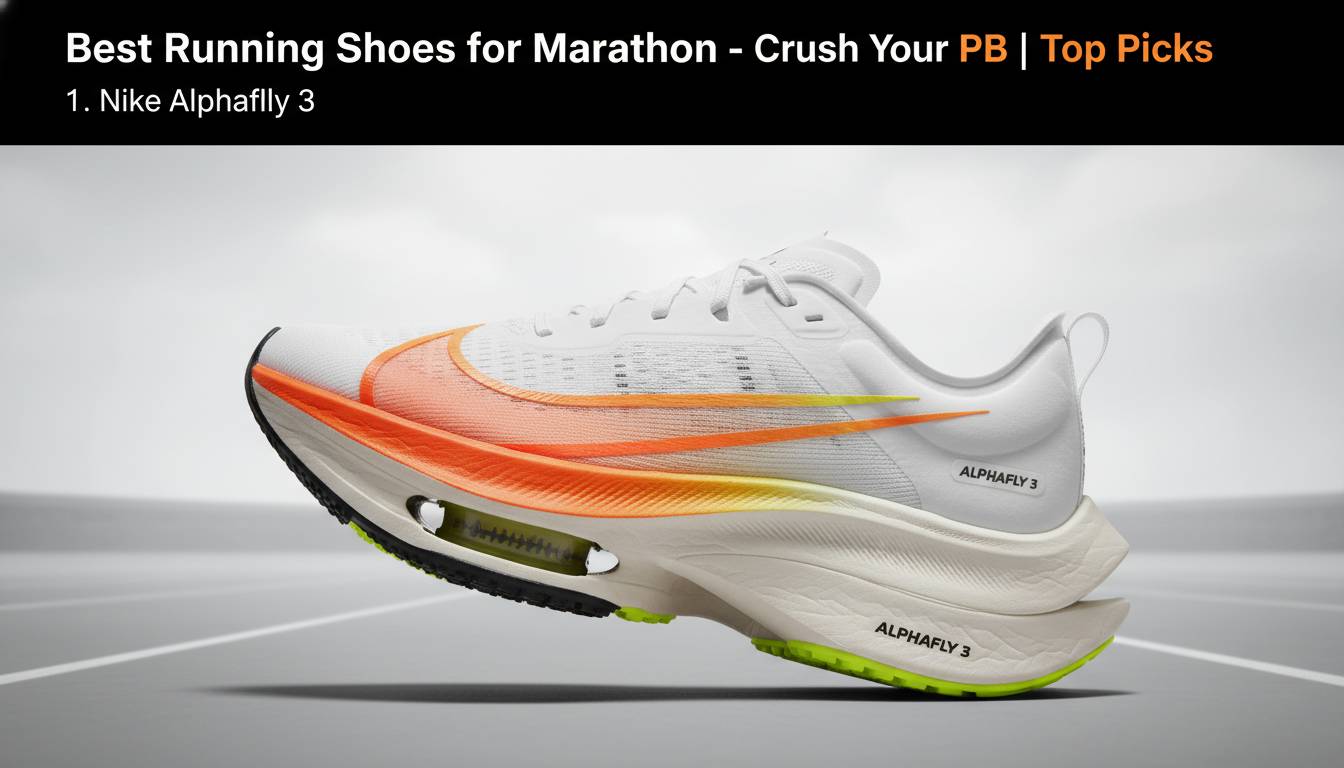
Nike Alphafly 3
The Alphafly 3 represents Nike’s most refined marathon weapon yet, building on lessons learned from previous versions. It features dual Air Zoom units in the forefoot positioned directly under the ball of your foot where maximum propulsion occurs. The ZoomX foam provides industry-leading energy return, and a full-length carbon fiber plate completes the propulsion system. The shoe includes a thick midsole stack that delivers exceptional cushioning without sacrificing responsiveness.
The most distinctive feature remains the Air Zoom units, which provide a visible bounce that many runners describe as “springy” or “propulsive.” At approximately 230 grams (8.1 oz) for a men’s size 9, it’s not the lightest option, but the cushioning pays dividends in the marathon’s second half when fatigue sets in. The wide base provides stability that some racers prefer, and the breathable knit upper holds your foot securely without hot spots. The retail price of $285 places it in the premium category, but many serious marathoners consider it worth the investment for goal races.
Nike Vaporfly 3
If the Alphafly prioritizes cushioning and stability, the Vaporfly chases pure speed. At approximately 200 grams (7 oz), it’s noticeably lighter, and the single large Air Zoom unit in the forefoot delivers a snappy feel that many faster runners prefer. The full-length carbon plate works seamlessly with the ZoomX foam to create a shoe that feels effortless at race pace.
The Vaporfly 3 features a slightly lower stack height than its sibling, which some runners appreciate for better ground feel and confidence at cornering. The upper uses a thin, breathable mesh that excels in warm conditions but provides less structure than the Alphafly’s knit collar. At $265, it’s the slightly more accessible option in Nike’s marathon lineup, though both shoes represent significant investments. Experienced marathoners often choose the Vaporfly when targeting fast times on courses with fewer technical sections.
Adidas Adizero Adios Pro 4
Adidas has made massive strides in the super shoe market, and the Adizero Adios Pro 4 stands as legitimate competition to Nike’s dominance. This shoe features Lightstrike Pro foam—Adidas’s answer to supercritical nitrogen-infused midsoles—which delivers excellent energy return with slightly more stability than some competitors. The carbon-infused Energy Rods provide propulsion without the full plate found in other shoes, creating a unique feel that some runners absolutely love.
The shoe weighs approximately 218 grams (7.7 oz), positioning it between the Vaporfly and Alphafly in the weight hierarchy. At $230, it undercuts the Nike options while delivering comparable performance, making it increasingly popular among marathoners watching their budgets. The upper uses a thin, Racezone mesh that breathes exceptionally well, and the Continental rubber outsole provides reliable traction in various conditions. The Adios Pro 4 particularly suits runners who want that carbon-fiber propulsion but prefer a slightly more traditional feel underfoot.
Saucony Endorphin Pro 4
Saucony entered the super shoe conversation forcefully with the Endorphin Pro 4, and many reviewers consider it the best value in the carbon-plated category. At just $180, it undercuts every major competitor while delivering impressive performance. The PWRRUN PB foam provides excellent energy return, and the full-length S-curve carbon plate delivers propulsion efficiently.
Weighing approximately 213 grams (7.5 oz), it’s competitive with the heavier options while costing significantly less. The Endorphin Pro 4 features a slightly narrower fit than some alternatives, which works well for runners with average or narrow feet but may require trying them on if you have wider feet. The engineered mesh upper balances breathability with structure, and theXT-900 outsole rubber provides durability that some super shoes lack. For marathoners seeking elite performance without the premium price tag, this shoe deserves serious consideration.
New Balance FuelCell SuperComp
New Balance has invested heavily in super shoe technology, and the FuelCell SuperComp demonstrates their commitment. This shoe features FuelCell foam—a nitrogen-infused supercritical midsole—as the foundation, with a full-length carbon fiber plate amplifying propulsion. The Energy Arc technology uses a hollowed-out midsole section that allows greater foam compression and rebound.
The shoe weighs approximately 227 grams (8 oz), placing it solidly in the comfortable-cushioning category. The wide base provides excellent stability, and the toe box offers generous room for foot swelling during long efforts. At $275, it competes directly with Nike’s premium options, and some runners prefer its more substantial feel. The Fresh Foam X iteration offers even more cushioning for runners prioritizing comfort over minimal weight.
Best Training Shoes for Marathon Building
While race-day shoes get all the attention, your training footwear matters enormously for marathon success. Building endurance requires accumulating miles in shoes that prepare your legs for the demands of racing while protecting you from injury.
The Nike Pegasus 41 remains the gold standard for daily training, offering reliable cushioning, durable construction, and a comfortable fit that works for most runners. At $130, it delivers excellent value, and many marathoners rotate it with their race shoes during training blocks. The React foam provides resilient cushioning, and the Air Zoom unit adds a layer of propulsion. This shoe handles 20-mile long runs comfortably while still feeling responsive for faster workout days.
Hoka Clifton 9 has built a devoted following among marathon trainers, with its maximally cushioned platform absorbing substantial impact forces. The Early Stage Meta-Rocker geometry promotes efficient rolling through your gait, and at 248 grams (8.7 oz), it remains surprisingly light for the cushioning delivered. At $145, it undercuts premium options while offering marathon-appropriate cushioning. Many runners find the soft, pillowy feel ideal for recovery days and easy runs.
Brooks Ghost 16 serves runners who prioritize a smooth, stable ride above all else. The DNA Loft v3 foam provides balanced cushioning, and the segmented crash pad creates smooth heel-to-toe transitions. At $140, it represents excellent value, and Brooks’s reputation for durability means these shoes often last 400-500 miles. The neutral support works for most foot types, making Ghost a reliable choice when you’re building mileage toward race day.
How to Choose Your Marathon Shoe
Selecting the right marathon shoe depends on several personal factors that no review can fully address. Your foot shape, running gait, pace goals, and course terrain all influence which option works best for your situation.
Foot width deserves immediate attention. Shoes like the Endorphin Pro 4 run narrower, making them problematic for runners with wide feet. The Alphafly and New Balance options offer more generous toe boxes that accommodate swelling during long efforts. If possible, try shoes in the afternoon when your feet have expanded from daily activity, or order multiple sizes to find your ideal fit.
Consider your course profile when making final decisions. Hilly marathons demand shoes with excellent cushioning to handle extended downhill sections that batter joints. The Alphafly’s generous stack height excels here, while the lighter Vaporfly might suffer from its minimal profile on rough terrain. Flat, fast courses let lighter shoes shine, as there’s less uneven ground to navigate.
Your goal time influences which technology makes sense. Runners targeting sub-3:30 or faster typically benefit from the most advanced super shoes, as the propulsion assistance provides meaningful time savings at higher paces. Slower runners may find that heavily plated shoes feel awkward at easy paces, making daily trainers the smarter investment for most of their training.
Weather conditions matter more than many runners realize. Super shoes with thin mesh uppers can feel cold in autumn and winter marathons, while heavily ventilated options cook feet in warm conditions. Some runners keep multiple options for different race day forecasts, ensuring their feet stay comfortable regardless of temperatures.
Care and Replacement Tips
Marathon shoes degrade more quickly than casual footwear, and worn midsoles lose their energy-returning properties even when outsoles appear functional. Most super shoes deliver optimal performance for 150-250 miles of hard running, though some durable trainers last 400+ miles. Track your miles using apps or shoe logs, and plan to replace race shoes before important efforts.
Breaking in new marathon shoes requires at least two weeks of wearing them for easy runs before race day. This allows the foam to compress and mold to your foot while revealing any hot spots or fit issues that would ruin race day. Never wear brand-new shoes for a marathon—it’s an invitation to blisters, black toenails, and mid-race regret.
Rotate between at least two pairs during training to extend each shoe’s life while allowing different muscles to engage. Many marathoners use their race shoes only for key workouts and race day, preserving their peak performance for the moments that matter most.
Conclusion
The perfect marathon shoe doesn’t exist—only the perfect shoe for your specific feet, goals, and race conditions. The options we’ve explored represent the finest current technology, each offering distinct advantages that suit different runners. For pure speed on flat courses, the Nike Vaporfly 3 delivers lightweight responsiveness that serious racers crave. Those prioritizing cushioning and stability find the Alphafly 3 worth every penny. Budget-conscious runners achieve remarkable results through the Saucony Endorphin Pro 4, proving that expensive doesn’t always mean better.
Whatever you choose, remember that shoes are tools supporting your training, not magic bullets replacing the work required to build endurance. Invest in proper fit, replace worn pairs before race day, and arrive at the start line confident in your footwear. Your marathon success ultimately comes from months of dedicated preparation—but the right shoes ensure that preparation translates into the fastest possible result when it matters most.
Frequently Asked Questions
How long before my marathon should I buy new running shoes?
You should purchase new marathon shoes at least 2-3 weeks before race day to allow time for breaking them in and identifying any fit issues. Wear them for several easy runs during this period to let the foam compress to your gait pattern. Never wear completely new shoes on race day.
Are carbon plate shoes worth the extra cost for recreational marathoners?
Carbon plate shoes provide meaningful energy return for runners at all speeds, but the benefit increases with faster paces. If you’re running a 4+ hour marathon, a quality daily trainer may serve you as well as premium super shoes while saving significant money. However, many recreational runners still prefer the cushioning and confidence that super shoes provide.
How many miles can I expect from marathon racing shoes?
Most super shoes deliver peak performance for 150-250 miles of running. Training in them occasionally during your build-up is fine, but reserve the freshest pair for race day. Daily trainers typically last 400-500 miles, making them more economical for high-mileage training blocks.
What’s the difference between marathon shoes and daily trainers?
Marathon super shoes prioritize maximum energy return and propulsion through carbon plates and supercritical foam, often sacrificing some durability for light weight. Daily trainers use more durable foams, offer more supportive features, and handle higher weekly mileage. Most serious marathoners use both in rotation.
Do I need a half-size larger for marathon shoes?
Many runners size up a half-size for marathon shoes to accommodate foot swelling during long efforts. Try shoes on in the afternoon when feet are larger, and consider extra room if you experience toe pressure during long runs. Slight slipping at the heel is acceptable if the midfoot holds securely.
Which marathon shoe is best for beginners?
The Brooks Ghost, Nike Pegasus, and Hoka Clifton offer excellent balance of cushioning, durability, and comfort for newer marathoners building their first training blocks. These shoes forgive minor form issues while preparing your legs for the demands of 26.2 miles. You can upgrade to super shoes for race day once you understand your specific fit preferences.