Best Protein Powders 2024: Top-Rated Supplements for Maximum Gains

Whether you’re looking to build muscle, support recovery, or simply meet your daily protein needs, finding the right protein powder can make a significant difference in your fitness journey. With countless options lining store shelves and flooding online marketplaces, choosing the best protein powder for your goals can feel overwhelming. This comprehensive guide breaks down everything you need to know about protein supplements in 2024, from the science behind protein synthesis to the top-rated products worth your investment.
Protein powders have evolved far beyond the chalky, unflavored powders of decades past. Today’s market offers an impressive variety of formulations, flavors, and protein sources designed to meet diverse dietary preferences, fitness goals, and lifestyle requirements. Whether you’re a competitive athlete, a weekend warrior, or someone simply trying to eat more protein, there’s a powder tailored to your needs.
Understanding Protein Powder Types
Before diving into specific products, it’s essential to understand the fundamental differences between protein powder types. Each variety offers unique advantages and drawbacks that affect digestion, absorption, and overall effectiveness.
Whey Protein: The Gold Standard
Whey protein remains the most popular choice among fitness enthusiasts and for good reason. Derived from milk during the cheese-making process, whey protein boasts an exceptional amino acid profile and rapid absorption rate. This makes it particularly effective for post-workout recovery when your muscles need nutrients quickly.
Whey protein comes in three primary forms. Whey protein concentrate contains approximately 70-80% protein by weight, with the remaining portion consisting of carbohydrates and fats. This option tends to be more affordable and retains more of the beneficial compounds found in whole milk. Whey protein isolate undergoes additional processing to remove most carbohydrates and fats, resulting in at least 90% protein content. This makes it ideal for those watching their carbohydrate intake or managing lactose intolerance. Whey protein hydrolysate is pre-digested, meaning it breaks down into smaller peptide chains that your body can absorb even faster. This form is often found in specialized sports nutrition products and tends to be the most expensive.
Plant-Based Protein Options
The plant-based protein market has exploded in recent years, offering excellent alternatives for those who avoid dairy or follow vegan diets. These options have come a long way in terms of taste and texture, making them viable competitors to traditional whey.
Pea protein has emerged as one of the most popular plant-based options. It provides a complete amino acid profile comparable to whey and digests well for most users. Pea protein is also hypoallergenic, making it suitable for those with multiple food sensitivities. Soy protein remains the only plant-based option considered a complete protein by the FDA, containing all nine essential amino acids in adequate proportions. It’s been extensively studied and shown to support muscle building effectively when consumed in sufficient quantities. Rice protein, often combined with pea protein to create a complete amino acid profile, offers a mild flavor that mixes easily with various beverages. Hemp protein provides excellent omega-3 fatty acids and fiber, though its protein content per serving tends to be lower than other options.
Casein Protein: The Nighttime Choice
Casein protein derives from milk and differs from whey in its digestion rate. While whey absorbs quickly, casein forms a gel-like substance in your stomach that releases amino acids over several hours. This makes casein particularly beneficial before extended periods without food, such as bedtime. Many athletes incorporate casein into their evening routine to support muscle recovery during sleep.
What to Look for in Quality Protein Powders
Not all protein powders are created equal. Several factors determine whether a product delivers on its promises or falls short of expectations.
Protein Content and Amino Acid Profile
The most critical factor is the actual protein content per serving. Read nutrition labels carefully and compare products using this metric rather than container size. A product claiming 24g protein per serving might seem impressive until you discover the serving size requires two scoops. Additionally, examine the amino acid profile, particularly the leucine content, which plays a crucial role in triggering muscle protein synthesis. Most quality products provide 2-3g of leucine per serving.
Third-Party Testing and Certifications
Reputable protein powders undergo third-party testing to verify their contents and ensure they’re free from contaminants. Look for certifications from organizations like NSF Certified for Sport, Informed Sport, or USP. These certifications verify that the product contains exactly what’s on the label and is free from banned substances, heavy metals, and other contaminants. This is particularly important for competitive athletes subject to drug testing.
Ingredient Quality and Additives
Examine the ingredient list for unnecessary fillers, artificial sweeteners, and additives. While some additives are harmless or even beneficial, others may cause digestive issues or allergic reactions. Natural flavors and minimal ingredients typically indicate a higher-quality product. Pay attention to added sugars, especially in flavored varieties, as these can quickly add unnecessary calories.
Taste and Mixability
Even the most effective protein powder won’t help you if you don’t enjoy consuming it. Sample different flavors and brands to find options that suit your palate. Mixability matters too—quality powders should dissolve easily in water, milk, or smoothies without clumping or leaving gritty textures.
Top-Rated Protein Powders for 2024
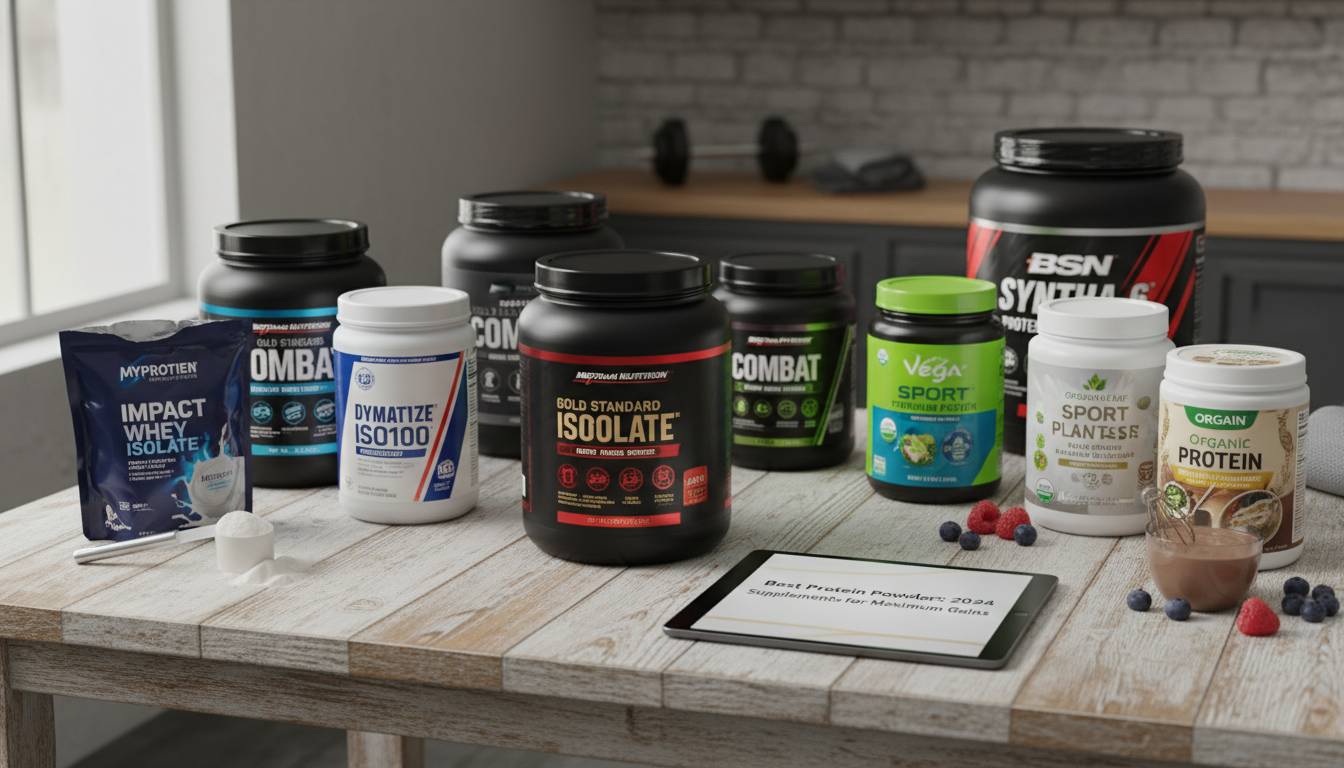
Based on quality, value, taste, and effectiveness, several products stand out in the current market.
Best Overall: Optimum Nutrition Gold Standard 100% Whey
Optimum Nutrition’s Gold Standard whey has maintained its position as a top performer year after year. This product delivers 24g of protein per serving with 5.5g of branched-chain amino acids (BCAAs) and 11g of essential amino acids. The formula uses primarily whey protein isolate, ensuring high protein content with minimal carbohydrates and fats. Available in over 20 flavors, it consistently receives praise for taste and mixability. The price point remains competitive, and the product is widely available at retailers nationwide.
Best Budget Option: MuscleTech NitroTech
MuscleTech NitroTech offers impressive value without sacrificing quality. Each serving provides 30g of protein from a blend of whey protein isolate and peptides. The formula includes creatine and amino acids to support strength and recovery beyond basic protein supplementation. While the taste isn’t quite as refined as premium options, it ranks well above other budget alternatives.
Best Plant-Based: Garden of Life Raw Organic Protein
For those seeking plant-based options, Garden of Life Raw Organic Protein stands out. This product delivers 22g protein from a blend of pea, sprouted rice, and lentil proteins. USDA Organic and non-GMO certified, it appeals to health-conscious consumers. The formula includes organic enzyme blend to support digestion, and the raw processing method preserves more nutrients than conventional methods.
Best for Athletes: Dymatize ISO100
Dymatize ISO100 has earned its reputation among serious athletes and bodybuilders. Using hydrolyzed whey protein isolate, this product provides rapid absorption with 25g protein per serving and over 5.5g BCAAs. The hydrolyzation process gives it a slightly bitter taste that some users notice, but mixing it with milk or adding flavor drops resolves this issue. NSF Certified for Sport, it’s a safe choice for competitive athletes.
Best Tasting: Ghost Whey Protein
Ghost Whey Protein has gained a cult following for its exceptional flavor formulations. Options like Cereal Milk, Fruity Cereal, and Legendsnut Butter showcase creative combinations that make protein consumption enjoyable. Beyond taste, Ghost delivers 25g protein per serving from a quality whey blend. The packaging and branding appeal to those who appreciate attention to detail.
How to Use Protein Powder Effectively
Purchasing quality protein powder is only part of the equation. Using it correctly maximizes its benefits for your fitness goals.
Timing Considerations
The “anabolic window”—the belief that you must consume protein within 30 minutes of working out—has been somewhat overstated by supplement marketing. Recent research suggests the window is much wider, potentially spanning several hours. However, consuming protein within a couple hours of exercise still supports optimal recovery. Many find it convenient to take protein either immediately post-workout or with their first meal after training.
Daily Protein Requirements
Protein powder should supplement, not replace, whole food protein sources. Most active individuals benefit from 1.6-2.2g of protein per kilogram of body weight daily. For a 180-pound person, this translates to approximately 130-180g protein per day. Protein powder can help bridge gaps when busy schedules make consuming enough whole food protein challenging.
Proper Storage and Handling
Store protein powder in a cool, dry place away from direct sunlight. Most products remain fresh for 1-2 years when properly stored, though checking the expiration date is always wise. Once opened, use the product within several months for optimal quality. Avoid storing in humid environments like bathrooms, as moisture can cause clumping and degrade quality.
Potential Drawbacks and Considerations
While protein powders offer convenience and benefits, awareness of potential drawbacks helps you make informed decisions.
Digestive Sensitivity
Some individuals experience digestive discomfort when consuming protein powders, particularly whey concentrate which contains lactose. If you experience bloating, gas, or stomach upset, try switching to an isolate or hydrolysate form, or explore plant-based alternatives. Starting with smaller servings and gradually increasing can help your digestive system adjust.
Quality Control Concerns
The supplement industry lacks the rigorous oversight applied to pharmaceuticals. Some products have been found to contain heavy metals, banned substances, or less protein than claimed. Choosing products with third-party certifications helps mitigate these risks. Additionally, researching manufacturers and their quality control practices provides further assurance.
Cost Considerations
Regularly purchasing protein powder adds up over time. While convenient, it typically costs more per gram of protein than whole food sources like chicken, eggs, or Greek yogurt. Evaluate your budget and consider whether the convenience justifies the expense. Some users find success cycling between protein powder and whole food periods to manage costs.
Frequently Asked Questions
How much protein powder should I take per day?
The appropriate amount depends on your individual protein needs based on body weight, activity level, and goals. As a general guideline, aim for 1.6-2.2g of protein per kilogram of body weight daily from all sources. Protein powder should supplement, not replace, whole food protein. Most people find 1-2 servings daily fills in the gaps between meals.
Can protein powder help with weight loss?
Protein powder can support weight loss by increasing satiety and helping preserve muscle mass during calorie restriction. Higher protein intake boosts metabolism slightly through the thermic effect of food. However, protein powder itself isn’t a weight loss miracle—it must fit within your overall caloric budget.
Is it safe to use protein powder every day?
For most healthy adults, daily protein powder consumption is safe when used as part of a balanced diet. The primary concerns involve excessive overall protein intake, which may strain kidneys in susceptible individuals, and consuming products with questionable ingredients. If you have kidney disease or other health conditions, consult your healthcare provider.
What’s the difference between whey concentrate and isolate?
Whey isolate undergoes additional processing to remove most carbohydrates and fats, resulting in at least 90% protein content compared to 70-80% for concentrate. Isolate contains less lactose, making it suitable for those with mild lactose intolerance. Isolate typically costs more but offers higher protein content per serving.
Do I need protein powder to build muscle?
No, protein powder is entirely optional for building muscle. You can meet all your protein needs through whole food sources. Protein powder offers convenience and may help those struggling to consume enough protein through food alone. It’s a supplement, not a necessity.
Which protein powder is best for beginners?
Optimum Nutrition Gold Standard 100% Whey remains an excellent choice for beginners due to its balanced combination of quality, taste, value, and availability. It provides 24g protein per serving, mixes easily, and comes in flavors that appeal to most users. Starting with a widely trusted product reduces the risk of wasting money on inferior options.