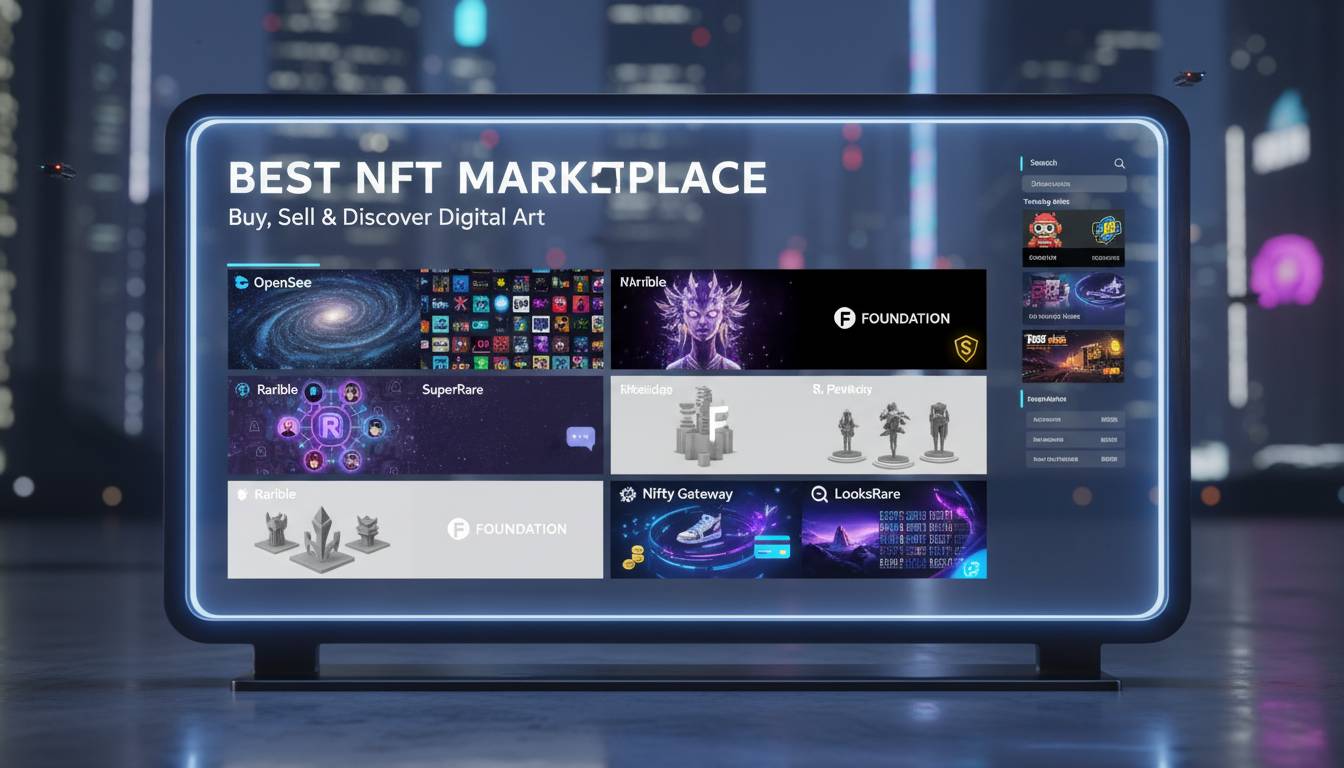
Best NFT Marketplace: Buy, Sell & Discover Digital Art

The global NFT marketplace has transformed from a niche crypto experiment into a multi-billion dollar ecosystem that has revolutionized how creators monetize digital art and collectors acquire unique digital assets. In 2023 alone, NFT trading volume reached approximately $4.6 billion across major platforms, demonstrating sustained interest despite market volatility. Whether you’re an artist looking to tokenize your work, a collector seeking investment opportunities, or simply curious about the technology, understanding how NFT marketplaces operate is essential for navigating this evolving digital landscape.
What Is an NFT Marketplace?
An NFT marketplace is a dedicated digital platform where users can buy, sell, and discover non-fungible tokens—unique digital assets verified through blockchain technology. Unlike traditional e-commerce platforms where products can be duplicated infinitely, NFTs provide verifiable scarcity and ownership provenance. Each transaction is recorded on a blockchain, creating an immutable audit trail that confirms authenticity and ownership history.
NFT marketplaces function similarly to traditional art galleries or auction houses, but they operate 24/7 globally without intermediaries. Artists can set their own royalty percentages (typically ranging from 5% to 15%) and receive automatic payouts whenever their work is resold. This feature has attracted millions of creators who previously struggled to monetize digital art effectively.
The technical infrastructure typically involves connecting a cryptocurrency wallet (such as MetaMask or Coinbase Wallet) to the platform. Users fund their wallets with the marketplace’s native cryptocurrency—usually Ethereum (ETH), Solana (SOL), or Polygon (MATIC)—to complete purchases. Gas fees, which cover blockchain transaction costs, vary significantly across platforms and networks.
Top NFT Marketplaces in the United States
OpenSea remains the largest general-purpose NFT marketplace, hosting over 80 million NFTs across Ethereum, Polygon, and Solana blockchains. The platform supports diverse categories including art, domain names, virtual worlds, and trading cards. OpenSea’s user-friendly interface and extensive collection inventory make it the default starting point for most new NFT collectors. However, gas fees can be prohibitively high during network congestion, sometimes exceeding $50 for simple transactions.
Blur emerged in 2022 as a trading-focused platform designed for serious collectors and flippers. The marketplace offers zero gas fees for native transactions and provides real-time floor price analytics, portfolio tracking, and aggregation features. Blur’s token airdrop model rewarded early users with BLUR tokens, creating significant buzz within the community. The platform charges a 2.5% fee on sales, lower than many competitors.
Solanan’s primary marketplace, Magic Eden, has gained substantial traction due to significantly lower transaction costs—typically under $0.01 per trade compared to Ethereum’s variable fees. The platform hosts prominent collections including Degods, Okay Bears, and Lil Pudgy. Magic Eden expanded to Ethereum support in 2023, positioning itself as a multi-chain aggregator.
Foundation operates as a curated, invite-only art platform that emphasizes quality over quantity. Each piece receives manual review before listing, creating a gallery-like atmosphere with higher average sale prices. The community-driven curation system, where artists must receive upvotes from other creators to join, has fostered a reputation for high-quality digital art.
Rarible distinguishes itself through its community-owned governance model. The RARI token grants holders voting rights on platform decisions, including fee structures and feature development. The marketplace supports multiple blockchains and offers white-label solutions for brands seeking NFT integration.
How to Buy Your First NFT
Purchasing your first NFT requires preparation and understanding of the underlying costs. Beyond the listed purchase price, buyers must account for gas fees, platform fees, and potential wallet connection costs. Researching average gas prices through tools like Etherscan’s Gas Tracker helps identify optimal transaction timing.
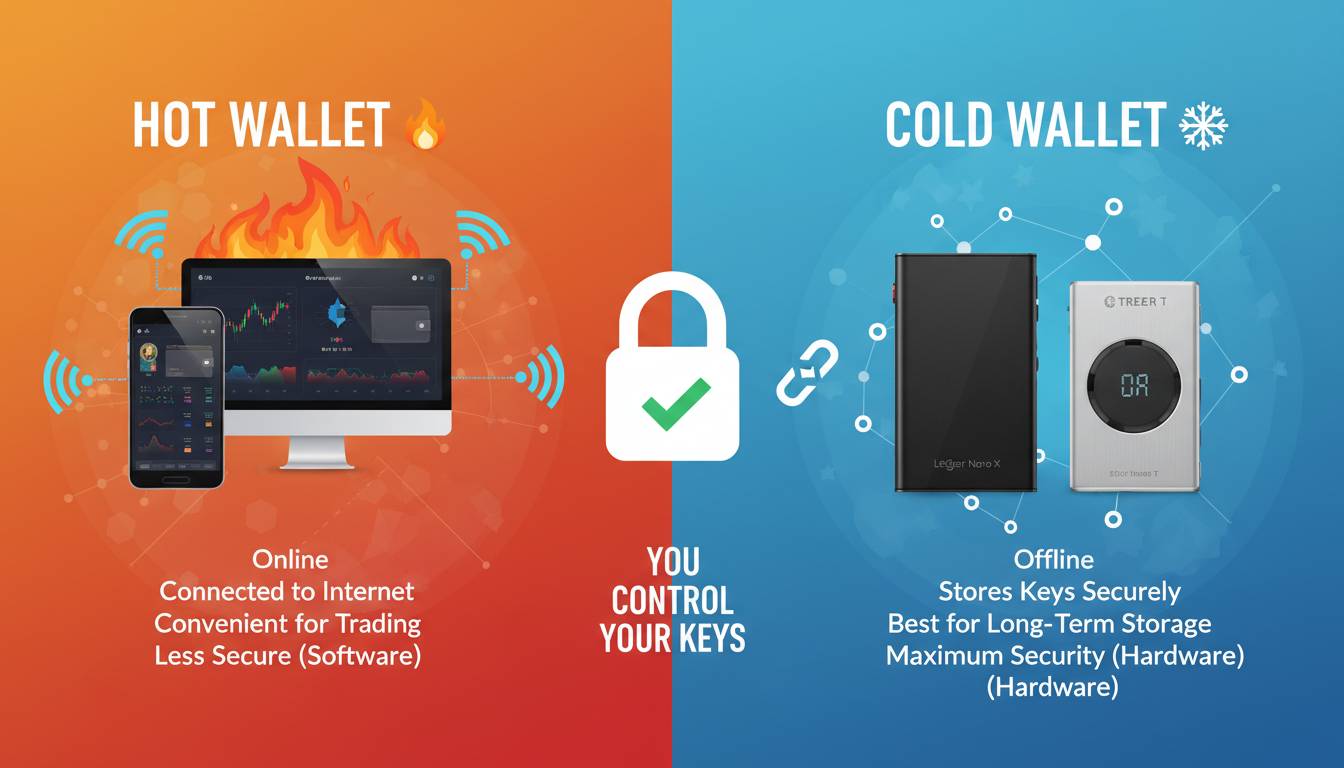
The process begins with creating a compatible cryptocurrency wallet and funding it with sufficient tokens. Most marketplaces support hardware wallets like Ledger for enhanced security, though browser extension wallets offer convenience for casual users. After connecting the wallet, browsing collections or using search filters helps identify desired pieces.
When purchasing, users typically choose between fixed-price listings and auction formats. Auctions may use English (rising price, ends at specified time), Dutch (descending price), or sealed bid formats. Setting wallet spending limits and carefully reviewing transaction details prevents accidental overpayment during gas spikes.
New collectors should start with established collections that have proven track records and active communities. Discord servers and Twitter (X) profiles provide valuable insights into collection health, developer activity, and potential red flags. Avoiding FOMO-driven purchases during hype cycles significantly reduces financial risk.
Selling NFTs: A Strategic Approach
Listing NFTs for sale requires understanding fee structures and marketplace policies. Most platforms charge between 2.5% and 10% in transaction fees, with primary sales (direct purchases) and secondary sales (resales) often taxed differently. Calculating break-even prices before listing prevents unexpected losses.
Pricing strategy depends on collection rarity, market conditions, and personal goals. Floor price—the lowest asking price in a collection—provides a baseline reference, but rare traits command significant premiums. Using marketplace analytics tools helps identify fair market value based on recent comparable sales.
Timing significantly impacts sale success. Market activity peaks during specific hours and days, with weekends typically showing higher engagement. Launching listings during collection anniversaries or community events can attract more buyers. Cross-posting across multiple marketplaces increases exposure but may complicate management.
Unsold listings can be canceled and relisted, though this may incur additional gas fees depending on the blockchain. Adjusting prices based on market feedback and competitor listings improves chances of successful sales. Patience proves essential, as some pieces may take weeks or months to find the right buyer.
Essential Features to Look For
Blockchain compatibility fundamentally shapes the NFT experience. Ethereum offers the largest ecosystem and liquidity but suffers from high fees during peak demand. Layer-2 solutions like Polygon and Immutable X provide faster, cheaper transactions while maintaining Ethereum security. Solana and other alternative blockchains offer different tradeoffs between cost, speed, and ecosystem size.
Security features warrant careful evaluation. Reputable marketplaces implement two-factor authentication, suspicious activity monitoring, and robust listing verification processes. Checking whether a platform has experienced hacks or security incidents informs risk assessment. Hardware wallet integration and transaction simulation features add additional protection layers.
Royalty structures affect long-term returns for both creators and investors. Standard creator royalties range from 5% to 15% on secondary sales. Some marketplaces allow creators to enforce royalties on all future sales, while others have faced criticism for optional or low royalty models that disadvantage artists.
Community and support quality often determines platform suitability. Active Discord servers, responsive support teams, and transparent communication build user trust. Educational resources for newcomers indicate platform commitment to sustainable growth rather than short-term volume.
Common Mistakes to Avoid
Falling for wash trading—artificially inflated transaction volumes used to manipulate prices—leads many unsuspecting investors to purchase overvalued NFTs. Verifying genuine trading activity through on-chain analytics and avoiding collections with suspiciously high volume-to-holder ratios protects against manipulation.
Ignoring metadata and storage creates long-term risks. Some NFTs store content on centralized servers that could disappear, rendering the token essentially empty. Examining whether projects use decentralized storage solutions like IPFS or Arweave ensures permanent accessibility. The “off-chain” versus “on-chain” distinction significantly impacts asset longevity.
Overlooking gas fee timing frequently results in unnecessary expenses. Transactions during peak periods (typically weekday afternoons US Eastern Time) can cost five times more than off-peak hours. Using gas estimation tools and scheduling transactions strategically saves substantial amounts over multiple purchases.
Neglecting wallet security exposes users to theft and fraud. Never sharing seed phrases, using hardware wallets for significant holdings, and carefully verifying transaction requests prevents most common attack vectors. Phishing attempts through fake marketplace emails and websites continue evolving, requiring constant vigilance.
The Future of NFT Marketplaces
The NFT marketplace landscape continues evolving rapidly with emerging trends reshaping the space. Fractional ownership—allowing multiple investors to own portions of single high-value NFTs—democratizes access to premium pieces previously inaccessible to average collectors.
Gaming and virtual world integration represents another expansion vector. Platforms like Decentraland and The Sandbox have established virtual real estate markets, while gaming NFTs increasingly blur the line between collectibles and functional game items. This trend suggests future marketplaces may specialize by vertical rather than offering generalized platforms.
Interoperability improvements aim to address current fragmentation across blockchains. Cross-chain bridges and aggregation platforms are making it easier to manage NFTs across multiple networks from single interfaces. This development could significantly improve user experience and liquidity across the broader ecosystem.
Regulatory clarity remains an open question. Securities classification concerns have prompted some platforms to implement stricter compliance measures and geographic restrictions. The resolution of these regulatory questions will significantly impact market structure and accessibility in coming years.
Conclusion
NFT marketplaces have established themselves as legitimate platforms for digital art commerce, creative monetization, and collector engagement. Whether you’re buying your first digital collectible or building a sophisticated portfolio, understanding platform mechanics, fee structures, and security practices proves essential for success. The ecosystem continues maturing with improved user experiences, expanded use cases, and growing mainstream acceptance. Starting with established platforms like OpenSea or Blur, educating yourself through community resources, and approaching purchases with careful research will provide the strongest foundation for navigating this dynamic space.
Frequently Asked Questions
What is the best NFT marketplace for beginners?
OpenSea remains the most beginner-friendly platform due to its extensive tutorials, large selection of collections, and intuitive interface. The platform supports multiple blockchains and provides detailed guides for first-time buyers. However, beginners should be aware of higher gas fees compared to some alternatives.
How much does it cost to sell an NFT?
Selling costs vary by platform but typically include a marketplace fee (2.5% to 10% of sale price), gas fees for the listing and transfer transactions, and potential royalty payments to the original creator. These costs combined can significantly impact net proceeds, especially for lower-priced items.
Can I buy NFTs with a credit card?
Most NFT marketplaces require cryptocurrency wallets, but some platforms like OpenSea and BitPay offer credit card purchases through integrated payment processors. These services typically charge higher transaction fees but provide easier onboarding for users without existing crypto holdings.
Are NFTs a good investment?
NFTs carry substantial risk and should only be purchased with capital you can afford to lose entirely. Market volatility is extreme, many collections become worthless, and liquidity is often limited. If investing, research thoroughly, diversify across established collections, and never invest more than you can afford to lose.
What blockchain is best for NFT trading?
Ethereum offers the largest marketplace and most established collections but has higher transaction costs. Solana provides significantly cheaper trades with growing adoption. Polygon and other layer-2 solutions offer low fees while maintaining Ethereum compatibility. The best choice depends on your budget, preferred collections, and technical comfort level.