Best Investment Apps 2024 – Top Picks for Smart Investors

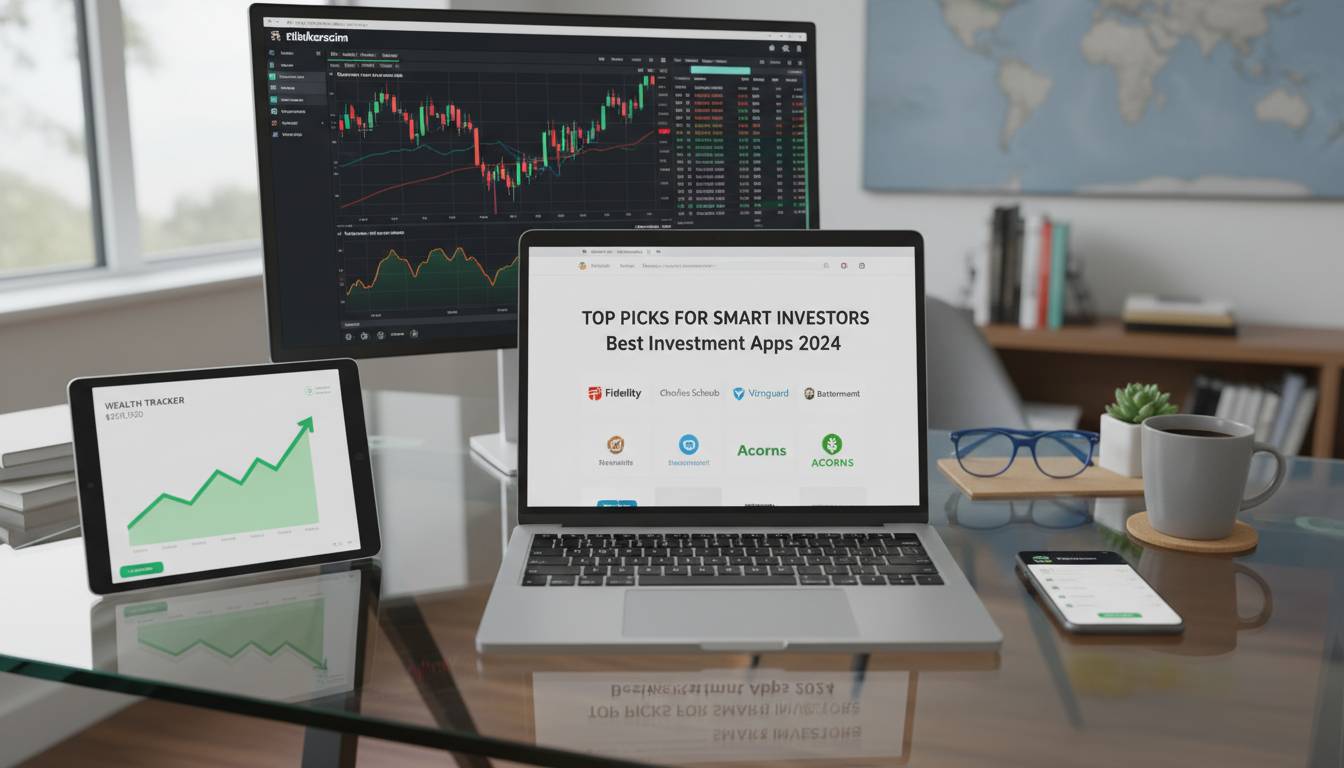
The investment landscape has transformed dramatically over the past decade, with mobile apps now handling trillions of dollars in assets and millions of Americans managing their portfolios from smartphones. In 2024, the competition among investment platforms continues to intensify, driving innovation in user experience, reducing fees to near zero, and expanding access to previously complex financial products. Whether you’re building your first portfolio, actively trading options, or planning for retirement, choosing the right investment app can meaningfully impact your returns and overall experience.
This comprehensive guide evaluates the top investment apps available in the United States, examining their fee structures, features, usability, and target audiences to help you make an informed decision aligned with your financial goals.
What Defines a Great Investment App in 2024
The best investment apps in today’s market share several characteristics that distinguish them from competitors. Understanding these factors helps you evaluate options beyond marketing claims and identify the platform that genuinely serves your needs.
Fee transparency and competitiveness represent the most significant shift in the industry. Commission-free stock and ETF trading has become the standard following Robinhood’s market disruption, but differences emerge in options contract fees, margin rates, and mutual fund costs. The best apps clearly communicate their fee schedules without hidden charges buried in terms of service.
Platform reliability and execution quality matter more than many investors realize. During periods of high market volatility, slower platforms can result in slippage—the difference between your intended price and actual execution price. Major platforms like Fidelity, Schwab, and E*TRADE invest heavily in infrastructure to ensure orders execute quickly and reliably.
Research and educational resources vary substantially across platforms. Some offer comprehensive market analysis, dividend tools, and fundamental data at no extra cost, while others restrict premium research to higher-tier accounts. For self-directed investors who value independent analysis, these resources can significantly enhance decision-making.
Account security and insurance protection deserves careful consideration. The Securities Investor Protection Corporation (SIPC) protects customer accounts up to $500,000, including $250,000 for cash claims, if a brokerage fails. Some platforms maintain additional insurance beyond SIPC coverage, providing extra peace of mind.
Integration with broader financial services increasingly influences platform selection. Many investors prefer keeping their checking, savings, and investment accounts unified for simplified management and potential fee waivers. Apps that offer banking services, credit products, or financial planning tools provide ecosystem advantages.
Best Overall Investment Apps
Several platforms stand out for delivering comprehensive functionality across these criteria, earning recognition as top overall choices for most investors.
Fidelity Investments
Fidelity maintains its position as a leader through a combination of zero-commission trading, extensive research capabilities, and exceptional customer service. The platform serves over 40 million customer accounts and manages more than $10 trillion in assets, reflecting its reliability and investor trust.
Key strengths include:
- Commission-free stock, ETF, and options trading with no contract fees
- Extensive mutual fund selection including over 10,000 no-load, no-transaction-fee funds
- Powerful research platform with proprietary analysis, third-party reports, and real-time market data
- Fractional share investing available for stocks and ETFs
- Robust retirement planning tools and financial planning resources
- Excellent mobile app with strong functionality
Fidelity’s platform particularly excels for investors who want comprehensive resources without navigating complex pricing structures. The platform operates without a payment for order flow (PFOF) model in most retail accounts, instead routing orders to exchanges for execution—a practice some investors prefer for ideological reasons, though research suggests PFOF doesn’t necessarily disadvantage retail traders.
Charles Schwab
Charles Schwab combines the resources of a major financial institution with user-friendly technology, making it particularly attractive for investors transitioning from traditional brokerage relationships. The platform services over 35 million brokerage accounts and has eliminated all commission fees for online stock, ETF, and options trades.
Standout features include:
- Unlimited commission-free trading across all account types
- Access to over 4,000 mutual funds with no transaction fees
- Strong customer service with more than 300 branch locations nationwide
- Integrated banking services including checking and savings accounts
- Comprehensive retirement planning and wealth management resources
- Thinkorswim platform available for advanced traders
Schwab’s acquisition of TD Ameritrade brought the powerful thinkorswim trading platform under its umbrella, giving customers access to sophisticated charting, options analysis tools, and paper trading capabilities. This combination positions Schwab as an excellent choice for investors whose needs may evolve from beginner to advanced over time.
Best Investment Apps for Beginners
Starting your investment journey requires an app that balances simplicity with educational support, avoiding overwhelming features while building financial literacy.
Robinhood
Robinhood revolutionized mobile investing by making commission-free trading accessible and visually appealing. The platform’s clean interface and minimalism approach reduced the intimidation factor that previously prevented many Americans from investing. Robinhood reported over 23 million funded accounts as of early 2024, demonstrating substantial adoption among new investors.
Beginner advantages:
- Extremely intuitive interface requiring minimal prior knowledge
- Instant deposit availability for new accounts up to $1,000
- Fractional shares allowing investment in expensive stocks like Amazon or Google with minimal capital
- Educational content integrated throughout the trading experience
- No minimum account balance requirements
However, Robinhood’s simplified approach comes with trade-offs. The platform generates significant revenue through payment for order flow, and its research offerings remain more limited than established brokerages. Customer service operates primarily through in-app chat rather than phone support, which frustrates some users resolving complex issues. Additionally, Robinhood’s offerings for retirement accounts and mutual funds are less comprehensive than competitors.
Acorns
Acorns takes a different approach to attracting new investors through micro-investing and automated savings features. The platform rounds up everyday purchases to the nearest dollar and invests the difference, making investing automatic and invisible to users.
Why beginners succeed with Acorns:
- Spare change investing requires no behavioral change beyond normal spending
- Automated portfolio management based on risk tolerance and goals
- Educational content delivered through the app’s “Grow” feature
- Debit card with investment functionality on purchases
- No minimum investment to start
Acorns charges $3-12 monthly depending on selected features, which represents a higher cost than free platforms but provides meaningful value for investors who struggle with manual contribution consistency. The platform works particularly well for building emergency funds or retirement savings through small, automated contributions that compound over time.
Best Apps for Active Trading
Active traders prioritize execution quality, advanced charting, options capabilities, and real-time data over long-term planning features.
Webull
Webull has emerged as a strong alternative to Robinhood for active traders seeking commission-free trading with more sophisticated tools. The platform offers advanced charting with over 50 technical indicators, extended hours trading, and paper trading for strategy testing.
Active trading features:
- Advanced charting with drawing tools and technical analysis indicators
- Level 2 market data showing order book depth
- Extended trading hours including pre-market and after-hours sessions
- Options trading with chain view and strategy analysis tools
- Paper trading account with virtual $100,000
- Real-time market data for stocks and options
Webull’s desktop platform provides functionality approaching professional trading terminals, making it attractive for traders upgrading from simpler mobile-first apps. The platform recently expanded its offerings to include IRAs and fractional shares, broadening its appeal beyond strictly active traders.
E*TRADE
ETRADE combines robust trading technology with educational resources, making it suitable for intermediate traders developing their skills. The platform offers two interfaces: a streamlined web platform for simpler trades and the powerful Power ETRADE for advanced analysis.
Trading advantages:
- Commission-free stock, ETF, and options trading
- Power E*TRADE platform with professional-grade tools
- Extensive options analysis and strategy modeling
- Comprehensive market research and third-party analysis
- Retirement account options including SEP-IRAs and Solo 401(k)s
- Virtual trading for practice without risk
E*TRADE’s integration of educational content within its trading platform helps intermediate traders develop skills while actively trading. The platform’s options trading capabilities particularly excel, with tools specifically designed for analyzing multi-leg strategies like straddles, strangles, and iron condors.
Best Apps for Long-Term Investors
Building wealth over decades requires different tools than active trading—focusing on low costs, dividend reinvestment, and retirement-specific account options.
Vanguard
Vanguard built its reputation on low-cost index fund investing and remains the gold standard for long-term investors prioritizing expense ratio minimization. Founder John Bogle’s philosophy of buying and holding broad market index funds fundamentally shaped how millions of Americans invest for retirement.
Long-term investor benefits:
- Industry-leading low expense ratios on index funds and ETFs
- Extensive retirement planning resources and tools
- Admiral Shares available for lower-cost investing at higher balances
- Automatic dividend reinvestment at no extra cost
- Strong tax-advantaged account options including Traditional, Roth, and SEP IRAs
- Conservative philosophy prioritizing long-term performance over trading features
Vanguard’s unique client-owned structure means profits return to investors through lower costs rather than flowing to shareholders. This alignment with investor interests makes Vanguard particularly appealing for retirement accounts where minimizing fees over decades produces substantial compound benefits.
Betterment
Betterment exemplifies the robo-advisor approach, providing algorithm-driven portfolio management with varying levels of human advisor access. The platform constructs diversified portfolios based on risk tolerance and goals, automatically rebalancing to maintain target allocations.
Automated investing advantages:
- Goal-based investing with specific timelines and objectives
- Tax-loss harvesting to minimize tax liability
- Automatic rebalancing maintaining target allocations
- Access to certified financial planners at higher account tiers
- Fractional share investing ensuring full portfolio diversification
- Socially responsible investing options
Betterment charges 0.25-0.40% annually depending on selected features, representing a premium over self-managed platforms but providing professional portfolio management. For investors preferring passive, hands-off approaches who want institutional-quality diversification without managing individual positions, robo-advisors offer compelling value.
Key Features Comparison
| Feature | Fidelity | Schwab | Robinhood | Webull | Vanguard | Betterment |
|---|---|---|---|---|---|---|
| Stock/ETF Commissions | $0 | $0 | $0 | $0 | $0 | $0 |
| Options Contracts | $0.65 | $0.65 | $0-$0.65 | $0 | $0-$1 | N/A |
| Account Minimum | $0 | $0 | $0 | $0 | $1 ($1,000 for funds) | $0 |
| Mobile App Rating (iOS) | 4.8 | 4.7 | 4.1 | 4.4 | 4.6 | 4.5 |
| Research Tools | Excellent | Excellent | Basic | Good | Good | Limited |
| Retirement Accounts | ✓ | ✓ | Limited | ✓ | ✓ | ✓ |
| Fractional Shares | ✓ | ✓ | ✓ | ✓ | ETFs only | ✓ |
How to Choose the Right Investment App
Selecting the optimal platform requires honest assessment of your investing style, experience level, and specific needs. Consider these factors when making your decision.
Evaluate your trading frequency. If you plan to trade frequently, commission-free platforms become essential—trading just 50 times monthly at $5 per trade costs $250 in annual fees that compound over time. However, if you’re investing for decades with monthly contributions, occasional trading fees matter less than expense ratios on held securities.
Consider your need for support. Beginners often benefit from access to phone support, educational resources, and human advice—features where Fidelity and Schwab excel. Experienced traders comfortable with self-direction may prefer platforms prioritizing speed and analysis tools over hand-holding.
Assess integration requirements. If you want centralized accounts combining banking, investing, and credit, Schwab and SoFi offer compelling ecosystem approaches. If you prefer keeping investment accounts separate from daily banking, pure brokerage platforms like Vanguard or E*TRADE may suit better.
Test the user experience. Most platforms offer paper trading or small-account trials. Download multiple apps and attempt basic tasks—placing trades, researching securities, transferring funds—to identify which interface feels most natural. Your comfort directly impacts investment consistency.
Conclusion
The best investment app for you depends entirely on your specific circumstances, experience level, and financial objectives. Fidelity and Charles Schwab offer the most comprehensive all-around packages suitable for nearly any investor. Robinhood and Acorns excel for beginners prioritizing simplicity. Active traders benefit from Webull’s advanced tools. Long-term investors gain from Vanguard’s low-cost structure or Betterment’s automated management.
Remember that switching platforms later is possible but introduces friction—time spent selecting the right platform initially pays dividends through years of compounded returns. Most importantly, start investing regardless of perfect platform selection. The difference between good and optimal platform choices rarely exceeds a few percentage points in lifetime returns, while the difference between investing and not investing can represent hundreds of thousands of dollars over a working career.
Frequently Asked Questions
Can I use multiple investment apps simultaneously?
Yes, many investors maintain accounts across multiple platforms to take advantage of different features—for example, using one app for retirement accounts and another for individual stock trading. Just ensure you track all holdings for tax purposes and consider any account minimum requirements.
Are investment apps safe from hackers?
Major platforms employ bank-level encryption and security measures, and SIPC insurance protects accounts if the brokerage fails. However, account breaches can occur through compromised passwords or phishing attacks. Enable two-factor authentication and use unique, strong passwords to maximize security.
Do I need a lot of money to start investing?
No. Most platforms now allow commission-free trading with no minimum balance. Fractional shares let you purchase portions of expensive stocks with as little as $1. Starting with small amounts while learning builds experience without significant financial risk.
What’s the difference between a robo-advisor and a traditional brokerage?
Robo-advisors automatically manage your portfolio using algorithms, requiring minimal user input. Traditional brokerages provide tools for you to select and manage investments yourself. Robo-advisors charge advisory fees while traditional brokerages typically charge per-trade or nothing for basic accounts.
Can I trade cryptocurrency on investment apps?
Several platforms including Robinhood, Webull, Fidelity, and SoFi offer cryptocurrency trading. Availability, coin selection, and fee structures vary significantly. Note that crypto investments lack the regulatory protections of traditional securities and carry substantial volatility risk.
How do I transfer my account to a different app?
Most platforms offer incoming transfers from competitors, typically completing within 5-7 business days. You can transfer either individual positions or your entire account. Partial transfers of specific holdings are also possible if you want to move only certain investments.