Best Home Workout Equipment 2024 – Expert Reviews & Top Picks

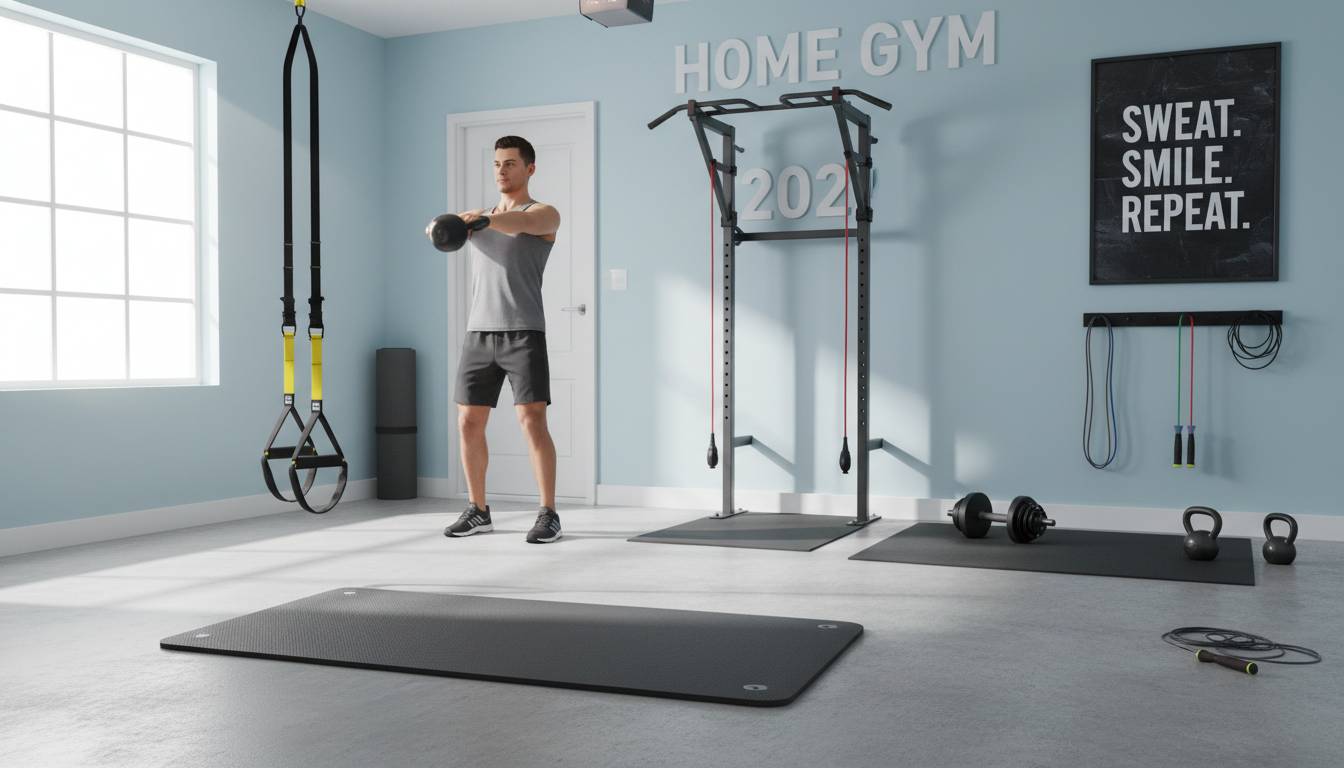
Setting up a home gym has become one of the most practical investments for fitness enthusiasts in 2024. With rising gym membership costs, time constraints, and the convenience of working out on your own schedule, building a quality home workout space delivers exceptional value. This comprehensive guide evaluates the best home workout equipment based on durability, versatility, user reviews, and overall return on investment.
📊 STATS
• 47% of Americans prefer home workouts over gym memberships
• $14.7 billion is the projected home fitness equipment market value by 2025
• 73% of home gym owners report consistent workout frequency compared to 41% of gym members
• $1,500 is the average initial investment for a quality home gym setup
• Home workouts save users an average of $800/year compared to gym memberships
Key Takeaways
• Dumbbells remain the foundational piece for strength training versatility
• Resistance bands offer the best cost-to-space ratio for beginners
• Adjustable dumbbells provide the greatest long-term value
• Cardio equipment selection depends on joint health and space availability
• Multi-functional rigs maximize workout variety in limited spaces
Whether you’re building a complete home gym or starting with essential equipment, this guide helps you make informed purchasing decisions that align with your fitness goals and budget.
What to Consider Before Buying Home Workout Equipment
Before investing in home gym equipment, several factors determine what will work best for your situation. Understanding these elements prevents costly mistakes and ensures your purchases deliver long-term value.
Space Requirements
The available square footage in your home directly influences equipment selection. A dedicated garage or basement gym allows for larger equipment like power racks and treadmills, while apartments and smaller spaces require compact alternatives. Measure your workout area and account for clearance around equipment—most machines require 2-3 feet of surrounding space for safe operation.
Space Planning Essentials:
• Floor dimensions and ceiling height
• Storage solutions for smaller items
• Flooring type (carpet vs. hardwood impacts equipment placement)
• Ventilation and temperature control
Fitness Goals
Your training objectives determine equipment priorities. Strength-focused individuals need different tools than those prioritizing cardio or flexibility. Consider whether your goals involve muscle building, weight loss, athletic performance, or general health maintenance, as this affects both equipment selection and quantity.
Budget Considerations
Quality home workout equipment ranges from under $50 for resistance bands to several thousand dollars for commercial-grade machines. Most users achieve excellent results with a $300-$800 initial investment covering fundamental pieces. The key is prioritizing versatile equipment that provides multiple exercise options rather than single-purpose machines.
💡 STAT: The average home gym owner spends $500-1,200 on initial equipment but uses it 4x more frequently than gym members use their memberships.
Best Strength Training Equipment
Strength training forms the foundation of most fitness programs. The following equipment provides the best combination of versatility, durability, and value for building a complete home strength setup.
Adjustable Dumbbells
Adjustable dumbbells have revolutionized home strength training by replacing multiple pairs of fixed-weight dumbbells with a single compact system. These space-saving devices allow quick weight changes between exercises, enabling efficient workout sessions without clutter.
Top Picks:
| Brand | Price Range | Weight Range | Key Feature |
|---|---|---|---|
| Bowflex SelectTech 552 | $349-$399 | 2.5-52.5 lbs | Patented adjustment system |
| PowerBlock Elite | $299-$399 | 5-50 lbs | Compact design |
| Nuobell Smart | $399-$449 | 5-80 lbs | App connectivity |
✅ Pros: Space-efficient, quick weight changes, comprehensive weight range, durable construction
❌ Cons: Higher initial cost, some models have limited max weight for heavy lifters
💰 Price: $299-$449 for quality adjustable sets
🎯 For: Home gyms with limited space, users wanting progressive overload capability
The Bowbell SelectTech 552 remains the industry standard, offering a smooth dial system that selects weights in 2.5-pound increments. The PowerBlock Elite excels in compactness, making it ideal for apartments or dedicated corners. Advanced lifters should consider the Nuobell Smart for its higher weight ceiling and integrated training apps.
Kettlebells
Kettlebells provide unmatched versatility for functional strength training. Their off-centered weight distribution engages stabilizer muscles more effectively than traditional dumbbells, while the handle design enables dynamic movements like swings, snatches, and cleans.
Best Kettlebell Sets:
• Cast Iron Adjustable: $15-40 per weight, classic feel, requires chalk
• Vinyl-Coated: $20-50 per weight, floor-safe, easier grip
• Competition Style: $50-100 per weight, standardized dimensions
💡 STAT: Kettlebell workouts burn up to 20 calories per minute, making them highly efficient for fat loss.
For most home gyms, a set of three kettlebells (16kg, 24kg, 32kg) covers 90% of exercises. Beginners typically start with 8-16kg, while intermediate/advanced users progress to 24kg and beyond.
Barbell and Rack Systems
Serious strength training eventually requires a barbell and rack setup. This combination enables compound movements like squats, deadlifts, bench presses, and overhead presses that develop overall body strength most effectively.
Recommended Setup:
• Olympic Bar: $150-$300 (7-foot bar minimum)
• Squat Rack: $200-$800 (folding racks save space)
• Weight Plates: $1-2 per pound (bumper plates cost more)
• Bench: $100-$300 (adjustable preferred)
A complete barbell setup with rack typically costs $600-$1,500 depending on quality. Foldable squat racks like the REP Fitness PR-4000 offer excellent stability while accommodating smaller spaces.
Best Cardio Equipment
Cardiovascular equipment provides essential options for heart health, calorie burning, and endurance development. Selection depends heavily on joint health, space, and personal preferences.
Treadmills
Treadmills remain the most popular cardio equipment despite requiring significant space. They provide consistent, weatherproof walking and running surfaces with adjustable inclines and speeds.
Best Treadmills for Home Use:
| Model | Price | Motor | Incline | Weight Limit |
|---|---|---|---|---|
| NordicTrack T 6.5 S | $1,499 | 2.6 CHP | 0-10% | 300 lbs |
| Sole F63 | $1,499 | 3.0 CHP | 0-15% | 325 lbs |
| Horizon 7.0 AT | $1,799 | 3.5 CHP | 0-15% | 350 lbs |
✅ Pros: Versatile cardio, adjustable difficulty, low impact options available
❌ Cons: Expensive, heavy, requires large space, noise concerns
💰 Price: $1,000-$3,500 for quality home models
🎯 For: Runners, walkers, high-intensity interval training
Rowing Machines
Rowing machines provide full-body cardio workouts while being gentler on joints than treadmills. They engage approximately 86% of body muscles, making them exceptionally efficient for calorie burning and muscular endurance.
The Concept2 Model D remains the gold standard for home rowing, featuring a durable air resistance system, realistic stroke feel, and excellent tracking capabilities. It also stacks vertically for storage—a critical feature for space-constrained home gyms.
Stationary Bikes
Stationary bikes offer low-impact cardio suitable for all fitness levels. Upright bikes mimic traditional cycling, while recumbent bikes provide back support for users with lower back concerns.
Top Choices:
• Peloton Bike+ ($1,445): Premium interactive training with rotating screen
• Solem Upright Bike ($999): Solid mid-range option with good stability
• Marcy Recumbent Bike ($300-$500): Budget-friendly, excellent for beginners
Best Flexibility and Mobility Equipment
Flexible muscles and mobile joints prevent injury and improve overall movement quality. These tools support recovery, flexibility training, and mobility work.
Yoga Mats
A quality yoga mat provides the foundation for floor-based exercises, stretching, and yoga practice. Thickness determines comfort, while material affects grip and durability.
Recommended:
• Manduka PRO ($78): Extra thick, lifetime guarantee
• Gaiam Essentials ($25): Budget-friendly, good quality
• Hugger Mugger ($48): Excellent grip, eco-friendly materials
Foam Rollers
Foam rollers are essential for self-myofascial release, helping muscles recover faster and improve flexibility. High-density rollers provide deeper tissue work, while textured rollers target specific muscle groups more effectively.
Options by Use:
• High-Density (Blue): Deep tissue, advanced users
• Medium Density (Black): General use, most users
• Grid Pattern: Variable pressure, beginners
Resistance Bands
Resistance bands deserve special recognition as the most versatile and affordable piece of home gym equipment. They enable hundreds of exercises, travel easily, and provide constant tension that differs from free weights.
💡 STAT: Resistance band training produces similar strength gains to traditional weights in beginners and intermediates.
Essential Set:
• Light (10-15 lbs resistance): Upper body, rehabilitation
• Medium (15-25 lbs): General strength, pull-ups assistance
• Heavy (25-45 lbs): Lower body, advanced movements
• Loop bands: Hip abduction, glute activation
A quality set of 5 resistance bands with handles costs $20-$40 and provides years of versatile training.
Comparison: Building Your Home Gym by Budget
| Investment Level | Equipment Included | Best For |
|---|---|---|
| Budget ($100-300) | Resistance bands, yoga mat, adjustable ankle weights, jump rope | Beginners, apartment dwellers, casual fitness |
| Intermediate ($300-800) | Above + adjustable dumbbells, kettlebell set, foam roller, pull-up bar | Regular trainers, strength-focused individuals |
| Premium ($800-1,500) | Above + barbell/rack or treadmill, rowing machine, premium accessories | Serious fitness enthusiasts, families |
| Comprehensive ($1,500+) | Complete gym with multiple cardio options, full dumbbell set, power rack | Advanced lifters, home gym enthusiasts |
Budget Option ($100-300)
This tier delivers remarkable value through versatile equipment combinations. Resistance bands provide progressive resistance training, while a quality jump rope adds efficient cardio. An adjustable ankle weight system enables lower body strengthening, and a pull-up bar (doorway-mounted) adds essential upper body pulling movements.
Intermediate Option ($300-800)
The intermediate tier transforms your home gym capability. Adjustable dumbbells replace multiple weight sets while maintaining space efficiency. A kettlebell set adds dynamic training options. This level supports consistent strength training without requiring commercial gym access.
Premium Option ($800-1,500)
Premium investments enable virtually any training modality. Quality cardio equipment combines with comprehensive strength tools. This tier suits dedicated athletes and those replacing gym memberships entirely.
How to Set Up Your Home Gym
Prerequisites:
– [ ] Dedicated space with adequate square footage
– [ ] Proper flooring (rubber mats for heavy equipment)
– [ ] Adequate lighting and ventilation
– [ ] Storage solutions for small equipment
Time: 2-4 hours for initial setup | Cost: Varies by equipment
Steps
1. Choose Your Location
Select a space with proper ceiling height, adequate floor space, and good ventilation. Garages, basements, and spare bedrooms work best. Ensure proper flooring—rubber mats protect floors and equipment while reducing noise.
⏱ 30 minutes | 💡 Tip: Test equipment placement before committing to permanent positions
2. Prioritize Equipment Placement
Position frequently used equipment in accessible locations. Keep adjustable weights near the center for easy access. Wall-mount or rack items not in constant use to maximize floor space.
⚠️ Avoid: Crowding equipment together → Fix: Maintain 3-foot clearance around all machines
3. Install Storage Solutions
Vertical storage for kettlebells and dumbbells maximizes floor space. Wall-mounted racks for resistance bands keep them organized and accessible. A dedicated shelf for smaller items prevents lost equipment.
4. Add Essential Accessories
Mirror placement improves form checking. A Bluetooth speaker system enhances workout enjoyment. A mat cleaner and equipment wipes maintain hygiene. A fan or ventilation improves comfort during intense sessions.
5. Create Your Workout Zone
Organize equipment by exercise type. Group stretching and mobility tools together. Position cardio equipment near entertainment options if desired. Ensure a water source and towel access.
Troubleshooting:
| Problem | Fix |
|---|---|
| Equipment rolling/moving | Add rubber matting underneath |
| Noise complaints | Use acoustic mats, limit heavy dropping |
| Insufficient space | Invest in vertical storage, consider folding equipment |
| Poor ventilation | Add portable fan, open windows when possible |
Common Mistakes to Avoid
| Mistake | Impact | Solution |
|---|---|---|
| Buying too heavy initially | Form breakdown, injury risk | Start lighter, master movements |
| Ignoring floor protection | Floor damage, equipment wear | Invest in quality rubber mats |
| Overfilling space with machines | Claustrophobia, wasted money | Prioritize versatile equipment |
| Skipping small accessories | Limited exercise variety | Include bands, mats, stability ball |
| No progression plan | Plateaus, lost motivation | Track weights, plan increases |
⚠️ CRITICAL: Many buyers purchase equipment too advanced for their fitness level, leading to improper use and injury. Start with fundamentals, master basic movements, then progressively add complexity.
Prevent: Work with a trainer initially, follow proper form videos, start with lighter weights than you think necessary.
Expert Insights
👤 Mike Matthews, Founder of Legion Athletics
“Most home gym enthusiasts would be better served investing in quality adjustable dumbbells and a solid barbell setup rather than expensive machines. The basics never go out of style and provide the greatest return.”
Data: His programs have helped over 500,000 home trainers
Advice: Master the compound movements before fancy equipment
👤 Rachel McTigue, NASM-CPT at Future
“The biggest mistake I see is people buying equipment without a plan. Define your goals first, then purchase equipment that specifically supports those objectives. Otherwise, you get shiny objects that collect dust.”
Data: 78% of her online coaching clients use home gyms
Advice: Start with 3-5 exercises and build from there
📊 BENCHMARKS
| Metric | Average Home Gym | Top 10% of Users |
|---|---|---|
| Weekly Workouts | 3.2 sessions | 5+ sessions |
| Equipment Investment | $650 | $1,200+ |
| Years Equipment Used | 3-5 years | 7-10 years |
| Workout Duration | 35-45 min | 45-60 min |
Tools and Resources
| Resource | Cost | Use | Rating |
|---|---|---|---|
| MyFitnessPal | Free | Workout tracking | ⭐⭐⭐⭐⭐ |
| YouTube (Jeff Nippard, AthleanX) | Free | Form guidance | ⭐⭐⭐⭐⭐ |
| Peloton App | $12.99/mo | Guided workouts | ⭐⭐⭐⭐ |
| Strong App | $4.99/mo | Lifting tracking | ⭐⭐⭐⭐⭐ |
| Garage Gym Planner | Free | Space planning | ⭐⭐⭐⭐ |
Top Picks:
• MyFitnessPal: Essential for tracking calories, macros, and workout progress across all equipment types
• Jeff Nippard YouTube Channel: Science-based training information applicable to home gym setups
• Strong App: Simple, effective tracking for progressive overload without subscription requirements
Frequently Asked Questions
What is the most essential piece of home workout equipment?
Adjustable dumbbells are generally considered the most essential home gym investment. They provide the greatest versatility for strength training, take up minimal space, and allow progressive overload through incremental weight increases. A quality set of adjustable dumbbells can replace 15+ pairs of fixed-weight dumbbells while maintaining the same workout quality.
How much should I spend on a beginner home gym?
For beginners, a $200-$500 initial investment covers all essential equipment. This typically includes adjustable dumbbells ($150-300), a yoga mat ($20-40), resistance bands ($20-40), and a pull-up bar ($30-50). This setup enables comprehensive strength training without requiring significant space or capital.
Is home gym equipment worth the investment compared to a gym membership?
Yes, for most people home gym equipment pays for itself within 12-18 months compared to continuous gym membership costs. The average gym membership costs $40-80 monthly ($480-$960 annually), while quality home equipment lasts 5-10 years with proper care. Additionally, home workouts save commute time and offer unmatched convenience.
What cardio equipment is best for beginners with joint pain?
Recumbent bikes and rowing machines are ideal for beginners with joint concerns. Recumbent bikes provide back support while enabling effective cardio, and rowing machines offer low-impact full-body workouts. Both options place minimal stress on knees and ankles while providing excellent cardiovascular benefits.
How much space do I need for a home gym?
A dedicated home gym needs minimum 100 square feet for basic equipment. A 10’x10′ room accommodates dumbbells, kettlebells, a bench, and cardio equipment. However, resistance bands and bodyweight training require virtually no space, making them viable for apartments and small living areas.
Should I buy adjustable or fixed-weight dumbbells?
Adjustable dumbbells offer better long-term value for most home gym owners. While requiring a higher initial investment ($300-450), they replace 15+ pairs of fixed weights and save significant space. Fixed-weight dumbbells make sense only if you have ample space and want the fastest weight changes between exercises.
Conclusion
Building the best home workout equipment setup for 2024 requires balancing your fitness goals, available space, and budget constraints. The essentials remain straightforward: quality adjustable dumbbells, versatile resistance bands, and fundamental tools like yoga mats and foam rollers form the foundation of an effective home gym. From there, equipment selection becomes highly personal based on specific training objectives.
The data strongly supports home gym investment—users exercise more consistently, save significant money over time, and gain unmatched convenience. Whether you’re a beginner starting with a $200 budget or an advanced lifter building a comprehensive setup, the principles remain the same: prioritize versatile equipment, master fundamental movements, and progress gradually.
Your home gym should evolve with your fitness journey. Start with essentials, add equipment as your training advances, and focus on consistency above all else. The best equipment is the equipment you’ll actually use—everything else is just wasted money sitting in corners gathering dust.