Best DeFi Coins to Watch: Hidden Gems with Massive Potential

The decentralized finance (DeFi) sector represents one of the most dynamic segments of the cryptocurrency market, with total value locked (TVL) fluctuating between $50 billion and $80 billion in recent years. For investors seeking alternatives to mainstream tokens, identifying promising DeFi projects requires understanding protocol mechanics, tokenomics, and market positioning. This guide examines the DeFi landscape, evaluates key metrics, and highlights coins that analysts are watching closely in 2024-2025.
Understanding the DeFi Landscape
Decentralized finance refers to financial services built on blockchain networks—primarily Ethereum—that eliminate intermediaries like banks and brokerage firms. DeFi protocols enable lending, borrowing, trading, yield farming, and asset management through smart contracts, offering users greater control over their funds and often higher returns than traditional finance.
The DeFi ecosystem experienced massive growth in 2020-2021, suffered significant drawdowns in 2022, and has been rebuilding with more sustainable fundamentals. According to data from DefiLlama, the sector’s total value locked reached approximately $55 billion as of early 2024, with lending protocols and decentralized exchanges commanding the largest shares. This maturation period has separated projects with genuine utility from those with unsustainable tokenomics, making it a potentially more opportune time for careful analysis.
Key drivers shaping DeFi adoption include regulatory clarity developments, institutional interest in tokenized real-world assets, and innovations in cross-chain compatibility. Understanding these trends helps identify which projects possess structural advantages rather than merely hype-driven momentum.
How to Evaluate DeFi Coins Before Investing
Successful DeFi investment requires analyzing multiple factors beyond price performance. Due diligence should examine protocol fundamentals, token utility, revenue models, and competitive positioning.
Protocol Fundamentals
Total Value Locked (TVL) measures the aggregate worth of assets deposited into a protocol, indicating user trust and platform adoption. However, TVL can be misleading—high numbers may reflect inflated token prices rather than genuine usage. Cross-reference TVL with on-chain metrics like daily active users and transaction volumes.
Revenue Generation distinguishes protocols that create real value from those relying solely on token speculation. Examine whether the protocol generates fees through trading, lending interest, or other mechanisms, and how those revenues distribute to token holders or protocol treasury.
Token Utility defines the specific functions a token serves within its ecosystem. Tokens with clear use cases—governance rights, fee discounts, staking rewards, or collateral for borrowing—tend to maintain value better than purely speculative assets.
Market and Competitive Analysis
Comparing a project’s market position against competitors reveals whether it possesses sustainable advantages. Consider factors like network effects, switching costs for users, technological differentiation, and team execution history. Projects competing in crowded sectors like decentralized exchanges or lending face different risk profiles than those in narrower niches.
Security and Audit History
DeFi protocols have experienced significant exploits, making security assessment critical. Review whether projects have undergone multiple third-party audits, maintain bug bounty programs, and have incident response frameworks. Protocol age matters—those that have operated through multiple market cycles without major security breaches demonstrate stronger risk management.
Top DeFi Coins Drawing Market Attention
Several established DeFi tokens have accumulated substantial communities and demonstrated product-market fit, though all carry inherent risks. The following projects represent different sectors within DeFi and varying risk-reward profiles.
Aave (AAVE)
Aave remains the dominant lending protocol in DeFi, enabling users to lend and borrow cryptocurrencies without traditional financial intermediaries. The protocol has expanded beyond Ethereum to Polygon, Arbitrum, Optimism, and other Layer 2 networks, broadening its accessibility. Aave’s V3 version introduced portaling functionality, allowing users to move assets across networks seamlessly.
The AAVE token serves governance purposes and provides fee discounts for users, creating utility demand. The protocol has maintained strong TVL of approximately $10-12 billion, representing roughly 20% of the DeFi lending sector. Aave’s established track record, diverse asset support, and continuous protocol upgrades position it as a relatively mature option within the DeFi space.
Uniswap (UNI)
Uniswap operates the largest decentralized exchange (DEX) by volume, facilitating peer-to-token trading through automated liquidity pools rather than traditional order books. The protocol’s V3 iteration introduced concentrated liquidity, allowing liquidity providers to focus their capital within specific price ranges, improving capital efficiency.
Uniswap has expanded to multiple chains and processes billions in daily trading volume. The UNI token provides governance rights and recently introduced a fee switch mechanism that directs a portion of protocol fees to token holders—a significant development for token economics. This revenue-sharing element differentiates UNI from many competitors still dependent purely on speculative demand.
Curve Finance (CRV)
Curve specializes in stablecoin and pegged-asset trading, offering low slippage for users exchanging assets like USDT, USDC, DAI, and wrapped versions of other cryptocurrencies. This specialization has made Curve a critical infrastructure piece for DeFi, serving as a primary venue for arbitrage and liquidity provision.
The CRV token employs a unique emission schedule designed to incentivize long-term participation—lockers receive boosted rewards, creating deflationary pressure over time. Curve’s veCRV governance model, where users lock CRV to receive voting rights, aligns holder interests with protocol success. The protocol has become foundational for other DeFi projects, which frequently integrate Curve pools.
Lido (LDO)
Lido addresses Ethereum’s staking accessibility by allowing users to stake any amount of ETH while receiving stETH, a liquid staking token. This innovation enables users to participate in Ethereum’s proof-of-stake consensus while maintaining liquidity to use in other DeFi protocols—solving the traditional lock-up problem.
Lido has captured approximately 30% of Ethereum’s staking market, making it a significant infrastructure component. The LDO token governs the protocol, though it does not provide direct revenue sharing. As Ethereum continues evolving and liquid staking becomes more integrated with DeFi, Lido’s positioning represents meaningful sector exposure.
Rocket Pool (RNO)
Rocket Pool offers a decentralized alternative to Lido, emphasizing permissionless node operation and greater decentralization. Users can stake ETH directly or operate validator nodes with lower capital requirements than running an independent Ethereum validator.
The RPL token rewards node operators and provides additional security through collateral requirements. Rocket Pool’s focus on decentralization has attracted users prioritizing censorship resistance and protocol governance distribution. While smaller than Lido in TVL, Rocket Pool’s technical approach and community orientation appeal to different investor preferences.
Yearn Finance (YFI)
Yearn Finance automates yield generation strategies, moving user funds across DeFi protocols to optimize returns. The protocol aggregates various yield farming opportunities, lending pools, and liquidity provision strategies, managing complexity that would be impractical for individual investors.
Yearn’s YFI token initially gained attention through its fair launch—without pre-mining or investor allocation—and governs the protocol. The project has expanded to include vault strategies, lending platforms, and governance automation. Yearn represents the yield optimization sector of DeFi, serving users seeking passive income rather than active trading.
Risk Factors in DeFi Investment
DeFi investments carry substantial risks that prospective investors must understand. Smart contract vulnerabilities have resulted in billions in losses across the sector’s history—reentrancy attacks, oracle manipulation, and flash loan exploits have repeatedly demonstrated these risks.
Regulatory uncertainty represents another significant factor. Securities classification concerns, potential DeFi protocol bans, or restrictive legislation in major markets could dramatically impact token viability. The pseudonymous nature of DeFi also creates compliance challenges for users subject to traditional financial regulations.
Market correlation among DeFi tokens means they often move in tandem with broader cryptocurrency sentiment. During bear markets, even fundamentally strong projects experience significant drawdowns. Liquidity risks can also materialize quickly—during market stress, certain DeFi positions may become difficult to exit without substantial losses.
Finally, competition within DeFi sectors remains intense. Protocol differentiation is often modest, and first-mover advantages may not persist against well-funded competitors or emerging technological innovations.
The Road Ahead: DeFi Trends and Opportunities
Several developments may shape DeFi’s evolution in coming years. Real-world asset tokenization—representing traditional assets like real estate, bonds, or commodities on-chain—could unlock trillions inDeFi-compatible value. This trend has attracted interest from established financial institutions exploring blockchain infrastructure.
Cross-chain interoperability improvements through bridges and layer 2 solutions address historical fragmentation, potentially enabling greater capital efficiency and user accessibility. Modular blockchain architectures may also shift competitive dynamics, favoring protocols that adapt to new technical paradigms.
Decentralized identity and on-chain reputation systems could transform credit assessment, enabling undercollateralized lending that expands DeFi’s addressable market. These innovations remain in earlier stages but represent potential structural changes to the sector.
Frequently Asked Questions
What is the minimum investment amount for DeFi tokens?
DeFi tokens can typically be purchased in fractional amounts—most tokens are divisible to many decimal places. However, investors should consider transaction costs (gas fees on Ethereum can exceed $10-20 for simple transfers), portfolio diversification principles, and the specific requirements of any staking or governance participation they intend to pursue.
Are DeFi coins safe to invest in?
No DeFi investment is without risk. Smart contract vulnerabilities, market volatility, regulatory changes, and protocol failures can result in partial or total loss of investment. Only invest what you can afford to lose, conduct thorough research, and consider starting with small positions to understand the mechanisms before committing significant capital.
How do I buy DeFi tokens?
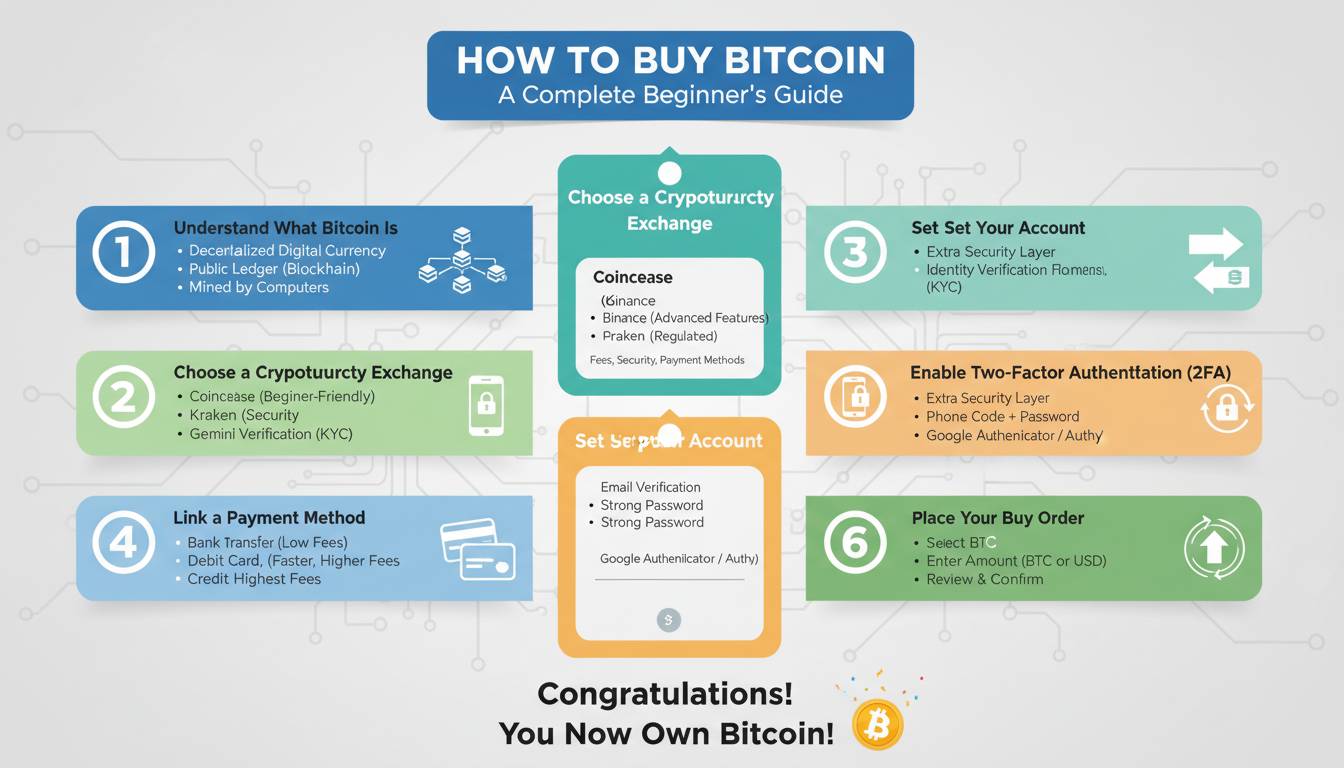
DeFi tokens can be purchased on centralized exchanges (Coinbase, Binance, Kraken) or through decentralized exchanges like Uniswap, Curve, or SushiSwap. Using a DeFi exchange requires a compatible wallet (like MetaMask) and understanding of gas costs and transaction confirmation times.
What is the difference between staking and yield farming?
Staking generally involves locking tokens to support network operations (like Ethereum’s proof-of-stake) or protocol security, receiving rewards in return. Yield farming involves moving assets across different DeFi protocols to maximize returns—often more complex and risky than simple staking. Both carry impermanent loss risks when token prices diverge.
How do I assess if a DeFi token has good tokenomics?
Examine the total supply, inflation schedule, token distribution (how many tokens go to founders, investors, vs. community), and utility within the protocol. Favorable tokenomics typically include meaningful governance rights, fee discount mechanisms, or revenue-sharing that creates sustainable demand rather than purely speculative interest.
Should I use a hardware wallet for DeFi investments?
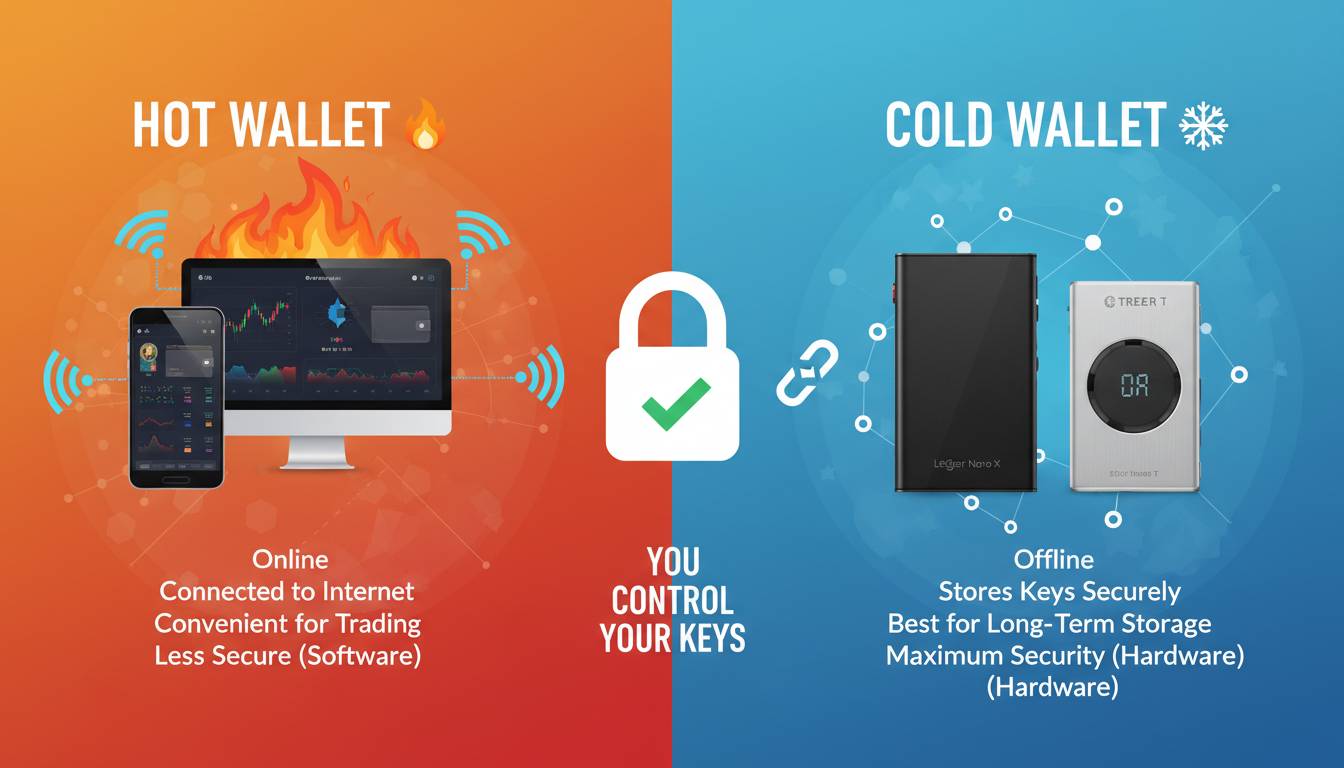
Hardware wallets provide significantly stronger security for holding DeFi tokens compared to software wallets or exchange holdings. They protect private keys from malware and exchange hacks. However, hardware wallets require careful backup of recovery phrases and add friction to transactions—trading off security for convenience.
The DeFi sector continues evolving rapidly, presenting both opportunities and risks for investors. Projects like Aave, Uniswap, Curve, Lido, Rocket Pool, and Yearn Finance represent different approaches to decentralized financial services, each with distinct risk profiles and growth potential. Successful navigation of this space requires continuous learning, careful risk management, and realistic expectations about both returns and potential losses.