The cryptocurrency market moves fast, offering real opportunities for investors looking to diversify beyond traditional assets. As digital currencies have gone mainstream, figuring out which ones actually have staying power matters—whether you’re a seasoned trader or just getting started. This guide looks at where the market stands in 2024, breaks down the strongest performers, and helps you make smarter decisions.
Where the Market Stands Today
The crypto space has grown up significantly over the past few years. Big financial institutions now offer crypto services to their clients, and governments are finally setting clearer rules. That makes it a less chaotic place to invest than it was even a few years ago, though volatility is still very much part of the game.
Bitcoin stays on top—it holds the largest market share and sets the tone for the whole industry. But altcoins have expanded the ecosystem considerably, giving investors more options with different risk levels.
The current environment is a balancing act between regulation, tech advances, and the broader economy. Federal Reserve rate decisions, inflation, and global economic stability all affect crypto prices. Digital assets often move alongside traditional markets during periods of uncertainty, so it pays to watch the wider economic picture.
Top Cryptocurrencies Worth Watching in 2024
Bitcoin (BTC)
Bitcoin is the original cryptocurrency and the most recognized name in the space. Big corporations have added Bitcoin to their balance sheets, and several ETFs now let you buy it through regular brokerage accounts.
The network runs on the longest proof-of-work chain in existence, which gives it strong security. Only 21 million Bitcoin will ever exist—this fixed supply creates natural scarcity. The halving events that happen roughly every four years (the next one is coming up) have historically preceded major price runs.
Ethereum (ETH)
Ethereum is the second-largest crypto by market cap and powers most of the decentralized app ecosystem. The network switched to proof-of-stake in 2022, cutting energy use by about 99.95% and letting investors earn staking rewards. That upgrade, called The Merge, made Ethereum easier to scale and more environmentally sustainable.
Thousands of DeFi apps, NFT platforms, and blockchain games run on Ethereum. Users need ETH to pay transaction fees and interact with smart contracts, which creates ongoing demand for the token.
Solana (SOL)
Solana has become a serious rival to Ethereum, offering much faster transactions and lower fees thanks to its proof-of-history system. The platform has drawn real developer interest and user adoption, especially in NFT and gaming where speed matters.
SOL has been volatile—price swings have been dramatic, reflecting both market sentiment and network news. Several investment firms have added Solana to their portfolios. The tech has real advantages, though the network has had some downtime issues worth noting.
Cardano (ADA)
Cardano takes a research-first approach to blockchain development. Its proof-of-stake system called Ouroboros aims to balance security with energy efficiency. Cardano has focused on working with regulators and building sustainable infrastructure—governments and universities have partnered with the project.
The network has been rolling out smart contract features and expanding its dApp ecosystem. Development has been slower than competitors, which critics point out, but the methodical approach means thorough testing before launching features.
Polkadot (DOT)
Polkadot solves a real problem: different blockchains can’t easily talk to each other. Its architecture lets separate chains called parachains transfer data and assets without middlemen. That makes it important infrastructure for where the whole blockchain space is heading.
DOT holders vote on protocol upgrades and treasury spending, giving the community real control over the project’s direction. The relay chain connects various specialized blockchains, and the ongoing parachain auctions have drawn significant interest from projects wanting Polkadot’s interoperability.
What to Check Before You Invest
Market Cap and Trading Volume
Market cap tells you a lot about a crypto’s stability. Big names like Bitcoin and Ethereum tend to be less volatile and easier to trade. Smaller coins can have bigger upside but also bigger risk and might be harder to sell without moving the price.
Check trading volume before buying—it’s a good sign of how easily you can get in and out of a position.
Tech and Development
Look at whether the project actually solves problems people care about. Active development (regular code updates, growing teams) matters more than hype. Check the team’s background and whether they’ve delivered on promises before. Anonymous teams with no clear roadmap are warning signs.
Regulation
The rules around crypto vary by country and keep changing. The SEC in the US has taken action against several projects, calling some tokens securities. Projects with clear use cases and transparent operations tend to handle regulatory scrutiny better.
Risks You Need to Know About
Price Swings
Crypto prices can crater or soar in hours. The market runs 24/7, so movements can happen anytime—not just when traditional markets are open. Only put in money you can afford to lose entirely.
The market has gone through multiple boom-bust cycles. Gains in the past don’t repeat automatically.
Security
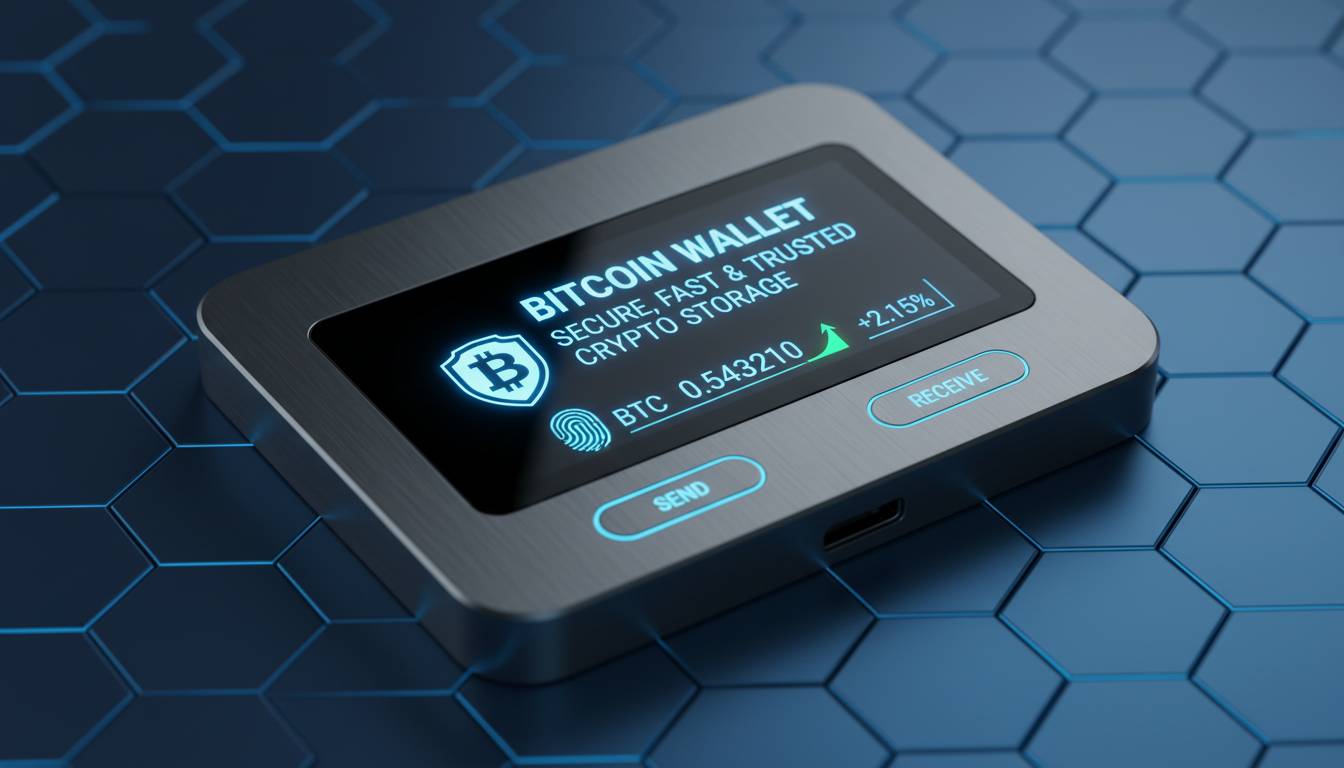
How you store your crypto matters enormously. Hardware wallets are safest for holding long-term. Exchange wallets are convenient but you’ve got counterparty risk—a bunch of exchanges have collapsed or been hacked over the years.
Use two-factor authentication, strong unique passwords, and back up your private keys securely. For bigger holdings, spread them across multiple wallets.
Building a Portfolio
Don’t put everything into one coin. Bitcoin and Ethereum are the anchors, but allocating some to altcoins can boost potential returns. Diversification doesn’t guarantee profits, though.
Dollar-cost averaging—investing a fixed amount regularly—helps smooth out volatility. You skip the stress of timing the market and accumulate over time at different prices. Have a plan before you jump in.
Bottom Line
Bitcoin and Ethereum remain the core holdings for any crypto portfolio—they’ve got the networks, the adoption, and the track records. Solana, Cardano, and Polkadot offer exposure to different technologies that could shape where things go next.
Do your homework, know what you can afford to lose, and focus on projects with real use cases and competent teams. The market’s volatility demands realistic expectations and position sizing that won’t wreck you if things go wrong.
Common Questions
Is crypto good for beginners?
Start small with established coins like Bitcoin and Ethereum while you learn how the market works. Getting familiar with the tech first helps. A financial advisor familiar with crypto can also guide you.
How much should I put in?
Most experts suggest keeping crypto to a small slice of your overall portfolio—somewhere between 1% and 5%. Never invest money you need for emergencies.
Are profits guaranteed?
No. Crypto is risky and you can lose your entire investment. Past performance doesn’t predict future results.
How do I keep my crypto safe?
Hardware wallets keep private keys offline, away from hackers. Software wallets are more convenient but less secure. Splitting holdings across multiple wallets adds protection.
Can I lose everything?
Yes. Projects fail, exchanges collapse, and markets crash. The market has seen entire token values go to zero multiple times. Only invest what you’re prepared to lose completely.
When should I buy?
Timing the market is nearly impossible. Dollar-cost averaging takes the guesswork out of it—invest consistently over time rather than trying to catch the perfect moment.