Best Cryptocurrency Investment Platform for High Returns

The cryptocurrency market continues to attract millions of American investors seeking portfolio diversification and potential growth opportunities. Selecting the right investment platform stands as the most critical decision you’ll make in this space—a choice that impacts everything from security of your assets to the actual returns you can achieve.
This guide examines what distinguishes exceptional cryptocurrency platforms from average ones, breaks down the key evaluation criteria that matter most for US investors, and provides a framework for selecting the platform that aligns with your specific investment goals and risk tolerance.
What Defines a Quality Cryptocurrency Investment Platform
The cryptocurrency investment landscape in the United States operates under increasingly strict regulatory oversight, making platform selection about more than just fees and coin selection. Security features, regulatory compliance, fee transparency, and user experience form the foundation of any trustworthy platform.
Security deserves first consideration. The cryptocurrency industry has experienced numerous high-profile breaches over the past decade, resulting in billions of dollars in investor losses. Leading platforms now implement multi-signature wallets, cold storage for the majority of assets, two-factor authentication, and insurance coverage for digital holdings. The exchange Coinbase reported in 2024 that over 90% of customer assets remain in offline cold storage, a practice that has become standard among major US-based exchanges.
Regulatory compliance has become a differentiator as the Securities and Exchange Commission (SEC) and Commodity Futures Trading Commission (CFTC) increase oversight. Platforms operating legally in the US must comply with state-by-state money transmitter licenses, Know Your Customer (KYC) requirements, and anti-money laundering (AML) laws. Kraken and Gemini have positioned themselves as compliance-forward platforms, obtaining numerous state licenses and publicly sharing their proof-of-reserves audits.
Fee structures vary significantly across platforms and can dramatically impact your returns over time. Trading fees typically range from 0.1% to 1% per transaction, but hidden costs lurk in spread markups, withdrawal fees, and conversion charges. Understanding the complete fee picture before committing capital prevents unpleasant surprises that erode investment performance.
Key Features to Evaluate Before Opening an Account
Supported Cryptocurrencies
The number of available cryptocurrencies ranges from approximately 50 on some platforms to over 500 on others. If you’re interested in emerging tokens beyond Bitcoin and Ethereum, platform selection matters significantly. However, breadth of selection comes with additional risk—many smaller tokens lack the liquidity and stability of established cryptocurrencies, making them harder to buy and sell at fair prices.
Most US investors begin with Bitcoin (BTC) and Ethereum (ETH), which every major platform supports. Solana (SOL), Cardano (ADA), and Polygon (MATIC) have also gained significant mainstream adoption. Consider your current and anticipated trading interests when evaluating this criterion.
Trading Interface and Experience
Your ability to execute trades efficiently directly impacts investment outcomes. Platforms offer varying interfaces:
- Beginner-friendly platforms provide simple buy/sell functionality with clear pricing and minimal complexity—suitable for dollar-cost averaging strategies
- Advanced trading platforms feature detailed charts, order types (limit, stop-loss, margin), and API access for automated strategies
- Mobile experience matters significantly if you plan to manage holdings primarily through smartphone applications
The learning curve associated with each platform type deserves consideration. A complicated interface might lead to execution errors or missed opportunities during market volatility.
Payment Methods and Funding Options
How you can move money in and out of your account affects liquidity and convenience:
- Bank transfers (ACH) typically allow deposits without fees but may take 3-5 business days
- Wire transfers process faster but often carry $10-25 fees
- Debit/credit cards provide instant funding but carry 3-5% transaction fees
- PayPal and Venmo integration exists on select platforms for added convenience
Fidelity Investments offers a notable alternative through its Crypto sector ETFs and mutual funds, providing exposure without direct cryptocurrency custody—suitable for investors who prefer traditional brokerage accounts.
Customer Support and Reputation
When issues arise—failed transactions, locked accounts, suspicious activity alerts—responsive customer support becomes invaluable. Research platforms through:
- Better Business Bureau ratings
- Trustpilot reviews
- Reddit community discussions
- Financial regulatory filings
Platforms with 24/7 support availability, multiple contact channels (phone, email, live chat), and documented response times generally provide better long-term experiences.
Comparing Major US Cryptocurrency Platforms
The following comparison summarizes key characteristics of leading US cryptocurrency platforms as of early 2025:
| Platform | Trading Fees | Crypto Selection | Mobile App | Regulatory Status |
|---|---|---|---|---|
| Coinbase | 0.6%-2.4% | 250+ | Yes (4.7★ iOS) | Licensed in 50 states |
| Kraken | 0%-0.4% | 200+ | Yes (4.4★ iOS) | Licensed in 50 states |
| Gemini | 0.35%-0.4% | 100+ | Yes (4.2★ iOS) | NY Trust Charter |
| Binance.US | 0%-0.1% | 150+ | Yes (4.3★ iOS) | Licensed in 45 states |
| Robinhood | 0% | 15 | Yes (4.8★ iOS) | Registered broker-dealer |
Fee structures deserve careful attention. While platforms like Binance.US advertise low trading fees, they often incorporate wider bid-ask spreads—the actual difference between buy and sell prices—which increases your cost per transaction indirectly. Coinbase’s higher fees generally include more transparent pricing.
Understanding Platform Security Measures
Security infrastructure represents your primary defense against asset theft. Top-tier platforms implement multiple protective layers:
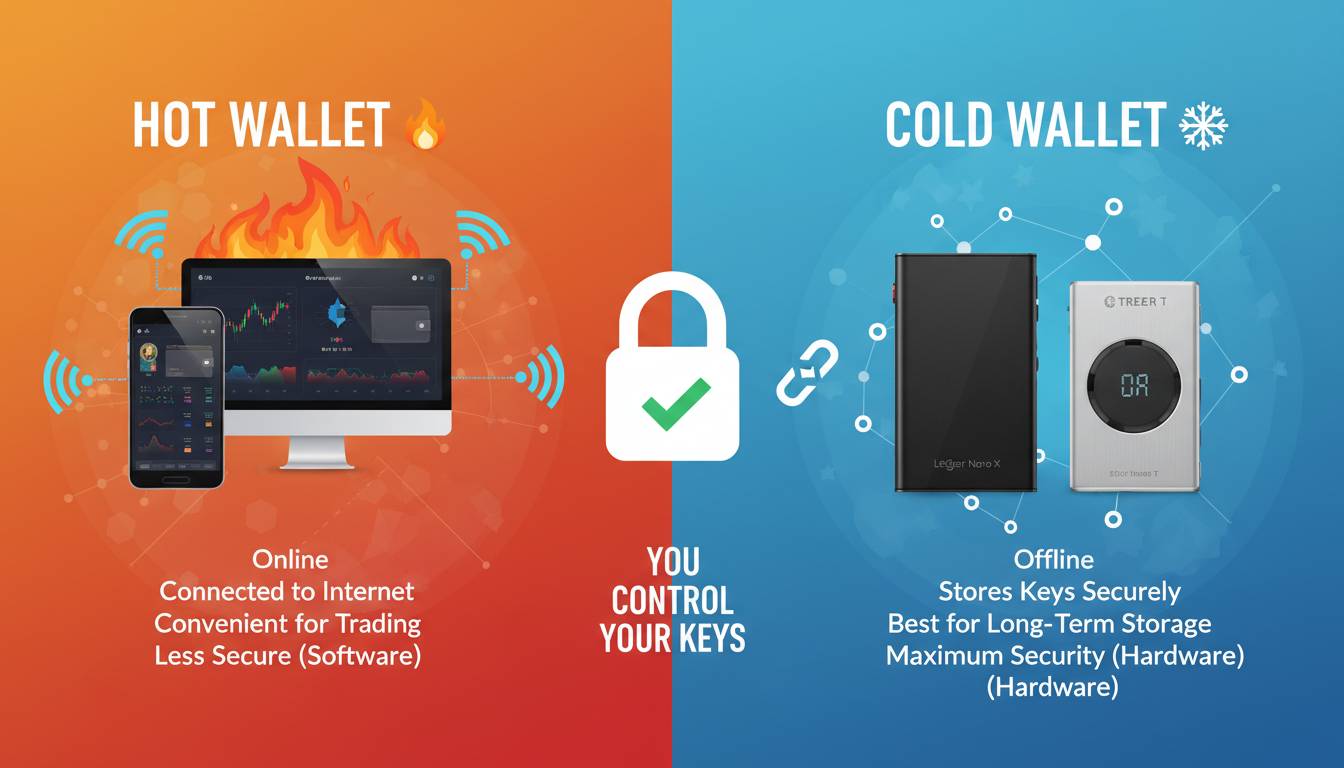
Cold Storage: Keeping the majority of cryptocurrencies offline in hardware wallets prevents remote hacking attempts. Industry leaders report cold storage ratios exceeding 95% for customer assets.
Two-Factor Authentication (2FA): Mandatory 2FA using authenticator apps (Google Authenticator, Authy) provides significantly stronger protection than SMS-based codes, which have been compromised through SIM-swapping attacks.
Proof-of-Reserves: Following the 2022 collapse of FTX, transparent proof-of-reserves audits have become essential. These第三方 audits verify that platforms maintain sufficient assets to cover customer holdings.
Insurance Coverage: Some platforms maintain crime insurance policies protecting against breaches, though coverage limits and terms vary significantly. Coinbase maintains a $320 million crime insurance policy, though this doesn’t cover individual account losses from compromised credentials.
Withdrawal Whitelists: Enabling withdrawal address whitelisting restricts fund transfers to pre-approved wallet addresses only, providing protection even if login credentials are compromised.
Risk Considerations for Cryptocurrency Investment
Cryptocurrency investments carry substantial risks that extend beyond platform selection. Understanding these factors helps you make informed decisions:
Market Volatility: Bitcoin has experienced single-day declines exceeding 30% multiple times in its history. Ethereum and altcoins typically demonstrate even greater volatility. Ensure your portfolio can withstand significant drawdowns without forced selling.
Regulatory Risk: The regulatory landscape remains uncertain. Potential SEC decisions on cryptocurrency ETFs, state-level licensing requirements, and possible federal legislation could significantly impact platform availability and functionality.
No Federal Protection: Unlike bank deposits (FDIC insured up to $250,000) or brokerage accounts (SIPC protected), cryptocurrency investments carry no federal protection. Your assets exist only as database entries on the platform’s systems.
Tax Implications: The IRS treats cryptocurrency as property, requiring capital gains reporting on every transaction. Platforms providing accurate tax documentation simplify compliance but don’t eliminate your reporting obligations.
Getting Started: Opening Your Account
Once you’ve selected a platform, the account opening process typically follows these steps:
- Provide identification: Government-issued ID, Social Security Number, and proof of address documentation required for KYC compliance
- Verify identity: Photo verification or video call confirmation depending on platform requirements
- Enable security features: Activate 2FA, review security settings, set withdrawal notifications
- Fund your account: Initiate bank transfer or link payment method
- Start with small positions: Begin with investments you’re comfortable losing entirely while learning the platform
Most platforms allow immediate buying of popular cryptocurrencies but restrict withdrawals for 5-10 days while verifying funding source legitimacy—a security measure that protects against fraud.
Frequently Asked Questions
Q: What is the best cryptocurrency investment platform for beginners?
Coinbase generally receives recommendations for beginners due to its intuitive interface, extensive educational resources, and strong regulatory standing. The platform offers a “learn and earn” program that rewards users with small cryptocurrency amounts for completing educational modules about different coins. However, Robinhood provides a simpler experience if you’re interested only in major cryptocurrencies like Bitcoin and Ethereum, offering commission-free trading with a polished mobile experience.
Q: Are cryptocurrency investment platforms safe from hackers?
No platform can guarantee absolute security, but leading US exchanges implement institutional-grade security measures including cold storage, multi-signature wallets, mandatory 2FA, and regular security audits. Your personal security habits matter equally—never share passwords, enable withdrawal whitelists, use unique passwords, and never store recovery phrases digitally. The majority of cryptocurrency thefts result from compromised user credentials rather than exchange breaches.
Q: How much money do I need to start investing in cryptocurrency?
You can start investing in cryptocurrency with as little as $1-5 on most platforms, though some require minimum initial deposits of $10-25. Dollar-cost averaging—investing fixed amounts at regular intervals regardless of price—allows building positions gradually without timing market movements. This approach reduces the impact of volatility while building investing discipline.
Q: Can I lose all my money on cryptocurrency investments?
Yes, cryptocurrency investments can become worthless. Numerous altcoins have gone to zero following project failures, scams, or market abandonment. Even Bitcoin and Ethereum could theoretically become obsolete if superior technologies emerge. Never invest more than you can afford to lose entirely, and maintain diversification across asset classes outside cryptocurrency.
Q: Do cryptocurrency platforms report to the IRS?
Yes, US-based cryptocurrency platforms are required to report transactions to the IRS. Platforms issue Form 1099 to users with sufficient transaction volume, and they report aggregate transaction data to the IRS regardless of your activity level. All cryptocurrency sales, trades, and certain purchases constitute taxable events requiring reporting.
Q: What’s the difference between a crypto exchange and a crypto wallet?
Exchanges (Coinbase, Kraken, Gemini) function as intermediaries where you buy and sell cryptocurrency—they hold your assets on their systems. Wallets (hardware devices like Ledger, software like MetaMask) provide direct blockchain access where you control private keys. For most investors, keeping smaller amounts on exchanges for convenience while transferring larger holdings to personal wallets provides an appropriate security balance.
Important Disclaimer: This article provides educational information about cryptocurrency investment platforms and is not financial advice. Cryptocurrency investments carry significant risk, including potential total loss of capital. Always consult with qualified financial advisors before making investment decisions. Research thoroughly, understand the risks, and only invest money you can afford to lose entirely.