Article about web3 gaming tokens

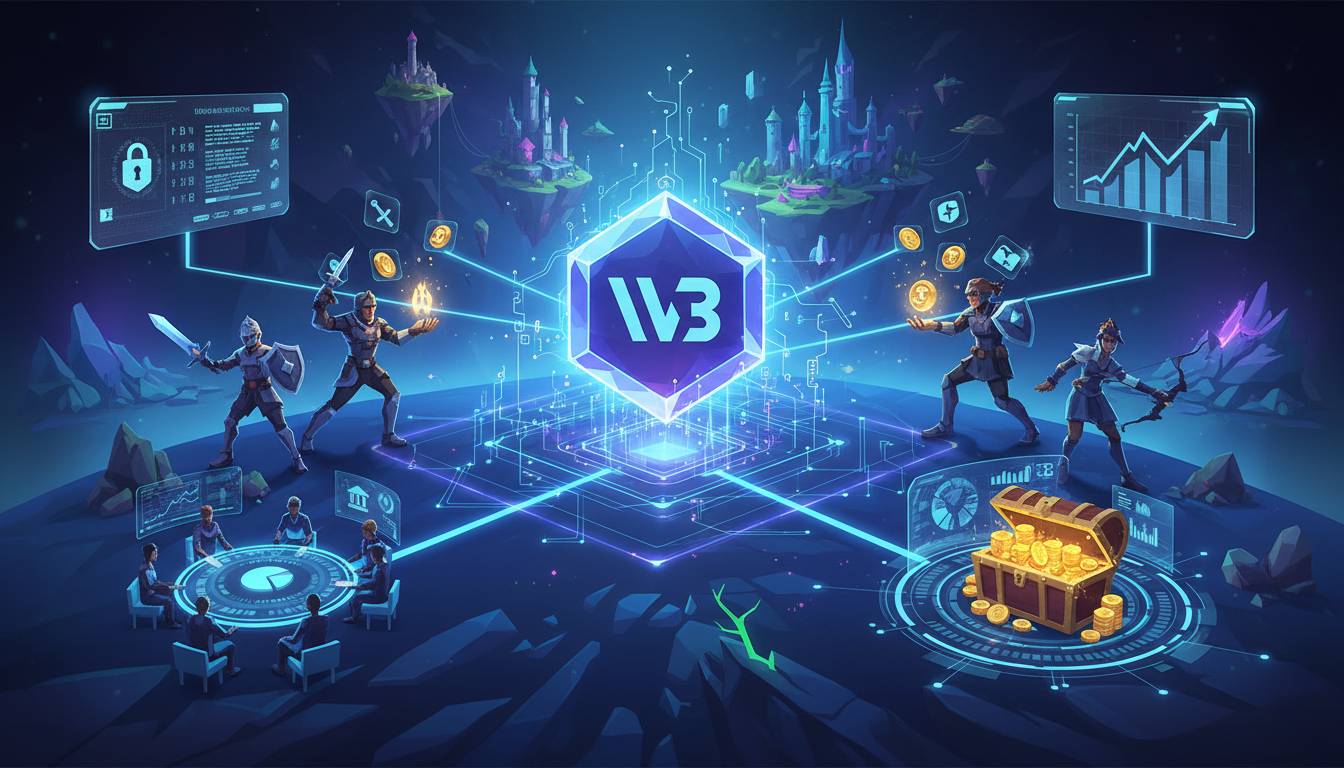
Web3 gaming tokens represent one of the most dynamic intersections of blockchain technology and the gaming industry. These digital assets, built on decentralized networks, enable players to truly own their in-game items, earn real value through gameplay, and participate in the governance of the games they love. As the gaming industry continues to embrace Web3 technologies, understanding these tokens has become essential for both gamers and investors alike.
What Are Web3 Gaming Tokens?
Web3 gaming tokens are cryptographic tokens specifically designed for blockchain-based games. Unlike traditional in-game currencies that exist solely within the game’s servers and can be altered or deleted by game developers, Web3 tokens exist on a decentralized blockchain, giving players true ownership of their digital assets.
These tokens serve multiple purposes within gaming ecosystems. They can function as governance tokens, granting holders voting rights on game development decisions. They may serve as in-game currencies for purchasing items, upgrading characters, or unlocking content. Some tokens represent unique digital collectibles through NFT (non-fungible token) technology, while others provide staking rewards or revenue sharing for dedicated players.
The fundamental difference between traditional in-game currencies and Web3 gaming tokens lies in ownership and portability. When you purchase a sword in a traditional MMO, the developer retains ownership of that item and can modify, remove, or devalue it at any time. When you acquire a sword represented by a Web3 token, that item exists as a verified digital asset that you can sell, trade, or transfer to other wallets without developer permission.
How Web3 Gaming Tokens Work
Web3 gaming tokens operate on blockchain networks, with Ethereum, Solana, and Polygon being among the most popular platforms for gaming applications. These tokens follow standardized technical specifications—ERC-20 for fungible tokens and ERC-721 or ERC-1155 for non-fungible tokens on Ethereum-compatible chains.
The gaming ecosystem typically involves multiple token types working together. A play-to-earn game might have a governance token that determines how the game evolves, a primary in-game currency used for everyday transactions, and NFT-based items representing rare equipment or characters. Smart contracts govern all interactions, automatically executing trades, distributing rewards, and verifying ownership without requiring intermediaries.
When a player completes in-game actions—whether defeating enemies, achieving milestones, or participating in community events—the smart contract rewards them with tokens. These rewards are recorded on the blockchain, creating a permanent and transparent record of achievement. Players can then choose to hold their tokens, use them within the game, sell them on cryptocurrency exchanges, or trade them with other players.
Types of Gaming Tokens
Understanding the different categories of Web3 gaming tokens helps investors and players alike navigate this complex landscape.
Governance Tokens grant holders voting power over game development decisions. Holding these tokens means your voice matters in shaping the future of the game—potentially influencing everything from new feature development to reward distribution models. Decentraland’s MANA and The Sandbox’s SAND represent prominent examples of governance tokens in virtual world gaming.
In-Game Currency Tokens function as the primary medium of exchange within specific games. These tokens facilitate purchases, enable upgrades, and power various gameplay mechanics. Axie Infinity’s Smooth Love Potion (SLP) exemplifies this category, serving as the breeding currency that players earn through gameplay.
NFT-Based Assets represent unique in-game items, characters, land parcels, or collectibles. Each NFT possesses distinct attributes and scarcity levels, making certain items extraordinarily valuable. Gods Unchained cards and Enjin assets demonstrate how blockchain can transform digital collectibles.
Yield Farming and Staking Tokens provide passive income opportunities. Players can stake their tokens to earn additional rewards, providing liquidity while supporting the game’s economic ecosystem.
Leading Web3 Gaming Tokens and Platforms
Several platforms have emerged as leaders in the Web3 gaming space, each offering unique value propositions to their user bases.
Axie Infinity pioneered the play-to-earn model, allowing players to earn Smooth Love Potion (SLP) tokens through battles and breeding Axie creatures. At its peak in 2021, players in developing nations could earn significant income through dedicated gameplay, though token values have fluctuated substantially since then.
The Sandbox operates as a decentralized virtual world where users create, own, and monetize their gaming experiences. Its SAND token serves both governance and utility functions, enabling land purchases, avatar customization, and participation in creator economies.
Decentraland offers another virtual world experience with MANA tokens powering its ecosystem. Users purchase LAND parcels to develop experiences, host events, and generate revenue from visitor engagement.
Gala Games focuses on player-owned gaming experiences across multiple titles. Its GALA token supports various games within the ecosystem, emphasizing node-based governance that gives players direct input on development priorities.
Enjin provides infrastructure for creating gaming NFTs with its ERC-1155 standard, enabling developers to launch customizable tokens representing in-game items with true scarcity and ownership verification.
Benefits and Use Cases
Web3 gaming tokens deliver several compelling advantages over traditional gaming economies.
True ownership represents the most significant benefit. Players retain complete control over their digital assets, able to sell, trade, or transfer items outside the game’s ecosystem. This represents a fundamental shift from the previous model where players effectively leased their in-game possessions.
Play-to-earn mechanics enable gamers to generate real value through time and skill investment. Rather than spending money to access premium content, players can potentially offset costs or generate income through dedicated gameplay. This model has proven particularly impactful in regions with lower average incomes.
Cross-game interoperability represents an emerging frontier. While still limited, some tokenized assets can function across multiple games, creating persistent value that transcends individual titles. A rare sword might remain valuable whether used in one game or another that accepts the same token standard.
Transparent economies eliminate many sources of player frustration. Blockchain verification ensures that item rarity claims are mathematically provable, and smart contracts prevent the manipulation of drop rates or currency generation that has plagued traditional gaming.
Risks and Challenges
Despite their promise, Web3 gaming tokens carry substantial risks that participants must understand before engaging.
Market volatility affects virtually every gaming token. Prices can swing dramatically based on speculation, market sentiment, or broader cryptocurrency trends. Players earning tokens through gameplay may find their rewards worth significantly less by the time they attempt to convert them to traditional currency.
Regulatory uncertainty creates ongoing concern. Securities classification debates could impact how certain tokens are traded or used. Governments worldwide continue developing frameworks that might restrict or eliminate certain token functionalities.
Scams and fraud plague the space extensively. Rug pulls—where developers abandon projects after collecting investor funds—have devastated countless participants. Fake tokens, phishing attacks, and Ponzi schemes disguised as gaming opportunities require constant vigilance.
Environmental concerns surround proof-of-work blockchain networks, though many gaming platforms now utilize more energy-efficient proof-of-stake mechanisms. The carbon footprint of blockchain gaming remains a topic of ongoing debate.
Technical complexity creates barriers to entry. Managing cryptocurrency wallets, understanding gas fees, and navigating decentralized exchanges demand technical knowledge that casual gamers may find overwhelming.
Game sustainability presents fundamental questions. Many Web3 games struggle to maintain player bases once initial hype fades, potentially leaving token holders with worthless assets. The long-term viability of play-to-earn economics remains unproven at scale.
Evaluating Web3 Gaming Tokens
Before investing time or money in any Web3 gaming token, conducting thorough research protects against common pitfalls.
Examine the development team’s credibility and track record. Anonymous developers or teams without established gaming industry experience warrant additional scrutiny. Look for transparent leadership, published roadmaps, and demonstrable development progress.
Assess the tokenomics carefully. Token supply, distribution schedules, inflation rates, and utility within the game economy all impact long-term value. Tokens with excessive supply relative to demand typically experience sustained price declines.
Evaluate the actual gameplay experience. Tokens should enhance a fundamentally engaging game, not substitute for one. Games launched primarily to distribute tokens often collapse once speculation diminishes.
Review security audits and smart contract verifications. Third-party security firms like Certik or Hacken provide assessments that identify potential vulnerabilities. Audited projects offer greater assurance than unaudited alternatives.
Consider community health through Discord activity, Twitter engagement, and forum discussions. Active, genuinely engaged communities often signal sustainable projects, while artificial enthusiasm may indicate pump-and-dump schemes.
The Future of Web3 Gaming Tokens
The Web3 gaming sector continues evolving rapidly, with several trends shaping its trajectory.
Major gaming publishers increasingly explore blockchain integration, though many proceed cautiously following initial backlash from traditional gaming communities. Ubisoft, Square Enix, and Epic Games have all announced Web3 initiatives, suggesting eventual mainstream adoption.
Interoperability standards are developing, potentially enabling assets to move between games and platforms more freely. Projects working toward cross-chain compatibility could dramatically expand token utility.
Mobile gaming represents an emerging battleground as smartphone capabilities enable more sophisticated Web3 experiences. Accessibility improvements may lower barriers to entry significantly.
Regulatory frameworks will likely clarify over coming years, potentially providing greater consumer protections while potentially restricting certain token functionalities. Compliance-focused projects may outperform those operating in regulatory gray zones.
The integration of artificial intelligence with Web3 gaming could create novel experiences, from AI-driven game worlds to automated economic systems responding to player behavior in real-time.
Frequently Asked Questions
Are web3 gaming tokens legal in the United States?
Web3 gaming tokens exist in a complex regulatory environment in the United States. The SEC has indicated that some tokens may qualify as securities depending on their structure and marketing, requiring registration or exemption compliance. The CFTC asserts oversight over certain cryptocurrency derivatives. Players and investors should consult legal counsel and conduct thorough research before participating, as enforcement actions have increased significantly in recent years.
How do I safely store web3 gaming tokens?
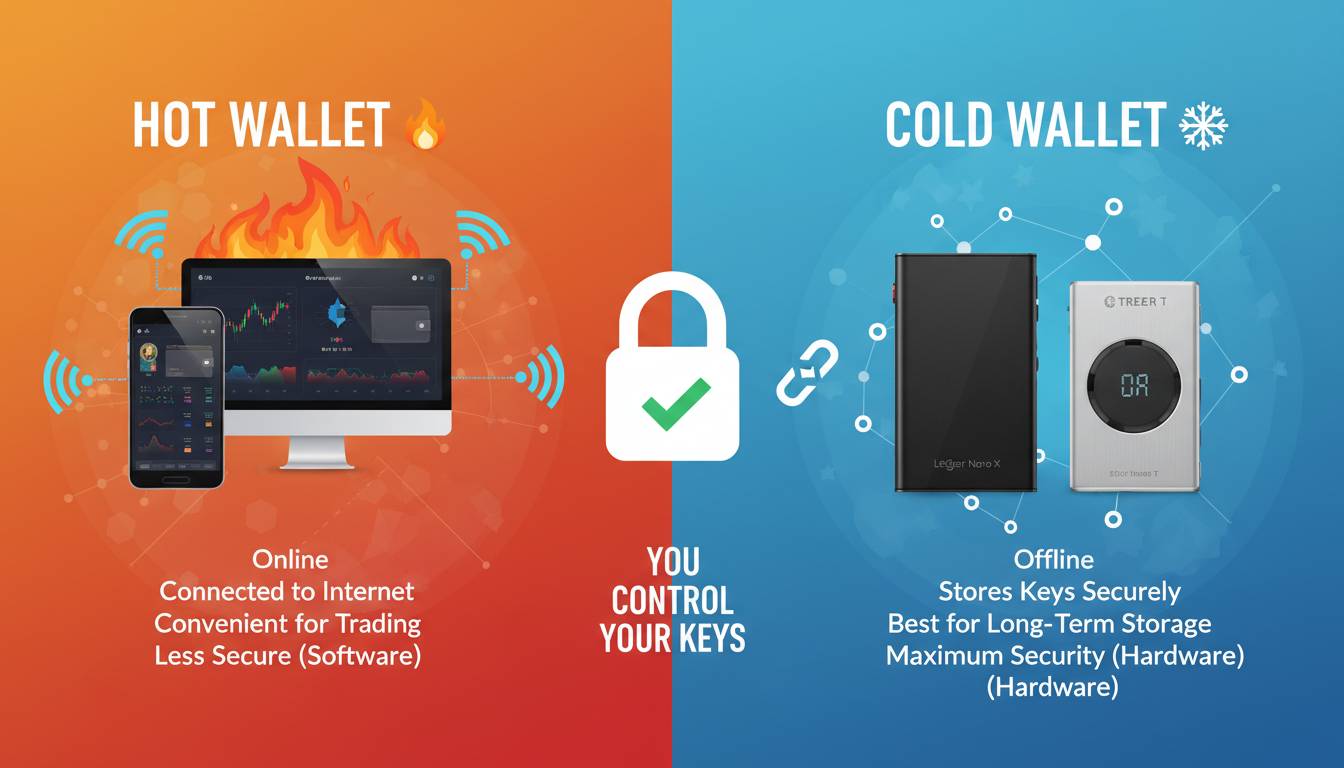
Web3 gaming tokens require cryptocurrency wallets for secure storage. Hardware wallets like Ledger or Trezor provide the highest security for significant holdings by keeping private keys offline. Software wallets such as MetaMask or Trust Wallet offer convenience for smaller amounts and active trading. Always verify wallet compatibility with your specific tokens, enable two-factor authentication where available, and never share your seed phrase with anyone.
Can web3 gaming tokens lose all their value?
Yes, web3 gaming tokens can and do become worthless. Many play-to-earn games have collapsed after their token prices crashed, leaving players unable to recover their investment of time or money. Projects can be abandoned, hacked, or proven fraudulent. Unlike traditional gaming items that might retain nostalgic value, tokens tied to failed projects typically become completely worthless.
Do I need to pay taxes on web3 gaming token earnings?
The IRS and other tax authorities consider cryptocurrency transactions taxable events. This includes earning tokens through gameplay, trading tokens for other cryptocurrencies or fiat currency, and using tokens to purchase in-game items. Income is generally taxed at its fair market value when received, while capital gains apply when selling or trading. Players should maintain detailed records and consult tax professionals familiar with cryptocurrency regulations.
Conclusion
Web3 gaming tokens represent a fundamental transformation in how players interact with digital games, offering genuine ownership, economic opportunity, and community governance that traditional gaming cannot match. However, participants must approach this space with clear eyes toward the substantial risks involved—volatility, fraud, regulatory uncertainty, and project failure all threaten capital and time investments.
Success in Web3 gaming requires thorough research, careful risk management, and realistic expectations. The most prudent approach involves investing only what you can afford to lose entirely, prioritizing games with strong fundamentals and engaging gameplay rather than purely speculative token opportunities. As the technology matures and regulatory frameworks clarify, the sector will likely offer increasingly viable paths for both entertainment and potential returns—but informed participation remains essential.