AI Writing Assistant – Write Faster & Better | Brand

In an era where content demands continue to escalate across marketing teams, freelance writers, and corporate communications departments, AI writing assistants have emerged as transformative tools that fundamentally reshape how we create written content. These sophisticated software platforms leverage large language models and natural language processing to help users generate, edit, optimize, and refine written material in a fraction of the time it would take through traditional methods. Whether you’re crafting marketing copy, drafting professional emails, composing academic papers, or developing creative fiction, understanding how to effectively leverage an AI writing assistant can dramatically improve both your productivity and the quality of your output.
The adoption of AI writing tools has accelerated dramatically over the past several years, with businesses and individuals alike recognizing the significant efficiency gains these platforms offer. According to industry research from Gartner , organizations that have integrated AI writing assistants into their content workflows report平均 40% reduction in time spent on first drafts and a 25% improvement in content consistency scores. This article provides a comprehensive exploration of AI writing assistants—what they are, how they work, which tools excel in specific use cases, and how you can select and implement the right solution for your needs.
What Is an AI Writing Assistant?
An AI writing assistant is a software application that uses artificial intelligence, particularly natural language processing (NLP) and machine learning algorithms, to help users create, improve, or optimize written content. Unlike basic grammar checkers that focus solely on correcting errors, modern AI writing assistants function as comprehensive writing partners capable of generating original content, suggesting structural improvements, adjusting tone and style, and providing real-time feedback on readability and engagement.
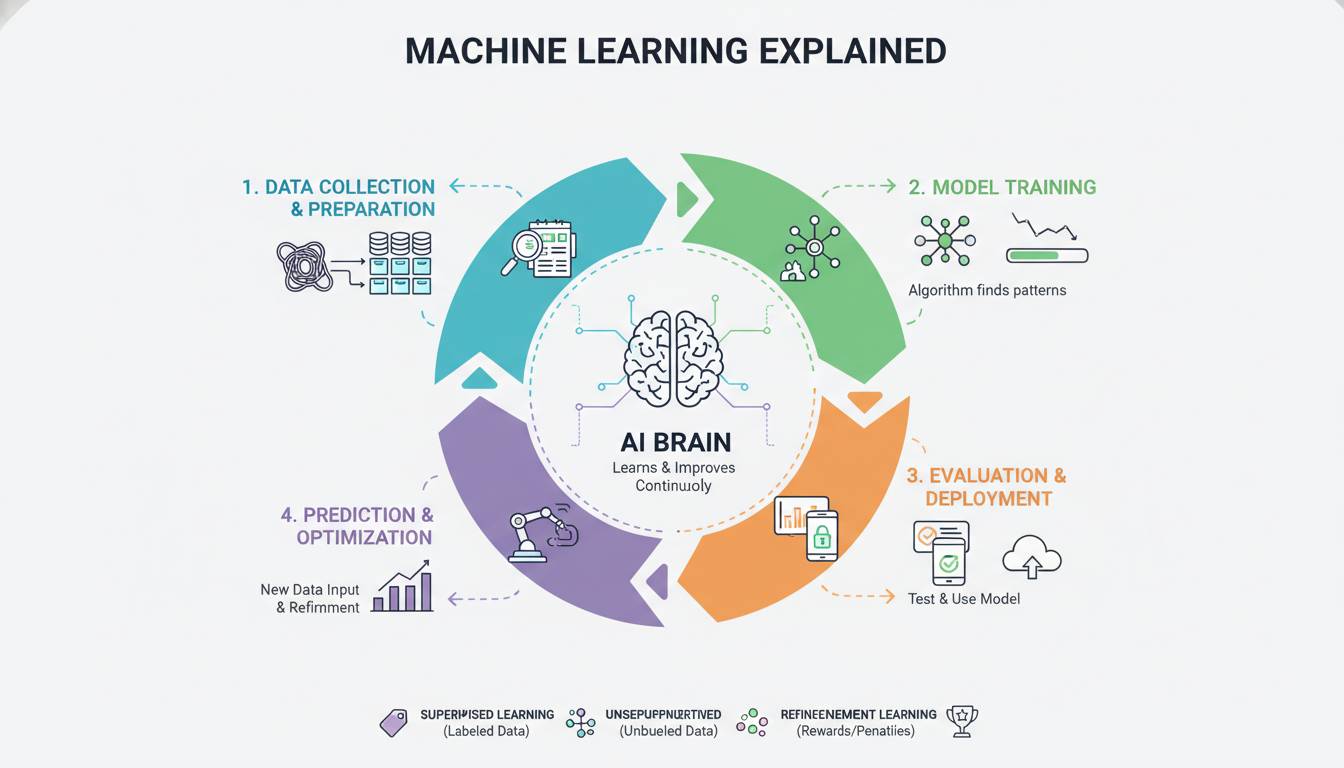
The core technology behind these tools involves large language models trained on vast datasets of human writing. These models learn patterns in grammar, syntax, vocabulary usage, narrative structure, and stylistic conventions, enabling them to produce text that closely mimics human writing quality. The most advanced AI writing assistants go beyond simple text generation—they understand context, maintain consistency across long documents, adapt to specific brand voices, and can even help with ideation and research organization.
Key capabilities of contemporary AI writing assistants include:
- Content generation: Creating original drafts from brief prompts or outlines
- Grammar and style refinement: Identifying and correcting errors while improving overall readability
- Tone adjustment: Modifying content to match formal, casual, professional, or conversational tones
- SEO optimization: Suggesting keywords and structural improvements for better search engine visibility
- Plagiarism detection: Ensuring content originality by comparing against massive databases
- Translation and localization: Adapting content for different languages and cultural contexts
- ** summarization**: Condensing lengthy documents into concise, digestible formats
How Do AI Writing Assistants Work?
Understanding the underlying technology helps users make more informed decisions about which tools best suit their needs. AI writing assistants operate through a combination of sophisticated algorithms, massive training datasets, and user-friendly interfaces that translate complex AI capabilities into accessible features.
At the foundation of most modern AI writing tools lies transformer-based neural network architecture, specifically designed to process and generate sequential data like human language. These models analyze input text at multiple levels—individual words, sentence structures, paragraph organization, and overall document coherence—to produce contextually appropriate outputs. When you provide a prompt or existing text to an AI writing assistant, the system processes your input through multiple layers of analysis before generating its response.
The user experience typically involves interacting with the tool through a text-based interface, though many modern solutions integrate directly into popular platforms like Google Docs, Microsoft Word, browsers, and content management systems. Users can select specific features—such as “expand this paragraph,” “make this more conversational,” or “check for plagiarism”—and the AI generates appropriate suggestions or modifications.
Most AI writing assistants operate on subscription models with tiered pricing based on usage limits, feature access, and team collaboration capabilities. Free versions typically offer basic grammar checking and limited generations, while premium plans unlock advanced features like unlimited AI generations, brand voice customization, API access, and team management tools.
Key Features to Look for in an AI Writing Assistant
Selecting the right AI writing assistant requires understanding which features deliver the most value for your specific use cases. While different tools excel in different areas, certain capabilities consistently separate top-tier solutions from basic alternatives.
Content Generation Capabilities
The ability to generate high-quality original content stands as the most sought-after feature in any AI writing assistant. The best tools produce coherent, contextually relevant text that requires minimal editing. Look for platforms that offer customizable output length, multiple content types (blog posts, social media captions, product descriptions, emails), and the ability to generate multiple variations for comparison.
Advanced generation features include the capacity to maintain consistent terminology throughout long documents, adapt to specific industry jargon, and generate content that aligns with particular brand guidelines. Some tools even offer “regenerate” functions that produce alternative versions while preserving your preferred elements from previous attempts.
Grammar and Style Checking
While basic grammar checking has existed for decades, modern AI-powered solutions offer significantly more sophisticated analysis. Beyond identifying spelling and grammatical errors, these tools analyze sentence structure complexity, passive voice usage, word choice precision, and readability scores. The most effective platforms provide specific, actionable suggestions rather than simply flagging problems.
Style checking extends to tone consistency, formality levels, and engagement optimization. Professional writers particularly benefit from tools that can detect and flag inconsistent tense usage, shifts in perspective, and repetitive language patterns that undermine otherwise strong content.
SEO and Marketing Features
For content marketers and digital professionals, SEO optimization capabilities prove essential. Quality AI writing assistants analyze content for keyword density, suggest relevant secondary keywords, evaluate