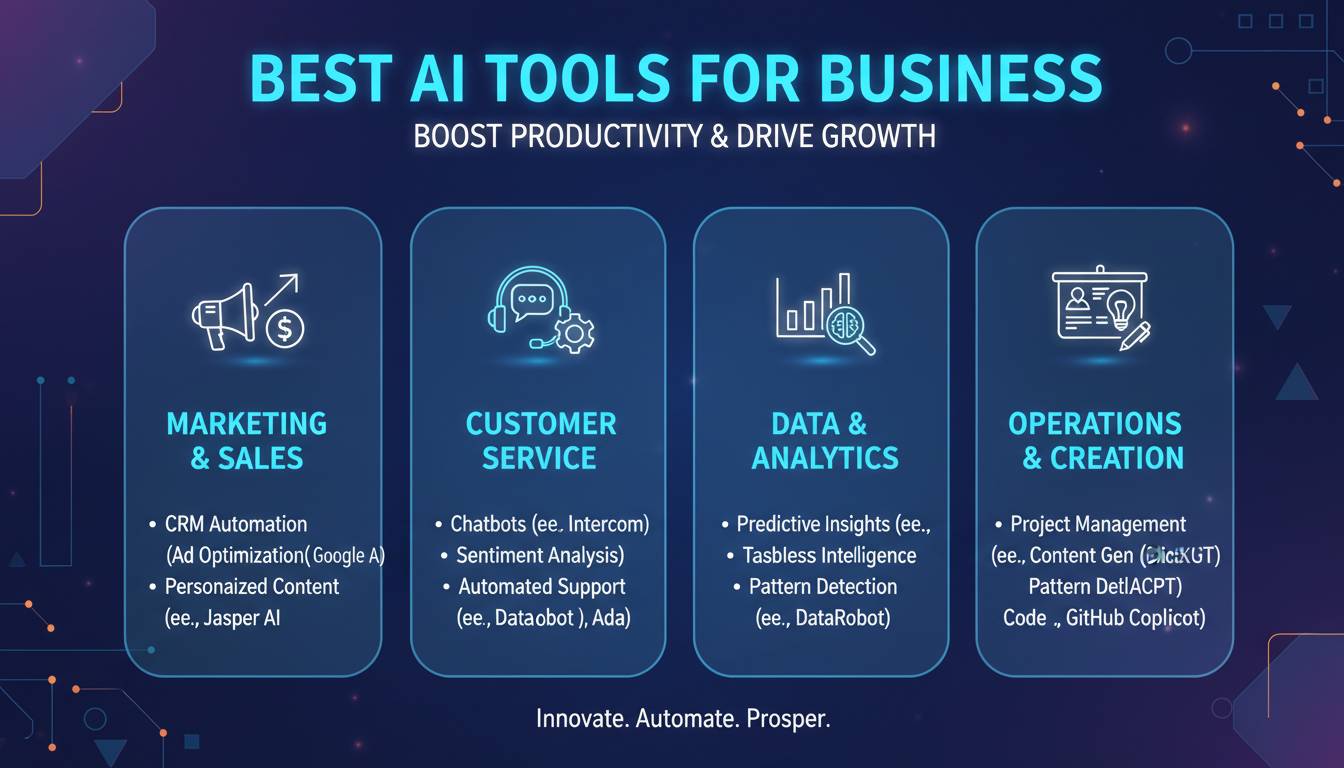


The artificial intelligence revolution in content marketing has transformed how businesses produce written material. AI content creation tools now help marketers scale their output while maintaining quality. The market offers options ranging from comprehensive enterprise platforms to affordable solutions for individual creators. This guide examines the leading AI content creation tools available today, evaluates their capabilities, and helps you select the right solution for your needs.
How We Tested These AI Content Creation Tools
We tested each platform across multiple content types including blog posts, social media captions, email newsletters, and product descriptions. Our assessment criteria included ease of interface, generation speed, output coherence, customization options, pricing structure, and customer support responsiveness.
We examined tools across different price tiers to ensure our recommendations serve varied budget requirements. All evaluations were conducted during October 2024 using identical prompts to facilitate direct comparison. Results were graded for authenticity, engagement potential, and grammatical accuracy.
The testing process revealed significant differentiation among platforms in specific use cases.
Top AI Content Creation Tools Compared
Jasper (Formerly Jarvis)
Jasper remains a major player in the AI content creation space, offering over 50 templates designed for various marketing applications. The platform supports more than 25 languages and includes a Boss Mode feature that enables longer-form content generation with improved contextual understanding. Jasper integrates with Surfer SEO for optimized content, Grammarly for grammar checking, and Zapier for workflow automation.
Pricing begins at $49 monthly for the Starter plan, with Boss Mode available at $99 monthly. The tool excels at generating blog outlines, ad copy, and social media content. Some users report that output occasionally requires substantial editing for brand voice consistency.
Pros: Extensive template library, strong integration ecosystem, excellent for long-form content
Cons: Higher price point, learning curve for optimal results, occasional repetitive output
Best for: Marketing teams and agencies managing multiple content channels
Copy.ai
Copy.ai positions itself as a rapid content generation solution, emphasizing speed and simplicity. The platform offers over 90 tools and templates covering email subject lines, blog intros, product descriptions, and social media posts. Its Infobase feature allows users to store company information for consistent brand voice across outputs.
Pricing starts at $49 monthly for the Pro plan, with a free tier offering limited monthly credits suitable for initial evaluation. Copy.ai’s strength lies in generating short-form marketing copy efficiently, though long-form content may require stitching together multiple generations.
Pros: User-friendly interface, quick generation, generous free tier
Cons: Limited long-form capabilities, less customization depth
Best for: Small businesses and solo marketers needing quick turnaround
Writesonic
Writesonic has gained substantial market share by offering comprehensive AI content creation tools at competitive prices. The platform provides Article Writer 3.0, which can generate 1,500-word articles from brief inputs, along with landing page copy, ads, and product descriptions. Writesonic integrates with WordPress and Zapier, streamlining publishing workflows.
Pricing options range from $19 monthly for the Starter plan to $500 monthly for the Agency tier. The platform distinguishes itself through AI-powered SEO optimization and a fact-checker that verifies claims against search results. Users appreciate the Photoonic image generation feature included in higher-tier plans.
Pros: Competitive pricing, built-in SEO tools, article writer functionality
Cons: Interface can feel overwhelming for beginners, occasional factual inaccuracies
Best for: Content marketers focused on SEO-driven blog content
Rytr
Rytr offers an affordable entry point to AI content creation while maintaining respectable output quality. The platform supports over 40 use cases and 30 languages, with a character count-based pricing model providing flexibility for varying usage levels. Rytr’s Chrome extension enables content generation directly within browsers and web applications.
Pricing starts at just $9 monthly for the Saver plan, making it one of the most accessible options available. The platform includes a built-in plagiarism checker and supports multiple tones from casual to professional. While Rytr handles standard content effectively, complex technical writing may require additional refinement.
Pros: Excellent value, Chrome extension, plagiarism checker included
Cons: Less sophisticated AI than competitors, limited advanced features
Best for: Budget-conscious creators and startups
Anyword
Anyword differentiates itself through data-driven copywriting, offering performance scores that predict content effectiveness before publication. The platform analyzes existing content and provides recommendations to maximize engagement based on target audience characteristics. Anyword’s Predictive Performance scores appear directly in the editor, guiding users toward higher-performing variations.
Pricing begins at $39 monthly for the Starter plan, with enterprise solutions available upon request. The tool particularly excels at advertising copy and landing page content where performance prediction adds significant value. Integration options include WordPress, Zapier, and major advertising platforms.
Pros: Performance prediction, data-driven recommendations, strong ad copy
Cons: Less focused on long-form content, higher learning curve
Best for: Performance marketers and advertising teams
Sudowrite
Sudowrite positions itself specifically for creative writers, offering AI assistance for fiction authors, bloggers, and creative professionals. Unlike marketing-focused alternatives, Sudowrite understands narrative structure, character development, and storytelling principles. Features include Plot Generator, Character Builder, and Feedback tools designed for creative workflows.
Pricing is available at $19 monthly for the hobbyist plan, with $39 monthly for professional use. The platform operates on a credit system rather than word count, providing flexibility for users with varying output volumes. Creative writers particularly appreciate the lack of marketing-focused templates that can make other tools feel restrictive.
Pros: Creative writing specialization, narrative understanding, novel-focused features
Cons: Limited marketing applications, niche focus
Best for: Fiction authors and creative content creators
Wordtune
Wordtune operates as a writing companion focused on improving existing content rather than generating from scratch. The platform offers sentence rewriting, summarization, and expansion capabilities that enhance human-written drafts. Its Spices feature allows users to add relevant additions including statistics, examples, and clarifications to strengthen arguments.
Pricing ranges from free with limited uses to $9.99 monthly for the Premium plan. Wordtune integrates as a browser extension and works across Google Docs, email, and social media platforms. The tool serves as an excellent complement to other AI content creation tools by polishing final outputs.
Pros: Seamless integration, sentence-level improvements, free tier available
Cons: Not a content generator, requires existing draft
Best for: Writers seeking to enhance and refine existing content
AI Content Tools by Use Case
Blog Writing
For bloggers and content marketers, Jasper and Writesonic emerge as top performers capable of generating complete articles from brief outlines or keyword inputs. These platforms produce structured, SEO-friendly content that requires minimal editing for publication.
Writers seeking to supplement their own work should consider Wordtune for refining drafted content, ensuring clarity and engagement throughout pieces.
Social Media
Social media content creation demands brevity, engagement, and platform-specific optimization. Copy.ai excels in this category with dedicated templates for platform-specific captions, hashtag suggestions, and post variations for A/B testing. Jasper’s Social Media Shorts feature generates platform-appropriate content for Instagram, Facebook, LinkedIn, and Twitter from single inputs.
Marketers managing multiple accounts appreciate tools offering bulk generation capabilities, allowing creation of content calendars efficiently.
Email Marketing
Email marketing benefits significantly from AI assistance given the format’s reliance on compelling subject lines, clear calls to action, and personalized content. Anyword and Copy.ai offer specialized email templates including subject lines, preview text, body copy, and unsubscribe notices. Performance prediction features in Anyword provide valuable insights into likely open rates and click-through rates before sending campaigns.
Automated email sequences and drip campaigns represent particularly strong use cases for AI content tools, enabling marketers to create comprehensive sequences efficiently while maintaining personalization at scale.
How to Choose the Right AI Content Tool
Selecting the appropriate AI content creation tool requires honest assessment of your specific needs, technical capabilities, and budget constraints. Begin by identifying your primary use case: long-form blog content, marketing copy, creative writing, or content refinement. Different tools excel in different areas, making a clear use case priority essential for optimal selection.
Consider team size and collaboration requirements. Larger teams benefit from platforms with robust user management, version history, and approval workflows. Individual creators or small businesses may find simpler interfaces more valuable than comprehensive feature sets they will never utilize.
Request demos or utilize free trials before committing. Hands-on experience reveals interface intuitiveness and output quality better than feature lists or reviews. Pay particular attention to how well the tool maintains consistency across multiple generations, as this impacts real-world workflow efficiency.
Budget consciousness must balance against capability requirements. Entry-level tools work adequately for simple use cases, while complex marketing operations may require investment in premium platforms. Many platforms offer scalable pricing, allowing starting points with upgrades as needs evolve.
Frequently Asked Questions
What are AI content creation tools?
AI content creation tools are software platforms that use artificial intelligence, particularly natural language processing and generation, to assist or automate the creation of written content. These tools can generate blog posts, marketing copy, social media content, emails, and other text-based materials based on user inputs and prompts.
How much do AI writing tools cost?
Pricing varies significantly across platforms. Entry-level options like Rytr begin at $9 monthly, while comprehensive platforms like Jasper start at $49 monthly. Enterprise solutions with advanced features can exceed $500 monthly. Most providers offer free tiers with limited usage for evaluation purposes.
Are AI content tools worth the investment?
For businesses and creators producing regular content, AI tools typically deliver strong return on investment through time savings and increased output capacity. The key is selecting a tool aligned with your specific needs and committing to learning its optimal use. Many users report doubling or tripling content output after implementing AI assistance.
Can AI replace human writers?
AI content tools currently function best as assistants that enhance human capabilities rather than replacements for human writers. While AI excels at generating drafts and overcoming initial blank-page syndrome, human oversight remains essential for brand voice consistency, factual accuracy, emotional resonance, and strategic content planning.
Which AI content tool is best for beginners?
Copy.ai offers perhaps the gentlest learning curve with intuitive interfaces and helpful prompts guiding users through content generation. Its free tier allows experimentation without financial commitment, making it ideal for those new to AI content creation tools.
Do AI-generated articles rank well in search engines?
Search engines evaluate content quality regardless of creation method. AI-generated content can rank well when it provides genuine value, demonstrates expertise, and satisfies user intent. However, low-quality or generic AI output that fails to offer unique insights will struggle to rank. The combination of AI efficiency with human strategic oversight produces optimal SEO results.
Conclusion
AI content creation tools have matured significantly, offering practical solutions for marketers, businesses, and individual creators seeking to scale content production efficiently. The optimal choice depends entirely on specific requirements, budget constraints, and intended applications. Jasper leads for comprehensive marketing teams requiring versatile capabilities across content types, while Copy.ai serves those prioritizing speed and simplicity. Budget-conscious users find excellent value in Rytr, and performance-focused marketers benefit from Anyword’s predictive capabilities.
The key to successful implementation lies in understanding these tools as collaborative assistants rather than complete replacements for human creativity and strategic thinking. Organizations that successfully integrate AI content creation tools into their workflows report substantial efficiency gains, allowing teams to focus on strategy, creativity, and customer engagement rather than purely on content generation.