NFT Marketplace Explained: Complete Beginner’s Guide

NFT marketplaces have exploded into mainstream consciousness, yet many people still find the concept confusing or intimidating. Whether you’re an artist looking to monetize digital work, a collector seeking new investment opportunities, or simply a curious observer, understanding how these platforms operate is essential in today’s digital economy. This guide breaks down everything you need to know about NFT marketplaces, from the fundamental technology to practical steps for buying and selling.
What Is an NFT Marketplace?
An NFT marketplace is a digital platform where users can buy, sell, and trade non-fungible tokens—unique digital assets verified through blockchain technology. Unlike cryptocurrencies such as Bitcoin or Ethereum, where each unit is identical to every other unit, NFTs represent distinct items with verifiable ownership and scarcity.
Think of an NFT marketplace as a hybrid between an auction house and an online store, but exclusively for digital items. These platforms handle the complex blockchain infrastructure behind the scenes, making it possible for anyone to participate without deep technical knowledge. The marketplace itself acts as an intermediary, ensuring transactions are secure, transparent, and traceable.
NFTs can represent numerous digital creations, including artwork, music, videos, virtual real estate, domain names, and even tweets. The defining characteristic is uniqueness—no two NFTs are exactly alike, even if they originate from the same collection. This scarcity is what gives NFTs their value, much like limited-edition physical collectibles.
The marketplace facilitates the entire transaction lifecycle: listing items for sale, processing payments (typically in cryptocurrency), transferring ownership, and ensuring creators receive their designated royalties on secondary sales. This automation is one of the most revolutionary aspects of NFT technology, as it provides ongoing compensation to creators every time their work changes hands.
How Do NFT Marketplaces Work?
At their core, NFT marketplaces operate on blockchain technology, most commonly Ethereum, though other blockchains like Solana, Polygon, and Flow have gained significant traction. Each marketplace is essentially a decentralized application that connects buyers and sellers while maintaining an immutable record of every transaction.
When a creator minting (creating) an NFT, they upload their digital work to the marketplace, which then generates a unique token on the blockchain. This token contains metadata about the artwork, including the file location, creator information, and any special attributes. The actual digital file is often stored off-chain due to cost and scalability considerations, though some platforms now offer fully on-chain storage for true decentralization.
The smart contract is the engine powering these marketplaces. This self-executing program automatically enforces the rules of each transaction. When you purchase an NFT, the smart contract verifies your payment, transfers the token to your wallet, and distributes funds according to predetermined percentages to the creator and the platform. This eliminates the need for traditional intermediaries like banks or auction houses.
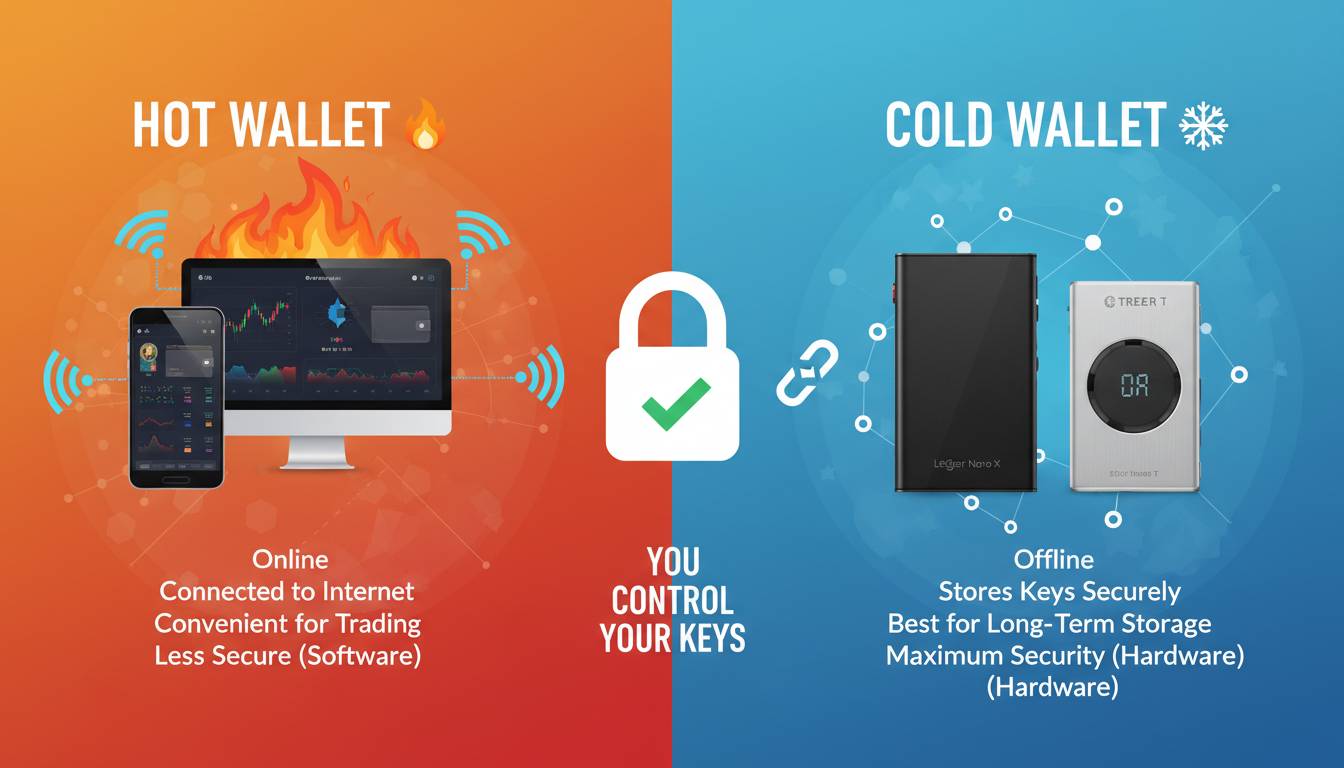
Wallet integration is another critical component. To interact with an NFT marketplace, you need a cryptocurrency wallet like MetaMask, Coinbase Wallet, or Phantom. This wallet holds your digital assets and serves as your identity on the platform. Every action—listing an item, making a purchase, or transferring ownership—requires a cryptographic signature from your wallet.
Major NFT Marketplaces
The NFT marketplace landscape has evolved significantly since the first platforms launched in 2017. Today, several dominant players command the majority of trading volume, each with distinct strengths and specializations.
OpenSea remains the largest general-purpose NFT marketplace, supporting over 80 blockchains and hosting millions of items across artwork, collectibles, domain names, and virtual worlds. Founded in 2017 by Alex Atallah and Devin Finzer, OpenSea pioneered the concept of a general NFT marketplace and processed over $5 billion in trading volume during its peak in early 2022. The platform offers lazy minting, which allows creators to mint NFTs without paying upfront gas fees.
Blur emerged in 2022 as a professional-grade trading platform designed for serious collectors and traders. Unlike beginner-friendly platforms, Blur aggregates listings from other marketplaces and offers advanced features like portfolio analytics, floor price tracking, and real-time trading. The platform gained massive traction by airdropping its native BLUR token to active traders, creating strong user incentives.
Solan-based marketplaces like Magic Eden and Tensor have captured significant market share on the Solana blockchain, which offers faster transactions and lower fees than Ethereum. Magic Eden一度成为Solana生态最大的NFT交易平台, providing lower barriers to entry for new users.
Foundation, SuperRare, and Objkt represent curated platforms that emphasize quality over quantity. These marketplaces maintain selective onboarding processes, ensuring higher artistic standards among listings. Foundation, in particular, has become synonymous with high-value digital art sales, hosting pieces that have sold for millions of dollars.
Types of NFTs Available
The NFT ecosystem has expanded far beyond simple digital artwork, encompassing numerous categories that appeal to different interests and investment strategies.
Digital Art remains the most popular category, ranging from single-piece creations to expansive generative art collections. Artists can create static images, animated GIFs, or even entirely new art forms impossible in physical media. Notable sales include Beeple’s “Everydays: The First 5000 Days” at Christie’s for $69.4 million, demonstrating that NFT art has entered the traditional art world.
Collectibles function similarly to trading cards or stamps, with series-based drops creating scarcity through limited minting. The Bored Ape Yacht Club and CryptoPunks collections became cultural phenomena, with ownership conferring membership in exclusive communities and access to future benefits.
Music NFTs represent a paradigm shift for musicians, allowing direct fan support while maintaining ownership and earning royalties on secondary sales. This model challenges traditional music industry structures that often leave artists with minimal compensation.
Gaming Assets include characters, weapons, land parcels, and in-game items that players can truly own and trade. These NFTs enable cross-game interoperability in some cases, though this vision remains largely unrealized.
Domain Names like ENS (.eth) and Unstoppable Domains provide human-readable cryptocurrency addresses and can function as usernames across Web3 platforms.
How to Buy Your First NFT
Purchasing your first NFT involves several steps, but the process becomes straightforward once you understand each component.
First, you need a compatible cryptocurrency wallet. MetaMask serves as the most widely supported option, available as a browser extension and mobile app. Download the official extension from metmask.io, create your wallet, and securely store your seed phrase—12 or 24 words that represent your private keys. Never share this phrase with anyone.
Next, you need to acquire cryptocurrency to fund your purchases. Most NFT marketplaces use Ethereum (ETH), though some support alternative chains. You can purchase ETH from exchanges like Coinbase, Kraken, or Binance, then transfer it to your MetaMask wallet. Ensure you’re sending to the correct network—sending ETH to a Solana address, for example, results in permanent loss.
With cryptocurrency in your wallet, navigate to your chosen marketplace and connect by clicking the wallet icon. Browse available NFTs, filter by category, price range, or collection. When you find something you want, click to view details including ownership history, previous sale prices, and any attributes.
Initiating a purchase typically involves clicking “Buy Now” or placing a bid, then confirming the transaction in your wallet. The first purchase may also require approving the marketplace to access your tokens—a one-time setup step. Once confirmed on the blockchain, the NFT transfers to your wallet, and you’re now the official owner.
How to Sell NFTs
Selling an NFT you own follows a similar but reversed process. First, navigate to the item in your collection—each marketplace displays your owned items in a dedicated section.
When listing for sale, you’ll choose between a fixed price or auction format. Fixed-price listings specify an exact amount, while auctions set a starting bid and duration. Most marketplaces default to allowing price changes after listing, though this varies.
Setting your price requires research. Check recent sales of the same collection, current floor prices (the lowest listing price), and comparable items. Remember that pricing too high may result in your listing sitting indefinitely, while pricing too low leaves money on the table.
After listing, your NFT remains in your wallet but becomes visible to other users as available for purchase. When someone buys at your asking price or wins your auction, you’ll receive the funds in your wallet minus the marketplace fee. Some platforms also charge gas fees for listing and finalizing sales, which fluctuate based on network congestion.
Fees and Costs You Need to Know
Understanding the fee structure is crucial before participating in NFT markets, as costs can significantly impact your returns or overall expenses.
Marketplace fees typically range from 2.5% to 5% of each sale. OpenSea charges 2.5% on secondary sales, while Blur assesses 0% for traders using their native marketplace. Foundation charges 5%, reflecting its premium positioning.
Creator royalties represent ongoing payments to original artists whenever their work sells on the secondary market. Standard rates range from 5% to 10%, though some platforms enforce minimums. This structure ensures creators benefit from appreciation in their work’s value over time.
Gas fees on Ethereum vary dramatically based on network demand. During peak periods, simple transactions can cost $10-50 or more. L2 networks like Polygon and Arbitrum offer dramatically lower fees, sometimes fractions of a cent, making them attractive for smaller transactions.
Wallet fees may apply when transferring NFTs between wallets or moving cryptocurrency off exchanges. These typically range from $1-5 on Ethereum L2 networks.
For sellers, calculate your net proceeds by subtracting marketplace fees, creator royalties, and gas fees from your sale price. Buyers should factor in gas fees when budgeting, as these are paid upfront regardless of whether you plan to resell.
Risks and Important Considerations
The NFT space presents substantial risks that every participant should understand before committing funds.
Volatility defines the NFT market more than almost any other asset class. Prices can swing 50% or more within days, and liquidity remains poor compared to traditional assets. Many NFTs purchased at peak prices during 2021-2022 now sell for fractions of original cost.
Scams are rampant in the space. Fake marketplaces, phishing websites, and counterfeit NFTs are common. Never click links from unsolicited messages, always verify URLs, and thoroughly research before connecting your wallet or making purchases.
Lack of intrinsic value distinguishes NFTs from many traditional investments. While some view them as digital art with aesthetic value, others treat them purely as speculative assets. This debate continues, and the long-term value proposition remains unproven.
Technical risks include wallet security, smart contract vulnerabilities, and platform failures. If you lose access to your wallet seed phrase, your assets are gone forever. If a marketplace shuts down, retrieving your NFTs may prove difficult or impossible.
Regulatory uncertainty surrounds the entire crypto space. Future regulations could impact how NFTs are classified, taxed, or traded. The SEC has signaled interest in certain NFT offerings, though clear guidance remains absent.
The Future of NFT Marketplaces
Despite the market correction from 2021-2022 highs, development continues at a rapid pace, with several trends shaping the industry’s future.
Gaming and metaverse integration represents perhaps the most anticipated growth area. Major gaming companies including Ubisoft, EA, and Tencent are exploring NFT integration, which could bring mainstream adoption. Virtual worlds like Decentraland and The Sandbox continue developing their ecosystems, though user growth has tempered from early enthusiasm.
Enterprise adoption is emerging as corporations explore NFTs for supply chain tracking, loyalty programs, and digital identity. Starbucks launched an NFT loyalty program in 2022, whileNike has built substantial Web3 initiatives including .SWOOSH digital collectibles.
Infrastructure improvements address current pain points. L2 scaling solutions have dramatically reduced transaction costs, while improved wallet security and recovery options make participation safer. Cross-chain bridges increasingly allow NFTs to move between different blockchains.
Fractional ownership enables shared investment in high-value NFTs. Several platforms now allow buyers to purchase fractions of expensive items, potentially democratizing access to blue-chip collections.
Frequently Asked Questions
Q: What exactly is an NFT?
An NFT (non-fungible token) is a unique digital certificate stored on a blockchain that proves ownership and authenticity of a specific digital item. Unlike cryptocurrencies where every coin is identical, each NFT has distinct properties making it irreplaceable. The token contains metadata linking to the digital content, whether that’s artwork, music, video, or other digital creations.
Q: Can I become rich buying NFTs?
While some early adopters have made significant profits, the NFT market is extremely volatile and speculative. Most NFTs ultimately sell for less than their purchase price or never sell at all. Treat NFT purchases as you would any speculative investment—only spend what you can afford to lose entirely. There’s no guarantee of returns, and past performance doesn’t predict future results.
Q: Do I need technical knowledge to use NFT marketplaces?
Modern NFT marketplaces have significantly lowered barriers to entry. Basic competency with online accounts and understanding of cryptocurrency wallets is sufficient. You don’t need to understand blockchain programming or smart contract development to buy and sell NFTs. However, you should understand fundamental concepts like wallet security, gas fees, and the basics of cryptocurrency transactions.
Q: Are NFT marketplaces legal?
NFT marketplaces operate legally in most jurisdictions, though the regulatory landscape remains evolving. Purchasing NFTs for personal use or as collectibles is generally permitted. However, regulations around taxation, securities classification, and consumer protection vary by country. Always consult local regulations and consider speaking with a tax professional regarding your specific situation.
Q: How do I know if an NFT is authentic?
Research is essential. Verify the collection’s official channels, check the creator’s verified status on the marketplace, examine ownership history on the blockchain, and look for community discussions. Scammers frequently create fake collections impersonating popular projects. When in doubt, avoid the purchase. Established marketplaces have verification systems, but ultimate due diligence rests with the buyer.