
Best Weight Loss Programs That Really Work | Expert Guide

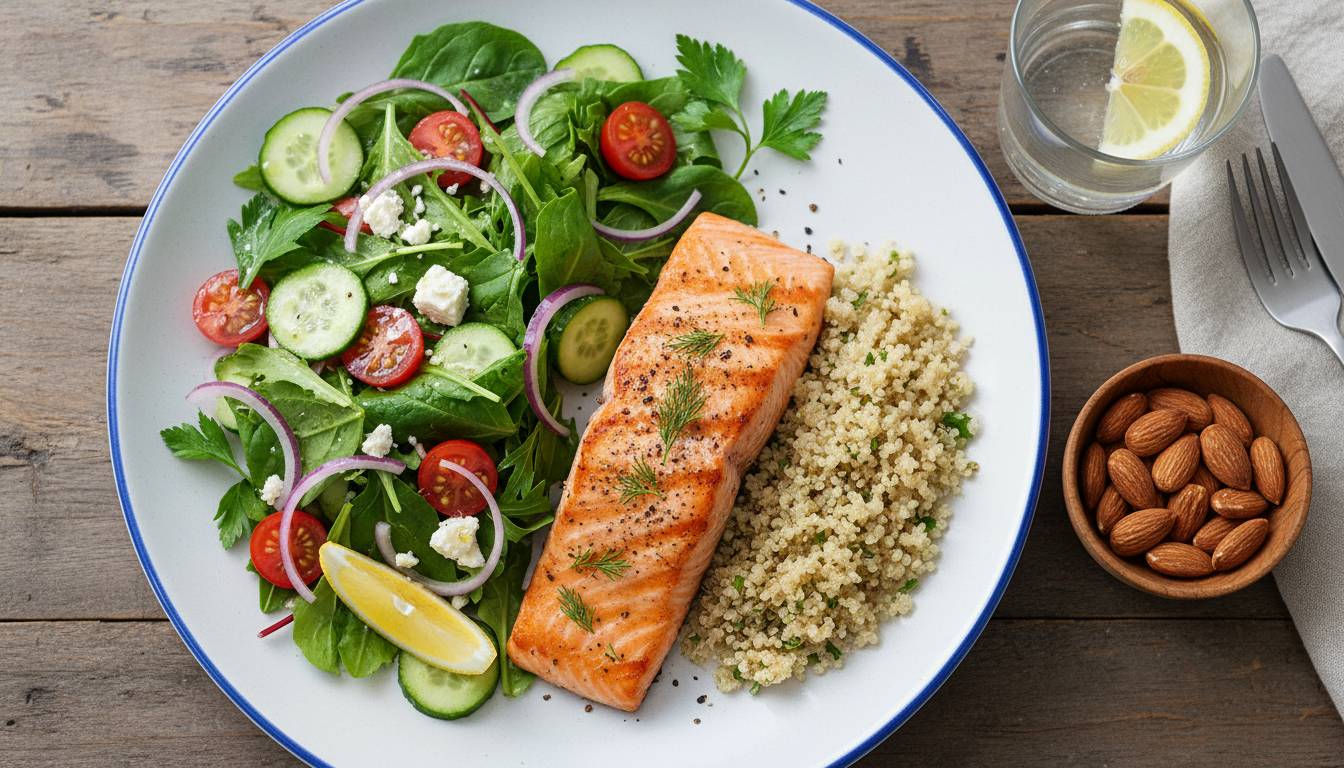
Losing weight is one of the most common health goals in America, with nearly half of U.S. adults attempting to shed pounds at any given time. Yet the weight loss industry generates over $70 billion annually, and not all programs deliver on their promises. The challenge isn’t finding options—it’s determining which programs actually produce lasting results and which are simply well-marketed illusions.
This guide cuts through the noise. We’ve analyzed clinical research, evaluated program structures, consulted obesity medicine specialists, and examined real-world user outcomes to identify the weight loss programs that genuinely work. Whether you’re looking for a structured meal-replacement system, a app-based behavioral program, or a physician-supervised medical approach, you’ll find transparent, evidence-based recommendations here.
Our analysis covers commercial programs, medical options, and DIY approaches—examining not just how much weight people lose, but whether they keep it off. Because the best weight loss program isn’t simply the one that produces the fastest results; it’s the one you can maintain.
Understanding What Makes a Weight Loss Program Effective
Before examining specific programs, it’s essential to understand the science of sustainable weight loss. Research consistently shows that the most effective programs share several key characteristics—and understanding these will help you evaluate any option critically.
Calorie deficit remains fundamental. Regardless of program structure, weight loss requires consuming fewer calories than you burn. The National Institutes of Health estimates that a deficit of 3,500 calories produces approximately one pound of fat loss. However, extremely aggressive deficits often lead to muscle loss, nutritional deficiencies, and program abandonment.
Behavioral modification predicts long-term success. A 2022 meta-analysis published in Obesity reviewed 67 weight loss studies and found that programs incorporating behavior change techniques produced 2.5 times more sustained weight loss than those focusing solely on dietary restriction. These techniques include self-monitoring, goal-setting, problem-solving, and social support.
Personalization matters significantly. No single program works for everyone. Factors including metabolic health, hormonal conditions, food preferences, lifestyle constraints, and psychological relationships with eating all influence which approach will be sustainable for a particular individual.
The role of GLP-1 medications. Recent years have brought a paradigm shift with the introduction of GLP-1 receptor agonists like semaglutide (Wegovy, Ozempic) and tirzepatide (Zepbound). Clinical trials show these medications produce 15-22% body weight loss—significantly more than traditional programs. However, they require medical supervision, come with potential side effects, and questions remain about long-term outcomes after discontinuation.
Dr. Fatima Cody Stanford, an obesity medicine physician at Harvard Medical School, emphasizes: “The most effective program is the one a patient can adhere to. We’ve learned that weight loss isn’t simply about willpower—it’s about addressing the complex biological, psychological, and social factors that regulate body weight. The best programs acknowledge this complexity.”
Top Commercial Weight Loss Programs Compared
The commercial weight loss market offers dozens of options, ranging from meal delivery services to app-based coaching platforms. We’ve evaluated the most established programs based on clinical evidence, user retention rates, and expert recommendations.
WW (Weight Watchers)
WW remains the largest commercial weight loss program in the United States, with over 4 million members globally. The program assigns point values to foods based on calories, saturated fat, sugar, and protein, encouraging nutrient-dense choices within a personalized daily PointsBudget.
Cost: $22.95-$24.95 monthly for digital plans; $44.95-$64.95 monthly for in-person or hybrid options (as of 2025)
What the research shows: A 2023 study in JAMA Network Open found that WW participants lost an average of 5.1% of their body weight at 12 months, with 39% maintaining at least 5% weight loss at two years. The program performed notably well in the Consumer Reports weight loss program survey, with users reporting high satisfaction with the support community.
Key features: Zero-point foods (fruits, vegetables, lean proteins), weekly workshops (in-person or virtual), 24/7 coaching access, recipe database, activity tracking
Best for: Those who prefer flexible, community-supported programs without rigid meal requirements
Noom
Noom takes a psychology-first approach, using cognitive behavioral therapy principles to address the emotional and habitual aspects of eating. The app provides daily lessons, food logging, and one-on-one coaching—though recent changes have shifted more toward AI-driven support.
Cost: $199.99 monthly or $99.99 monthly for annual commitment (prices vary by promotion)
What the research shows: A 2016 study in Scientific Reports (funded by Noom) showed participants lost 7.5% of body weight at 16 weeks. However, independent research is limited, and some users report difficulty reaching actual coaches.
Key features: Psychology-based curriculum, personalized meal plans, mood and habit tracking, integration with fitness devices
Best for: Those who want to understand the psychological drivers behind their eating habits
Jenny Craig
Jenny Craig provides pre-portioned meals delivered to your door, along with one-on-one consultations with consultants. The program offers structured meal plans with defined portions, eliminating the need for calorie counting or meal planning.
Cost: Approximately $600-$800 monthly (varies by plan selection and location)
What the research shows: A 2015 randomized controlled trial published in JAMA found that participants using a commercial meal-delivery program (similar structure to Jenny Craig) lost 7.4% more weight at 12 months than those using a standard diet plan. However, the high cost limits accessibility.
Key features: Home-delivered meals, personal consultations, no food shopping required, structured menus
Best for: Those seeking maximum structure and convenience, with budget for premium pricing
Nutrisystem
Nutrisystem offers pre-packaged meals and snacks shipped monthly, with a focus on portion control and low-glycemic index foods. Users purchase additional fresh items like vegetables and lean proteins to supplement the prepared meals.
Cost: Approximately $10-$12 per day (roughly $300-$360 monthly for the standard plan)
What the research shows: A 2010 study funded by Nutrisystem (with noted limitations) showed average weight loss of 4.4% at three months. More rigorous independent research is lacking, though the program’s structure follows evidence-based principles of portion control.
Key features: Ready-to-eat meals, home delivery, weekly coaching calls, A la carte flexibility
Best for: Those wanting prepared meals without Jenny Craig’s premium pricing
Comparison Table
| Program | Monthly Cost | Avg. Weight Loss (1 Year) | Key Approach | Best For |
|---|---|---|---|---|
| WW | $23-$65 | 5-6% | Point-based flexibility | Community support seekers |
| Noom | $100-$200 | 5-7% | Psychology-based | Behavioral change focus |
| Jenny Craig | $600-$800 | 7%+ | Meal delivery | Maximum convenience |
| Nutrisystem | $300-$360 | 4-5% | Portion-controlled meals | Budget-conscious delivery |
Medical Weight Loss Programs and Options
For individuals with obesity (BMI of 30 or higher) or weight-related health conditions, medical weight loss programs offer a higher level of supervision and intervention. These programs typically involve physician oversight, may incorporate prescription medications, and address underlying metabolic factors.
Physician-Supervised Programs
Medical weight loss programs operate through hospitals, clinics, or specialized centers. They typically include:
Comprehensive evaluation: Blood work, metabolic testing, body composition analysis, and review of medications and health conditions that may affect weight
Prescription medications: FDA-approved weight loss medications including GLP-1 agonists (Wegovy, Zepbound, Ozempic), phentermine/topiramate (Qsymia), naltrexone/bupropion (Contrave), and orlistat (Xenical, Alli)
Meal replacement protocols: Very low-calorie diets (VLCDs) providing 800 calories or less daily, using specialized meal replacement products—typically under medical supervision
Ongoing monitoring: Regular check-ins, laboratory testing, and adjustment of treatment plans
Cost: Medical programs vary widely; physician visits may be covered by insurance, while medications range from approximately $25/month (generic options) to $1,300+ monthly (brand-name GLP-1s without insurance coverage).
Dr. Christopher Gardner, director of nutrition studies at Stanford Prevention Research Center, notes: “Medical programs are appropriate when lifestyle intervention alone hasn’t produced sufficient results, or when obesity-related health conditions require more aggressive management. The key is finding a reputable program with board-certified obesity specialists.”
GLP-1 Medications: A New Frontier
The introduction of GLP-1 receptor agonists has transformed medical weight loss. Semaglutide (Wegovy) and tirzepatide (Zepbound) have demonstrated unprecedented efficacy in clinical trials:
STEP trials (semaglutide): Participants lost 14.9% of body weight at 68 weeks (STEP 3 trial)
SURMOUNT trials (tirzepatide): Participants lost 22.5% of body weight at 72 weeks (SURMOUNT-1)
However, these medications require ongoing use to maintain results. A 2022 study in Diabetes, Obesity and Metabolism found that participants who discontinued semaglutide regained two-thirds of their lost weight within a year.
Important considerations: GLP-1s carry potential side effects including nausea, vomiting, diarrhea, and in rare cases, pancreatitis or thyroid tumors. They also remain expensive without insurance coverage, and supply shortages have created access challenges.
Key Factors to Evaluate in Any Weight Loss Program
When selecting a weight loss program, certain factors consistently predict success. Here’s what to prioritize:
Evidence base. Look for programs with peer-reviewed research backing their claims. Be skeptical of dramatic before-and-after photos without context or testimonials that sound like marketing copy.
Sustainability. The best program is one you can maintain. Extreme restriction may produce rapid initial results but typically leads to rebound weight gain. Consider whether the program’s structure fits your lifestyle for months and years, not just weeks.
Nutritional adequacy. Programs should provide balanced nutrition meeting minimum requirements for protein, fiber, vitamins, and minerals. Extremely restrictive diets risk nutritional deficiencies and metabolic slowdown.
Support systems. Whether through coaches, communities, or accountability partners, social support significantly improves outcomes. Evaluate what support each program offers.
Flexibility for life events. Your program must accommodate travel, holidays, stress, and changes in circumstances. Rigid protocols often fail when life becomes complicated.
Transparent pricing. Understand total costs including any required purchases, membership fees, food costs, and supplements. Hidden expenses frequently catch users off guard.
Dr. Michael Dansinger, director of nutrition at Tufts Medical Center, advises: “I encourage patients to think about weight management as a long-term relationship with food and physical activity, not a temporary diet. The best program is the one that helps you develop skills and habits you can maintain indefinitely.”
Common Weight Loss Mistakes to Avoid
Understanding what doesn’t work helps you recognize poor program fit and avoid wasting money on ineffective approaches.
Chasing rapid results. Programs promising dramatic weight loss in weeks typically produce water weight and muscle loss rather than sustainable fat loss. Aim for 1-2 pounds weekly—this pace preserves muscle and builds sustainable habits.
Following overly restrictive diets. Eliminating entire food groups or drastically reducing calories triggers cravings, metabolic adaptation, and often binge eating. Sustainable programs allow flexibility and all foods in moderation.
Focusing only on exercise. While physical activity provides numerous health benefits, it’s less effective for weight loss than dietary modification. Most weight loss occurs in the kitchen; exercise supports maintenance and health but shouldn’t be the primary weight loss strategy.
Ignoring behavioral health. Emotional eating, stress responses, and disordered eating patterns undermine even the most well-structured programs. The most effective approaches address these psychological components.
Expecting one program to work forever. Weight management often requires adapting your approach over time. What works initially may need modification as your body, circumstances, and goals evolve.
Frequently Asked Questions
How much weight can I realistically lose in a month?
Most evidence-based programs target 4-8 pounds monthly, or about 1-2 pounds weekly. This rate preserves muscle mass, minimizes metabolic slowdown, and builds sustainable habits. While faster initial weight loss sometimes occurs (often water weight), extremely rapid loss typically isn’t sustainable or healthy.
Do weight loss programs work without exercise?
Yes—dietary modification drives the majority of weight loss. Exercise becomes most important for weight maintenance after weight loss and provides numerous health benefits, but you can lose weight through diet alone. However, combining appropriate exercise with dietary changes produces optimal results for both weight and overall health.
Are expensive weight loss programs worth the cost?
Not necessarily. Price doesn’t predict effectiveness. While premium programs like Jenny Craig offer convenience and structure, WW produces comparable results at a fraction of the cost. The best program is one you can afford to maintain long-term, not an expensive option you’ll abandon after a few months.
What happens after I reach my goal weight?
Maintenance is the true test of any weight loss program. Look for programs that explicitly address maintenance and provide strategies for long-term weight management. This includes gradual transition to regular eating, ongoing support systems, and skills for managing weight fluctuations without regain.
Can I use a weight loss program if I have health conditions?
Many programs can accommodate health conditions with appropriate modifications. However, certain programs may not be suitable for specific conditions. If you have diabetes, heart disease, kidney disease, or other health concerns, consult your physician before starting any weight loss program. Medical weight loss programs specifically designed for your condition may be most appropriate.
How do I know if a weight loss program is legitimate?
Legitimate programs cite peer-reviewed research, don’t promise miraculous results, are transparent about costs, and have qualified professionals available. Be wary of programs requiring large upfront payments, making claims that seem too good to be true, lacking scientific backing, or pressuring you into immediate commitment.
Conclusion: Finding Your Best Fit
The best weight loss program is ultimately the one you’ll actually follow. This guide has presented options ranging from app-based behavioral programs to physician-supervised medical interventions, but the right choice depends on your specific circumstances, budget, health status, and personal preferences.
For most people beginning their weight loss journey, WW or Noom offer solid foundations with reasonable costs and evidence-based approaches. Those seeking maximum convenience may find meal delivery programs worthwhile despite higher price tags. And individuals with significant weight to lose or obesity-related health conditions should explore medical programs with qualified practitioners.
Whatever program you choose, approach it as a long-term investment in your health rather than a quick fix. Sustainable weight loss—achieved through realistic expectations, balanced nutrition, behavioral modification, and consistent support—remains the most effective path to lasting results.
Remember: Progress matters more than perfection. Even modest weight loss (5-10% of body weight) produces meaningful health improvements in blood pressure, blood sugar, cholesterol, and cardiovascular risk. Start somewhere, stay consistent, and adjust as needed. Your health journey is personal, and the best program is one that fits your life.