Best Bitcoin Mining Software for Maximum Profits

Bitcoin mining software is the essential bridge between your mining hardware and the Bitcoin network, managing the complex process of solving cryptographic puzzles to validate transactions and earn block rewards. Choosing the right software can significantly impact your hash rate efficiency, electricity consumption, and ultimately your profit margins. With dozens of options available ranging from free open-source solutions to premium cloud-managed platforms, understanding the landscape is crucial before investing in mining operations that can cost thousands of dollars in hardware alone.
What Bitcoin Mining Software Does
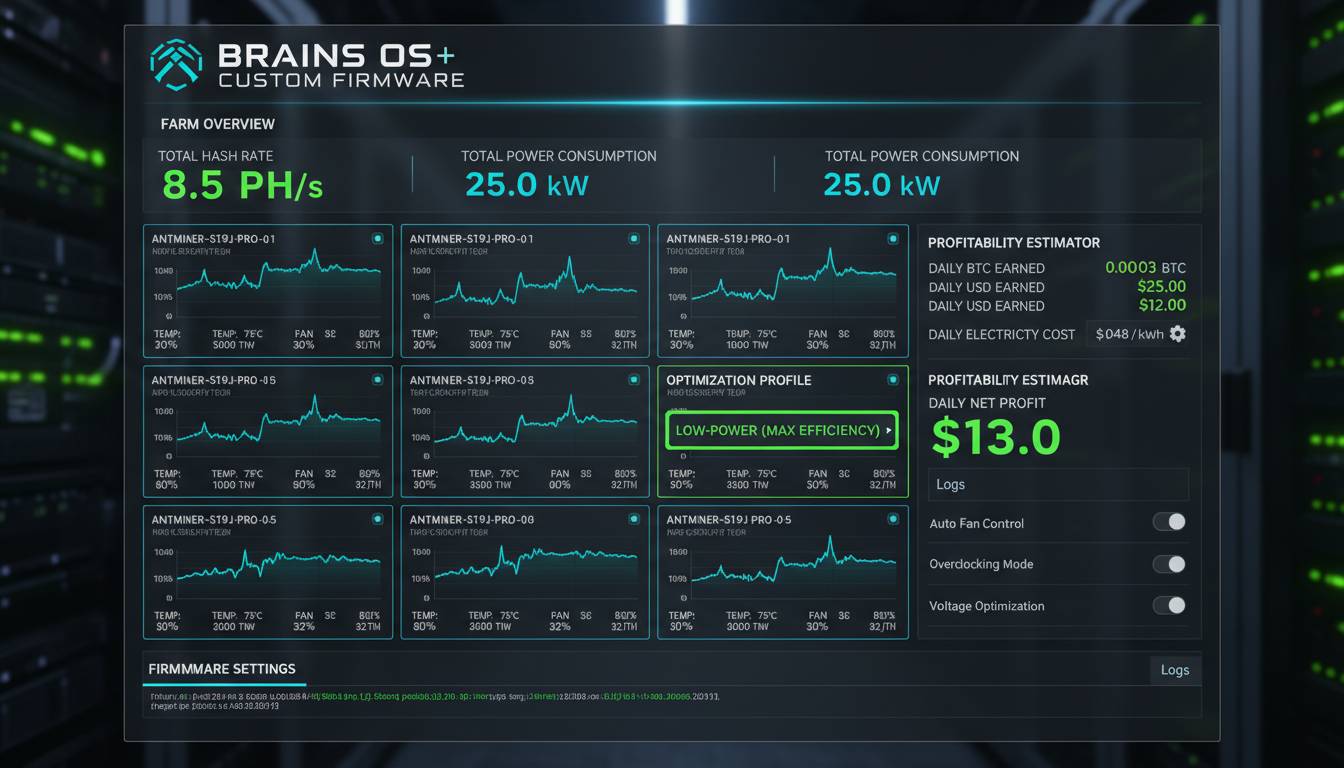
Bitcoin mining software serves multiple critical functions in the mining ecosystem. First, it communicates with mining hardware—whether ASIC miners or GPU rigs—to receive work assignments and submit solved hashes. Second, it connects miners to mining pools, which combine computational resources to increase the probability of earning consistent rewards. Third, the software monitors critical metrics including hash rate, temperature, power consumption, and pool statistics in real-time.
The software also handles difficulty adjustments automatically as network conditions change, manages firmware updates for compatible hardware, and provides interfaces for remote monitoring and configuration. Without proper mining software, even the most powerful hardware cannot participate in the Bitcoin network effectively.
Modern mining software offers varying levels of complexity. Command-line interfaces like CGMiner provide maximum control and customization for experienced miners, while graphical user interfaces like EasyMiner appeal to beginners seeking simpler setup processes. Enterprise solutions such as HiveOS and MinerStat offer fleet management capabilities for operations running multiple rigs.
Key Features to Consider When Choosing Mining Software
Selecting the right mining software requires evaluating several interconnected factors that directly affect profitability and operational efficiency.
Compatibility stands as the primary consideration. Not all software supports all hardware. ASIC miners from manufacturers like Bitmain, MicroBT, and Canaan typically require manufacturer-specific firmware or compatible third-party software. GPU mining rigs using NVIDIA or AMD graphics cards need software specifically designed for graphics card architectures. CGMiner and BFGMiner support FPGA and ASIC hardware, while NiceHash and HiveOS offer broader GPU compatibility.
Pool integration significantly impacts earnings consistency. Some software includes built-in support for major pools like Antpool, F2Pool, and Poolin, while others require manual pool configuration. The choice between solo mining and pool mining affects software requirements—solo mining demands more technical expertise and substantial hash power to achieve regular payouts.
Monitoring capabilities vary widely across platforms. Essential features include real-time hash rate display, temperature monitoring with automatic shutdown thresholds, power consumption tracking, and historical performance logging. Advanced options offer mobile apps for remote monitoring, automated alerts for hardware failures, and integration with third-party analytics platforms.
Overclocking and tuning potential differentiates basic from advanced software. Proper voltage and clock speed adjustments can increase hash rate while managing power efficiency, but improper settings can damage hardware or cause instability. Software with robust tuning tools appeals to experienced miners seeking every possible efficiency gain.
Fee structures affect net profitability. Some software operates completely free, while others charge monthly subscriptions or take a small percentage of earnings. Cloud-based management platforms typically charge subscription fees but provide convenience and reliability that may justify costs for larger operations.
Top Bitcoin Mining Software Options
The mining software landscape includes several established options catering to different user needs and technical comfort levels.
CGMiner remains the industry standard for command-line mining software. This open-source program supports ASIC, FPGA, and GPU mining across multiple hardware types. Its longevity since 2011 demonstrates proven reliability, and the active community continuously updates compatibility with new hardware. CGMiner offers extensive configuration options including dynamic clocking, fan speed control, and pool management. The learning curve is steep for beginners, but the flexibility rewards technical users with optimized performance. The software is completely free with no hidden fees.
BFGMiner provides similar functionality to CGMiner but with a modular design specifically optimized for ASIC and FPGA hardware. It offers integrated stratum proxy support and can mine multiple cryptocurrencies beyond Bitcoin. The software runs on Windows, Linux, and macOS, providing cross-platform flexibility. Like CGMiner, BFGMiner is free and open-source.
NiceHash offers a user-friendly approach particularly attractive to beginners. The platform handles all technical complexity, automatically selecting the most profitable mining algorithms based on current market conditions. NiceHash provides both mining software and a marketplace connecting miners with hash power buyers. The intuitive interface and quick setup process reduce barriers to entry significantly. However, NiceHash charges a small marketplace fee, and users must trust the platform with their wallet connections.
HiveOS targets serious mining operations with comprehensive fleet management capabilities. The platform supports remote monitoring and configuration for unlimited rigs from a single dashboard. HiveOS includes built-in support for most ASIC and GPU mining hardware, with one-click flight sheets simplifying configuration. The subscription-based model ($3 per worker monthly after a free trial) provides professional-grade tools including automated firmware flashing, remote console access, and detailed analytics. HiveOS is particularly popular among medium to large mining operations seeking efficient management tools.
EasyMiner provides a graphical interface designed for users uncomfortable with command-line operations. The software supports both solo and pool mining, with automatic profit switching between cryptocurrencies. EasyMiner includes security features like local wallet generation and displays comprehensive statistics in visual formats. The simplicity makes it an excellent starting point for new miners, though advanced users may find the customization options limiting.
MinerStat offers professional management tools similar to HiveOS, with emphasis on mining pool failover and automatic algorithm switching. The platform supports over 70 mining algorithms and integrates with numerous pools and exchanges. MinerStat’s pricing starts at $2 per worker monthly, with a free tier limited to two workers. The Windows, Linux, and macOS compatibility, plus mobile app support, provides operational flexibility.
Understanding Profitability Factors
Mining software alone does not determine profitability—numerous external factors interact to influence earnings potential.
Electricity costs typically represent the largest ongoing expense. Mining hardware consumes substantial power, and electricity rates vary dramatically across locations. Residential rates in the US average $0.12-0.15 per kilowatt-hour, while industrial rates in some regions fall below $0.05. Locations with abundant cheap power, such as areas with hydroelectric or nuclear generation, offer significant competitive advantages. Mining software can help optimize power efficiency through careful tuning, but cannot overcome fundamentally unfavorable electricity economics.
Bitcoin price volatility dramatically affects mining profitability. When Bitcoin prices rise, mining becomes more profitable at any given difficulty level. When prices fall, some miners may find operations unprofitable and exit the network, eventually reducing difficulty and restoring profitability for remaining miners. This dynamic creates a volatile earnings environment that software cannot control but can help monitor effectively.
Network difficulty adjusts approximately every two weeks to maintain Bitcoin’s block time target. As more miners join the network, difficulty increases, reducing individual miners’ probability of solving blocks. Historical difficulty increases have averaged significant percentages year-over-year, meaning newer miners compete against increasingly sophisticated existing operations. Software monitoring helps track difficulty trends and adjust expectations accordingly.
Hardware efficiency improves with each generation of mining equipment. Modern ASIC miners achieve significantly higher hash rates per watt than models from even two years ago. Software compatibility with newer hardware affects which equipment miners can deploy. While software cannot compensate for inefficient hardware, keeping equipment updated and properly configured maximizes the output of existing investments.
Pool selection influences payout consistency. Pools charge fees ranging from 0% to 4% of earnings, with different payment structures affecting net returns. Payout methods including PPS (Pay Per Share), PPLNS (Pay Per Last N Shares), and FPPS (Full Pay Per Share) offer different risk and reward profiles. Software supporting multiple pool connections allows miners to switch based on changing conditions.
Setting Up Mining Software
Proper setup requires attention to hardware compatibility, network configuration, and security considerations.
Initial installation involves downloading software from official sources to avoid malicious alternatives. Verifying file hashes and using official distribution channels protects against malware. Most mining software runs on Linux operating systems, which provide stability and efficiency advantages. Windows compatibility exists for most options but may offer reduced performance optimization.
Hardware connection requires configuring software to communicate with specific mining devices. ASIC miners typically connect via network IP addresses, requiring proper network configuration. GPU rigs need careful installation of appropriate drivers—NVIDIA cards generally offer better mining performance and software compatibility than AMD alternatives for most algorithms.
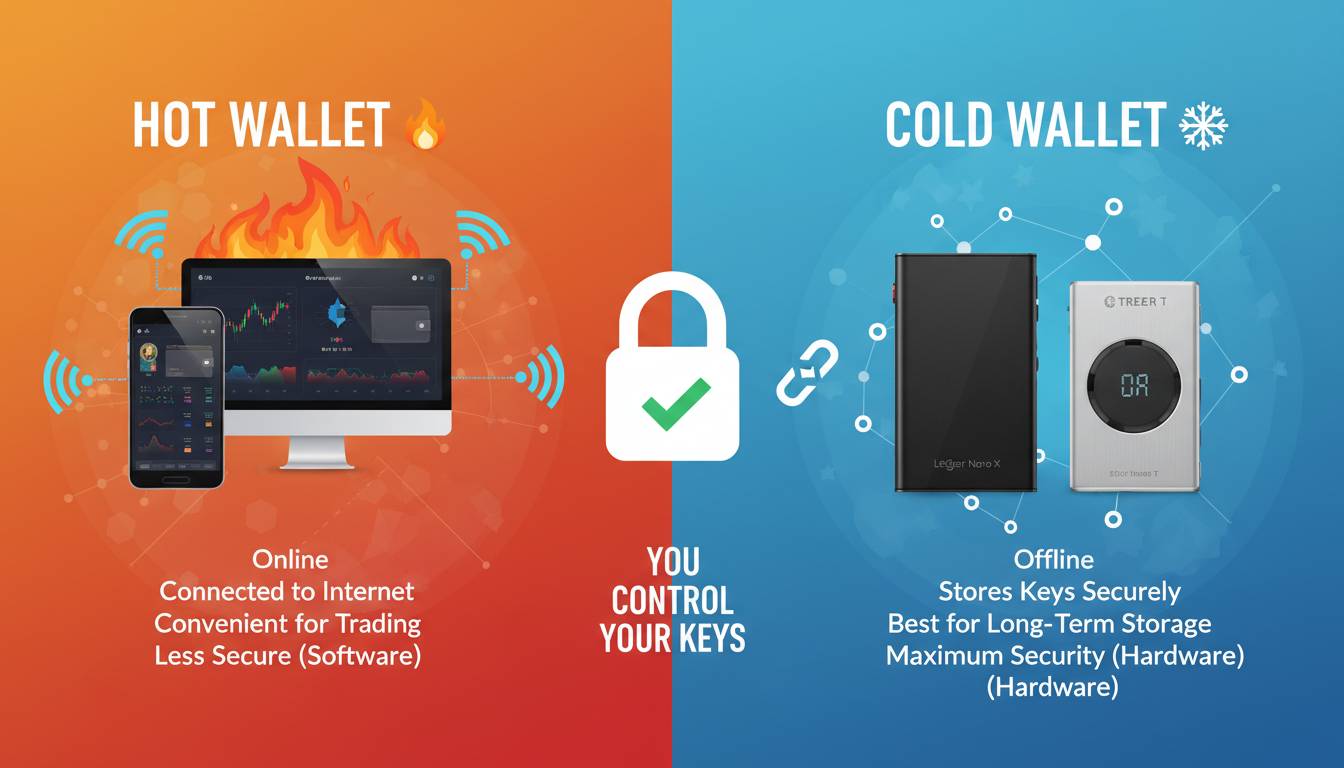
Pool configuration involves entering pool server addresses, worker credentials, and wallet addresses where earnings will be deposited. Security best practices include using worker subaccounts rather than main wallet addresses, enabling two-factor authentication on pool accounts, and considering hardware wallet storage for accumulated earnings.
Initial testing should begin with conservative settings before pushing hardware to maximum performance. Monitoring temperatures closely during the first hours of operation identifies cooling deficiencies before they cause hardware damage. Most mining software provides default configurations suitable for initial testing, with tuning adjustments made gradually based on observed performance and stability.
Frequently Asked Questions
Is Bitcoin mining still profitable in 2024?
Bitcoin mining profitability depends heavily on electricity costs, hardware efficiency, and Bitcoin’s market price. With current network difficulty and typical US electricity rates, mining with efficient modern ASIC hardware can still generate profits, though margins have tightened significantly compared to previous bull markets. Potential miners should calculate specific break-even points based on their exact electricity costs and hardware before investing.
What is the best free Bitcoin mining software?
CGMiner and BFGMiner are the most established free options, offering full-featured mining capabilities without subscription costs. Both are open-source with decades of development behind them. EasyMiner provides free graphical interface options for users preferring visual interfaces. Free software lacks the management features of paid platforms but offers excellent core functionality.
Can I mine Bitcoin with a regular computer?
CPU and basic GPU mining for Bitcoin is no longer economically viable. The Bitcoin network’s difficulty is so high that consumer hardware cannot compete effectively, earning fractions of cents while consuming significant electricity. Specialized ASIC hardware is required for profitable Bitcoin mining. However, many alternative cryptocurrencies remain mineable with consumer hardware.
How much does mining software cost?
Mining software ranges from completely free (CGMiner, BFGMiner, EasyMiner) to subscription models (HiveOS from $3/worker monthly, MinerStat from $2/worker monthly). Some platforms offer free tiers with limited features. The cost should be weighed against management capabilities provided, particularly for operations with multiple rigs.
Do I need a wallet to use mining software?
Yes, mining software requires a Bitcoin wallet address to direct earned rewards. Hardware wallets provide the highest security for accumulated earnings, while software wallets offer convenience for smaller amounts. Some mining pools provide wallet services, though self-custody is generally recommended for security.
How do I switch between different mining software?
Switching software involves uninstalling or stopping the current program, installing new software, and configuring pool and wallet settings anew. Configuration files from one software generally cannot transfer directly to another. Back up wallet addresses and pool credentials before making changes to ensure earnings continue without interruption.
Conclusion
Bitcoin mining software selection significantly impacts operational efficiency and profitability, but represents just one component of successful mining operations. The optimal choice depends on technical expertise, scale of operations, hardware configuration, and budget constraints. Free options like CGMiner provide powerful capabilities for technically skilled miners willing to navigate command-line interfaces. Subscription platforms like HiveOS offer management tools that justify costs for larger operations requiring fleet coordination.
Regardless of software choice, realistic expectations about profitability are essential. Bitcoin mining involves substantial upfront investment in hardware, ongoing electricity costs, and exposure to volatile cryptocurrency markets. Potential miners should conduct thorough financial calculations accounting for all costs before committing capital. Consulting with experienced miners and starting with small-scale testing before major investment helps validate operational assumptions and identify potential issues before they become costly problems.