
Sustainable Living Tips: Zero Waste Habits That Actually Work

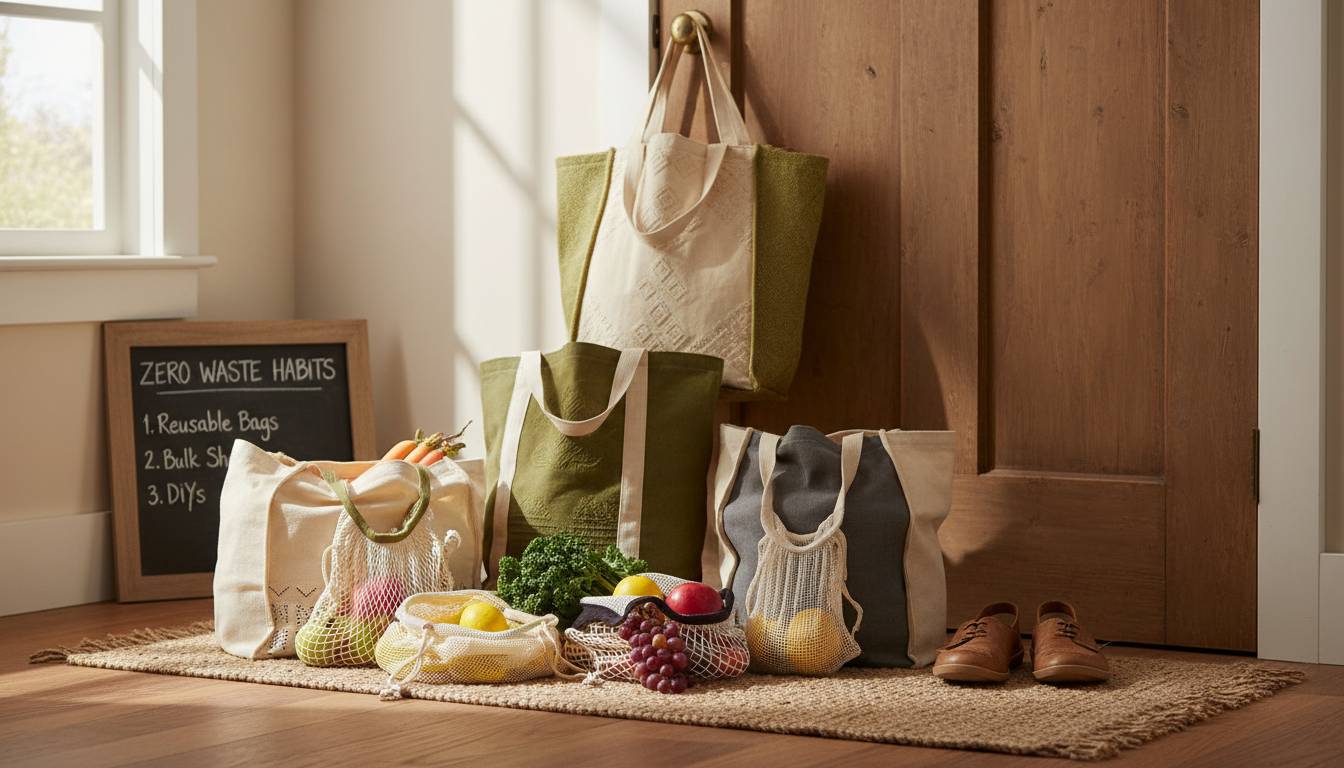
Living sustainably and reducing waste has evolved from a niche lifestyle choice into a mainstream priority for millions of Americans. With plastic pollution filling oceans, landfills reaching capacity, and climate concerns mounting, the question is no longer whether to adopt zero waste habits, but which ones genuinely make a difference. This guide cuts through the noise to deliver practical, research-backed strategies that real people can implement today without overhauling their entire lives.
Understanding the Zero Waste Philosophy
The zero waste movement centers on redesigning resource life cycles so that all materials can be reused, repurposed, or recycled back into the economy. The Environmental Protection Agency (EPA) estimates that the average American generates about 4.9 pounds of trash daily, with only about 32% being recycled. This means roughly 67% of waste ends up in landfills or incinerators, contributing to greenhouse gas emissions and environmental degradation.
The concept isn’t about achieving absolute zero waste—that’s unrealistic for most households. Instead, it’s about progressively reducing your environmental footprint through mindful consumption. Research from sustainability organizations consistently shows that the most effective approach focuses on the hierarchy of priorities: refuse what you don’t need, reduce what you do need, reuse what you have, rot (compost) organic waste, and recycle as a last resort.
What makes some zero waste habits succeed where others fail is authenticity. Habits that integrate seamlessly into existing routines stick. Those requiring significant time, expense, or lifestyle disruption typically fade within weeks. The sustainable living tips that follow have been selected because they balance environmental impact with practical feasibility for average households.
Kitchen Transformations: Where the Biggest Impact Happens
The kitchen generates more household waste than any other area—food packaging, food scraps, containers, and disposable items combine to create a substantial environmental burden. Making changes here produces the most immediate and measurable results.
Food Waste Reduction
Americans waste approximately 30-40% of all food purchased, according to USDA estimates. This represents both an environmental issue and a financial one, with the average family losing $1,500 annually to uneaten food. Combatting this begins with smarter shopping habits.
Planning weekly meals before grocery shopping dramatically reduces impulse purchases that end up forgotten and spoiled. Keeping a running inventory of what’s already in the pantry, refrigerator, and freezer prevents buying duplicates. Understanding expiration dates helps too—”sell by” dates indicate when stores should sell products for quality purposes, not when consumers should discard them. “Best by” dates suggest peak quality but don’t mean food is unsafe immediately afterward.
Proper food storage extends freshness significantly. Leafy greens last longer when stored with a paper towel to absorb moisture. Berries stay fresh longer when washed only before eating. Herbs like cilantro and parsley thrive when stems are placed in water like bouquets. Bread freezes beautifully and thaws in minutes for toast or sandwiches.
Composting: Closing the Loop
Food scraps comprise roughly 30% of typical household waste. Composting transforms banana peels, coffee grounds, eggshells, and vegetable trimmings into nutrient-rich soil amendment instead of landfill burden.
Even apartment dwellers can compost through municipal programs, community gardens, or compact countertop systems like vermicomposting (worm bins). The EPA reports that composting reduces landfill waste significantly while also decreasing the need for chemical fertilizers when gardening.
For those not ready for full composting, even small steps matter. Keep a container for collectible items like coffee grounds (many coffee shops gladly accept these for composting) or fruit and vegetable scraps that can go to local community gardens.
Bathroom and Personal Care Adjustments
Reducing Plastic in Personal Care
The personal care industry generates enormous plastic waste, with billions of bottles ending up in landfills annually. Switching to bar soaps instead of liquid body wash eliminates plastic bottles entirely. Most bar soaps work just as effectively and often cost less per use.
Shampoo and conditioner bars have improved dramatically in recent years, with many matching or exceeding the performance of bottled equivalents. These eliminate the need for plastic bottles entirely and typically last longer—one bar can equal two to three bottles of liquid product.
For dental care, bamboo toothbrushes replace plastic ones entirely. Most conventional toothbrushes take over 400 years to decompose in landfills. Bamboo alternatives are biodegradable and widely available at similar price points. Toothpaste tablets or powders in recyclable packaging represent another plastic-free option gaining popularity.
Water Conservation
Sustainable living extends beyond waste reduction to resource conservation. The average American uses 80-100 gallons of water daily, with bathrooms accounting for over half of indoor water use.
Simple fixes include fixing leaky faucets promptly (a drip can waste 3,000 gallons annually), installing low-flow showerheads (saving up to 2,900 gallons per year for a family of four), and taking shorter showers. Turning off the tap while brushing teeth saves up to 8 gallons daily per person.
Shopping Smarter: Conscious Consumption
Choosing Products with Less Packaging
Whenever possible, selecting products with minimal or recyclable packaging reduces waste before it enters your home. Buying in bulk using reusable containers eliminates packaging entirely for many staples—rice, pasta, cereals, nuts, and cleaning supplies can all be purchased from bulk bins using your own jars or bags.
Farmers markets and local co-ops often offer less packaging than conventional grocery stores. Bringing reusable produce bags (rather than accepting plastic ones) makes a small but meaningful difference. Many stores now allow customers to fill their own containers for bulk items.
When packaged products are necessary, choosing recyclable materials helps. Glass and metal are infinitely recyclable; plastic recycling varies by type. Understanding local recycling guidelines matters—contaminating recycling with non-recyclable items can cause entire loads to be diverted to landfills.
Quality Over Quantity
The most sustainable product is often one you don’t need to replace frequently. Investing in well-made items that last years—even if initially more expensive—reduces long-term waste and often saves money. A quality cast iron skillet, for instance, can last generations while cheap nonstick pans require replacement every few years.
This principle applies across categories: clothing, furniture, tools, and everyday items. The “fast fashion” model of inexpensive, disposable clothing creates enormous textile waste. Choosing durable, timeless pieces that mix and match reduces both waste and the frequency of shopping trips.
Sustainable Practices Beyond the Home
Transportation Choices
Transportation accounts for about 29% of greenhouse gas emissions in the United States. Reducing car trips, combining errands, and choosing fuel-efficient or electric vehicles all help. For shorter trips, walking or cycling provides health benefits alongside environmental ones.
Public transportation, when available, dramatically reduces per-person emissions. Carpooling shares the environmental burden among multiple passengers. Even small changes, like consolidating shopping trips into single journeys rather than multiple separate ones, accumulate over time.
Supporting Sustainable Businesses
Where you spend money signals what you value. Choosing businesses committed to sustainability—those using renewable energy, reducing packaging, paying fair wages, and sourcing responsibly—encourages more companies to adopt similar practices. Many companies now prominently feature their sustainability credentials, making informed choices easier.
Building Lasting Habits
Start Small and Be Patient
Attempting to transform every aspect of your life simultaneously typically leads to overwhelm and abandonment. Sustainable living works better as an incremental journey. Pick one change, practice it until it becomes routine (research suggests 21-66 days for forming new habits), then add another.
Tracking progress helps maintain motivation. Some people use apps to monitor waste reduction; others simply notice how much less they throw away. Either approach reinforces positive behavior.
Community and Sharing
Joining local sustainability groups provides support, advice, and resources. Community tool libraries let neighbors share expensive equipment rather than each household purchasing rarely-used items. Freecycle and similar programs connect people giving away unwanted items with those who can use them, keeping goods out of landfills.
Frequently Asked Questions
How expensive is it to start living more sustainably?
Many sustainable living changes actually save money long-term, though some initial investments may be required. Composting reduces garbage bags needed. Buying fewer but higher-quality items means less frequent replacements. Reducing food waste directly saves hundreds of dollars annually. Many zero waste essentials—like reusable shopping bags, beeswax wraps, and bar soaps—cost the same or less than their disposable counterparts.
Do zero waste habits really make a difference when major corporations produce most pollution?
Individual actions matter because they create demand for sustainable products and practices. When millions of people choose reusable bags, companies notice and respond. Beyond that, the aggregate effect is substantial—if every American household reduced waste by even 10%, that would eliminate millions of tons of landfill waste annually. Furthermore, personal sustainability practices often influence family, friends, and social networks, creating ripple effects.
What if I live in an apartment without composting options?
Many municipalities offer curbside composting programs or drop-off locations. Community gardens often welcome food scraps. Countertop composters using electric mechanisms or worm bins work in small spaces. If none of these exist in your area, contacting local officials about starting programs can create change. Even freezing food scraps until disposal becomes possible prevents odor issues.
How do I start reducing food waste if I already throw away a lot?
Begin by tracking what you actually throw away for one or two weeks. This reveals patterns—are you buying too much fresh produce? Letting leftovers spoil? Overcooking? Once you identify the problems,针对性的 solutions become clearer. Shopping more frequently in smaller quantities, meal planning, proper storage, and using leftovers creatively all address common issues.
Is it realistic to go completely zero waste?
For most people, absolute zero waste isn’t practical or necessary. The goal is meaningful reduction, not perfection. Even committed zero waste advocates generate some waste; the focus is on continuous improvement. Small changes made by millions of people create substantial collective impact.
Which sustainable changes have the biggest environmental impact?
Food waste reduction typically tops the list because it addresses both waste generation and the environmental cost of food production. Reducing meat consumption, particularly beef, significantly lowers carbon footprint. Driving less and choosing sustainable transportation options also produce major benefits. Prioritizing high-impact changes first maximizes environmental benefit.
Conclusion
Adopting zero waste habits doesn’t require perfection—it requires progress. The sustainable living tips throughout this guide address real lifestyle needs while reducing environmental impact. Start with changes that fit easily into your current routine, build from there, and remember that imperfect sustainable choices beat perfect but abandoned ones. Every piece of plastic refused, every meal planned to reduce waste, and every conscious purchasing decision moves both you and the planet toward a more sustainable future.