
Low Carb Diet Meal Plan – 7-Day Menu for Quick Weight Loss

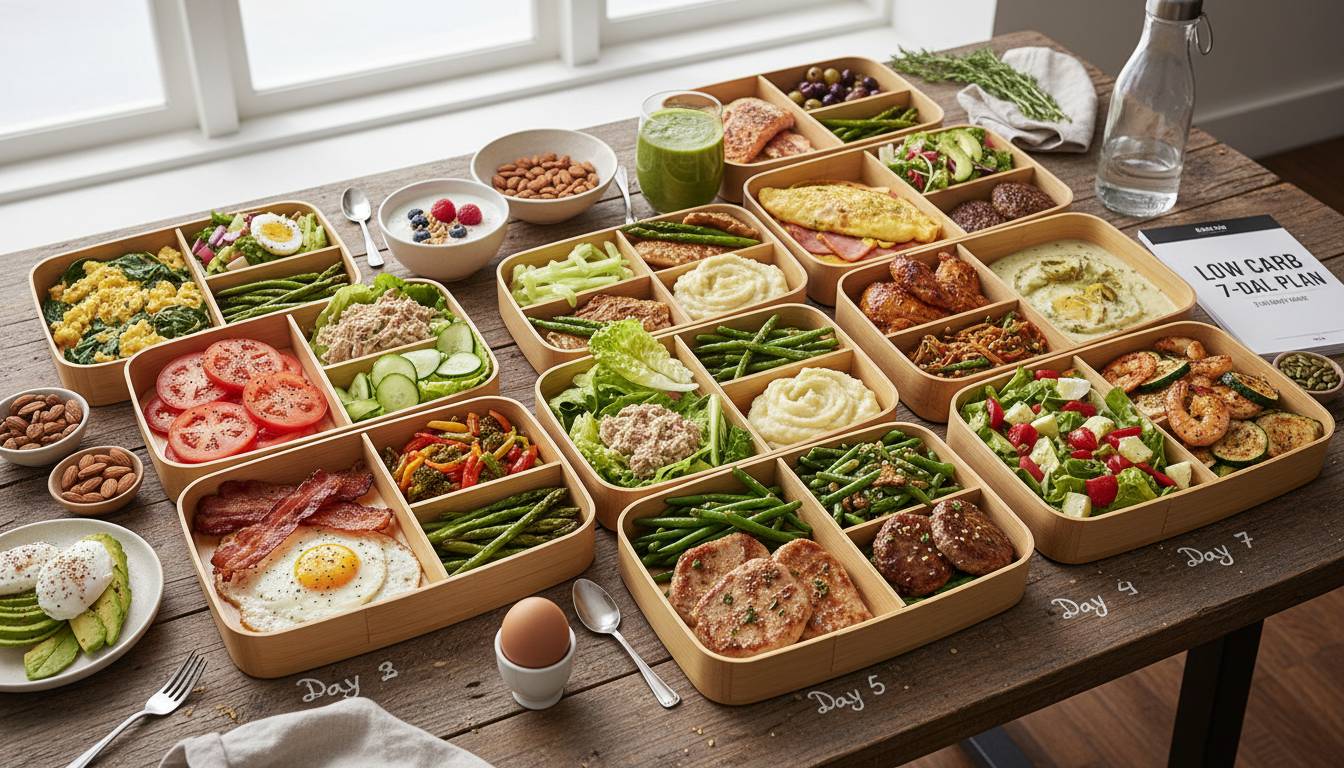
Switching to a low carb diet can feel overwhelming at first, especially when you’re trying to figure out what to eat for breakfast, lunch, and dinner. The good news is that with some planning, you can eat satisfying, flavorful meals while still keeping your carbohydrate intake under control. This comprehensive guide provides a complete 7-day meal plan designed to help you lose weight while eating delicious food that keeps you full and energized throughout the day.
Research consistently shows that low carb diets are effective for weight loss, particularly in the initial phases. When you reduce carbohydrates, your body shifts from using glucose as its primary fuel source to burning stored fat for energy. This metabolic switch, called ketosis, can help suppress appetite and accelerate fat loss. However, success depends on choosing the right foods and sticking to your plan consistently.
This meal plan provides approximately 1,400-1,600 calories daily with net carbs limited to 20-50 grams per day, which is ideal for most people looking to lose weight. You can adjust portion sizes based on your individual calorie needs and activity level.
Understanding the Low Carb Diet
A low carb diet focuses on reducing foods that are high in carbohydrates, particularly refined grains, sugars, and starchy vegetables. Instead, the diet emphasizes protein-rich foods, healthy fats, and low carb vegetables. The exact definition of “low carb” varies, but most plansaim to keep daily net carbs between 20 and 100 grams, depending on your goals.
The diet works because carbohydrates are your body’s preferred energy source. When you eat carbs, your body breaks them down into glucose, which enters your bloodstream and raises blood sugar levels. In response, your pancreas releases insulin to help transport glucose into cells for energy. When you consistently eat high carb meals, insulin levels remain elevated, which promotes fat storage and makes it difficult to burn stored fat.
By contrast, when you limit carbs, your insulin levels drop significantly. This allows your body to access stored fat for energy more efficiently. Additionally, protein and fat are more satiating than carbohydrates, which naturally reduces calorie intake without feeling deprived.
Foods to Eat on a Low Carb Diet
Understanding which foods fit into a low carb lifestyle is essential for planning your meals and staying on track. Focus on these food categories:
Proteins: Eggs, chicken breast, turkey, ground beef, salmon, tuna, shrimp, tofu, tempeh, and Greek yogurt provide essential amino acids while keeping carb counts low. Aim for protein at every meal to maintain muscle mass and feel satisfied.
Healthy Fats: Olive oil, avocado, coconut oil, butter, nuts, and seeds add flavor and help you feel full. Don’t fear fat—it provides essential fatty acids and helps your body absorb fat-soluble vitamins.
Low Carb Vegetables: Leafy greens like spinach, kale, and lettuce are extremely low in carbs. Other excellent choices include broccoli, cauliflower, zucchini, bell peppers, asparagus, and cucumbers. These vegetables provide fiber, vitamins, and minerals without spiking blood sugar.
Cheese and Dairy: Most cheeses contain minimal carbs, making them excellent snacks and meal additions. Heavy cream, cream cheese, and full-fat dairy products fit well into a low carb plan.
Fruits (in moderation): Berries are the lowest carb fruits and can be enjoyed in small quantities. Avocados are technically a fruit but are very low in net carbs and high in healthy fats.
Foods to Avoid
Certain foods are high in carbohydrates and can quickly derail your progress. Avoid or minimize these items:
- Bread, pasta, rice, and other grain-based foods
- Potatoes, corn, and other starchy vegetables
- Sugar and sugary foods including candy, soda, and baked goods
- Most fruits (especially bananas, grapes, and mangoes)
- Beans and legumes (though small portions of lentils may work for some)
- Low-fat dairy products (often contain added sugars)
- Processed foods and snacks
7-Day Low Carb Meal Plan
This meal plan provides variety and balanced nutrition while keeping carbs low. Each day includes breakfast, lunch, dinner, and one snack.
Day 1
Breakfast: Three eggs scrambled with spinach and feta cheese, cooked in olive oil. Side of half an avocado.
Lunch: Grilled chicken breast salad with mixed greens, cucumber, cherry tomatoes, and olive oil vinaigrette dressing.
Snack: A handful of almonds (about 23 nuts) with string cheese.
Dinner: Baked salmon fillet with roasted broccoli and cauliflower, drizzled with butter and lemon juice.
Day 2
Breakfast: Greek yogurt parfait with full-fat Greek yogurt, a handful of blueberries, and crushed walnuts.
Lunch: Turkey lettuce wraps using large romaine leaves filled with ground turkey, diced cucumber, and cream cheese.
Snack: Celery sticks with cream cheese dip.
Dinner: Beef stir-fry with bell peppers, broccoli, and snap peas cooked in coconut aminos (a low carb soy sauce alternative) over cauliflower rice.
Day 3
Breakfast: Two-egg omelet with diced ham, mushrooms, and cheddar cheese. Side of sliced tomato.
Lunch: Tuna salad made with mayo, diced celery, and onion, served on a bed of mixed greens.
Snack: Hard-boiled egg with everything bagel seasoning.
Dinner: Grilled pork chops with sautéed green beans in garlic butter and a small side of mashed cauliflower.
Day 4
Breakfast: Chia seed pudding made with unsweetened coconut milk, chia seeds, and a splash of vanilla extract, topped with sliced strawberries.
Lunch: Chicken caesar salad (hold the croutons) with parmesan cheese and caesar dressing made with olive oil.
Snack: Pepper slices with cream cheese andEverything seasoning.
Dinner: Shrimp scampi over zucchini noodles with garlic butter sauce.
Day 5
Breakfast: Bacon and eggs with a side of sautéed kale in garlic.
Lunch: Broccoli cheese soup (homemade with heavy cream, no flour thickener) with a side salad.
Snack: Macadamia nuts with a piece of string cheese.
Dinner: Grilled chicken thighs with roasted Brussels sprouts and a drizzle of balsamic vinegar reduction.
Day 6
Breakfast: Low carb pancakes made with cream cheese, eggs, and almond flour, topped with sugar-free maple syrup and butter.
Lunch: Egg salad lettuce wraps with diced pickles and dill, served with cucumber slices.
Snack: Pork rinds with guacamole.
Dinner: Ribeye steak with grilled asparagus and a compound butter made with herbs and garlic.
Day 7
Breakfast: Veggie frittata muffins made with eggs, bell peppers, onions, and cheese.
Lunch: Chef salad with ham, turkey, cheese, egg, and mixed greens with ranch dressing.
Snack: Cucumber rounds with tuna salad.
Dinner: Baked cod with lemon herb butter, steamed green beans, and a small serving of roasted radishes with olive oil.
Tips for Success on Your Low Carb Journey
Starting a low carb diet requires some adjustments, but these strategies can help you stay consistent and achieve your weight loss goals.
Plan Ahead: Meal prepping on weekends saves time during busy weekdays. Cook proteins in batch, wash and chop vegetables, and portion out snacks. Having ready-to-eat low carb options prevents reaching for convenient high-carb foods.
Stay Hydrated: Drinking plenty of water helps manage hunger and supports metabolism. Aim for at least 8 glasses daily, more if you’re active. Some people also find that increasing electrolyte intake (sodium, potassium, magnesium) helps with the initial adjustment period.
Read Labels Carefully: Many products marketed as “low carb” still contain hidden sugars and carbs. Check nutrition labels for added sugars and total carbohydrate count, including fiber to calculate net carbs (total carbs minus fiber).
Don’t Skip Fat: Many people make the mistake of eating only lean proteins and low-fat foods. Healthy fats are essential for feeling satisfied and maintaining proper hormone function. Embrace olive oil, avocado, nuts, and full-fat dairy.
Be Patient: Weight loss may be rapid in the first week or two due to water weight, then often stabilizes. Non-scale victories like improved energy, better sleep, and reduced cravings are equally important indicators of success.
Potential Side Effects and How to Manage Them
When transitioning to a low carb diet, your body may experience temporary side effects often called the “keto flu.” These symptoms can include headaches, fatigue, irritability, and brain fog. These effects typically last a few days to two weeks and can be minimized by:
Staying hydrated and replenishing electrolytes through bone broth, salt, and potassium-rich foods like avocados and leafy greens. Gradually reducing carbs rather than cutting them all at once can also help ease the transition.
Frequently Asked Questions
How many carbs can I eat per day to lose weight?
Most people can achieve weight loss with 20-50 grams of net carbs per day. This amount typically puts your body into a fat-burning state. However, your ideal intake depends on factors like activity level, metabolism, and personal tolerance. Some people may lose weight at 50-100 grams daily, while others need to stay under 20 grams for optimal results.
Can I eat fruit on a low carb diet?
Small amounts of low-sugar fruits can fit into a low carb diet. Berries are the best choice—strawberries, blueberries, raspberries, and blackberries are relatively low in carbs and high in antioxidants. Limit portions to a half cup to one cup per day. Avoid most other fruits, as they contain significantly more sugar and carbs.
Is a low carb diet safe for everyone?
Low carb diets are generally safe for healthy adults. However, people with certain medical conditions like diabetes, kidney disease, or eating disorders should consult a healthcare provider before starting. Pregnant and breastfeeding women may also need to adjust their carbohydrate intake differently. Always talk to your doctor before making significant dietary changes.
Will I feel hungry on a low carb diet?
Many people actually feel less hungry on low carb diets compared to high carb plans. Protein and fat are more satiating than carbohydrates, which naturally reduces appetite. Staying well-hydrated and eating adequate calories also helps manage hunger. If you feel excessively hungry, try adding more healthy fats or increasing protein portions.
How quickly will I see results on this meal plan?
Many people experience weight loss within the first week, often several pounds, primarily from water weight as your body depletes glycogen stores. Sustainable fat loss typically begins after the first few weeks and continues at a rate of 1-2 pounds per week for most people. Individual results vary based on starting weight, activity level, and adherence to the plan.
Do I need to count calories on a low carb diet?
While you don’t need to strictly count calories, awareness of portion sizes helps. Some people naturally eat less on low carb diets due to reduced appetite. However, overeating even low carb foods can prevent weight loss. Focus on eating until satisfied, not stuffed, and choose nutrient-dense foods over processed alternatives.
Conclusion
A low carb diet can be an effective approach for weight loss when followed consistently. This 7-day meal plan provides a practical starting point with delicious, satisfying meals that keep you energized while promoting fat loss. Remember that success comes from focusing on whole, minimally processed foods, staying hydrated, and being patient with your progress.
Start by trying this meal plan for one week and assess how your body responds. Adjust portions and food choices based on your energy levels, hunger, and weight loss results. With dedication and consistency, you can achieve your weight loss goals while enjoying flavorful, satisfying meals every day.