Cold Storage Crypto: Secure Your Assets Now

Introduction
In 2024 alone, cryptocurrency investors lost over $1.8 billion to hacks, scams, and security breaches. More than 20% of all Bitcoin in circulation has been permanently lost due to forgotten passwords, failed hardware, and inadequate security practices. These aren’t just statistics—they represent real people who watched their life savings disappear because they relied on “good enough” security for their digital assets.
If you hold cryptocurrency worth more than a few hundred dollars, the question isn’t whether you need cold storage—it’s why you haven’t implemented it yet.
Cold storage crypto solutions represent the gold standard for protecting digital assets from online threats. Unlike hot wallets connected to the internet, cold storage keeps your private keys completely offline, creating an almost impenetrable barrier against hackers, malware, and phishing attacks. This article will walk you through everything you need to know about securing your crypto holdings with cold storage—from understanding the fundamental concepts to implementing a complete security strategy tailored to your needs.
Whether you’re a casual investor with a few hundred dollars in Bitcoin or a serious collector managing seven figures in digital assets, the principles of cold storage remain the same. The difference lies in implementation details, and we’ll cover both basic and advanced approaches.
What Is Cold Storage Crypto?
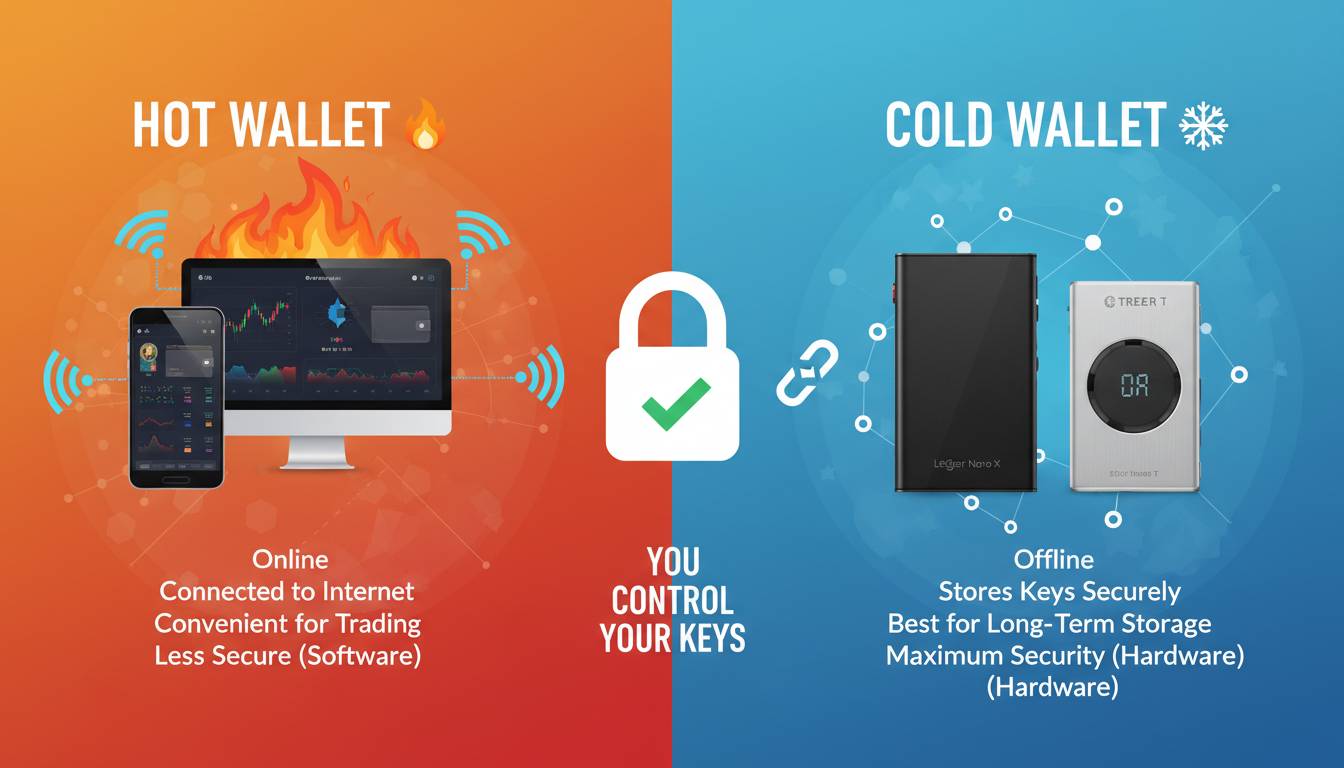
Cold storage refers to the practice of keeping cryptocurrency private keys in an offline environment, completely disconnected from the internet. Your coins don’t actually live in your wallet—they exist on the blockchain. What you protect is your private key, the cryptographic password that authorizes transactions. Whoever controls your private key controls your crypto.
When you use a hot wallet (any wallet connected to the internet), your private keys are stored on a device or server that hackers can potentially access. Cold storage eliminates this attack vector by ensuring your keys never touch an internet-connected device during normal operation.
How It Works
The process involves generating and signing transactions on an offline device, then broadcasting only the signed transaction to the network. This means your private key never leaves its secure environment. Even if a hacker compromises your computer or phone, they cannot access funds because the keys simply aren’t there.
Key components of cold storage include:
- Private keys: The cryptographic strings that authorize blockchain transactions
- Seed phrases: Usually 12 or 24 words that can regenerate your private keys
- Signing device: The offline environment where transactions are created
- Broadcasting mechanism: A separate internet-connected device that only transmits signed transactions
Why Cold Storage Matters: The Threat Landscape
The Reality of Crypto Theft
Cryptocurrency exchanges and wallet services face constant attacks. In 2023, centralized exchanges experienced over 40 major security incidents, resulting in losses exceeding $2 billion. But exchange hacks represent only a fraction of losses—individual wallet compromises, phishing attacks, and SIM-swapping scams have devastated countless investors.
The fundamental vulnerability of hot wallets stems from their constant internet connectivity. Every device connected to the internet presents a potential entry point for malware, ransomware, or direct hacking attempts. Even security-conscious users fall victim to sophisticated phishing campaigns that mimic legitimate exchanges or wallet interfaces.
Why Hot Wallets Fail
Hot wallets offer convenience—they’re perfect for small amounts you plan to trade frequently. However, they carry inherent risks that cold storage eliminates:
Server-side breaches occur when exchange or wallet service databases get hacked. Even major platforms with sophisticated security have suffered devastating breaches. Mt. Gox lost 850,000 Bitcoin (worth over $450 million at the time) in 2014, and customers are still recovering funds nearly a decade later.
Device malware can log keystrokes, capture clipboard contents, or inject malicious code into transaction requests. A single compromised app or browser extension can drain a hot wallet in seconds.
Phishing attacks have become increasingly sophisticated. Attackers create perfect replicas of exchange login pages, wallet interfaces, and even customer support chats. When you enter your credentials, you hand hackers everything they need.
SIM-swapping exploits weaknesses in mobile carrier security. Attackers transfer your phone number to their device, then use it to bypass two-factor authentication and access your accounts.
Types of Cold Storage Solutions
Hardware Wallets
Hardware wallets represent the most popular cold storage solution for individual investors. These specialized devices store private keys on secure chips that never expose the keys to the internet. When you need to sign a transaction, the hardware wallet handles all cryptographic operations internally.
Leading hardware wallet options:
| Device | Price | Security Features | Best For |
|---|---|---|---|
| Ledger Nano X | $149 | Secure element, PIN, passphrase | General users, mobile |
| Trezor Model T | $239 | Open-source, touch screen | Security enthusiasts |
| Ledger Nano S Plus | $79 | Secure element, entry-level | Budget-conscious users |
| Coldcard Mk4 | $159 | Air-gapped, QWERTY keyboard | Bitcoin maximalists |
Hardware wallets balance security with usability. They work with multiple cryptocurrencies, integrate with popular wallet software, and include backup recovery options through seed phrases.
Paper Wallets
A paper wallet is simply your private key and public address printed on paper. Because it’s entirely physical, there’s no digital attack surface. However, paper wallets require careful creation (ideally on an offline computer using verified tools) and secure physical storage.
Paper wallets work best for long-term “cold” holdings you don’t plan to access frequently. They’re immune to digital theft but vulnerable to physical damage, loss, and human error.
Air-Gapped Computers
Creating a dedicated offline computer that never connects to the internet provides maximum security. You generate keys on this machine, sign transactions using specialized software, and transfer signed transactions via QR codes or USB drives to an internet-connected device.
This approach requires more technical expertise but offers transparency—you can verify exactly what software runs on your air-gapped machine. Privacy-focused investors and those storing significant value often prefer this method.
Steel Wallets
Steel wallets (like CryptoSteel or Billfodl) protect seed phrases from fire, water, and physical damage. Instead of paper, your recovery words get stamped into stainless steel plates. These are backup solutions rather than primary storage—they protect your ability to recover funds if your primary method fails.
How to Set Up Cold Storage: A Practical Guide
Step 1: Purchase Your Hardware
Only buy hardware wallets directly from the manufacturer or authorized resellers. Never purchase used devices or buy from auction sites—compromised hardware wallets represent a well-documented attack vector. When your device arrives, verify the packaging hasn’t been tampered with.
Step 2: Initialize Securely
BeginSetup your hardware wallet on a private network—avoid public WiFi. The initialization process will guide you through creating a new wallet, generating a fresh seed phrase. This happens entirely on the device, ensuring your keys never exist anywhere but on the hardware wallet.
Write down your seed phrase carefully:
- Use the manufacturer-provided cards or high-quality paper
- Write legibly in permanent ink
- Double-check every word against the device display
- Never photograph your seed phrase
- Never type it into any computer or phone
Step 3: Create Backups
Your seed phrase is your ultimate recovery tool. Create multiple backups stored in separate secure locations. Many experts recommend three copies: one in your home, one in a bank safe deposit box, and one with a trusted family member in a different location.
Consider splitting your seed phrase using Shamir’s Secret Sharing—dividing the words among different locations so no single point of failure exists.
Step 4: Test Recovery
Before depositing significant funds, perform a test recovery. Send a small amount to your new wallet, then deliberately “lose” access by resetting your device. Use your seed phrase to recover the wallet and verify you can access the funds. This validates your backup process works correctly.
Step 5: Implement Ongoing Security
Your cold storage setup requires ongoing attention:
- Firmware updates: Regularly update your hardware wallet firmware when manufacturers release security patches
- PIN management: Use a strong PIN and never share it
- Passphrase protection: Most hardware wallets support an additional passphrase beyond the seed phrase—enable this feature for enhanced security
- Verify addresses: Always verify receive addresses on the device itself, not your computer screen, to prevent malware that swaps addresses
Common Cold Storage Mistakes to Avoid
Mistake #1: Storing Seed Phrases Digitally
Writing your seed phrase in a text file, taking a photo, or saving it in a password manager defeats the entire purpose of cold storage. Digital copies can be hacked, backed up to cloud services, or recovered from device memory. Your seed phrase should exist only in physical form.
Mistake #2: Buying Used Hardware
Purchasing secondhand hardware wallets, even from seemingly trustworthy sellers, introduces unacceptable risk. Compromised devices may appear functional while secretly exfiltrating your seed phrases. Only buy new, sealed devices from authorized channels.
Mistake #3: Single Points of Failure
Storing your only seed copy in your home creates a single point of failure—fire, flood, theft, or simple misplacement can cause permanent loss. Distribute backups across multiple locations.
Mistake #4: Ignoring Physical Security
Digital security means nothing if someone can simply steal your hardware wallet and guess your PIN. Store hardware wallets in secure locations, use strong PINs, and enable additional protections like passphrase encryption.
Mistake #5: Failing to Update
Hardware wallet manufacturers regularly release firmware updates that address newly discovered vulnerabilities. Running outdated firmware puts your funds at risk. Check for updates monthly and install them promptly.
Best Practices for Maximum Security
Layer Your Security
No single solution provides absolute protection. Implement multiple security layers:
- Hardware wallet as your primary storage
- Steel backup protecting your seed phrase
- Multi-signature setup for large holdings requiring multiple approvals
- Geographically distributed backups protecting against localized disasters
Consider Multi-Signature Wallets
For significant holdings or organizational assets, multi-signature (multisig) wallets require multiple private keys to authorize transactions. A 2-of-3 multisig setup, for example, needs any two of three keys to sign a transaction. This protects against single points of failure—whether from theft, loss, or key compromise.
Hardware wallet manufacturers and software wallets like Casa, Unchained Capital, and others offer multisig solutions with varying complexity and security models.
Maintain Operational Security
Cold storage protects your keys but doesn’t make you immune to social engineering. Never share your holdings publicly, verify all transaction details on your hardware device itself, and be skeptical of anyone requesting access to your wallet or seed phrase.
Conclusion
Cold storage isn’t optional for serious cryptocurrency holders—it’s essential. The threats are real, the attacks are constant, and the consequences of failure are absolute. Unlike bank accounts protected by insurance and regulation, cryptocurrency lost to hackers or forgotten keys is gone forever.
The good news: implementing robust cold storage doesn’t require technical expertise or enormous expense. A hardware wallet costing under $100, combined with proper seed phrase management, provides security that exceeds what most investors currently use.
Start with whatever amount makes you uncomfortable losing. Secure it properly. Then, as you gain confidence and accumulate more, expand your cold storage strategy. Your future self will thank you.
Frequently Asked Questions
What is the safest cold storage method for beginners?
A hardware wallet like the Ledger Nano S Plus or Trezor Model T offers the best balance of security and usability for beginners. These devices cost between $79-$239, work with most cryptocurrencies, and include clear setup instructions. They use secure elements to protect your private keys while remaining accessible enough for non-technical users.
Can cold storage be hacked?
While cold storage dramatically reduces attack surfaces compared to hot wallets, no security is absolutely foolproof. Potential attack vectors include compromised hardware during manufacturing or shipping, side-channel attacks on the device itself, or physical coercion. However, successfully attacking a properly implemented cold storage setup requires physical access to the device plus significant technical capability—making it vastly more secure than any internet-connected solution.
What happens if I lose my hardware wallet?
If you lose your hardware wallet, you can recover all funds using your seed phrase. Simply purchase a new hardware wallet (any compatible brand works), select “restore from seed” during setup, and enter your 12 or 24-word recovery phrase. Your cryptocurrency balance will appear on the new device. This is why securing your seed phrase properly is absolutely critical.
How much cryptocurrency should I keep in cold storage?
Any cryptocurrency you don’t actively trade should live in cold storage. There is no minimum amount—any value you care about protecting deserves cold storage. Many users keep their entire portfolio in cold storage except for small “spending amounts” in hot wallets. The convenience of quick access shouldn’t compromise security for funds you aren’t actively using.
Is paper wallet better than hardware wallet?
Paper wallets are less expensive but significantly more prone to human error. Creating a secure paper wallet requires technical knowledge to generate keys safely on an offline computer—doing it incorrectly can compromise your funds. Hardware wallets provide better protection against physical damage and include additional security features like PIN protection and passphrase encryption. For most users, hardware wallets offer superior security with better usability.