Top NFT Market Trends for Smart Collectors

The non-fungible token market has transformed dramatically since its 2021 peak, evolving from speculative frenzy into a more mature asset class with institutional interest and real-world utility. For smart collectors navigating this space, understanding current market dynamics isn’t just beneficial—it’s essential for preserving capital and identifying genuine value.
The NFT market in 2024 reflects a market that has consolidated, standardized, and found more sustainable use cases beyond pure speculation. Trading volumes have stabilized, buyer behavior has matured, and the distinction between fleeting hype collections and enduring digital assets has become increasingly clear.
Market Overview: From Mania to Maturity
The NFT market experienced unprecedented growth in 2021 and early 2022, with total trading volume reaching approximately $25 billion in 2021 before cooling significantly. However, what appears as contraction is actually healthy correction—the market has shed speculative excess while establishing foundations for sustainable growth.
Several key metrics illustrate this maturation:
Market structure has evolved from a predominantly retail-driven ecosystem to one increasingly shaped by institutional participants and established brands. Major companies including Nike, Adidas, Tiffany, and numerous entertainment conglomerates have launched NFT initiatives, lending legitimacy and liquidity to the space.
Blockchain infrastructure has improved substantially, with Ethereum maintaining dominance while alternative chains like Solana, Polygon, and Avalanche offer lower transaction costs for smaller collectors. This multi-chain reality has made NFT participation more accessible while creating interoperability challenges.
Marketplaces have consolidated around major platforms—OpenSea, Blur, and Magic Eden—providing better liquidity and price discovery than the fragmented landscape of 2021. This consolidation has benefits for collectors seeking competitive pricing and reliable transaction execution.
Trading Volume and Liquidity Patterns
Smart collectors recognize that trading volume serves as a critical indicator of market health and collection viability. Current trends reveal important patterns worth monitoring.
Institutional participation has increased meaningfully, with hedge funds and family offices allocating capital to blue-chip NFT collections. This development brings professional-grade analysis and longer holding periods, contributing to price stability in established collections.
Wash trading—artificially inflated volume through coordinated buying and selling—remains a concern, though improved detection and platform policies have reduced its prevalence. Savvy collectors now cross-reference multiple data sources and verify transaction authenticity before making allocation decisions.
Collection specialization has emerged as a dominant trend. Rather than diversifying broadly, successful collectors increasingly focus on specific categories: digital art (generative art, 1/1 pieces), utility tokens (membership, access), gaming assets, and identity/naming systems. Each category exhibits distinct risk-return profiles and requires different evaluation frameworks.
Blue-Chip Performance and Portfolio Construction
The concept of “blue-chip” NFTs—collections with established track records, strong communities, and perceived staying power—has become central to portfolio construction. While past performance doesn’t guarantee future results, understanding which collections have maintained value through market cycles provides valuable context.
Collections like Bored Ape Yacht Club, CryptoPunks, and Azuki have demonstrated relative resilience, though with significant volatility. Their continued relevance stems from several factors: strong community governance, regular utility expansion, and celebrity endorsement or adoption.
For smart collectors, portfolio construction now typically involves:
Core holdings in established collections with demonstrated longevity, representing 40-60% of allocated capital. These positions prioritize stability over explosive upside potential.
Speculative allocations to emerging artists or innovative concepts, limited to amounts collectors can afford to lose entirely. This approach allows participation in high-upside opportunities while managing downside risk.
Liquidity reserves maintained in stable assets, enabling opportunistic purchases during market dislocations. The NFT market’s relatively thin order books means significant price swings can occur rapidly, creating opportunities for prepared buyers.
Platform Ecosystem and Infrastructure Trends
The infrastructure supporting NFT transactions has matured considerably, affecting collector experience and market efficiency.
Marketplace competition has intensified, with platforms competing on fee structures, user experience, and exclusive drops. Blur’s aggressive token distribution model disrupted OpenSea’s dominance, while Magic Eden captured significant Solana market share. This competition benefits collectors through improved services and competitive pricing.
Fractional ownership platforms have gained traction, allowing collectors to purchase partial ownership of high-value NFTs. This development improves liquidity and accessibility but introduces new risk considerations around governance and valuation.
Identity and provenance systems have improved, with blockchain analysis tools becoming more sophisticated. Collections can now demonstrate authentic ownership history, reducing fraud risk while enabling verification of genuine rare pieces.
Cross-chain bridges and interoperability solutions continue developing, though significant challenges remain. Collectors holding assets across multiple blockchains face complexity in management and potential security risks during transfers.
Collector Behavior and Community Dynamics
The psychology of NFT collecting has evolved substantially, with community engagement emerging as a critical value driver.
Community-first approach now characterizes successful collections, with governance rights, exclusive access, and participatory decision-making creating stickiness beyond mere asset ownership. Collectors increasingly evaluate communities based on engagement quality, not just follower counts.
Utility accumulation has replaced pure speculation for many participants. Collections offering real-world benefits—event access, merchandise discounts, voting rights, intellectual property licensing—command premiums over purely decorative assets.
Long-term holding has become more prevalent as the market matures. The extreme day-trading culture of 2021 has given way to more measured approaches, with collectors accepting longer time horizons for value realization.
Philanthropic and social impact NFTs have gained visibility, with charitable collections and cause-related projects attracting collector interest beyond financial returns. This trend reflects broader cultural shifts toward conscious collecting.
Regulatory Landscape and Compliance Considerations
The regulatory environment surrounding NFTs remains somewhat uncertain, though clarity is gradually emerging.
Securities classification concerns have prompted careful drafting of collection terms and marketing materials. Collections increasingly emphasize utility and collectibility rather than investment returns, reducing securities law exposure.
Tax reporting requirements have become more explicit, with NFT transactions subject to capital gains treatment in most jurisdictions. Sophisticated collectors now integrate tax planning into their acquisition and disposition strategies.
Intellectual property considerations have gained prominence, particularly regarding collection licensing and derivative works. Understanding rights transferred upon purchase—and those retained by creators—has become essential due diligence.
Future Outlook and Strategic Positioning
Looking ahead, several developments appear likely to shape NFT market evolution.
Real-world asset tokenization represents a significant growth vector, with physical assets including real estate, art, and luxury goods increasingly represented as NFTs. This application brings traditional collectors into the space while creating new liquidity mechanisms.
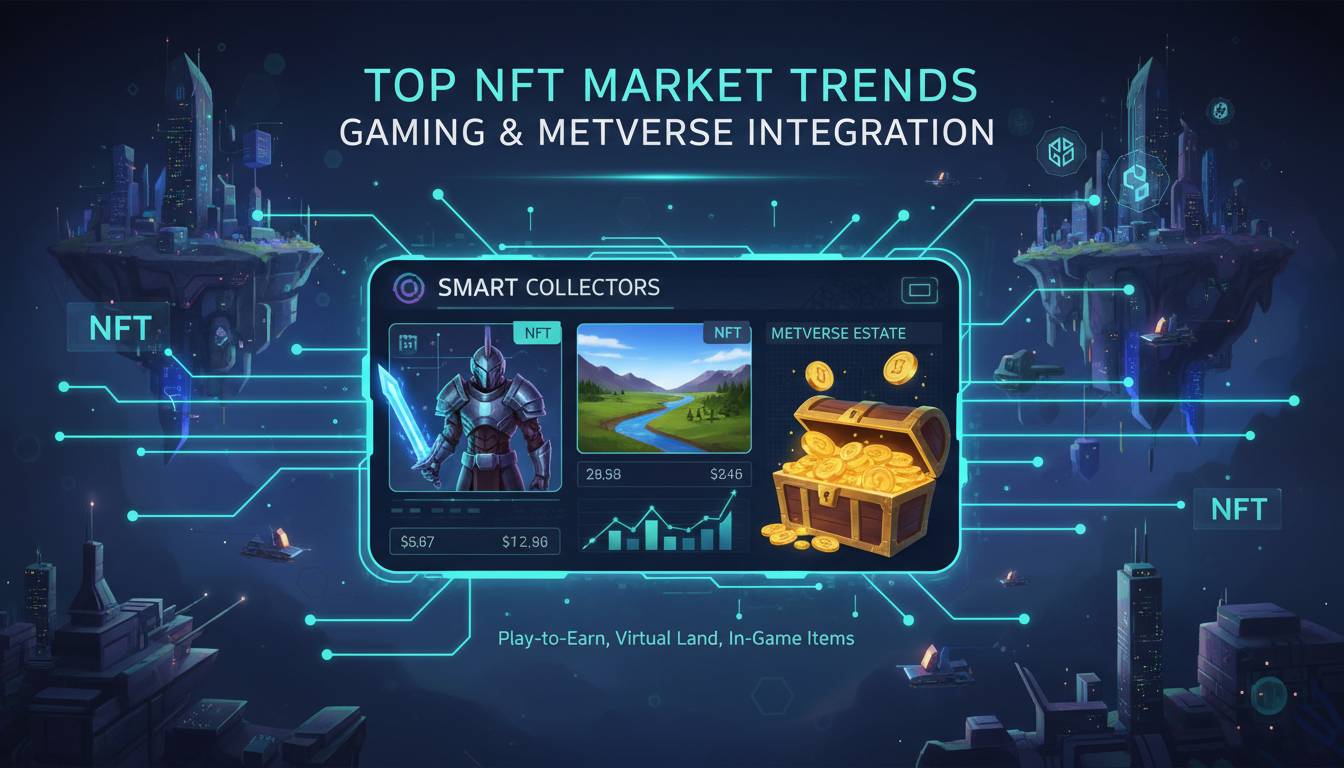
Gaming and metaverse integration continues developing, though the timeline remains uncertain. Play-to-earn models have faced criticism, but underlying blockchain gaming infrastructure continues advancing.
Enterprise adoption appears poised for growth, with brands exploring NFT applications for customer engagement, loyalty programs, and supply chain verification. This corporate interest brings capital and legitimacy while potentially crowding out purely speculative activity.
For smart collectors, strategic positioning involves:
- Maintaining core positions in established collections with strong communities
- Allocating measured speculative capital to innovative projects
- Prioritizing utility and long-term value over short-term price movements
- Staying informed about regulatory developments
- Building expertise in specific collection categories rather than spreading thinly
Frequently Asked Questions
Are NFTs still a good investment in 2024?
NFTs can serve as viable portfolio components for collectors who understand the risks and conduct thorough due diligence. The market has matured significantly, with better price discovery and infrastructure. However, unlike traditional assets, NFTs lack established valuation frameworks and carry substantial volatility. Smart collectors approach NFT allocation as venture-style investments within diversified portfolios.
How do I verify an NFT collection’s authenticity before purchasing?
Verification involves multiple steps: examining the smart contract address on blockchain explorers, reviewing the collection’s verified badge on marketplaces, analyzing ownership distribution (concentration suggests risk), checking historical floor prices and sales volume, and engaging with the community to assess legitimacy. Tools like Etherscan, OpenSea, and specialized analytics platforms provide transaction history and holder data.
What distinguishes blue-chip NFT collections from newer projects?
Blue-chip status typically requires demonstrated longevity (surviving multiple market cycles), strong community engagement and governance, institutional backing or significant holder concentration, established utility beyond mere ownership, and consistent liquidity. No collection is guaranteed to maintain status, but these factors provide evaluation criteria.
Should I buy NFTs on Ethereum or alternative blockchains?
Ethereum offers the deepest liquidity and most established marketplace infrastructure, making it suitable for blue-chip acquisitions. Alternative blockchains like Solana provide lower transaction costs and faster confirmation times, beneficial for smaller transactions or experimental allocations. Many collectors maintain multi-chain portfolios based on collection availability and use case requirements.
How do NFT royalties work, and why do they matter for collectors?
NFT royalties represent percentages of secondary sales paid to original creators or collection maintainers. Standard rates range from 2.5% to 10%, automatically distributed through smart contracts. For collectors, royalties represent ongoing costs affecting total return calculations. Collections with sustainable royalty structures often demonstrate better long-term project support and community investment.
What tax obligations apply to NFT trading?
NFT transactions typically trigger capital gains tax obligations when sold for profit in most jurisdictions, including the United States. Short-term gains (assets held under one year) face higher ordinary income tax rates, while long-term gains receive preferential treatment. Collectors should maintain detailed transaction records, consider professional tax advice, and be aware that regulatory guidance continues evolving.
The NFT market has definitively moved beyond its speculative origins, establishing itself as a legitimate segment of digital asset ownership. For smart collectors, this maturation creates both challenges—increased competition, more sophisticated evaluation requirements—and opportunities through improved infrastructure, greater liquidity, and clearer market signals. Success requires the same fundamental principles that govern traditional collecting: buy quality, hold patiently, understand your assets, and maintain disciplined risk management.