Best DeFi Projects for Maximum Returns – Expert Verified Picks

Decentralized finance (DeFi) has transformed how individuals access financial services, eliminating intermediaries and enabling peer-to-peer transactions across global markets. As of early 2025, the DeFi ecosystem holds approximately $90-100 billion in total value locked (TVL), representing a mature yet rapidly evolving sector within cryptocurrency. This guide provides expert-verified analysis of the highest-performing DeFi projects, evaluating them across security, yield potential, liquidity, and real-world utility.
Key Insights
– DeFi lending protocols currently offer average yields of 3-8% on stablecoin deposits, significantly outperforming traditional savings accounts
– Decentralized exchanges process over $15 billion in daily trading volume, with slippage improvements of 60-80% compared to 2020 baselines
– Top-performing yield aggregators have generated 8-15% annual percentage yields (APY) for consistent liquidity providers
– Security audits and insurance coverage have become minimum requirements for institutional-grade DeFi participation
Understanding the DeFi Landscape: What Makes a Project Worth Your Attention
The DeFi sector encompasses financial applications built on blockchain networks, primarily Ethereum, that replicate traditional banking functions without centralized institutions. These protocols enable lending, borrowing, trading, and earning interest on crypto assets through smart contracts—self-executing code that automatically enforces agreement terms.
Core DeFi Components
Decentralized exchanges (DEXs) like Uniswap and Curve Finance allow users to trade cryptocurrencies directly from their wallets, removing the need for centralized order books and identity verification. Lending protocols such as Aave and Compound create permissionless markets where borrowers post collateral and lenders earn interest rates determined by supply and demand algorithms. Yield aggregators including Yearn Finance and Convex Finance automatically optimize returns by moving funds across different protocols to capture the best available yields.
The ecosystem has evolved substantially since the 2020 DeFi summer boom, which saw explosive growth followed by significant volatility. Today’s leading projects demonstrate improved security architectures, more sustainable token economics, and greater integration with traditional finance infrastructure. Regulatory clarity in certain jurisdictions has also attracted institutional capital, with major financial institutions now offering DeFi-exposed products to qualified investors.
Understanding these fundamentals helps investors distinguish between projects with genuine utility and those relying primarily on hype. The best DeFi projects combine innovative technology, proven track records, transparent governance, and active development communities.
Top DeFi Protocols by Category: Comparative Analysis
Different DeFi categories serve distinct financial purposes. Below is a comprehensive comparison of leading protocols across major categories.
| Protocol | Category | TVL (Approx.) | Primary Function | Risk Level |
|---|---|---|---|---|
| Aave | Lending | $15-20B | Collateralized lending | Medium |
| Uniswap | DEX | $5-7B | Token swapping | Medium |
| MakerDAO | Stablecoin | $8-10B | DAI stablecoin | Medium-Low |
| Curve Finance | Stablecoin DEX | $2-4B | Stable asset trading | Medium-Low |
| Lido | Liquid Staking | $20-25B | ETH staking derivatives | Low-Medium |
| Yearn Finance | Yield | $500M-1B | Auto-compounding | Medium-High |
| Compound | Lending | $1-2B | Algorithmic lending | Medium |
| Synthetix | Derivatives | $500M-1B | Synthetic assets | High |
Liquidity and TVL figures fluctuate based on market conditions. Data represents approximate ranges as of early 2025.
Decentralized Exchanges: Uniswap and Curve Finance
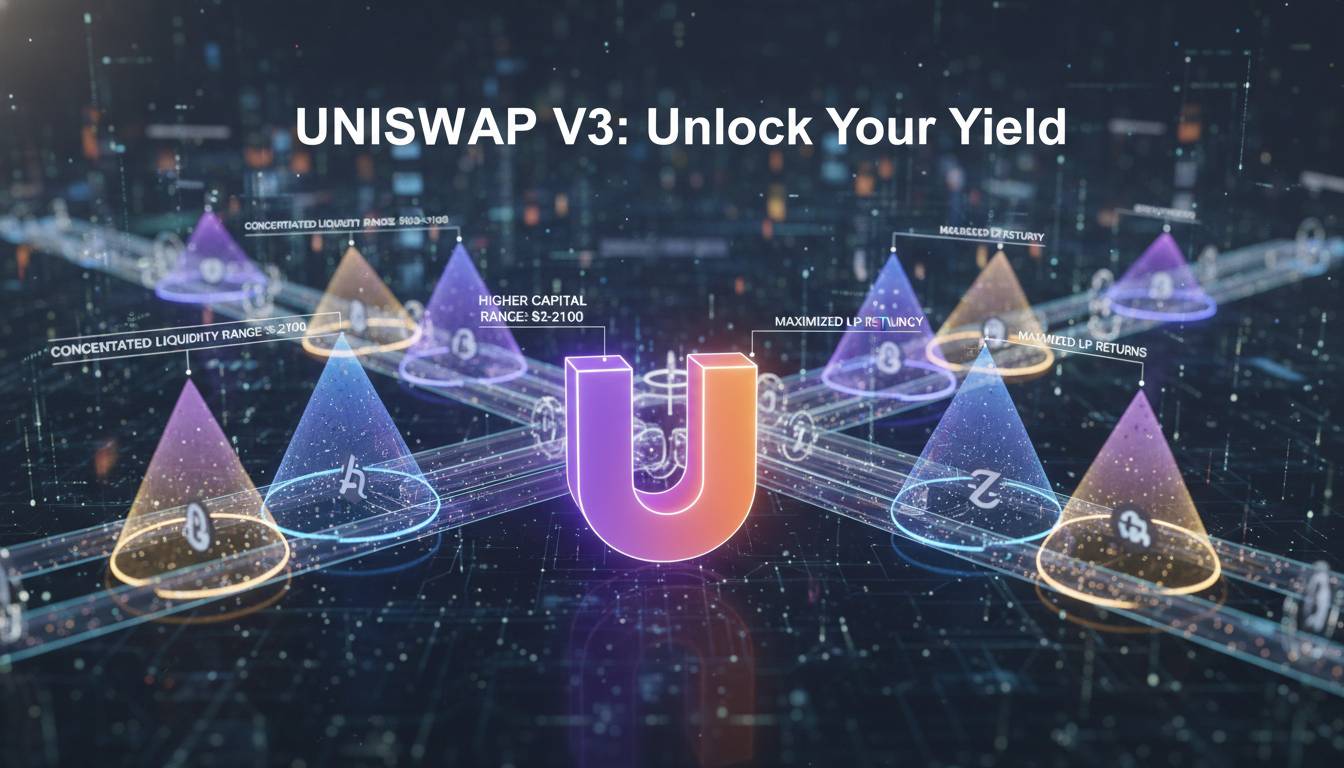
Uniswap remains the dominant DEX by volume and liquidity, having processed billions in daily trading volume consistently throughout 2024. The protocol’s automated market maker (AMM) model uses liquidity pools rather than traditional order books, allowing anyone to provide liquidity and earn fees. Uniswap’s V3 iteration introduced concentrated liquidity, enabling liquidity providers to allocate capital within specific price ranges and significantly increase fee earnings.
The UNI token provides governance rights, with holders voting on protocol upgrades and treasury allocations. Recent developments include the introduction of hooks—customizable logic that developers can attach to liquidity pools—expanding possibilities for structured products and advanced trading strategies.
Curve Finance specializes in stablecoin and wrapped asset trading, offering minimal slippage for pegged assets. This specialization makes Curve the backbone of DeFi’s stablecoin infrastructure, with billions in volume flowing through its pools daily. The CRV token incentivizes liquidity provision through emissions, and the protocol’s veCRV (vote-escrowed CRV) system allows token holders to lock tokens for governance influence and enhanced rewards.
Lending Protocols: Aave and Compound
Aave operates as the largest decentralized lending protocol, enabling users to lend out assets and earn variable interest rates while borrowers deposit collateral. The protocol supports over 20 collateral types, including major cryptocurrencies and select real-world assets tokenized on-chain. Aave’s risk framework includes parameters like loan-to-value ratios, liquidation thresholds, and circuit breakers that pause borrowing during extreme market volatility.
The protocol introduced Aave V3 in 2022, featuring improved capital efficiency, cross-chain capabilities, and portaltoken transfers enabling asset movement across supported networks. Governance-approved safety modules provide a backstop against bad debt, with the AAVE token serving as the first line of defense through staking incentives.
Compound pioneered algorithmic interest rates and remains a foundational DeFi primitive. The protocol’s COMP token created a wave of governance token launches across the ecosystem, establishing the model of community-owned financial infrastructure. Compound’s relatively conservative risk parameters and straightforward interface make it popular among yield-focused investors prioritizing stability over maximum returns.
Liquid Staking and Yield Optimization
Lido has captured dominant market share in Ethereum liquid staking, allowing users to stake ETH and receive stETH—a liquid token representing staked assets plus accrued staking rewards. This mechanism enables users to maintain liquidity while earning staking yields of approximately 3-4% annually. The stETH token can then be used in DeFi protocols for additional yield generation, creating a compounding effect.
Lido’s decentralized validator set mitigates single-point-of-failure risks associated with individual staking operations. The LDY token (launched in 2023) provides governance rights and fee discounts, aligning incentives between the protocol and its users.
Yearn Finance automates yield optimization by algorithmically moving funds across lending protocols, liquidity pools, and farming strategies to maximize returns. The platform’s vault contracts execute complex strategies with varying risk profiles, from conservative stablecoin lending to aggressive multi-step yield farming. Yearn’s veYFI token model mirrors Curve’s approach, rewarding long-term protocol participants with enhanced governance power and fee sharing.
Highest Yielding DeFi Projects: Risk-Adjusted Returns
Generating maximum returns in DeFi requires understanding the relationship between yield sources and associated risks. The following analysis examines projects offering competitive yields while maintaining acceptable risk profiles.
Sustainable vs. Unsustainable Yields
DeFi yields originate from three primary sources: trading fees, interest payments, and token incentives. Trading fees from DEX liquidity provision represent sustainable revenue-sharing with real economic activity backing them. Interest payments from lending protocols derive from borrower demand and collateral value. Token incentives—protocol tokens distributed to users—often subsidize yields but may face dilution as token values fluctuate.
Projects offering 50%+ APY typically rely heavily on token incentives, which often prove unsustainable once emissions decrease. The most prudent approach focuses on yields from real activity, accepting moderate returns that compound consistently over time.
| Strategy | Typical APY Range | Risk Level | Best For |
|---|---|---|---|
| Stablecoin Lending | 3-8% | Low | Conservative investors |
| DEX LP (Stable pairs) | 2-5% | Low-Medium | Steady income |
| DEX LP (Volatile pairs) | 8-20% | Medium-High | Higher risk tolerance |
| Liquid Staking | 3-5% | Low | Long-term holders |
| Yield Vaults | 5-15% | Medium | Active management |
| Leverage Staking | 15-40% | High | Advanced traders |
Best Strategies for Consistent Returns
Stablecoin yield farming remains the most accessible path to competitive DeFi returns with manageable risk. Strategies typically involve depositing stablecoins like USDC, USDT, or DAI into lending protocols to earn base interest, then depositing the received aTokens or cTokens into yield aggregators that compound returns. This approach generates 5-10% APY with relatively low risk of impermanent loss.
Concentrated liquidity provision on Uniswap V3 allows experienced liquidity providers to earn substantially higher fees by concentrating capital within narrow price ranges. However, this strategy requires active management and exposes providers to impermanent loss if token prices move outside the designated range. Tools like Gamma Strategies and Arrakis Finance simplify concentrated liquidity management for users without advanced technical skills.
LST (Liquid Staking Token) depegging strategies emerged as a popular 2024 tactic, involving borrowing against stETH or other liquid staking tokens to farm additional yield. While sophisticated, these strategies carry liquidation risk if collateral values decline sharply during market volatility.
DeFi Security: Evaluating Protocol Safety Before Investing
Security represents the paramount consideration in DeFi investment. The sector has experienced numerous exploits resulting in billions in losses, making thorough due diligence essential before committing capital.
Essential Security Evaluation Criteria
Smart Contract Audits form the baseline requirement for any serious DeFi project. Reputable audits from firms like Trail of Bits, OpenZeppelin, Certik, or Halborn examine code for vulnerabilities, logic errors, and potential attack vectors. While audits provide important validation, they do not guarantee complete security—many exploited protocols had audited code, with vulnerabilities residing in newer versions or inter-protocol integrations.
Bug Bounty Programs indicate serious security commitment, with established projects offering significant rewards (often $100,000+) for discovered vulnerabilities. The presence of substantial bug bounties creates economic incentives for white-hat hackers to report issues rather than exploit them.
Insurance Coverage has become increasingly available through protocols like Nexus Mutual and Cover Protocol, providing protection against smart contract failures. While insurance cannot prevent exploits, it provides financial recourse and demonstrates project confidence in their security posture.
Governance and Timelocks protect against malicious upgrades. Well-designed protocols implement timelocks (delays between governance approval and execution), preventing sudden changes that could compromise user funds. Multi-sig wallets controlling protocol treasury and upgrade functions should require multiple signatures from known, distributed key holders.
Red Flags Indicating Elevated Risk
Several warning signs suggest projects warrant extra scrutiny or avoidance:
- Anonymous or pseudonymous development teams without verifiable track records
- Token distributions heavily concentrated among insiders
- Yields that appear unsustainable without clear revenue models
- Limited or non-existent code audits
- Absence of timelocks on governance-executed upgrades
- Aggressive marketing promising guaranteed returns
Risk Factors and Mitigation Strategies
DeFi investments carry inherent risks beyond protocol security. Understanding and mitigating these risks protects capital while maintaining exposure to potential returns.
Smart Contract Risk
Despite audits and security measures, smart contracts remain vulnerable to undiscovered bugs and novel attack vectors. Mitigation strategies include:
- Diversification across protocols reduces exposure to any single protocol failure
- Position sizing limits potential losses from exploits to manageable amounts
- Insurance coverage through Nexus Mutual or similar providers transfers smart contract risk
- Staying informed about protocol upgrades, security alerts, and community discussions
Impermanent Loss
Liquidity provision on AMMs exposes providers to impermanent loss—temporary value reduction compared to simply holding assets. This occurs when pool token price ratios diverge significantly from deposit-time values. Mitigation approaches include:
- Providing liquidity for stablecoin pairs with minimal price volatility
- Using concentrated liquidity to increase fee earnings and offset impermanent loss
- Selecting assets with correlated price movements for reduced divergence
- Utilizing impermanent loss protection products offered by some protocols
Counterparty and Regulatory Risk
DeFi operates largely outside traditional regulatory frameworks, creating uncertainty about future legal treatment. Regulatory actions could restrict DeFi access, impact token values, or require protocol modifications. Mitigation includes:
- Geographic diversification of holdings
- Maintaining balances in regulatory-compliant protocols
- Staying informed about regulatory developments
- Using decentralized, non-custodial solutions that preserve personal custody
How to Get Started with DeFi: Step-by-Step Implementation
Entering DeFi requires technical understanding and careful execution. This section provides practical guidance for safe onboarding.
Prerequisites and Setup
Before interacting with DeFi protocols, users need:
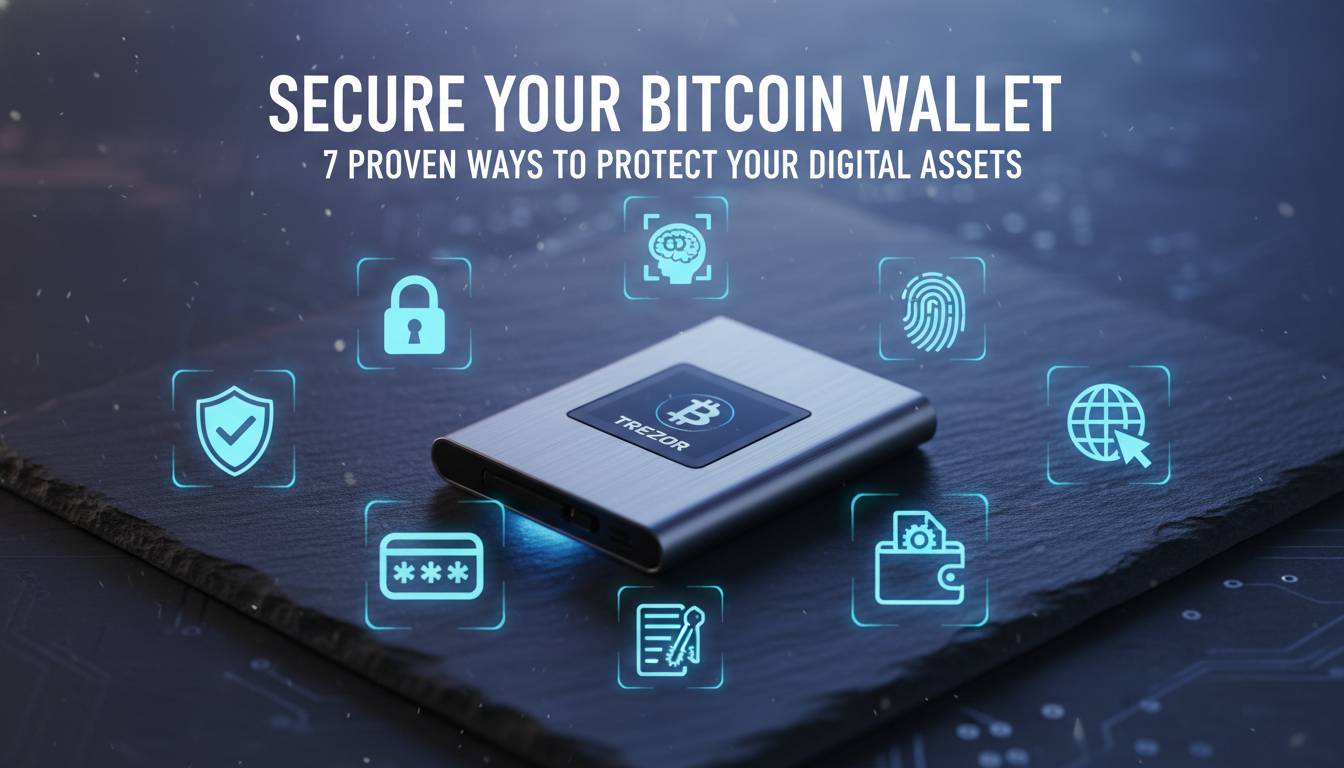
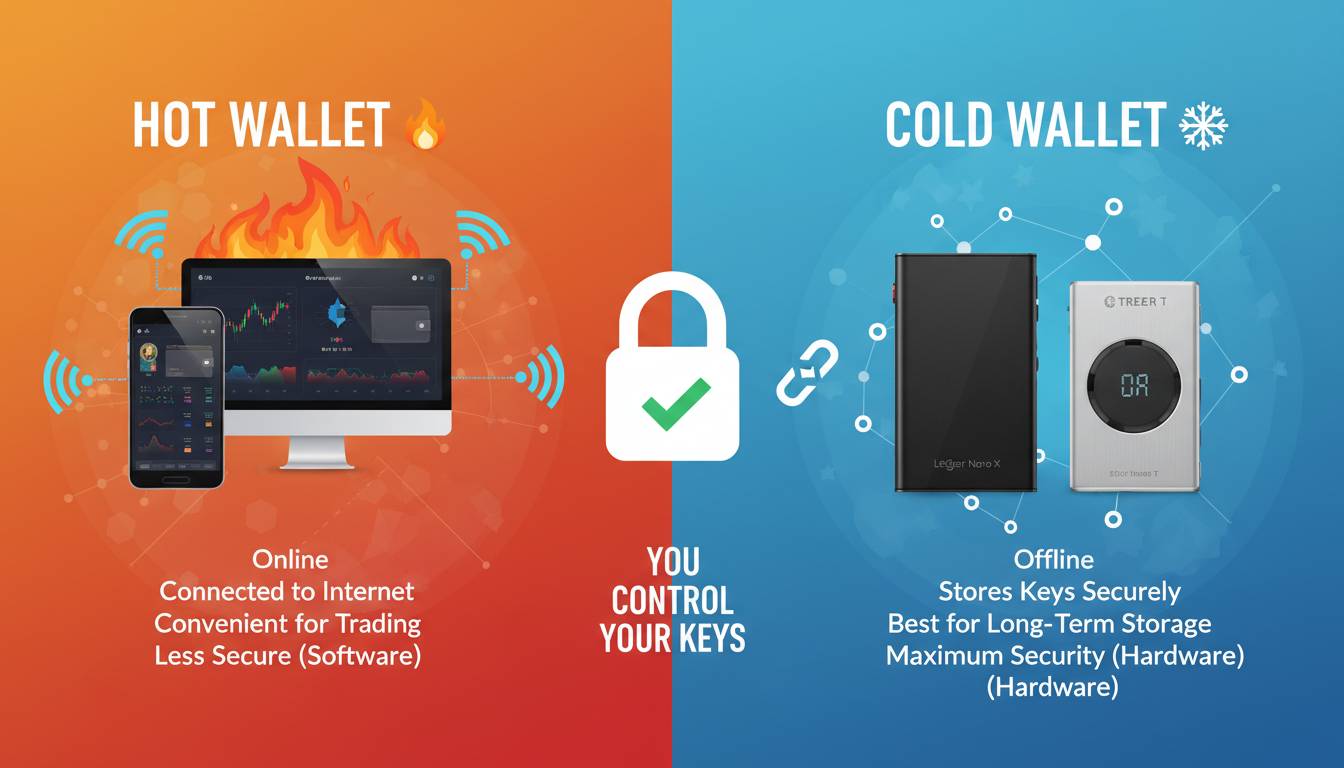
- A self-custody wallet like MetaMask, Rabby, or hardware wallets (Ledger, Trezor) for enhanced security
- Cryptocurrency funding—Ethereum (ETH) for gas fees plus tokens to invest
- Seed phrase security—hardware wallets provide superior protection against malware and phishing
Core Interaction Steps
Connecting wallets to DeFi dApps involves reviewing permission requests carefully. Never approve unlimited token access to unknown protocols, as this enables potential token theft through malicious contract interactions.
Understanding gas fees on Ethereum requires monitoring network congestion. Layer-2 solutions like Arbitrum, Optimism, and Base provide significantly lower transaction costs while maintaining Ethereum security. Polygon and Avalanche offer alternative networks with established DeFi ecosystems.
Starting with small positions allows users to understand protocol interfaces, transaction timing, and fee structures before committing significant capital. Many users begin with established lending protocols before exploring more complex strategies.
Future Trends in Decentralized Finance
The DeFi ecosystem continues evolving rapidly, with several trends shaping its trajectory.
Real-world asset tokenization is bringing traditional finance instruments—Treasuries, real estate, commodities—on-chain, creating new yield sources and expanding DeFi utility. Protocols like Centrifuge and Maple Finance already facilitate this integration.
Cross-chain interoperability improves as bridges and Layer-2 solutions mature, enabling seamless asset movement and strategy execution across networks. This reduces fragmentation and improves capital efficiency.
Institutional participation increases as regulatory clarity emerges and custody solutions mature. Major financial institutions are developing DeFi exposure products, bringing capital and legitimacy to the sector.
Decentralized identity integration may transform credit assessment, enabling undercollateralized lending based on on-chain reputation and verified credentials.
Frequently Asked Questions
What is the safest DeFi project for beginners?
Aave and Compound represent the most accessible entry points for DeFi beginners due to their straightforward interfaces, established track records, and conservative risk parameters. Both protocols have operated for years without major security incidents and maintain substantial insurance and governance mechanisms.
How much money do I need to start with DeFi?
Users can begin with minimal amounts—some protocols accept deposits as low as $100. However, transaction fees (gas costs) on Ethereum mainnet make small positions impractical, as fees often exceed $10-50 per transaction. Layer-2 networks or alternative chains like Avalanche and Polygon offer lower costs for smaller investors.
Can you lose money in DeFi?
Yes, DeFi investments carry significant risks including smart contract failures, impermanent loss from liquidity provision, liquidation during volatility, and scams. Never invest more than you can afford to lose, and thoroughly understand each protocol’s risk profile before committing funds.
How do I calculate my actual DeFi returns?
DeFi returns require tracking multiple variables: base yield, token incentives (often time-locked), gas costs, and impermanent loss. Tools like Zapper, DeBank, and Portfolio Dashboard aggregate positions and calculate holistic returns across protocols.
Are DeFi yields taxable income?
Tax treatment varies by jurisdiction. In the United States, DeFi yields generally qualify as ordinary income, while capital gains apply to token value appreciation. Many jurisdictions require reporting of on-chain transactions. Consult tax professionals familiar with cryptocurrency regulations.
What’s the difference between APY and APR in DeFi?
APR (Annual Percentage Rate) represents simple interest without compounding, while APY (Annual Percentage Yield) includes compound effects. DeFi protocols typically display APY to reflect the impact of frequent compounding—sometimes daily or per-block—which can significantly increase actual returns compared to APR figures.