Post Workout Recovery Tips: Maximize Your Gains Fast


Every athlete, gym-goer, and fitness enthusiast has experienced it—that feeling after an intense workout when your muscles are screaming, your energy is depleted, and you’re wondering if all that effort actually paid off. The truth is, what you do after your workout matters just as much as the workout itself. In fact, research suggests that post-workout recovery is where the actual muscle growth and performance improvements happen.
Whether you’re a seasoned bodybuilder or just starting your fitness journey, understanding how to properly recover can mean the difference between making progress and hitting a plateau. Your muscles don’t grow while you’re lifting weights—they grow during the recovery phase when your body repairs the microscopic damage caused by exercise. This article breaks down the science-backed strategies you need to maximize your gains and get the most out of every workout.
Why Post-Workout Recovery Matters
When you exercise, you create tiny tears in your muscle fibers. This process, called muscle protein breakdown, is actually necessary for growth—it’s your body’s response to this damage that leads to stronger, bigger muscles through a process called protein synthesis. However, this repair process requires specific conditions to work optimally.
The American Council on Exercise notes that proper recovery allows your body to replenish energy stores, repair damaged tissues, and adapt to the stresses placed on it during exercise. Without adequate recovery, you’re essentially building a house without letting the foundation dry—everything you’ve worked for becomes unstable.
What many people don’t realize is that overtraining—failing to allow adequate recovery—can lead to decreased performance, increased injury risk, hormonal imbalances, and chronic fatigue. A study published in the Journal of Sports Sciences found that athletes who incorporated structured recovery protocols showed a 20% improvement in performance metrics compared to those who didn’t prioritize recovery.
Your central nervous system also needs time to recover after intense workouts. High-intensity training depletes glycogen stores and taxes your neurological system. Giving your body the resources it needs to restore these stores isn’t optional—it’s essential for performing at your best in your next session.
Nutrition: Fueling the Recovery Process
What you eat after working out plays a critical role in how quickly and effectively your body recovers. The concept of the “anabolic window”—the belief that you must eat immediately after exercise to maximize gains—has been somewhat nuanced by recent research, but nutrition remains fundamentally important.
The Role of Protein
Protein provides the amino acids necessary for muscle repair and growth. The International Society of Sports Nutrition recommends consuming 1.4 to 2.2 grams of protein per kilogram of body weight daily for individuals engaged in resistance training. For a 180-pound person, that’s approximately 115 to 180 grams of protein per day.
For post-workout nutrition, aim for 20 to 40 grams of high-quality protein. Sources like chicken, fish, eggs, Greek yogurt, cottage cheese, or plant-based options like tofu and legumes provide the essential amino acids your muscles need. Whey protein remains popular because it’s quickly absorbed, but casein protein (found in dairy) is slower-digesting and may be beneficial before sleep.
Carbohydrates: The Forgotten Recovery Nutrient
Carbohydrates often get vilified in fitness circles, but they’re crucial for recovery. During exercise, your body uses glycogen—the stored form of glucose—as fuel. Depleted glycogen stores need to be replenished for your next workout.
Consuming carbohydrates post-workout helps restore these glycogen stores. Research from the University of Texas at Austin demonstrated that athletes who consumed carbohydrates within 30 minutes after exercise had 40% greater glycogen replenishment compared to those who waited two hours. Good post-workout carb sources include fruits, rice, oats, sweet potatoes, and whole grains.
Timing and Combinations
While the “anabolic window” may be larger than originally thought—some research suggests it extends to several hours—it’s still beneficial to eat within a couple of hours after your workout. Combining protein with carbohydrates creates an ideal environment for recovery: protein provides the building blocks while carbohydrates insulin response helps shuttle those nutrients into your cells.
A simple post-workout meal might be chicken breast with rice and vegetables, a protein smoothie with fruit, or Greek yogurt with granola and berries. The exact timing matters less than consistently providing your body with adequate nutrition throughout the day.
Hydration: The Often-Overlooked Recovery Essential
Water makes up approximately 60% of your body weight and plays a role in virtually every bodily function, including nutrient transport, temperature regulation, and joint lubrication. During exercise, you lose water through sweat—and this loss can be substantial, especially in hot conditions or during long workouts.
Dehydration impairs muscle function, reduces strength, and slows recovery. A study in the Journal of Athletic Training found that even mild dehydration (1-2% body weight loss) can significantly impair exercise performance and cognitive function.
How Much Water Do You Need?
The old “eight glasses a day” rule is a gross oversimplification. Your hydration needs depend on factors like body size, exercise intensity, climate, and individual physiology. A better approach is to monitor your urine color—pale yellow indicates adequate hydration—and weigh yourself before and after workouts.
As a general guideline, aim to drink 16 to 24 ounces of water for every pound lost during exercise. If you did a one-hour intense workout and lost three pounds, you’d want to drink 48 to 72 ounces of water over the following hours. Adding electrolytes can be helpful after especially sweaty sessions or if you’re exercising in hot weather.
Sleep: Your Most Powerful Recovery Tool
If there’s one recovery strategy that deserves more attention, it’s sleep. During sleep, your body releases growth hormone, repairs tissues, consolidates memories, and restores energy. No supplement, massage, or cryotherapy session can replace quality sleep.
Research consistently shows the importance of sleep for athletic performance and recovery. A study at Stanford University found that basketball players who slept an average of 10 hours per night showed significant improvements in sprint times, shooting accuracy, and perceived exertion compared to those who slept around 8 hours.
Adults should aim for 7 to 9 hours of quality sleep per night, though athletes may benefit from more. Sleep quality matters just as much as quantity—creating a dark, cool, quiet environment and maintaining consistent sleep-wake times can significantly improve your recovery.
Sleep and Muscle Protein Synthesis
During deep sleep, your body releases the majority of its daily growth hormone. This hormone is crucial for muscle repair and growth. Disrupted sleep or insufficient sleep reduces growth hormone secretion and can impair muscle protein synthesis.
If you’re serious about maximizing gains, prioritize sleep as non-negotiable part of your training program. Consider sleep as important as your workout itself—because without adequate recovery, all your training effort is diminished.
Active Recovery: Keep Moving to Recover Faster
Complete rest isn’t always the best approach. Active recovery—performing low-intensity exercise on rest days—can enhance blood flow, reduce muscle stiffness, and speed up the removal of metabolic waste products like lactic acid.
Low-intensity activities like walking, swimming, cycling, or light yoga increase circulation without adding significant stress to your muscles. This enhanced blood flow delivers nutrients while removing waste products more efficiently. A study in the Journal of Sports Sciences found that active recovery significantly reduced muscle soreness and improved subsequent performance.
Best Active Recovery Activities
Light swimming provides excellent active recovery because the water supports your body while allowing gentle movement. Walking, especially in nature, combines mild physical activity with stress reduction. Yoga improves flexibility while promoting relaxation. Foam rolling and mobility work also fall into this category—gentle self-massage can release tension and improve range of motion.
The key is keeping the intensity low—your heart rate should stay in the 50-60% of its maximum range. Active recovery shouldn’t feel like another workout; it should feel like movement that makes you feel better.
Stretching and Mobility Work
Flexibility and mobility are often neglected aspects of fitness, yet they play crucial roles in recovery and long-term performance. Tight muscles can lead to compensatory movement patterns, increasing injury risk and reducing efficiency.
Static stretching—holding a position for 15-60 seconds—has traditionally been recommended post-workout. However, recent research suggests that static stretching is most effective when muscles are warm, making it potentially more beneficial after a light warm-up or at the end of a workout.
Dynamic stretching, which involves moving through ranges of motion, is often better pre-workout. Post-workout, focus on gentle static stretches targeting major muscle groups used during training. Hold each stretch for 20-30 seconds without bouncing.
Foam rolling, also called self-myofascial release, has become popular for recovery. It can help reduce muscle tension, improve flexibility, and may reduce delayed onset muscle soreness (DOMS). Spend 1-2 minutes on major muscle groups, rolling slowly and pausing on tender spots.
Supplements and Recovery Tools
While whole food should always be the foundation of your nutrition, certain supplements can support recovery. However, supplements should supplement—a good diet—rather than replace it.
Evidence-Based Supplements
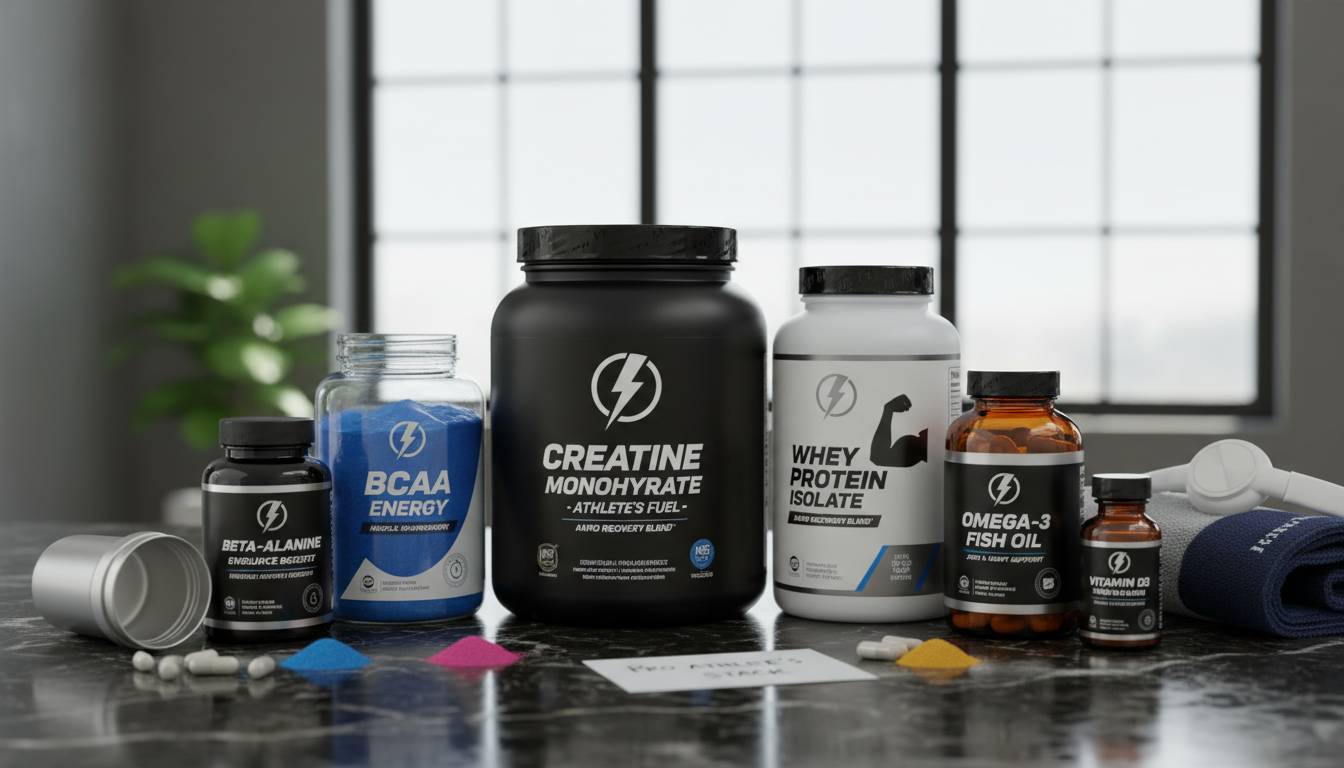
Creatine monohydrate is one of the most researched supplements with strong evidence for supporting muscle recovery and growth. It helps regenerate ATP, the energy currency of your cells, allowing for better repeated performance.
Branched-chain amino acids (BCAAs) may reduce muscle soreness and support protein synthesis, though whole protein sources typically provide similar benefits. Beta-alanine can help buffer acid in muscles, potentially reducing fatigue during high-intensity exercise.
Omega-3 fatty acids have anti-inflammatory properties and may support muscle protein synthesis, particularly in older adults. Tart cherry juice has shown promise in reducing muscle soreness and improving sleep quality in several studies.
Recovery Tools and Technologies
Modern recovery tools have become increasingly sophisticated. Compression garments may improve blood flow and reduce swelling. Percussive massage devices (like Theragun) can reduce muscle tension and improve range of motion. Cold water immersion or ice baths constrict blood vessels and may reduce inflammation, though the evidence for their long-term benefits is mixed.
Sleep trackers can help you monitor and improve your sleep patterns. While these tools can be helpful, they’re not replacements for the fundamentals—good nutrition, adequate sleep, and appropriate training loads.
Common Recovery Mistakes to Avoid
Understanding what not to do is just as important as knowing what to do. Several common mistakes can undermine your recovery efforts.
Overtraining and Insufficient Rest
Training too frequently without adequate rest is perhaps the most common mistake. Your body needs time to adapt to training stress. If you’re constantly sore, fatigued, or underperforming, you might be overreaching. Scheduling rest days and deload weeks—periods of reduced training volume—allows your body to fully recover and supercompensate.
Ignoring Warning Signs
Persistent fatigue, decreased performance, increased injuries, mood changes, and disturbed sleep can all signal overtraining. Ignoring these warning signs and pushing through leads to burnout and long-term problems. Learning to distinguish between normal workout fatigue and overtraining is crucial.
Inconsistent Nutrition
Skipping meals, not eating enough protein, or severely restricting carbohydrates can all impair recovery. Your body needs consistent nutritional support to repair and grow. Extreme dieting combined with intense training is a recipe for injury and decreased performance.
Neglecting Sleep
Late nights, inconsistent sleep schedules, and insufficient sleep duration all sabotage recovery. Prioritizing social activities over sleep may feel enjoyable in the moment but undermines your training results long-term.
Building Your Personalized Recovery Protocol
Everyone’s recovery needs differ based on training intensity, individual physiology, age, and other factors. Building a personalized recovery protocol requires attention to what works for you.
Start by ensuring you’re doing the fundamentals well: adequate protein intake, proper hydration, 7-9 hours of quality sleep, and appropriate rest days. Once those basics are solid, consider adding other recovery strategies based on your specific needs.
Track your recovery markers—sleep quality, energy levels, muscle soreness, and performance in subsequent workouts. If you’re constantly sore or your performance is declining, your recovery needs improvement. If you’re feeling great and making progress, your current approach is working.
Frequently Asked Questions
How long should I rest after an intense workout?
Rest periods depend on workout intensity and your training experience. For very intense sessions, 48-72 hours before working the same muscle groups is generally recommended. However, light activity the next day through active recovery is often beneficial. Listen to your body—if you’re still significantly sore or fatigued, more rest is appropriate.
Should I eat immediately after working out?
While you don’t need to consume food within a specific 30-minute window, eating within a few hours after your workout is important. Focus on having a balanced meal with protein and carbohydrates within 1-2 hours post-exercise. Consistent nutrition throughout the day matters more than extreme timing precision.
Does stretching after workouts prevent soreness?
Static stretching after workouts can improve flexibility and may slightly reduce muscle soreness, but evidence is mixed. Dynamic warm-ups before workouts and gentle static stretches after are both beneficial. Foam rolling and active recovery are also effective strategies for managing soreness.
How do I know if I’m overtraining?
Signs of overtraining include persistent fatigue, decreased performance, increased injuries, chronic soreness, mood changes, and sleep disturbances. If you’re experiencing these symptoms, reducing training intensity and prioritizing recovery is essential. Consulting a sports medicine professional can help distinguish between normal fatigue and overtraining.
Are recovery supplements necessary?
No, supplements are not necessary if you’re eating a balanced diet with adequate protein and overall nutrition. Supplements can provide convenience and specific benefits, but they’re optional. Focus on fundamentals first—good food, sleep, and hydration—before investing in supplements.
What’s the best recovery technique for sore muscles?
Multiple approaches can help with sore muscles. Active recovery (light movement), proper nutrition, hydration, sleep, and foam rolling are all effective. Cold water immersion may provide temporary relief. Persistent severe soreness that doesn’t improve with these strategies warrants medical attention.
Conclusion
Post-workout recovery isn’t a passive waiting period—it’s an active process that you can optimize through intentional strategies. Your body’s ability to adapt, grow, and perform better depends on how well you support its repair mechanisms.
The foundation of effective recovery is straightforward: consume adequate protein and carbohydrates, stay well-hydrated, prioritize 7-9 hours of quality sleep, and schedule appropriate rest days. From there, you can layer in additional strategies like active recovery, stretching, and recovery tools based on your individual needs.
Remember that recovery is where the gains happen. All the intensity you bring to your workouts means nothing without the rest and nutrients your body needs to rebuild. Treat your recovery protocol with the same seriousness as your training program, and you’ll be rewarded with better performance, fewer injuries, and continued progress toward your fitness goals.
The best recovery strategy is one you can consistently maintain. Start with the fundamentals, build sustainable habits, and adjust based on how your body responds. Your future self will thank you for the investment in proper recovery.