Best Supplements for Athletes – What Pros Recommend

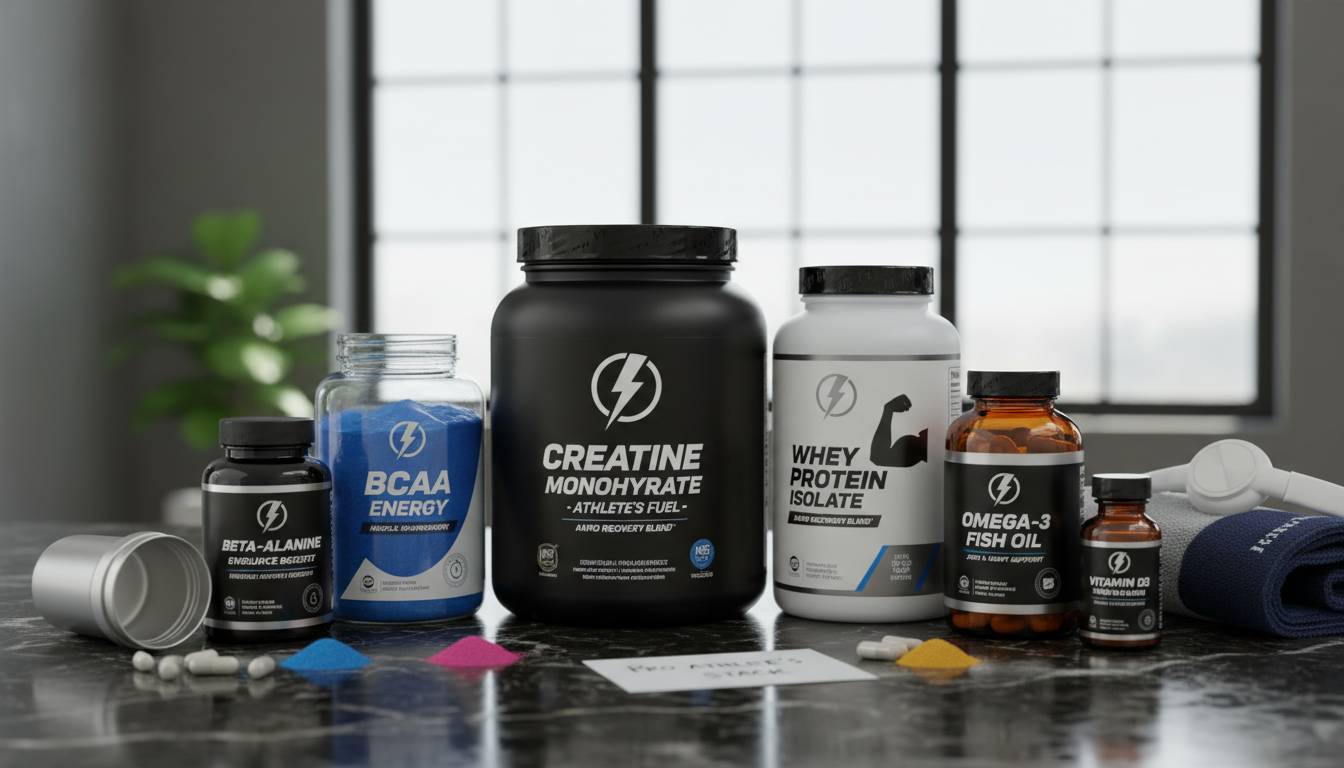
Elite athletes and serious fitness enthusiasts understand that training alone doesn’t guarantee peak performance. Nutrition acts as the foundation upon which athletic gains are built, and supplements serve as targeted tools to address specific nutritional gaps that diet alone may not fill. Whether you’re a weekend warrior, a collegiate competitor, or a professional athlete, understanding which supplements actually work—and which are marketing hype—can mean the difference between plateauing and progressing.
The supplement industry generates over $60 billion annually in the United States, with sports nutrition products representing a significant and growing segment. Yet despite this massive market, research consistently shows that many athletes either take unnecessary supplements or miss critical ones that could genuinely enhance their performance. This guide cuts through the noise, examining what scientific evidence actually supports and what professional athletes and sports nutrition experts recommend based on real-world results.
Understanding Why Athletes Need Specialized Nutrition
Athletic demands place unique stresses on the human body that go far beyond what casual nutrition recommendations address. When you train at high intensities or for extended durations, your metabolic processes accelerate, your muscle fibers undergo repeated damage and repair cycles, and your electrolyte and fluid balance faces continuous challenges. These physiological demands create specific nutritional requirements that often exceed what even a well-planned diet can provide.
Key Athletic Nutritional Demands:
- Increased caloric needs: Elite athletes may require 4,000-8,000 calories daily, making it physically difficult to consume enough whole foods to meet every micronutrient need
- Elevated protein turnover: Muscle protein synthesis and breakdown occur at accelerated rates, requiring consistent amino acid availability
- Enhanced mineral loss: Sweating during exercise depletes sodium, potassium, magnesium, and zinc at rates far exceeding sedentary individuals
- Oxidative stress: High-intensity training generates free radicals that can impair recovery and cellular function
Research published in the Journal of the International Society of Sports Nutrition indicates that athletic populations have statistically significantly higher prevalence of deficiencies in vitamin D, iron, and magnesium compared to age-matched sedentary controls. These deficiencies directly impact performance parameters including strength output, endurance capacity, and recovery speed.
📊 KEY STATS
– 78% of collegiate athletes report using dietary supplements
– 62% of professional athletes have suboptimal vitamin D levels
– $60+ billion annual U.S. supplement industry revenue
– 41% of general population uses supplements regularly vs. 78% of competitive athletes
The Most Research-Backed Supplements for Athletic Performance
Not all supplements are created equal. When evaluating supplements for athletic use, evidence quality ranges from strong consensus to minimal research. The supplements below have the most consistent, positive research backing for measurable athletic performance benefits.
Creatine Monohydrate: The Most Studied Performance Supplement
Creatine stands as the most thoroughly researched sports supplement on the market, with over 1,000 peer-reviewed studies examining its effects on athletic performance. This naturally occurring compound found in muscle cells helps produce ATP, the primary energy currency for high-intensity, short-duration activities.
Performance Benefits:
– Increased strength and power output by 5-15% (Meta-analysis, British Journal of Sports Medicine, 2021)
– Enhanced muscle fiber recruitment during maximal efforts
– Improved repeated sprint ability by 3-5%
– Accelerated muscle growth during resistance training
– Potential cognitive benefits including improved reaction time
The International Society of Sports Nutrition positions creatine monohydrate as one of the few supplements with “strong evidence” for performance enhancement. Unlike many marketed products, creatine benefits are consistent across multiple athletic populations and have stood up to rigorous testing.
Recommended dosing: Maintenance of 3-5g daily after initial loading phase (though loading is optional)
Protein and Amino Acids: Building Blocks for Victory
Protein supplementation remains foundational for athletes focused on muscle repair, growth, and maintenance. The Academy of Nutrition and Dietetics recommends athletes consume 1.4-2.0g of protein per kilogram of body weight daily—amounts often difficult to achieve through food alone, especially during heavy training periods.
| Protein Source | Digestion Speed | Amino Profile | Best For |
|---|---|---|---|
| Whey Protein | Fast | Complete | Post-workout, breakfast |
| Casein | Slow | Complete | Before sleep, between meals |
| Plant Proteins | Moderate | Incomplete* | Vegans, lactose intolerant |
| Egg Protein | Moderate | Complete | All-around use |
*Plant proteins can be combined to achieve complete amino profiles
Beyond basic protein: Specific amino acids have garnered attention for athletic applications:
- Beta-alanine: Precursor to carnosine, which buffers muscle acid during high-intensity exercise. Research shows 4-6 weeks of supplementation can improve exercise capacity by 2-3%
- BCAAs (Leucine, Isoleucine, Valine): May reduce muscle soreness and support recovery, though whole protein sources appear to be more effective overall
- Citrulline: Improves blood flow and may reduce fatigue during exercise
Essential Vitamins and Minerals for Athletic Excellence
Micronutrient deficiencies can silently sabotage athletic performance. While supplements cannot substitute for poor dietary habits, they can address specific gaps that compromise training adaptations and competitive performance.
Vitamin D: The Sunshine Vitamin Athletes Often Lack
Vitamin D deficiency is remarkably common among athletes, particularly those training indoors or in northern latitudes. This fat-soluble vitamin plays critical roles in muscle function, bone health, immune function, and inflammation regulation.
Research from the British Journal of Sports Medicine followed 1,200 elite athletes and found that 62% had insufficient vitamin D levels, with 23% classified as deficient. Athletes with optimal vitamin D levels showed:
- 19% fewer upper respiratory infections during training blocks
- Improved vertical jump performance in randomized trials
- Better preserved muscle strength during intensive training phases
Testing blood levels is recommended, but many athletes benefit from 1,000-4,000 IU daily, with higher doses often needed for those with documented deficiencies.
Iron: Oxygen Transport’s Critical Component
Iron enables hemoglobin to carry oxygen to working muscles, making it essential for endurance athletes. Female athletes and distance runners face particularly high risk of iron deficiency, which directly impairs aerobic capacity.
👤 Dr. James Thornton, Director of Sports Nutrition at Stanford University
“Iron status is one of the first things we check with our athletes, particularly distance runners and female competitors. Even subclinical deficiency—where anemia isn’t present but ferritin is low—can reduce VO2 max by 10-15% and significantly impair training adaptations.”
Key considerations:
– Female endurance athletes should test ferritin regularly
– Heme iron from animal sources absorbs better than plant-based iron
– Vitamin C enhances iron absorption; calcium inhibits it
– Supplementation should be guided by blood tests to avoid excess
Magnesium: The Forgotten Performance Mineral
Magnesium participates in over 300 enzymatic reactions including energy production, muscle contraction, and protein synthesis. Athletes lose significant magnesium through sweat, and inadequate intake can contribute to muscle cramps, impaired recovery, and decreased performance.
| Magnesium Status | Symptoms | Athletic Impact |
|---|---|---|
| Optimal | None | Full performance potential |
| Mild deficiency | Muscle twitches, fatigue | Reduced power output |
| Moderate deficiency | Cramps, poor recovery | Increased injury risk |
| Severe deficiency | Arrhythmias, weakness | Serious health concerns |
What Professional Athletes Actually Use: Evidence from Elite Circles
While professional athletes often have access to the most advanced nutritional support, their actual supplement protocols offer valuable insight into what works at the highest levels.
A comprehensive survey of Olympic athletes conducted by the British Journal of Sports Medicine found the following supplement usage patterns:
| Supplement | Olympic Athletes Using | % |
|---|---|---|
| Vitamin D | 74% | 74% |
| Multivitamin | 68% | 68% |
| Fish Oil/Omega-3 | 52% | 52% |
| Creatine | 34% | 34% |
| Iron | 28% | 28% |
| Beta-alanine | 18% | 18% |
The survey revealed that most Olympic programs now employ full-time sports dietitians who individualize supplement protocols based on blood work, training loads, and individual response patterns. This represents a shift from the “more is better” approach that characterized earlier eras.
👤 Dr. Brad Schoenenberger, Performance Nutrition Lead at the U.S. Olympic & Paralympic Training Center
“Our philosophy centers on food-first, supplement-second. We only add supplements when testing confirms a gap that food cannot efficiently close, or when an athlete’s caloric demands make targeted supplementation more practical. Creatine and vitamin D are two of our most frequently used supplements because the evidence is clear and the risk-to-benefit ratio strongly favors use.”
How to Choose Quality Supplements: A Practical Guide
The supplement industry operates with minimal FDA oversight, meaning product quality varies dramatically between brands. Athletes must be discerning consumers to avoid wasted money, contaminated products, or substances that could trigger doping violations.
Critical Evaluation Criteria
Third-Party Testing:
Look for certifications from organizations including:
– NSF Certified for Sport
– Informed Sport
– USP Verification
– BSCG (Banned Substances Control Group)
These programs test batches for contaminants and banned substances, providing meaningful quality assurance beyond marketing claims.
Red Flags to Avoid
| Warning Sign | Why It Matters |
|---|---|
| Proprietary blends | Cannot verify exact ingredient doses |
| Excessive claims | “Burn fat instantly” type marketing |
| No contact information | Potentially illegitimate operation |
| No batch numbers | Cannot trace quality issues |
| Extremely low prices | May indicate adulteration |
Doping Considerations
Athletes subject to anti-doping testing must exercise particular caution. The U.S. Anti-Doping Agency maintains that supplement contamination accounts for a meaningful percentage of positive tests among clean athletes. Products carrying NSF Certified for Sport or Informed Sport logos have undergone testing for prohibited substances.
Common Mistakes Athletes Make with Supplements
Even well-intentioned athletes frequently undermine their performance through supplement-related errors. Understanding these pitfalls helps you avoid costly and performance-compromising mistakes.
Mistake #1: Supplementing Without Testing
Many athletes purchase expensive supplements without first determining whether they actually need them. Blood work can identify specific deficiencies, preventing wasted money on unnecessary products and addressing hidden issues that limit performance.
Solution: Request comprehensive blood panels including vitamin D, ferritin, iron, B12, and magnesium from your healthcare provider before investing in supplements.
Mistake #2: Prioritizing Novelty Over Evidence
New supplements with flashy marketing often dominate athlete attention, even when well-established options have superior research backing. Creatine monohydrate, for example, has more consistent positive research than most newer products, yet receives less attention than trendy derivatives.
Solution: Research meta-analyses and systematic reviews rather than individual studies or marketing materials. The International Society of Sports Nutrition position stands provide excellent starting points.
Mistake #3: Inconsistent Use
Supplements like creatine require consistent daily intake to maintain muscle saturation. Sporadic use eliminates most benefits while providing few advantages over complete avoidance.
Solution: Establish routine supplement habits integrated with daily behaviors (morning coffee, post-workout shake, bedtime routine) rather than taking supplements only on training days.
Mistake #4: Ignoring Timing and Combination Effects
Some supplements compete for absorption pathways or have optimal timing windows. Taking calcium with iron, for example, significantly reduces iron absorption. Similarly, some fat-soluble vitamins require dietary fat for optimal absorption.
Solution: Research timing recommendations and potential interactions. Separate competing minerals by at least 2-3 hours when possible.
Building Your Personal Supplement Strategy
Individual supplement needs vary based on sport, training phase, dietary patterns, genetic factors, and baseline nutritional status. A one-size-fits-all approach rarely optimizes athletic performance.
Assessment Framework
Consider these factors when developing your supplement protocol:
- Dietary audit: What does your actual daily intake look like? Where are the gaps?
- Training analysis: What are your energy system demands? Endurance athletes have different needs than power athletes
- Blood work: What does objective testing reveal about your status?
- Goals: Are you focused on performance enhancement, body composition, health maintenance, or recovery?
- Testing response: How do you personally respond to supplementation?
General prioritization framework:
– Foundation: Adequate protein intake, balanced diet, sufficient calories
– Tier 2: Vitamin D (if deficient), creatine (if training intensely), fish oil (if not eating fatty fish)
– Tier 3: Sport-specific supplements based on individual assessment
The Bottom Line on Athletic Supplements
Supplements represent powerful tools in the athletic performance equation, but they work best when strategically deployed based on individual needs rather than generic recommendations. Creatine monohydrate and vitamin D emerge as the most universally beneficial supplements for athletes, with strong evidence bases and excellent safety profiles. Protein supplementation supports muscle maintenance and recovery when dietary intake falls short. Specific micronutrients like iron and magnesium address common athletic deficiencies that directly impair performance.
The most successful approach combines food-first philosophy with targeted supplementation guided by objective testing and evidence-based recommendations. Working with qualified sports nutrition professionals—registered dietitians with sports nutrition credentials—provides individualized guidance that generic supplement articles cannot match.
Frequently Asked Questions
What supplements should every athlete take?
The most universally recommended supplements for athletes are vitamin D (if deficient, which is common), creatine monohydrate (for strength and power sports), and protein powder (if dietary protein intake is insufficient). However, individual needs vary significantly based on sport, training, and blood work results.
Are supplements safe for teenage athletes?
Many supplements are appropriate for adolescent athletes, but dosing differs from adult recommendations. Protein supplementation and creatine monohydrate are generally considered safe for teenagers when used as directed. However, some supplements (especially stimulants or anabolic agents) should be avoided. Teen athletes should work with healthcare providers before starting any supplement regimen.
Can supplements replace poor diet habits?
No. Supplements cannot compensate for fundamentally inadequate nutrition. They work best as additions to already solid dietary foundations. Athletes with poor eating habits should prioritize improving food quality before investing in supplements.
How long does it take for supplements to work?
Varies by supplement. Creatine typically requires 2-4 weeks of consistent use to saturate muscle stores and produce noticeable effects. Vitamin D corrections may take 2-3 months to achieve optimal blood levels. Beta-alanine requires 4-6 weeks for carnosine buffering adaptation. Protein and amino acids provide more immediate effects.
Do natural food sources work better than supplements?
Whole foods provide nutrition in complex matrices that supplements cannot fully replicate, including fiber, phytochemicals, and nutrient interactions. Food should always be the foundation of athletic nutrition. However, supplements can efficiently address specific deficiencies or needs that food alone cannot meet, particularly when caloric demands limit food volume intake.
Should I use supplements during competition prep?
Competition preparation often requires heightened attention to supplement quality and timing. Many athletes maintain core supplements (vitamin D, creatine) while carefully timing others (beta-alanine, caffeine) around competition. Always verify that supplements are certified free of banned substances if subject to testing.