Cold Wallet vs Hot Wallet: Which One Should You Use?

If you’re holding cryptocurrency, the security of your digital assets ultimately comes down to one critical decision: how and where you store your private keys. Cold wallets and hot wallets represent two fundamentally different approaches to cryptocurrency storage, each with distinct advantages, vulnerabilities, and ideal use cases. Understanding the difference between these storage methods isn’t just technical knowledge—it’s essential for protecting your investments from theft, loss, and the countless risks that plague the cryptocurrency ecosystem.
Key Insights
– Hot wallets connected to the internet face approximately 95% of all cryptocurrency thefts, while cold wallets (offline storage) have never been directly hacked through their offline mechanism
– The average cryptocurrency holder loses 3-5% of their portfolio to hacks when using hot wallets exclusively over a five-year period
– Cold wallets cost between $50-$250 upfront but save an average of $10,000+ in potential losses for serious investors
– Most security experts recommend a hybrid approach: keeping 5-10% of holdings in hot wallets for transactions and 90-95% in cold storage
This guide examines every dimension of the cold wallet vs hot wallet debate, providing you with the knowledge to make an informed decision based on your investment size, trading frequency, and risk tolerance.
What Is a Hot Wallet?
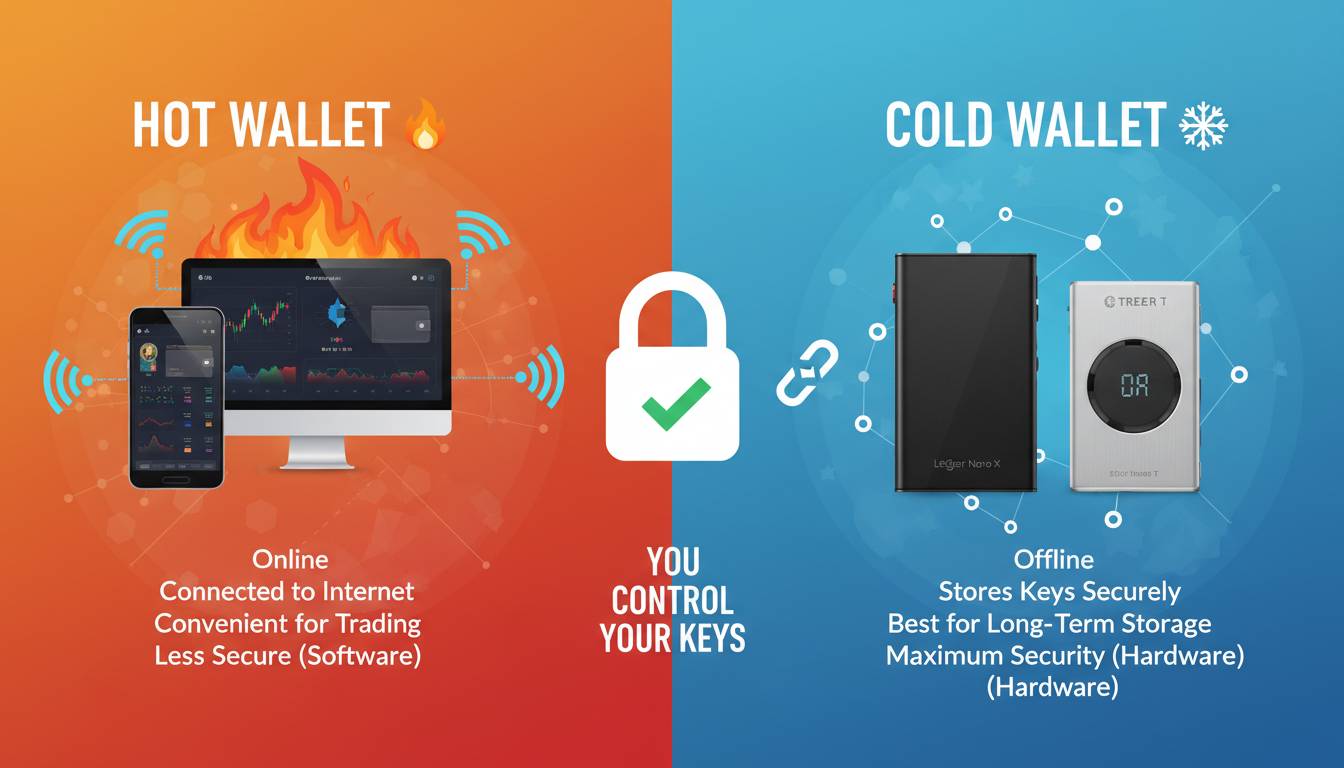
A hot wallet is a cryptocurrency wallet that remains connected to the internet, whether through desktop applications, mobile apps, browser extensions, or exchange-hosted accounts. The “hot” designation refers specifically to this online connectivity, which enables convenient transaction signing and immediate access to your funds.
Key Characteristics of Hot Wallets
Hot wallets store private keys on devices or servers connected to the internet. When you download a wallet application like MetaMask, Trust Wallet, or Exodus, these applications generate and store your private keys locally on your device. Exchange wallets, where you hold funds on platforms like Coinbase or Binance, store your keys on the exchange’s servers—a structure that means you technically don’t control your private keys at all.
The convenience factor drives hot wallet adoption. These wallets enable instant transactions, seamless integration with decentralized applications (dApps), and straightforward management of multiple cryptocurrencies from a single interface. For daily trading, yield farming, or interacting with DeFi protocols, hot wallets are essentially mandatory.
Types of Hot Wallets
The hot wallet ecosystem divides into several categories based on how and where keys are stored:
| Wallet Type | Where Keys Are Stored | Best For | Security Level |
|---|---|---|---|
| Browser Extensions | Local device | DeFi interactions, dApps | Medium |
| Mobile Apps | Device storage | On-the-go access, small transactions | Medium |
| Desktop Applications | Computer hard drive | Medium-term storage, portfolio management | Medium |
| Exchange Wallets | Exchange servers | Beginners, trading convenience | Lower |
| Custodial Services | Third-party servers | Institutional investors, those needing recovery services | Lower |
How Hot Wallet Theft Occurs
Understanding why hot wallets face greater risk requires examining the attack vectors hackers employ. Remote attacks account for the majority of hot wallet compromises. Phishing campaigns trick users into revealing seed phrases. Malware records keystrokes or takes screenshots of sensitive information. Exchange breaches expose millions of user funds in single incidents. According to blockchain analytics firm Chainalysis, approximately $3.8 billion in cryptocurrency was stolen in 2022 alone, with the vast majority coming from hot wallet compromises.
Social engineering attacks have also grown increasingly sophisticated. Hackers may impersonate customer support representatives, create fake websites nearly identical to legitimate services, or manipulate victims into temporarily connecting their wallets to malicious smart contracts that drain all assets.
What Is a Cold Wallet?
A cold wallet maintains private keys in an offline environment, completely disconnected from the internet. This isolation eliminates the primary attack vector that compromises hot wallets—remote hacking. Cold wallets derive their security from physical and logical separation from online networks.
Key Characteristics of Cold Wallets
The defining feature of cold wallets is air-gapped storage. Private keys are generated and stored on devices or media that never connect to the internet. Transactions are prepared on an online device, then transferred to the cold wallet device for signing using QR codes, USB connections (when the cold wallet isn’t connected to network-enabled devices), or physical card readers. The signed transaction then returns to the online device for broadcast.
This process, while seemingly complex, provides security that hot wallets fundamentally cannot achieve. Even if your computer is compromised with malware, your cold wallet keys remain inaccessible because they never existed on that compromised system in an internet-connected state.
Types of Cold Wallets
The cold storage landscape includes several distinct categories:
| Wallet Type | How It Works | Cost | Best For |
|---|---|---|---|
| Hardware Wallets | Dedicated physical devices (Ledger, Trezor, Tangem) | $50-$250 | Long-term storage, serious investors |
| Paper Wallets | Printed QR codes of keys and addresses | Free | Historical method, low-tech security |
| Steel Wallets | Engraved stainless steel plates (Cryptosteel, Billfodl) | $50-$150 | Fireproof backup, physical resilience |
| Sound Wallets | Audio recordings of seed phrases | $50-$100 | Novelty, backup redundancy |
| Air-Gapped Computers | Dedicated offline device | Variable | Maximum security, large holdings |
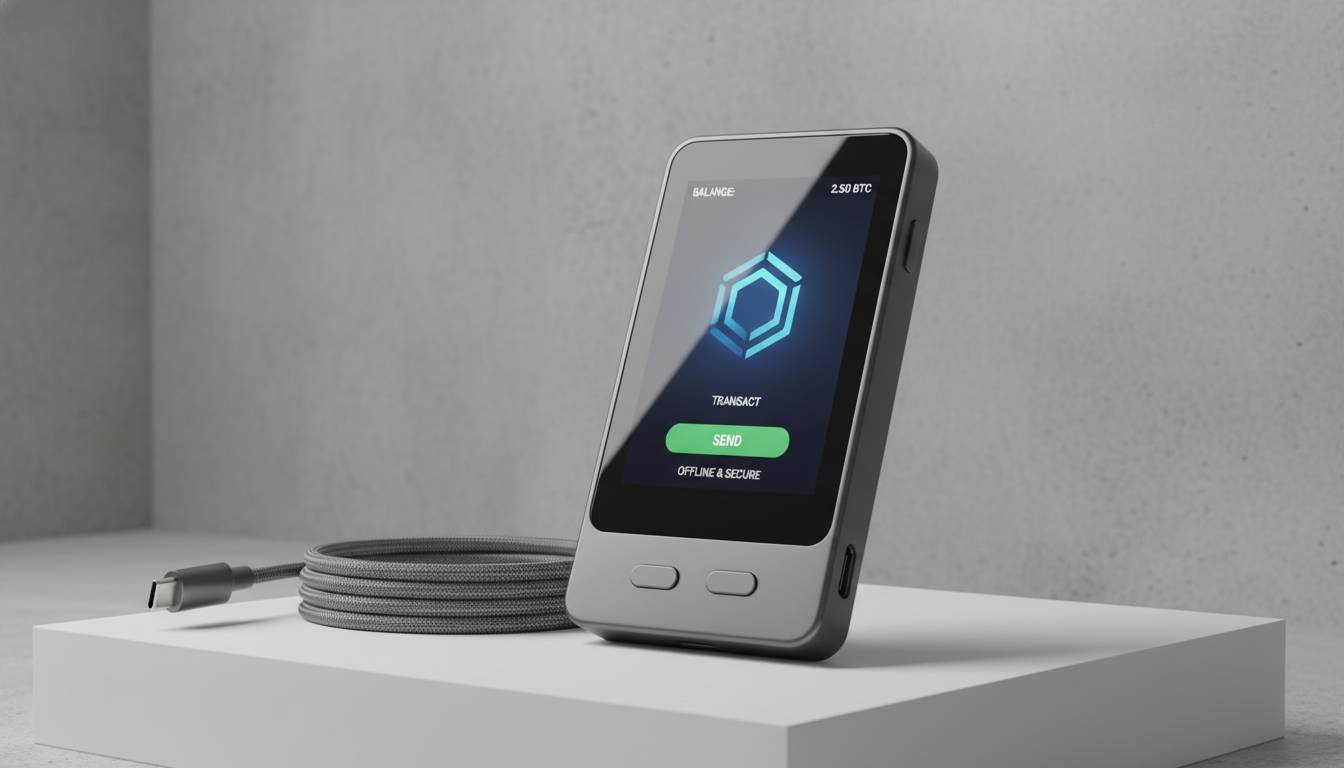
Hardware wallets represent the most popular cold storage solution for individual investors. These specialized devices store private keys in secure elements—dedicated chips designed to resist physical and logical tampering. The secure element ensures that private keys never leave the device in an unencrypted form, even when the device is connected to a compromised computer.
The Cold Wallet Security Model
The security architecture of cold wallets relies on multiple defensive layers. The secure element provides hardware-level protection against extraction attacks. The device requires physical button confirmation for each transaction, preventing remote execution. Firmware is digitally signed by manufacturers, preventing tampered software installation. Many devices display transaction details on their own screens, ensuring you verify exactly what you’re signing—not what malware might show on your computer.
This multi-layered approach explains why cold wallets have never been directly compromised through remote attacks. The infamous 2020 Ledger data breach exposed customer information but did not compromise the hardware security of any device—the breach affected only the marketing database, not the secure elements storing private keys.
Security Comparison: The Fundamental Difference
The security distinction between cold and hot wallets isn’t one of degree—it’s a categorical difference rooted in internet connectivity. This distinction has profound implications for your asset protection strategy.
Vulnerability Profiles
Hot wallets face constant, automated attacks. Botnets scan for vulnerable wallet software. Attackers probe exchanges continuously. Phishing emails target every hot wallet user. The attack surface is enormous because every moment of connectivity creates potential entry points.
Cold wallets, by contrast, present an almost impossible target for remote attackers. Without internet connectivity, there’s no IP address to target, no port to scan, no software vulnerability to exploit remotely. An attacker would need physical access to your cold wallet device—which typically requires overcoming additional security measures like PIN codes and recovery seed encryption.
Threat Modeling by Wallet Type
| Threat Vector | Hot Wallet Risk | Cold Wallet Risk |
|---|---|---|
| Remote Hacking | High | Near Zero |
| Phishing Attacks | High | Low (limited online exposure) |
| Exchange Breaches | High (if custodial) | None |
| Malware on Device | High | Near Zero |
| Physical Theft | Medium | Medium (encrypted) |
| User Error | Medium | Medium |
| Natural Disaster | Low | Medium (depends on backup) |
The numbers tell a compelling story. According to the FBI’s Internet Crime Report, cryptocurrency-related theft has grown into a multi-billion dollar industry, with hot wallets bearing the overwhelming burden of these losses. Meanwhile, hardware wallet manufacturers report zero successful remote exploits in their product history.
Convenience and Accessibility Trade-offs
Security and convenience exist in constant tension throughout the cryptocurrency ecosystem. Understanding this trade-off is essential for choosing the right storage strategy.
Hot Wallet Convenience Advantages
Hot wallets excel in scenarios requiring frequent access. If you’re day trading, providing liquidity to DeFi protocols, or regularly moving funds between accounts, cold wallet transactions become impractical. Each cold wallet transaction requires multiple steps: connecting the device, entering a PIN, reviewing the transaction on the hardware screen, confirming with physical buttons, and then broadcasting the signed transaction.
This friction is intentional—it’s the cost of security. But it becomes unbearable for anyone transacting multiple times daily. Hot wallets also offer easier portfolio tracking, automatic exchange integration, and simpler recovery processes. If you lose your hot wallet device, you can typically restore access within minutes using your seed phrase. Most hot wallet apps also offer cloud backup options that simplify recovery further.
Cold Wallet Inconvenience Realities
Cold wallets introduce friction at every interaction. Hardware wallets cost money—anywhere from $50 for basic models to $250 for premium options with additional features like touchscreens or biometric authentication. The transaction process takes longer. You must physically access your device for every transaction. Travel with cold wallets requires additional security considerations.
These inconveniences matter practically. Investors who find cold wallets too cumbersome often abandon good security practices entirely, keeping everything in hot storage despite the risks. Finding the right balance—enough security to protect your assets without so much friction that you stop using wallets altogether—is crucial.
Use Case Analysis: When to Use Each
The cold vs hot wallet decision isn’t binary. Most sophisticated cryptocurrency investors use both, allocating different portfolio percentages based on how they use their funds.
When Hot Wallets Make Sense
Hot wallets serve as your operational funding source. Keep enough cryptocurrency in hot wallets to cover your anticipated transactions over a reasonable period—typically one to two weeks of normal activity. This approach limits your exposure to hot wallet vulnerabilities while ensuring you never face delays accessing your funds.
Consider hot wallets specifically for:
- Active trading capital: Funds you’re actively trading or that must be liquid for upcoming opportunities
- DeFi participation: Assets needed for yield farming, liquidity provision, or protocol interactions
- Small daily balances: Amounts you’re comfortable losing entirely—some investors keep $500 or less in hot wallets as “spending money”
- Learning funds: New cryptocurrency users experimenting with transfers and wallet interactions should start with small amounts in hot wallets to learn without catastrophic risk
When Cold Wallets Make Sense
Cold wallets should hold the majority of any significant cryptocurrency holdings. If you’re holding more than you can afford to lose entirely, cold storage becomes essential rather than optional.
Cold wallets are specifically appropriate for:
- Long-term holdings: Assets you’re planning to hold for months or years without touching
- Large portfolios: Any holding large enough to represent meaningful financial value
- Retirement funds: Cryptocurrency allocated for long-term wealth building
- Cold storage reserves: Emergency funds that must remain accessible but secure
- Initial coin offering participation: Funds reserved for upcoming token launches or purchases
Common Mistakes and How to Avoid Them
Both cold and hot wallet users fall into predictable patterns that compromise their security. Understanding these mistakes helps you avoid them.
Hot Wallet Mistakes
| Mistake | Consequence | Prevention |
|---|---|---|
| Keeping all funds in hot storage | Complete loss in successful hack | Use cold wallets for majority holdings |
| Storing seed phrases digitally | Loss to malware or phishing | Always store seed phrases offline |
| Reusing the same hot wallet for everything | Increased attack surface | Use separate wallets for different purposes |
| Not enabling 2FA | Vulnerability to account takeover | Enable 2FA on every exchange and wallet service |
| Clicking links in DMs | Phishing attacks | Never click links; navigate directly to sites |
Cold Wallet Mistakes
| Mistake | Consequence | Prevention |
|---|---|---|
| Losing the recovery seed | Permanent fund loss | Create multiple backups in secure locations |
| Buying used hardware wallets | Potential tampering | Only buy hardware wallets new, sealed |
| Storing seed in one location | Vulnerability to fire, theft | Distribute backups across locations |
| Not testing recovery | Discovery of backup failure when needed | Test recovery process before funding wallet |
| Sharing wallet setup with strangers | Social engineering attacks | Never share that you own significant crypto |
The Recovery Seed Crisis
Perhaps the most underappreciated aspect of cryptocurrency security is the recovery seed phrase. Whether using hot or cold wallets, your 12 or 24-word seed phrase represents absolute control over your funds. Lose it, and your funds are irretrievable. Someone else obtains it, and your funds are theirs.
Best practices for seed phrase management include: never storing digital copies, writing seeds on acid-free paper or engraving in steel, dividing seeds into fragments stored in separate locations, never sharing seeds with anyone, and using BIP39-compatible wallets that allow passphrase addition for additional security.
The Hybrid Approach: Industry Best Practice
Security professionals universally recommend a hybrid storage strategy. This approach captures the benefits of both wallet types while mitigating their respective weaknesses.
Portfolio Allocation Framework
| Asset Tier | Storage Method | Percentage of Portfolio | Rationale |
|---|---|---|---|
| Operating Funds | Hot wallet | 1-5% | Sufficient for two weeks of transactions |
| Trading Capital | Hot wallet or exchange | 5-10% | Liquid for active trading opportunities |
| Medium-Term Holdings | Cold wallet (hardware) | 20-30% | Accessible but secure |
| Long-Term Holdings | Cold wallet (hardware) + steel backup | 60-75% | Maximum security for storage |
This allocation ensures you’re never caught without operational funds while keeping the vast majority of assets in cold storage. Adjust percentages based on your trading frequency and risk tolerance.
Implementation Strategy
Implementing a hybrid approach requires deliberate setup. Start by purchasing a hardware wallet directly from the manufacturer—never buy used. Set up the device, write down your recovery seed immediately, and verify it multiple times. Create at least two steel backups stored in separate secure locations (safe deposit boxes work well). Transfer your long-term holdings to the cold wallet. Then set up a hot wallet for operational transactions, funding it only with what you need for the near term.
Expert Perspectives on Wallet Security
Security researchers and cryptocurrency thought leaders consistently emphasize cold storage for significant holdings.
Andreas Antonopoulos, renowned Bitcoin security expert, frequently discusses this topic: “Your keys, your crypto. Not your keys, not your crypto.” His advocacy for self-custody using hardware wallets has shaped industry thinking significantly.
Nicholas Weaver, cybersecurity researcher at the International Computer Science Institute, has specifically recommended hardware wallets as the minimum viable security for anyone holding more than a few hundred dollars in cryptocurrency. He emphasizes that exchange-held funds remain vulnerable to both technical compromise and legal seizure.
The Cryptocurrency Security Standard (CCSS) developed by the Crypto Council and Security Alliance recommends cold storage for all assets above certain thresholds, with specific requirements for key management, backup procedures, and access controls.
Conclusion
The cold wallet vs hot wallet decision ultimately reduces to a simple principle: internet connectivity is vulnerability. Hot wallets provide unmatched convenience but face constant attack. Cold wallets introduce friction but provide security that hot wallets cannot match.
For most cryptocurrency holders, the solution is clear: use hot wallets sparingly for operational needs, keep the vast majority of holdings in cold storage, and never store more in hot wallets than you can afford to lose completely. This hybrid approach, combined with disciplined seed phrase management and avoidance of common mistakes, provides a security posture that protects against the vast majority of threats in the cryptocurrency ecosystem.
The specific allocation between hot and cold storage depends on your circumstances—your trading frequency, your portfolio size, and your personal risk tolerance. But the principle remains constant: secure the majority, use the minority for operations, and never sacrifice security for convenience when holding significant value.
Frequently Asked Questions
Is a hardware wallet completely unhackable?
No hardware wallet is completely unhackable, but successful attacks require physical access to the device combined with significant technical resources. The secure element architecture in major hardware wallets has never been compromised remotely. For practical purposes, hardware wallets provide the strongest security available for individual cryptocurrency holders.
Can I keep my seed phrase on paper?
Paper seed phrases face destruction risks from fire, water, and simple misplacement. While functional, paper is vulnerable to physical degradation over time. Steel wallets like Cryptosteel or Billfodl provide fire-resistant, durable alternatives for long-term seed phrase storage.
Do I really need a cold wallet if I only hold $500 in crypto?
If holding $500 or less, a hardware wallet may not be cost-effective. However, you should still use cold storage best practices: never keep recovery seeds digitally, use reputable wallet software, and enable all available security features. Consider cold storage if your holdings grow beyond what you’d be comfortable losing entirely.
What’s the safest cold wallet brand?
Ledger and Trezor are the two most established hardware wallet manufacturers with the longest security track records. Both undergo regular security audits. Ledger uses custom secure elements, while Trezor uses standard chips with proprietary firmware protections. Both are considered secure choices; the best wallet is one you’ll actually use consistently.
Can I use the same wallet for all my cryptocurrencies?
Hardware wallets typically support hundreds of cryptocurrencies through companion software. You can store Bitcoin, Ethereum, and most major altcoins on a single hardware wallet. However, verify specific cryptocurrency support before purchasing any hardware wallet.
What happens if my hardware wallet breaks or stops working?
Your funds remain accessible through your recovery seed phrase. Any BIP39-compatible wallet can import your seed phrase and restore access to your funds. This is why maintaining secure, tested backups of your seed phrase is absolutely essential—without it, a damaged or lost hardware wallet means permanent fund loss.